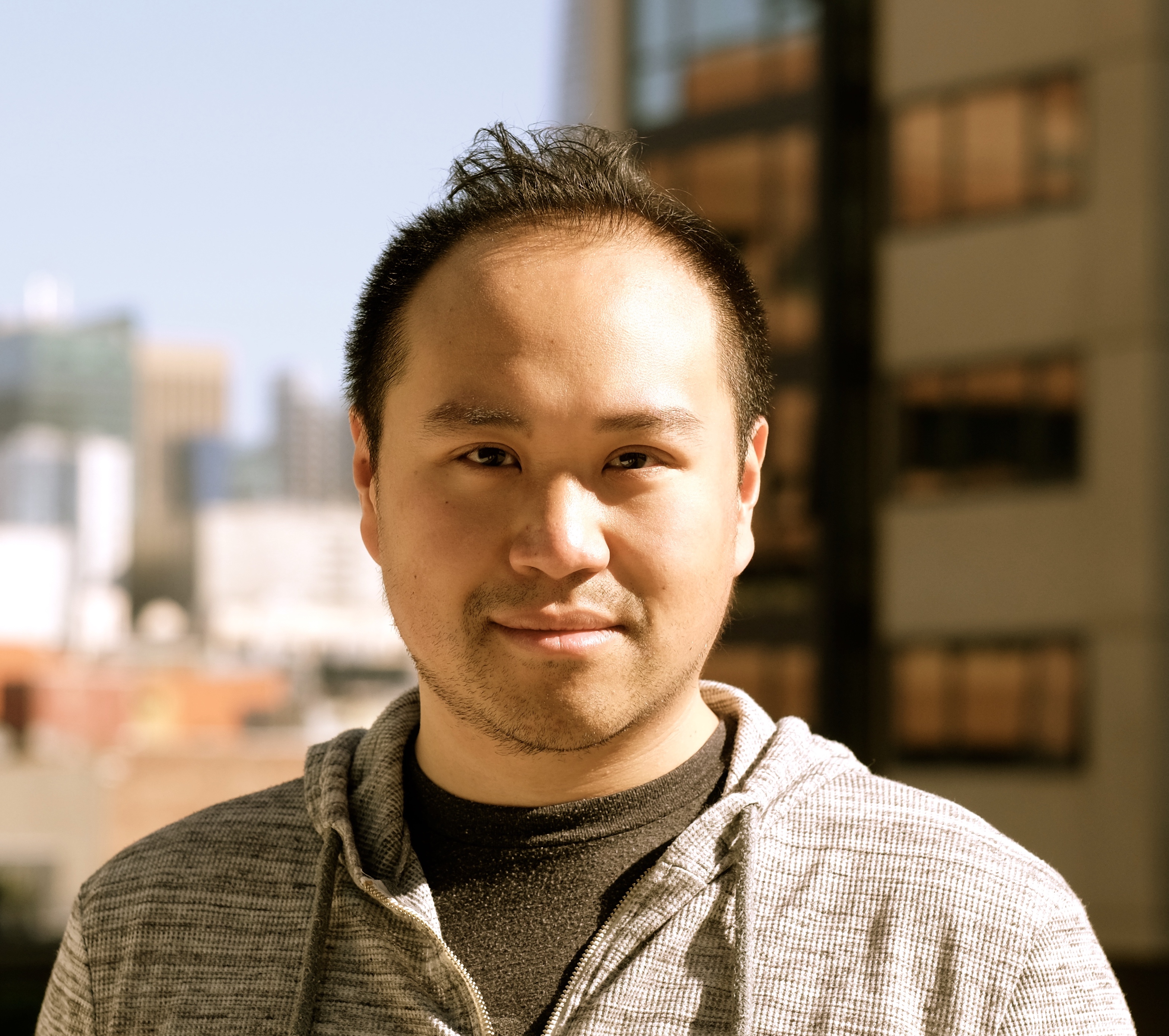
Brian Ma runs Iterative out of Singapore - a Y Combinator-shaped accelerator pointed at Southeast Asia, where the macro story is younger than the cap tables and the founders move faster than the regional press can write them up. Twice a year a cohort of around thirty startups moves through a twelve-week program that ends in a demo day. Then Iterative writes follow-on checks. Then the founders join the next class as mentors. The thing loops, hence the name.
The trade he is making is geographic. “More capital is flowing into more nascent and higher growth regions like Southeast Asia,” he told TechCrunch when Fund II closed in late 2022. “We believe this is where the best returns will come from in the next seven to 10 years.” That is a long horizon stated plainly, which is the Ma house style: no theatrics, just the math behind it.
Fund II filled in roughly four weeks. The LPs were not investing in a thesis. They were investing in Fund I’s scoreboard.
By the time Iterative announced Fund II at $55 million, Fund I had already backed more than sixty-five companies. Those companies had raised $163 million in follow-on financing and were collectively worth $1.2 billion. The LPs who showed up for the second round - Cendana, K5 Global, Village Global, Goodwater Capital, plus Dropbox co-founder Arash Ferdowsi and Airbnb’s Asia head Kum Hong Siew - were not buying a deck. They were extending the bet.
What is unusual about Brian Ma is not that he ended up here. It is the sequence. Most VCs are bankers who learned to nod at engineers. He is an engineer who learned to write checks. The journey reads like a startup map of the last twenty years.
The Zillow seed crystal
In 2005, before Zillow launched, he was one of its earliest product managers. Real estate as a software problem was new. He shipped during the boom that taught a generation of operators how consumer internet at scale actually behaved. Most of the founders he now backs were teenagers when he was sitting in those product reviews.
Decide.com and the eBay exit
Four years later, in 2009, he co-founded Decide.com with Hsu Ken Ooi. The product predicted the future price of consumer goods using machine learning - this was the pre-modern ML era, before the word AI was thrown around at dinner. The thing worked. eBay bought it in 2013. Brian got his first founder exit and, more importantly, his first proof point that operators who can build inside a domain can also pick when to leave it.
Then in 2014 he and Elpizo Choi started Weave through Y Combinator’s Summer 2014 batch. The YC stamp matters in his story because it imprints the shape of what Iterative would later become. A twelve-week program, a cohort, a demo day, a community of founders helping founders. He has been on both sides of that table.
Divvy Homes, the bigger swing
In 2017 he co-founded Divvy Homes, a rent-to-own platform that converted monthly rent payments into home equity for would-be buyers locked out of traditional mortgages. Divvy raised from Andreessen Horowitz and Singapore’s sovereign wealth fund GIC. It was Brian’s biggest swing as a CEO. It was also, in retrospect, the company that taught him the most about regional capital pools, which is what he now allocates from.
Somewhere in that timeline he made the trade. He left the operator’s chair. He took the lessons from four companies and one acquisition and turned them into an accelerator that operates the way the best founders wish accelerators did. Cohorts that are small enough that the partners know the names of the founders’ co-founders. Office hours weekly. Pitch practice in front of people who have raised money themselves. Investor introductions that route through Brian’s actual rolodex, not a Notion doc.
He runs the accelerator like a founder runs a product. Iteration is in the name; the org chart, the cohort size, even the check size all keep moving up and to the right.
Fund II raised the check size to $500,000. The target is more than one hundred companies across pre-seed, seed and Series A, with the new capability to follow on. Cohorts are larger. The visiting partner roster - more than eighty venture and visiting partners by the firm’s own count - functions less like an advisor list and more like an extended product team for founders.
Why Southeast Asia, in plain English
Most of the noise around Southeast Asian venture is macro talk: GDP curves, smartphone penetration, a young population, regional unicorns going public. Brian’s version is more granular. The regional founders he sees are increasingly second-time operators returning from Silicon Valley, Seattle, Shenzhen. The local LP base is starting to underwrite founders directly. The talent pools - in Singapore, Jakarta, Ho Chi Minh, Manila - are stitched together by remote work in a way that did not exist five years ago.
What he sells the founders is access. To a 12-week program. To office hours. To pitch practice with people whose pitches have actually closed. To investor connections that span SEA and the United States. To an alumni network that is, by design, large enough to be useful and small enough to actually meet each other.
What he sells the LPs is a top-of-funnel into Southeast Asia run by someone who has shipped real product in real companies on three continents. Iterative is not a fund of pitch decks. It is, depending on which day you catch Brian, a community, an accelerator, a seed fund, and an early-stage hedge against the next decade of American venture dominance.
The Ma operating system
He went to the University of Washington for computer science and electrical engineering. He picked the handle zealoustiger and has carried it on every platform since. He posts on Medium occasionally - one essay titled simply “Southeast Asia - the next big opportunity” reads like the field notes for the fund he eventually started. He is on LinkedIn and X. He does not appear to be loud.
What he does instead is iterate. The fund gets bigger. The cohort gets bigger. The check gets bigger. The thesis stays the same. Seven to ten years. Southeast Asia. Founders supporting founders. Repeat.