A bottle of sesame oil is an awkward object to bring to a technology investor. It has no dashboard. It cannot send a push notification. Yet when SparkLabs’ partners tasted Queensbucket’s premium oil, they found something they thought they could work with: a distinctive product, and a company that could use help reaching customers.
- Capital comes bundled with mentorship and introductions.
- Each regional program has its own focus and terms.
- The useful question: which business obstacle can this network remove?
The bottle that passed the investment committee
Bernard Moon recalled the investment in a 2020 interview. His Seoul-based co-founder Jimmy Kim spotted the company, which had developed a process for making high-end sesame oil. The partners tasted it, saw ways to assist with marketing and distribution, and admitted it to an accelerator batch. A venture portfolio, it turns out, can accommodate dinner.
The episode captures SparkLabs’ proposition. Its expertise includes recognizing where an introduction, an experienced operator or a distribution relationship might move a business forward. The wider group now combines accelerators with investment funds, helping entrepreneurs find capital and routes into unfamiliar markets.
The Korean accelerator began in 2012 with Hanjoo Lee, Jimmy Kim and Moon. The broader group dates itself to 2013. Moon remembered Lee approaching him about an accelerator, followed a year later by their first venture fund. The move formalized help they had already been giving other founders.
“giving free advice to other entrepreneurs, but now we just added a check to it.”Bernard Moon · 2020 interview

Advice, with ownership attached
The check changes the relationship. SparkLabs invests in businesses and participates in their financial outcomes. Its Korean accelerator’s current homepage describes investment from ₩100 million for roughly 6% equity, with the amount and ownership adjusted to the company. Founders pay through dilution: the investor owns a slice of whatever they build.
Those terms belong to that program. Taiwan runs a separate accelerator-led venture model; the global seed fund and later-stage vehicles serve other needs. SparkLabs is a network of investment operations rather than one universal application form with one universal price.
Its audiences also extend beyond founders. Limited partners supply fund capital. Taiwan offers corporations help running accelerators, finding startup solutions and approaching startup customers. The Saudi operation advises governments and institutions on innovation ecosystems. These are different relationships, held together by access to entrepreneurs and the organizations that can buy from or finance them.
Fifteen weeks to find the customer
In Korea, the current program concentrates on product-market fit over 15 weeks. Bootcamp examines the business and its obstacles. The next phase sets performance measures. Traction Day checks progress and sharpens the investor pitch. Demo Day creates opportunities for venture meetings. The order matters: a persuasive presentation follows work on the business underneath it.
- 01BootcampFind the obstacles
- 02Business KPIsChoose the measures
- 03Traction DayTest the progress
- 04Demo DayMeet the investors
There are entry conditions. The current Korean program targets companies incorporated within the previous three years and excludes solo founders. Its FAQ also says founders must be willing to accept investment. Someone who wants occasional advice while retaining every share is shopping for a different service.
For founders who qualify, the practical value is specific access. Glade co-founder Daniel Fang’s testimonial describes “direct warm introductions to customers, investors, and strategic partners”. That is a useful distinction when assessing an accelerator: how often does a name in the network become an actual conversation?
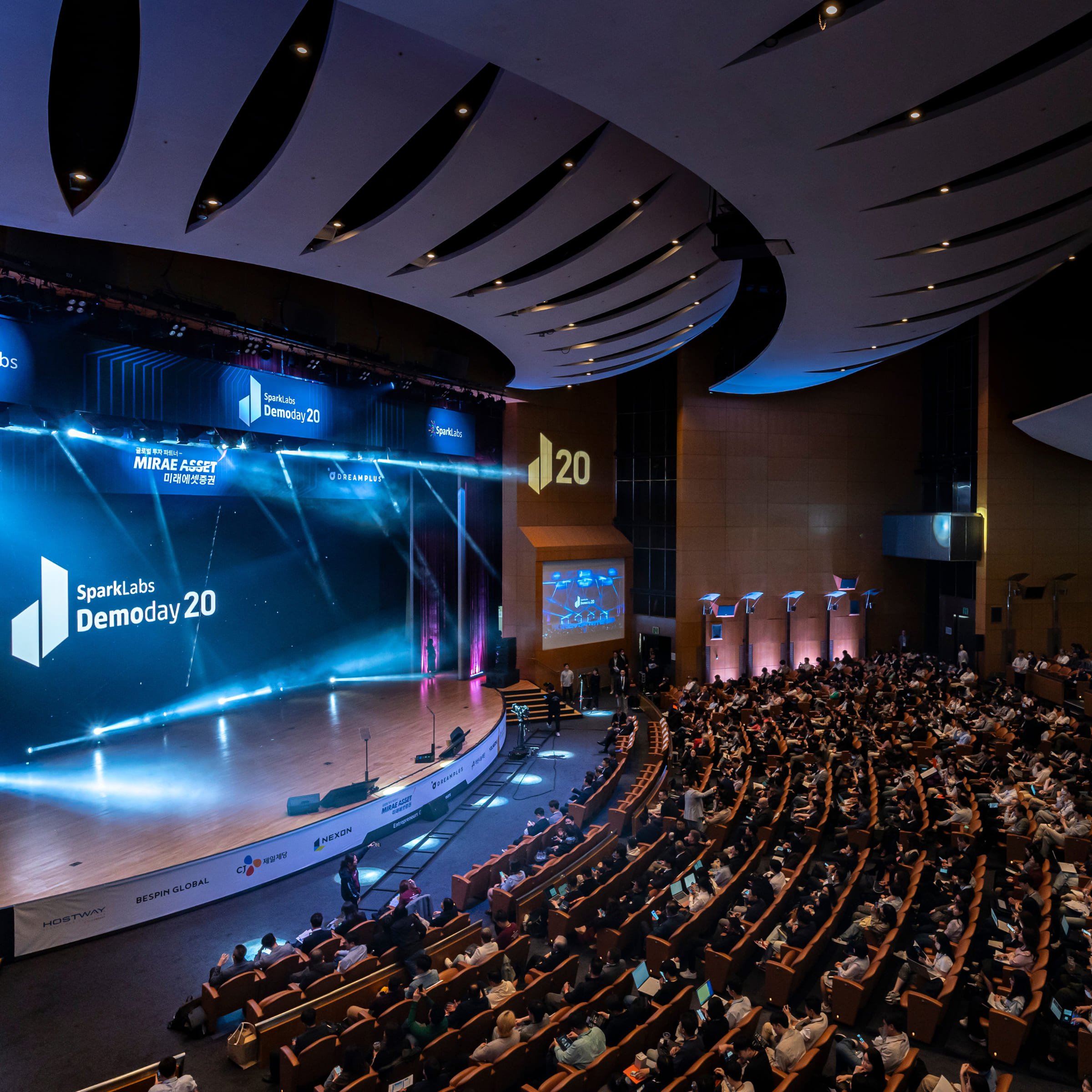
A network needs somewhere to stand
SparkLabs’ regional differences give its global ambition some substance. Taiwan runs a three-month program for early-stage companies and now emphasizes AI capabilities with real industry uses. It also positions itself as an entry point for international AI startups and a connector for Taiwanese enterprises adopting the technology.
Australia supplies a rather different setting. SparkLabs Cultiv8’s six-month agri-food program begins and ends in Orange, New South Wales, and is embedded within the state’s Department of Primary Industries. It helps arrange trials, testing and corporate connections. A farm technology founder needs evidence from the field; another agreeable coffee meeting may accomplish very little.
Fundraising is one outcome to watch. It does not measure profitability or an investor’s realized return.
Cultiv8 reports 53 accelerated startups and more than A$750 million raised by its portfolio. Taiwan reports over 70 investments and six alumni exits. These are program-reported figures, useful for understanding activity. They should prompt further questions about the founders’ experience and the particular help a new applicant needs.
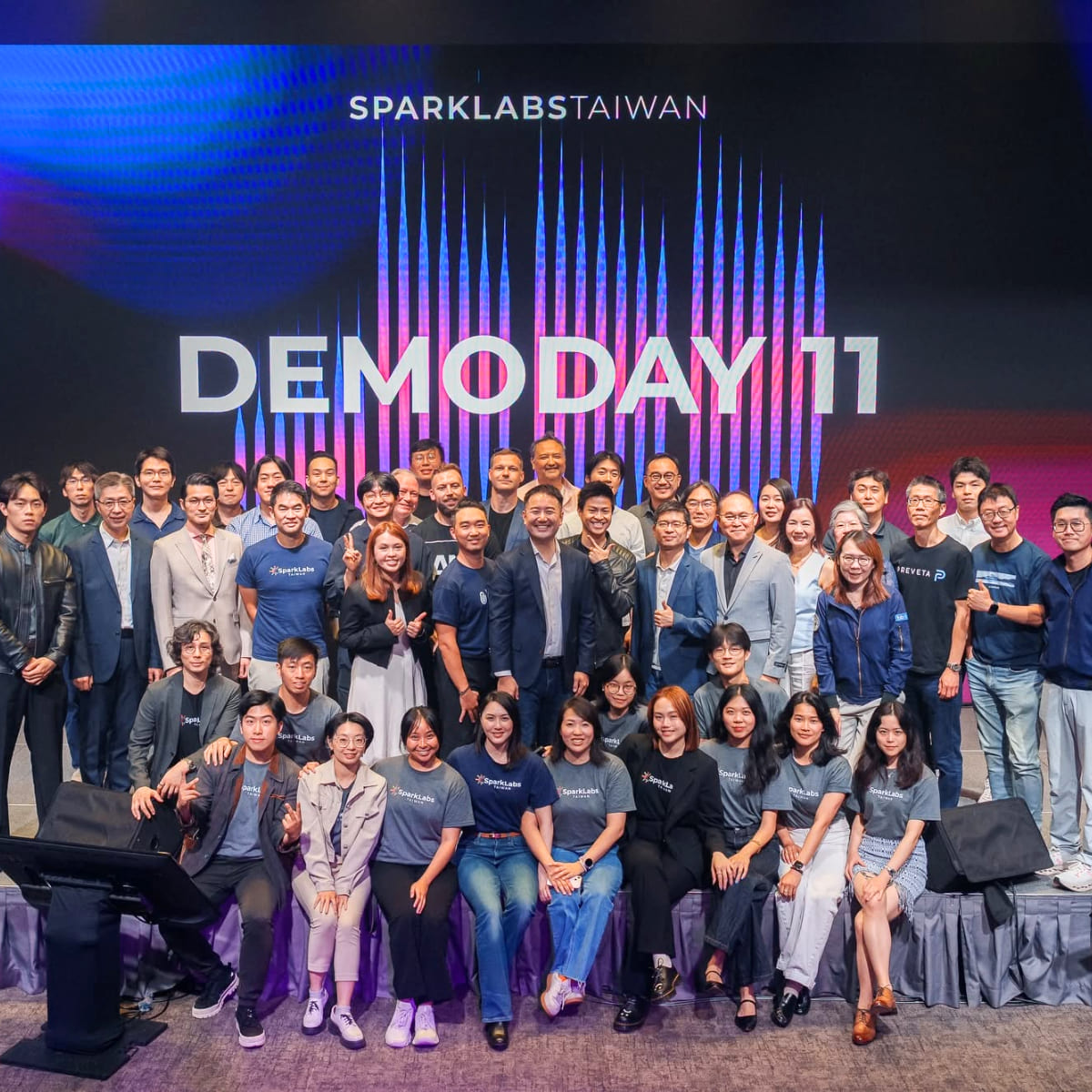
The map keeps getting larger
The network’s expansion follows the same market-access logic. In February 2026, SparkLabs Saudi Arabia announced the $20 million KSU Fund I, anchored by Riyadh Valley Company, King Saud University’s investment arm. It targets pre-seed through Series A businesses building from Saudi Arabia, including ventures emerging from the university.
In September 2026, SparkLabs, Mirae Asset Venture Investment, Qazaqstan Investment Corporation and Uzbekistan’s IT Park Ventures signed a term sheet for a proposed Silk Road fund. The plan targets Central Asian companies at Series A and later, particularly AI-native businesses, with support for expansion into Korea, the United States and MENA. A term sheet marks an intention, not a completed investment record.
The expansion also shows why local partners matter. A university can connect an investor to research and new founders. A regional investment institution can help identify businesses ready for another market. The proposed Central Asia vehicle combines those local relationships with international networks. Whether that arrangement helps a particular company will depend on what happens after selection: introductions made, customers reached and expansion plans carried out.
Borrow the question before the address book
For founders comparing SparkLabs with other accelerators or seed investors, the revealing exercise is to name the obstacle first. Is it customer discovery? A foreign distributor? An agricultural test site? A credible introduction to the next investor? Then ask which partner can help, and how.
That is the part anyone can copy. Relationships become useful when attached to a concrete task. Ask alumni for examples, then ask who did the work. A mentor who understands your buyer may be more useful than a famous adviser whose name looks handsome on a website. The bargain is less attractive when a business has no need for overseas access, cannot use the program’s expertise or gives up ownership without receiving meaningful help. Queensbucket offers the memorable version of the question: once everyone has tasted the product, who can help sell the next bottle?