protein-engineering
(31)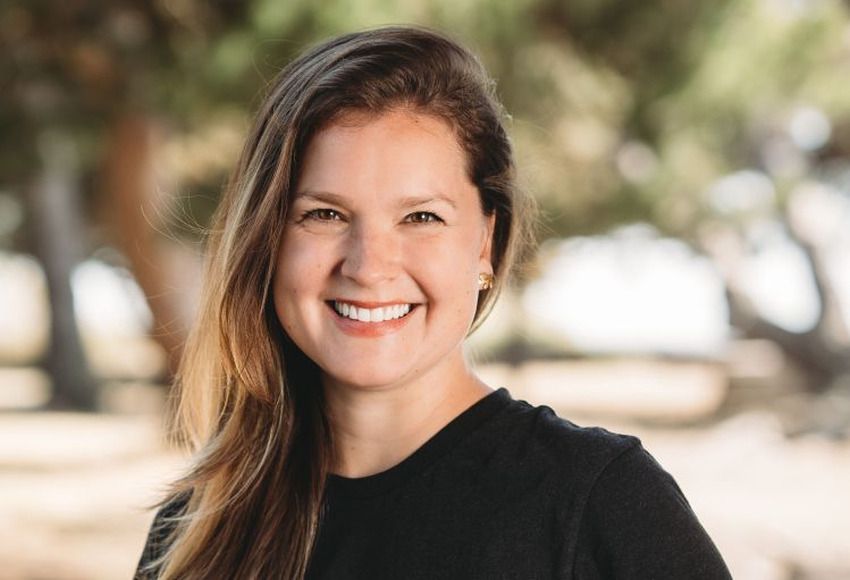
Jasmin Hume Is Teaching AI to Read Nature's Ingredient List
The protein engineer behind Shiru is compressing years of ingredient discovery into months - and turning nature's overlooked molecules into products manufacturers can actually use.
Klotho Therapeutics Raised $10 Million to Bottle a Longevity Protein. The Hard Part Is Still Human Proof
Klotho Therapeutics has a patented protein, a myth-sized ambition and a very human bottleneck: animal evidence is intriguing, but patients need manufacturing, dosing and trials - not mythology.

Adam Townsend
He spent two decades launching other people's medicines. Now he is running a biotech built to delete the antibodies that make patients sick - and taking the top job for the first time.
Suchul Jang
He spent a decade engineering tiny vesicles to smuggle drugs where they were needed. Now he is running the American arm of a Korean biotech that wants the brain to clean up after itself - quietly, without the inflammation that has shadowed Alzheimer's drugs for years.
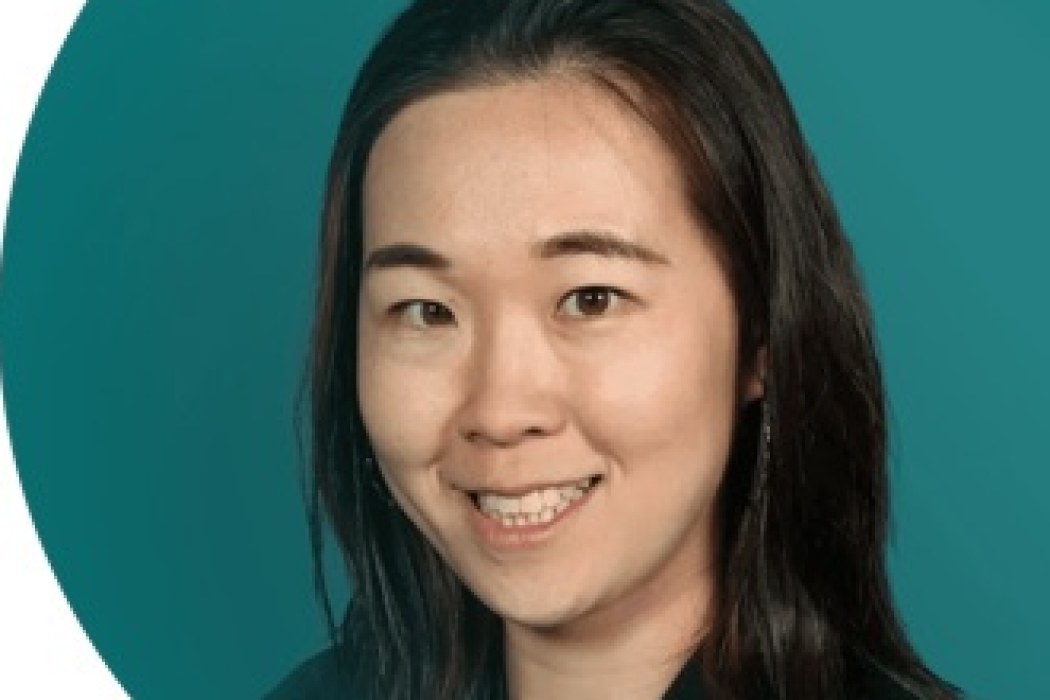
Will Cao
Will (Yangxiaolu) Cao is the co-founder and CEO of Pando Bioscience (YC W23), a Watertown, Massachusetts company using generative AI and ultra-high-throughput screening to engineer better enzymes for pharmaceutical manufacturing and life-science tools. A Ph.D. scientist who switched from mechanical engineering to engineering bacteria, she published first-author papers in Cell and Nature Biotechnology and was an early employee at Ginkgo Bioworks before starting Pando in 2022.

Pando Bioscience
Pando Bioscience is an AI-driven synthetic biology company that engineers better enzymes for the pharmaceutical and diagnostics industries. It pairs a generative-AI design model with an ultra-high-throughput 'one-pot' screening platform that tests roughly 1,000 times more enzyme variants - about 75% faster and 80% cheaper than conventional methods - compressing the design-build-test-learn cycle to about one month. Founded in 2022 by former Ginkgo Bioworks scientists Will Cao and Yang Wang, Pando both improves customers' enzymes and builds its own proprietary enzyme assets, such as the Saiyan-Phi29 polymerase.
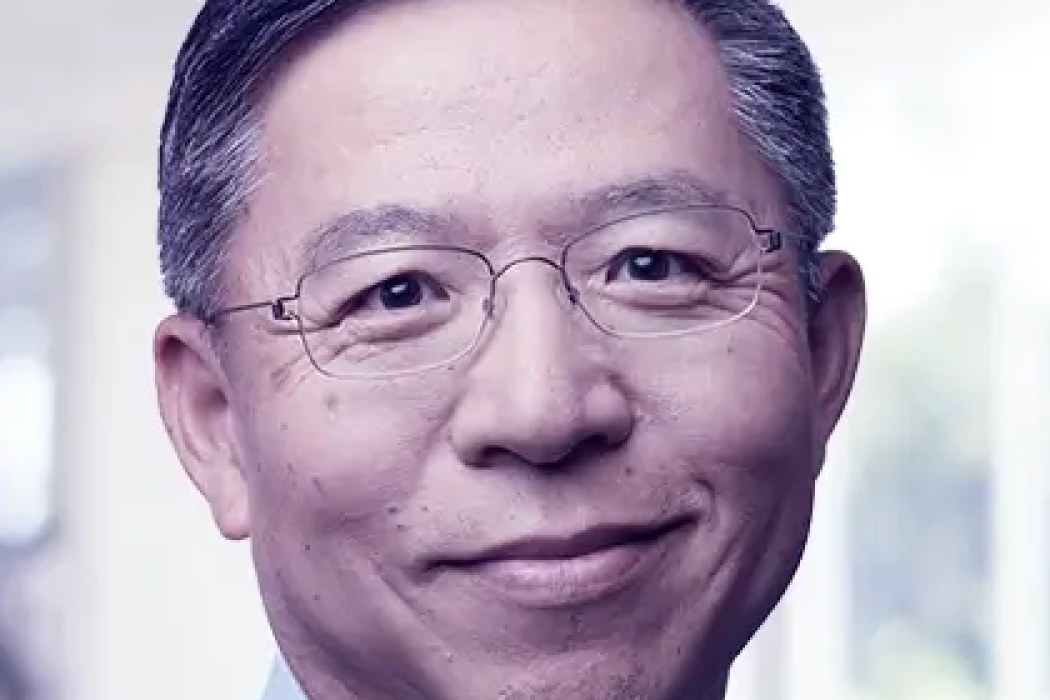
Tao Fu
Tao Fu is the founder, CEO, and president of Attovia Therapeutics, a San Carlos, California biotech developing next-generation biologics for immune-mediated diseases using its proprietary ATTOBODY platform. A biologist-turned-business-leader with more than 25 years across pharma, he built his career at McKinsey, Bristol Myers Squibb, Portola Pharmaceuticals, and Zai Lab before starting Attovia, which has raised roughly $255 million to date, including a $90 million Series C in April 2025.
Antiverse
Antiverse is a UK-based AI-driven biotech that designs functional therapeutic antibodies against targets long considered 'undruggable' - notably G-protein coupled receptors (GPCRs), ion channels, and other transmembrane proteins where conventional antibody discovery routinely fails. Its platform pairs generative AI models, trained for years on the hardest antibody targets, with a proprietary 'lab-in-the-loop' wet lab using engineered cell lines and deep sequencing, taking a target to an optimized antibody in roughly four months. Founded in 2017 and headquartered in Cardiff, Wales, the company works through pharma partnerships and licensing (e.g. Nxera Pharma) alongside its own internal pipeline and non-profit collaborations such as the Cystic Fibrosis Foundation.

Baseimmune
Baseimmune is a London-based biotech that uses a proprietary deep-learning platform to design synthetic antigens - the active ingredients in vaccines and immunotherapies. Founded in 2019 by three researchers who met at Oxford's Jenner Institute, the company originally built AI-designed 'future-proof' vaccine candidates against fast-mutating pathogens such as coronavirus, malaria and African swine fever. In 2026 it extended its computational antigen-design platform beyond infectious disease into chronic conditions, with a lead program targeting idiopathic pulmonary fibrosis. Baseimmune closed an $11.3M (about GBP 9M) Series A in February 2024 led by MSD Global Health Innovation Fund and IQ Capital.
Illimis Therapeutics
Illimis Therapeutics is a Seoul-based biotechnology company developing protein-based medicines for central nervous system and immune diseases. Its proprietary GAIA (Gas6-mediated Anti-Inflammatory Adaptor) platform builds bispecific fusion proteins that engage the body's TAM receptors to clear misfolded proteins such as amyloid-beta through phagocytosis without triggering the inflammation and ARIA side effects associated with existing antibody drugs. Founded in 2021, the company raised a $42 million Series B in July 2025 and is advancing a lead Alzheimer's candidate, ILM01, toward an IND by the end of 2027.

Merida Biosciences
Merida Biosciences is a Cambridge, Massachusetts biotechnology company developing a new class of engineered Fc biotherapeutics that selectively bind and eliminate the disease-causing antibodies behind autoimmune and allergic diseases, while sparing the protective antibodies the immune system needs. Launched publicly in April 2025 with a $121 million Series A, the company aims to treat conditions such as Graves' disease, IgE-mediated allergy and primary membranous nephropathy by clearing pathogenic antibodies and suppressing the B cells that make them - without the broad immunosuppression that limits many existing therapies.
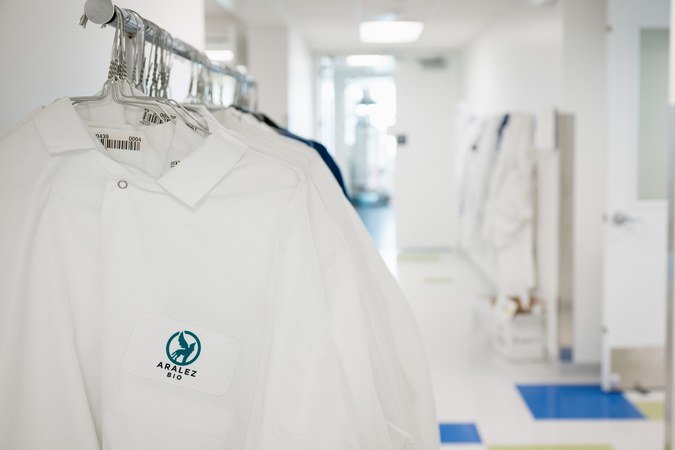
Aralez Bio
Aralez Bio is a Berkeley, California biotechnology company that uses engineered enzymes and directed evolution to manufacture noncanonical amino acids (ncAAs) - the specialized building blocks used in peptide drugs and other pharmaceuticals. Spun out of Nobel Laureate Frances Arnold's Caltech lab in 2019, the company runs biocatalytic reactions that produce enantiopure ncAAs in a single step with water as the main byproduct, expanding the amino acid toolbox roughly 1,000-fold. Aralez sells a catalog of thousands of exclusive amino acids and offers custom synthesis and ton-scale production for pharmaceutical customers, including partners among the world's largest drug companies.
Attovia Therapeutics
Attovia Therapeutics is a San Carlos, California clinical-stage biotech developing first-in-class multispecific biologics for immune-mediated diseases. Its proprietary ATTOBODY platform builds small-format, biparatopic nanobody medicines with ultra-high (picomolar) affinity, tunable half-life and fast tissue penetration - engineered to hit multiple disease pathways at once. Lead programs ATTO-1310 (anti-IL-31) and ATTO-3712 (IL-13 x IL-31 bispecific) target chronic pruritus and atopic dermatitis. Founded in 2023 out of an Alamar Biosciences and Frazier Life Sciences incubation, the company has raised roughly $255M across Series A through C.

Alta Resource Technologies
Alta Resource Technologies is a Boulder, Colorado deep-tech startup using engineered proteins to selectively separate rare earth elements and other critical minerals from low-grade ores, mining tailings, and electronic waste. Its 'precision mining' platform, licensed from Lawrence Livermore National Laboratory and co-developed with Pennsylvania State University, binds individual metals with high selectivity, aiming to cut the cost and environmental damage of conventional chemical refining while helping secure a domestic U.S. supply of materials used in EVs, wind turbines, electronics, and defense systems.

CatenaBio
CatenaBio is a UC Berkeley spinout building a next-generation bioconjugation platform for targeted cancer therapies. Its proprietary CysTyr platform uses an engineered enzyme, Catenase, to forge a site-specific bond between cysteine and tyrosine residues (the C-Y Bond) using only native amino acids. This lets the company attach multiple different drug payloads to a single antibody, producing Multi-Payload Conjugates (MPCs) designed to overcome tumor resistance where conventional single-payload ADCs fall short.

Myris Therapeutics
Myris Therapeutics is a Pittsburgh-based precision oncology company building the next generation of antibody drug conjugates (ADCs). Formerly BioHybrid Solutions, Myris uses proprietary polymer chemistry rooted in Carnegie Mellon's ATRP (atom transfer radical polymerization) technology to grow polymer bottlebrushes on antibodies, achieving ultra-high drug-to-antibody ratios (DAR) of 50-300 - roughly 10 to 100 times higher than conventional ADCs. That capability opens up new chemical space for cancer payloads that were previously unusable, aiming to deliver more potent, precisely targeted therapies.
Ridge Bio
Ridge Biotechnologies is a Bay Area startup using AI-driven enzyme and targeted drug design to build the next generation of precision medicines. Its platform pairs proprietary machine learning models with high-throughput, cell-free wet-lab experimentation to design enzymes and delivery systems for applications spanning antibody-drug conjugates, in vivo CAR-T, targeted nucleic acid delivery, biocatalysis and radiotherapies. The company emerged from stealth in September 2025 with an oversubscribed $25 million seed round led by Sutter Hill Ventures.
Luis Alvarez
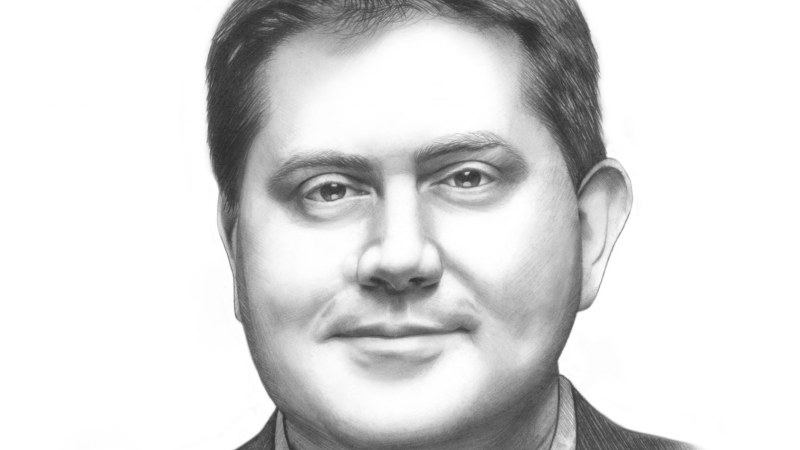
Luis Alvarez is the founder and CEO of Theradaptive, a Frederick, Maryland biotech engineering proteins that latch onto implants and surgical materials to trigger the body to regrow bone, cartilage, and other tissue exactly where it is needed. A retired U.S. Army lieutenant colonel and MIT-trained biological engineer, he traced the idea back to a combat tour in Iraq, where soldiers under his command lost limbs to delayed amputations. Theradaptive has since won multiple FDA Breakthrough Device Designations, raised more than $43 million, and moved its lead protein, AMP2, into human clinical trials.

Avenue Biosciences
Avenue Biosciences is a transatlantic biotech building the first platform to measure and modulate the cellular secretory pathway at scale. Spun out of the University of Helsinki and headquartered between Helsinki and Palo Alto, the company pairs high-throughput chemistry with machine learning to design signal peptides and boost yields of therapeutic proteins - biologics, biosimilars, and mRNA-encoded medicines - so that production bottlenecks stop limiting which therapies reach patients.
Nathan Ratledge
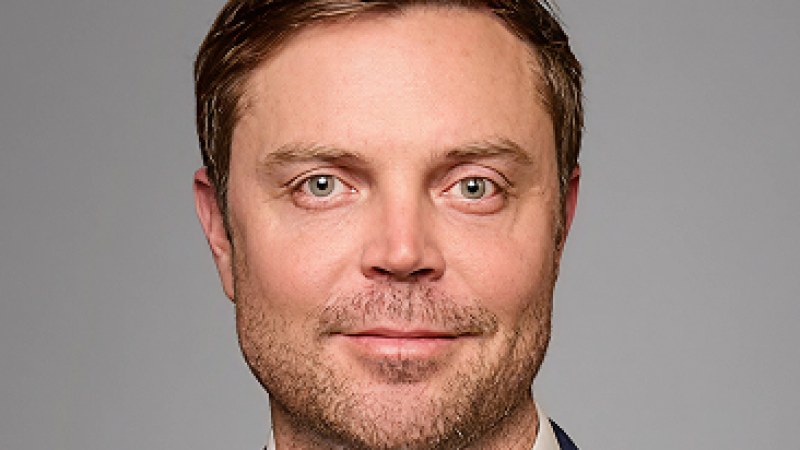
Nathan Ratledge is the co-founder and CEO of Alta Resource Technologies, a Boulder, Colorado startup using computationally designed proteins to pull rare earth elements out of low-grade ores, mine tailings, and electronic waste. A Stanford-trained economist and environmental scientist who once ran a poverty-and-electrification research agenda across East Africa, he pivoted from policy and academia to deep tech, betting that biology - not brute-force chemistry - is the way to break China's grip on the critical-mineral supply chain. Alta has raised about $10 million in seed funding from DCVC, Voyager Ventures, Orion Industrial Ventures and In-Q-Tel (the CIA's venture arm), and advanced to the final phase of DARPA's EMBER program alongside Lawrence Livermore National Laboratory.

Bonum Therapeutics
Bonum Therapeutics is a Seattle biotechnology company building conditionally active biologics - drugs that switch on only where they are needed and switch off everywhere else. Spun out of Good Therapeutics after Roche's $250M acquisition in 2022, Bonum kept the platform blueprint and its founding team, then raised a $93M Series A to extend the approach. Its patented dual-binding antibody (DBA) technology uses a single domain that binds either an effector cytokine or a marker protein, but only one at a time, creating fully reversible medicines aimed at cancer, autoimmunity, metabolic disease and pain.

Tentarix Biotherapeutics
Tentarix Biotherapeutics is a San Diego biotech building conditionally active, multispecific biologics that switch on only at the cells where they are needed. Its proprietary stack - the VH-Select stabilized human VH scaffold, Tentacles multifunctional molecules, and the FunctionSeq mammalian-display screening engine - lets the company discover therapies with high cell selectivity and a wider therapeutic index across oncology, immuno-oncology, and autoimmune disease. Backed by Versant Ventures, Samsara BioCapital, Amplitude Ventures, and Gilead Sciences, and partnered with AbbVie and Gilead.

John Mulligan
John Mulligan is the founder and CEO of Bonum Therapeutics, a Seattle biotech building antibody-regulated biologics that switch on only at their target. A serial entrepreneur with roughly 30 years across drug discovery and company formation, he has founded four companies in fields he often entered as a novice - including Good Therapeutics, whose PD-1-regulated IL-2 program Roche acquired in 2022 for $250M upfront. Bonum spun out of that deal with $93M in Series A funding to apply the same conditional-activation science across oncology, autoimmunity, metabolic disease, and pain. Mulligan holds a BS in biology from MIT and a PhD from Stanford, and was named a Top Industry Leader by the PharmaVoice 100 in 2023.
Triplebar
Triplebar is an Emeryville, California biotech company that pairs a high-throughput microfluidic screening platform with AI genomic models to run evolution at hyper-speed. By packing tens of millions of picoliter microreactors onto a palm-sized chip and testing thousands per second, it generates matched genotype-phenotype datasets that let partners optimize cell lines and microbial strains far faster and cheaper than conventional lab work. The platform powers products across food (precision fermentation, cultivated meat) and biopharma (biologics, cell-engaging cancer therapies).

Vibrant Therapeutics
Vibrant Therapeutics (VibrantX) is a clinical-stage biotechnology company building intelligent, logic-gated antibody therapeutics that switch on only inside diseased tissue. By pairing computational protein design with high-throughput wet-lab validation across its BumbleBee, LogicBee and NeuroBee platforms, Vibrant develops conditionally activated, multi-specific antibody prodrugs for oncology, autoimmune, inflammatory and neurological diseases. Its lead program, VIB305, is a logic-gated masked T-cell engager for EGFR-positive solid tumors that has received FDA IND acceptance.

Theradaptive
Theradaptive is a clinical-stage biotech in Frederick, Maryland that re-engineers therapeutic proteins so they bind to materials and stay exactly where a surgeon places them. Its lead protein, AMP2, is a material-binding variant of the bone-growth protein rhBMP-2; combined with an implantable scaffold it becomes OsteoAdapt, a regenerative product being tested in spinal fusion, dental, and orthopedic procedures. Founded by MIT-trained Army veteran Luis Alvarez after seeing battlefield injuries, the company aims to make biologics safer by keeping them on-target.
GlycoEra AG
GlycoEra AG is a Swiss-American clinical-stage biotech building a new class of precision medicines that selectively degrade the circulating proteins driving autoimmune disease. Spun out of LimmaTech Biologics in 2021 and powered by a proprietary glycoengineering platform, the company designs bifunctional biologics (G-LyTACs) that pull pathogenic autoantibodies out of the bloodstream with speed and depth - without the broad immune suppression of existing therapies. Its lead program, GE8820, targets pathogenic IgG4 autoantibodies. Backed by $179M across Series A and an oversubscribed $130M Series B, GlycoEra operates from Wädenswil, Switzerland and Newton, Massachusetts.
BigHat Biosciences
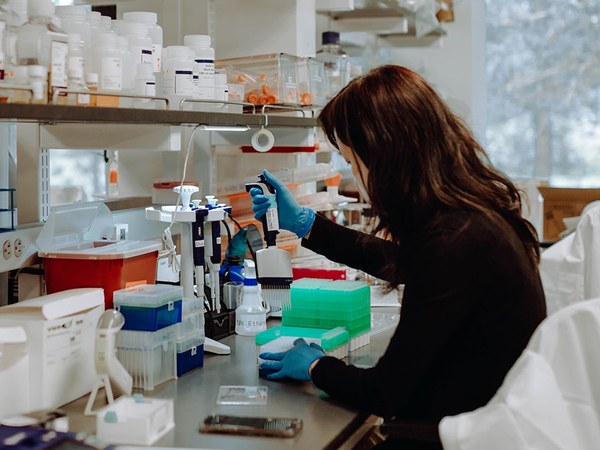
BigHat Biosciences is a San Mateo biotech using machine learning and a high-speed wet lab to design safer, more effective therapeutic antibodies. Its Milliner platform iterates between in-silico design and physical molecules in days, optimizing biologics across binding, stability, immunogenicity and developability for partners like Merck and Johnson & Johnson.
Richard Yu
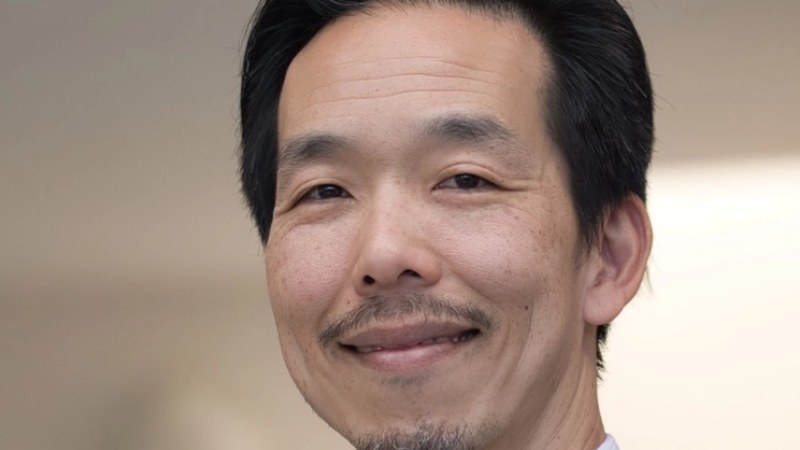
Richard Yu is the Co-founder and CEO of Abalone Bio, an Emeryville, California-based biotechnology company pioneering AI-guided antibody drug discovery for notoriously hard-to-drug targets. With a PhD in Molecular Biophysics from Yale and a background spanning structural biology, systems biology, and biotech entrepreneurship, Richard built Abalone Bio's FAST platform - a high-throughput yeast cell screening system capable of evaluating 100 million antibody variants simultaneously. The company has secured partnerships with Pfizer and Mount Sinai, generated $7M in non-dilutive NIH grants, and published the world's first CB2 antibody agonist data, while positioning AI and large-scale functional datasets at the core of next-generation antibody therapeutics.
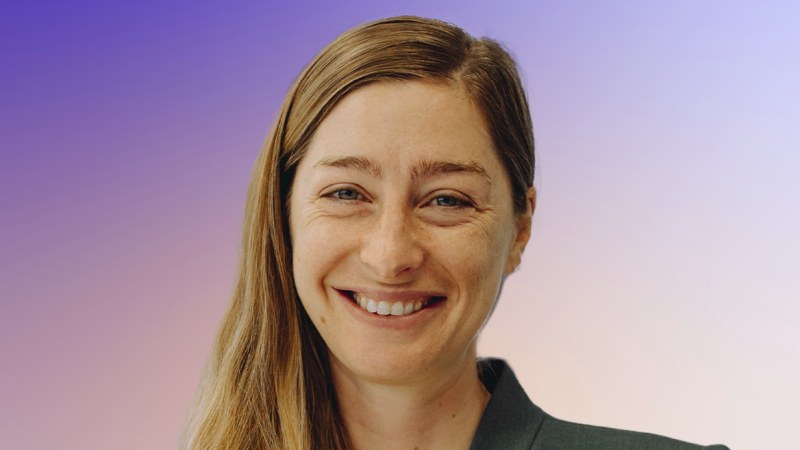
Peyton Greenside
Peyton Greenside is the CEO and co-founder of BigHat Biosciences, a San Mateo-based biotech company she co-founded in 2019 with Mark DePristo. A pioneer of deep learning applied to life science, Greenside combined a PhD in Biomedical Informatics from Stanford, an MPhil from Cambridge, and a BA in Applied Math from Harvard into a singular mission: use machine learning and synthetic biology to design safer, more effective antibody therapeutics faster than anyone thought possible. BigHat's Milliner platform generates thousands of unique antibody designs per week, and the company has raised $174M in total funding with pharma partnerships spanning Amgen, Merck, AbbVie, Johnson & Johnson, and Eli Lilly.