protein-engineering
(11)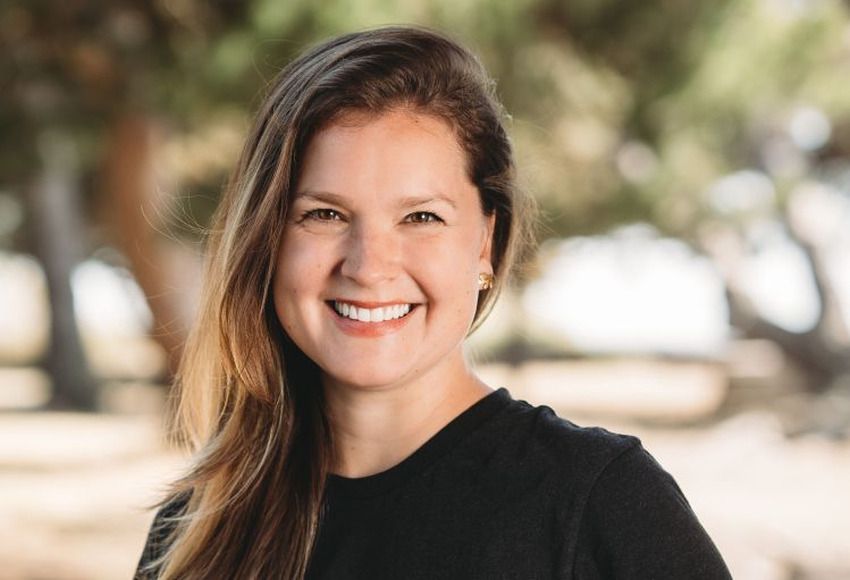
Jasmin Hume Is Teaching AI to Read Nature's Ingredient List
The protein engineer behind Shiru is compressing years of ingredient discovery into months - and turning nature's overlooked molecules into products manufacturers can actually use.

Adam Townsend
He spent two decades launching other people's medicines. Now he is running a biotech built to delete the antibodies that make patients sick - and taking the top job for the first time.
Suchul Jang
He spent a decade engineering tiny vesicles to smuggle drugs where they were needed. Now he is running the American arm of a Korean biotech that wants the brain to clean up after itself - quietly, without the inflammation that has shadowed Alzheimer's drugs for years.
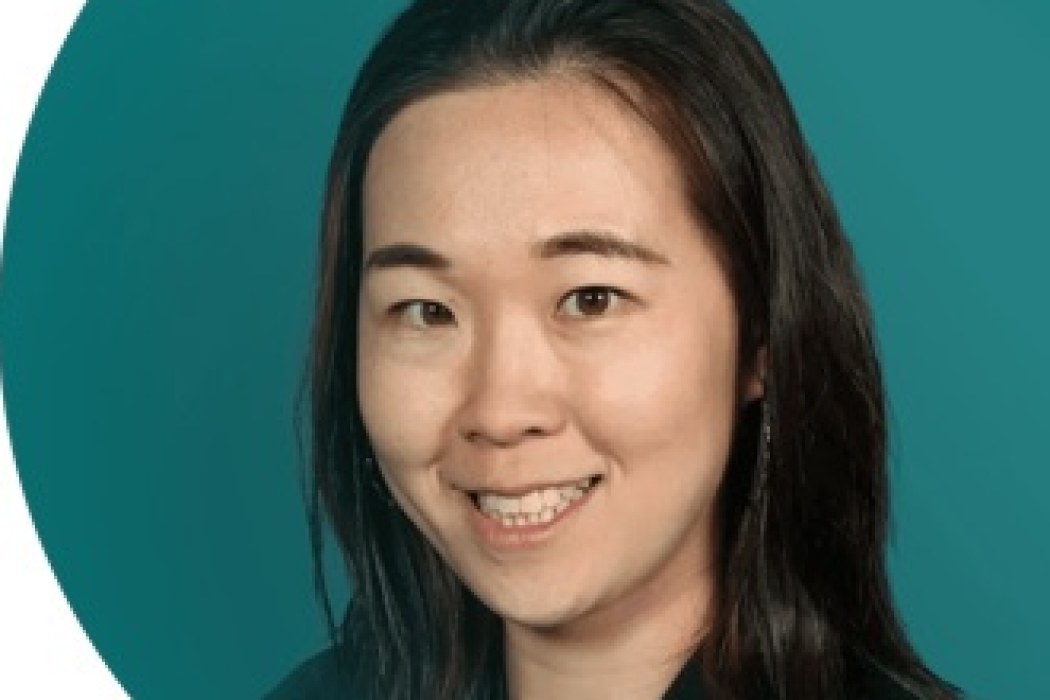
Will Cao
Will (Yangxiaolu) Cao is the co-founder and CEO of Pando Bioscience (YC W23), a Watertown, Massachusetts company using generative AI and ultra-high-throughput screening to engineer better enzymes for pharmaceutical manufacturing and life-science tools. A Ph.D. scientist who switched from mechanical engineering to engineering bacteria, she published first-author papers in Cell and Nature Biotechnology and was an early employee at Ginkgo Bioworks before starting Pando in 2022.
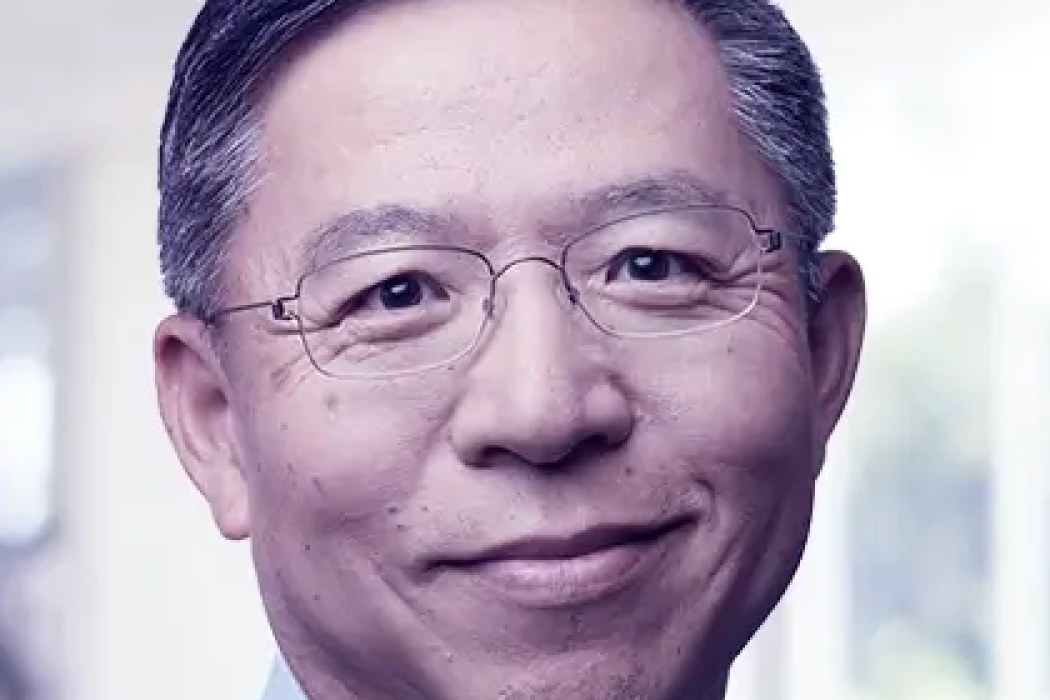
Tao Fu
Tao Fu is the founder, CEO, and president of Attovia Therapeutics, a San Carlos, California biotech developing next-generation biologics for immune-mediated diseases using its proprietary ATTOBODY platform. A biologist-turned-business-leader with more than 25 years across pharma, he built his career at McKinsey, Bristol Myers Squibb, Portola Pharmaceuticals, and Zai Lab before starting Attovia, which has raised roughly $255 million to date, including a $90 million Series C in April 2025.
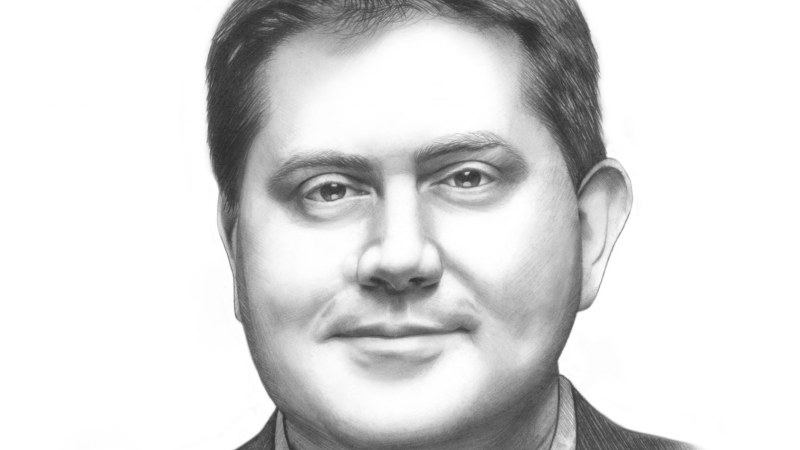
Luis Alvarez
Luis Alvarez is the founder and CEO of Theradaptive, a Frederick, Maryland biotech engineering proteins that latch onto implants and surgical materials to trigger the body to regrow bone, cartilage, and other tissue exactly where it is needed. A retired U.S. Army lieutenant colonel and MIT-trained biological engineer, he traced the idea back to a combat tour in Iraq, where soldiers under his command lost limbs to delayed amputations. Theradaptive has since won multiple FDA Breakthrough Device Designations, raised more than $43 million, and moved its lead protein, AMP2, into human clinical trials.
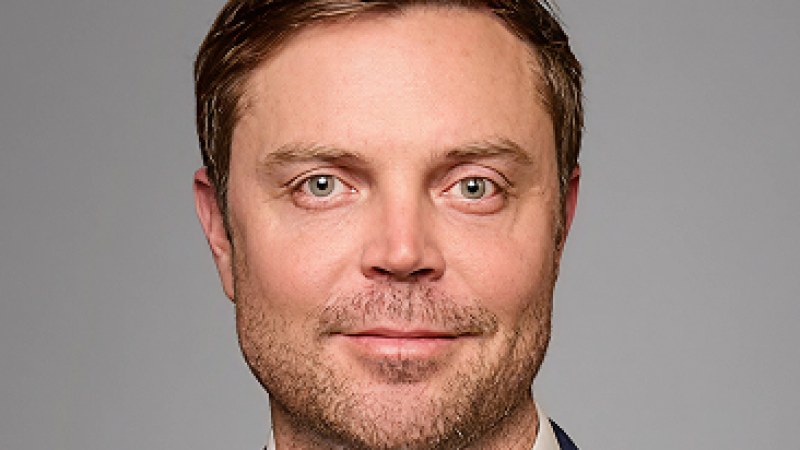
Nathan Ratledge
Nathan Ratledge is the co-founder and CEO of Alta Resource Technologies, a Boulder, Colorado startup using computationally designed proteins to pull rare earth elements out of low-grade ores, mine tailings, and electronic waste. A Stanford-trained economist and environmental scientist who once ran a poverty-and-electrification research agenda across East Africa, he pivoted from policy and academia to deep tech, betting that biology - not brute-force chemistry - is the way to break China's grip on the critical-mineral supply chain. Alta has raised about $10 million in seed funding from DCVC, Voyager Ventures, Orion Industrial Ventures and In-Q-Tel (the CIA's venture arm), and advanced to the final phase of DARPA's EMBER program alongside Lawrence Livermore National Laboratory.
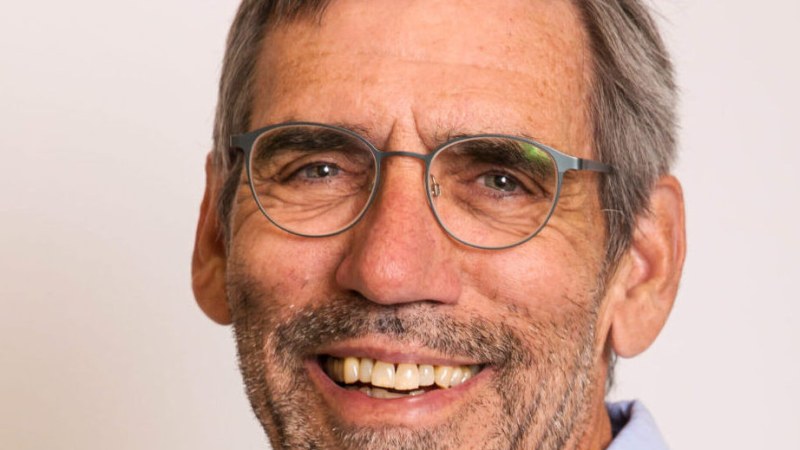
John Mulligan
John Mulligan is the founder and CEO of Bonum Therapeutics, a Seattle biotech building antibody-regulated biologics that switch on only at their target. A serial entrepreneur with roughly 30 years across drug discovery and company formation, he has founded four companies in fields he often entered as a novice - including Good Therapeutics, whose PD-1-regulated IL-2 program Roche acquired in 2022 for $250M upfront. Bonum spun out of that deal with $93M in Series A funding to apply the same conditional-activation science across oncology, autoimmunity, metabolic disease, and pain. Mulligan holds a BS in biology from MIT and a PhD from Stanford, and was named a Top Industry Leader by the PharmaVoice 100 in 2023.
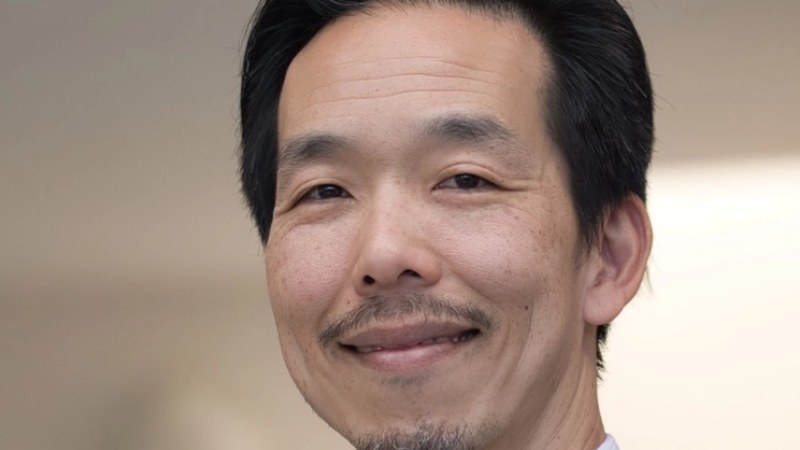
Richard Yu
Richard Yu is the Co-founder and CEO of Abalone Bio, an Emeryville, California-based biotechnology company pioneering AI-guided antibody drug discovery for notoriously hard-to-drug targets. With a PhD in Molecular Biophysics from Yale and a background spanning structural biology, systems biology, and biotech entrepreneurship, Richard built Abalone Bio's FAST platform - a high-throughput yeast cell screening system capable of evaluating 100 million antibody variants simultaneously. The company has secured partnerships with Pfizer and Mount Sinai, generated $7M in non-dilutive NIH grants, and published the world's first CB2 antibody agonist data, while positioning AI and large-scale functional datasets at the core of next-generation antibody therapeutics.
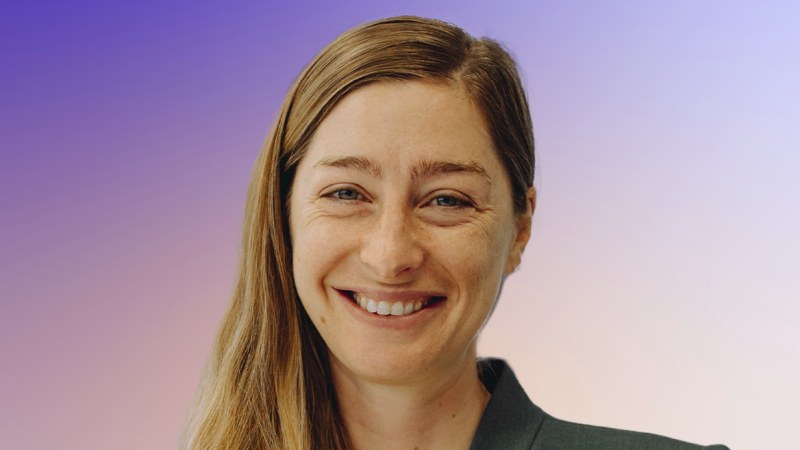
Peyton Greenside
Peyton Greenside is the CEO and co-founder of BigHat Biosciences, a San Mateo-based biotech company she co-founded in 2019 with Mark DePristo. A pioneer of deep learning applied to life science, Greenside combined a PhD in Biomedical Informatics from Stanford, an MPhil from Cambridge, and a BA in Applied Math from Harvard into a singular mission: use machine learning and synthetic biology to design safer, more effective antibody therapeutics faster than anyone thought possible. BigHat's Milliner platform generates thousands of unique antibody designs per week, and the company has raised $174M in total funding with pharma partnerships spanning Amgen, Merck, AbbVie, Johnson & Johnson, and Eli Lilly.
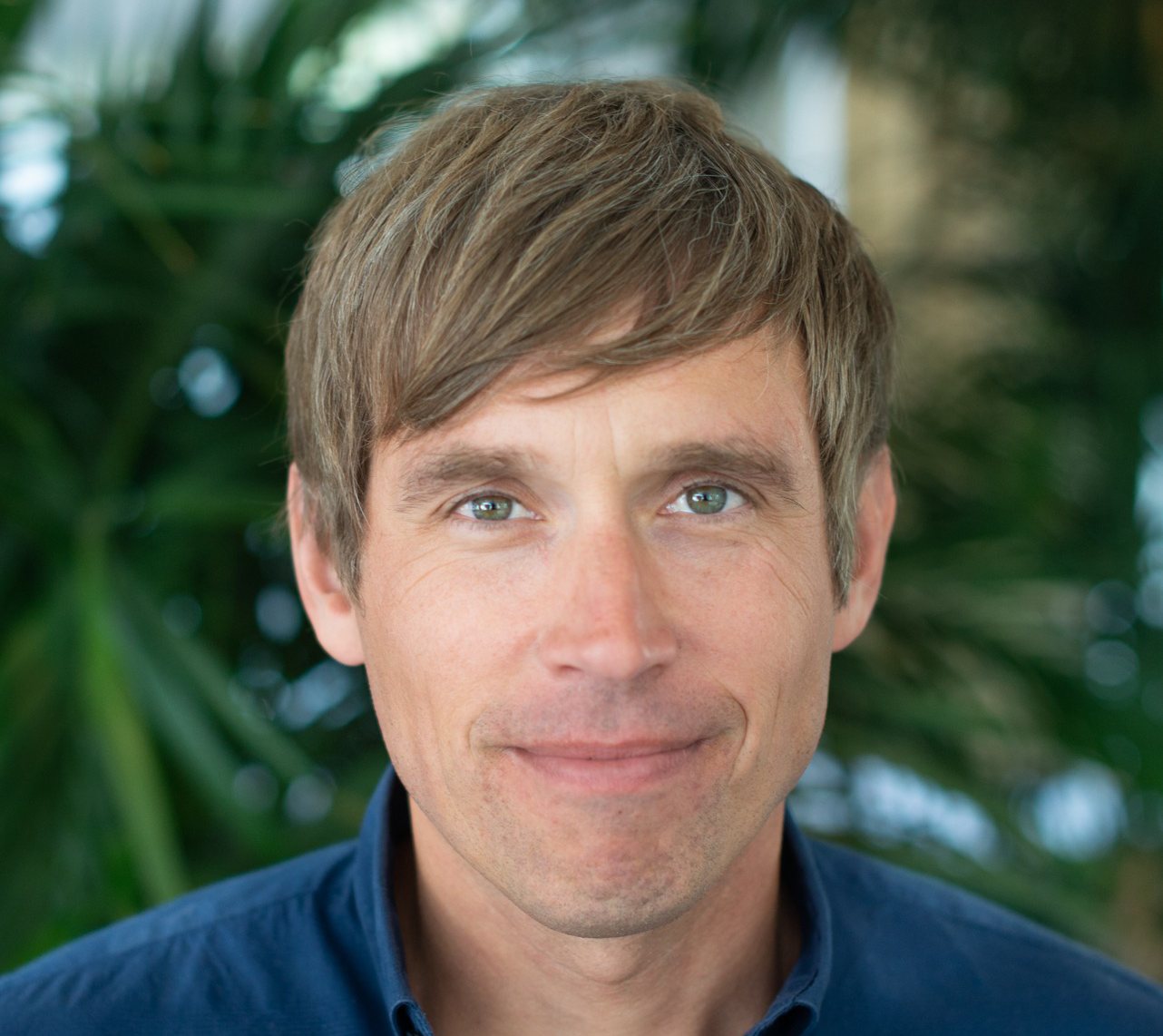
Tero-Pekka Alastalo
Tero-Pekka Alastalo is a Finnish-born physician-scientist turned serial entrepreneur who trained as a pediatric cardiologist, completed his postdoctoral work at Stanford University School of Medicine, and has spent the last 15 years building life science companies in Silicon Valley. He co-founded Blueprint Genetics in 2012 - a clinical genetic testing company later acquired by Quest Diagnostics in 2020 - before launching Avenue Biosciences in 2023, a transatlantic AI-powered protein engineering company that uses signal peptide libraries and machine learning to unlock the secretory pathway and dramatically boost therapeutic protein yields. Based in Menlo Park, California, Alastalo is turning a fundamental cellular mechanism overlooked by the industry into a platform that could accelerate every class of next-generation biologic.