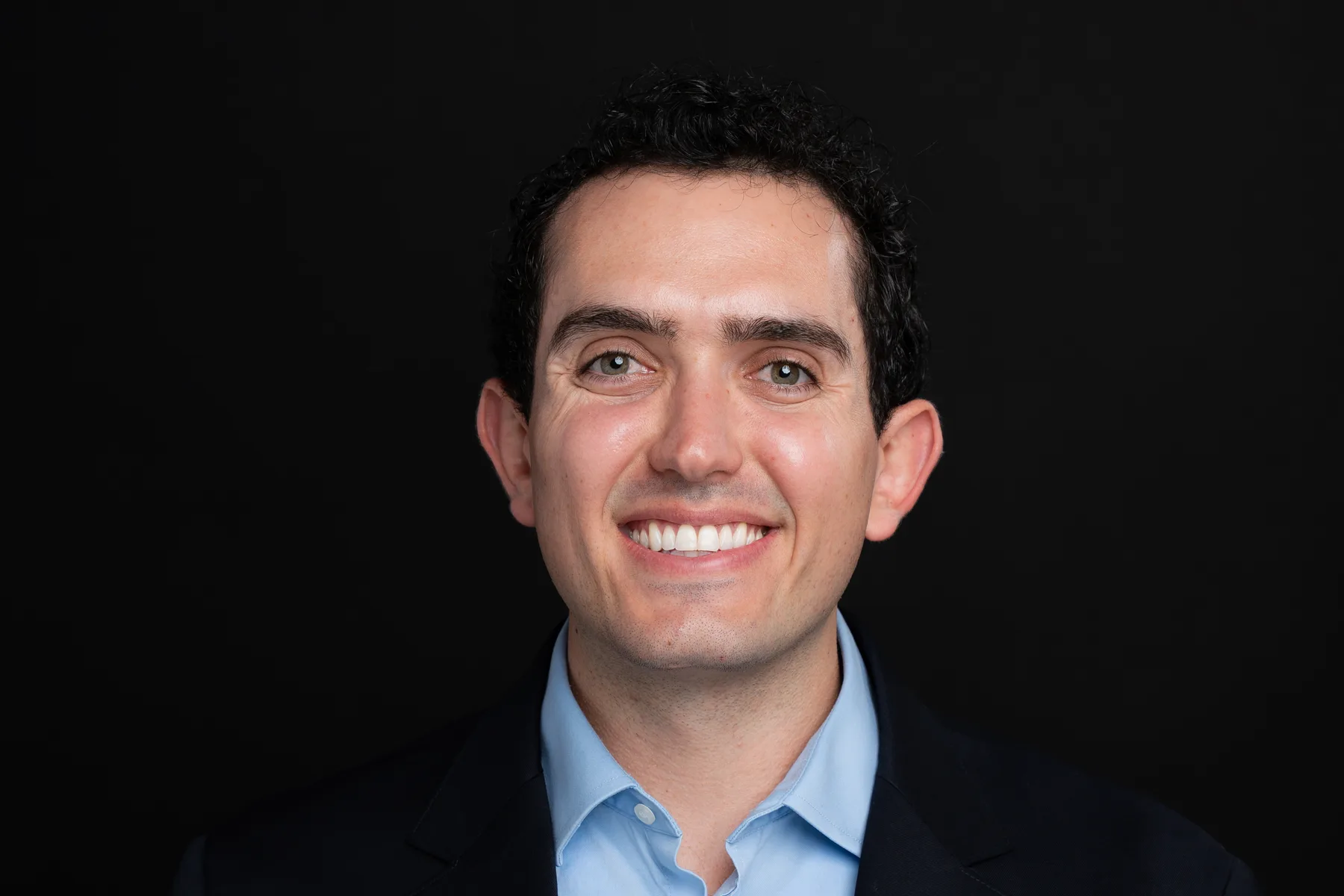
Most biotech founders build from scratch. Russell Beckerman built from within - and then, when that worked, stepped out to do it again. His career is a study in leverage: find a platform, extract maximum creative use from it, then replicate the model somewhere new.
At Alloy Therapeutics, the Cambridge biotechnology infrastructure company he joined as a young strategist, Beckerman didn't just work in the ecosystem - he helped design a mechanism for multiplying it. The result was 82VS, a venture studio embedded inside Alloy that turned the company's antibody discovery platforms into a factory for new drug startups. Nine companies in four years. That is not a typical career arc for someone who graduated from Dartmouth in 2019.
The 82VS model is worth understanding on its own terms, because it is genuinely different from how biotechs usually form. Most drug startups need to either license platform technology from universities (slow, expensive, and IP-entangled) or build their own capabilities from zero (very expensive, very slow). 82VS gave founders a third option: build a focused, asset-centric company using Alloy's existing infrastructure - the transgenic mouse platforms, the bispecific antibody tools, the TCR discovery engines - without recreating the wheel. Beckerman and his team architected the terms, the governance, the co-creation process. Each company was designed to be capital-efficient by default.
"Excited to share that over the next two years..." - from a LinkedIn post announcing multi-year company milestones
Russell Beckerman, LinkedInBy the time Alloy Therapeutics announced its $40 million Series E in April 2026 - valuing the company at $1 billion and bringing total funding to $222 million - the platform Beckerman helped build had supported more than 100 licensed therapeutic programs and had 22 programs in active clinical development. The Series E investors included Founders Fund, Thiel Capital, 8VC, and Mubadala Capital. That is not a typical biotech cap table. That is a bet on infrastructure.
Meanwhile, Beckerman had already stepped into his next act: Overture Therapeutics, which he co-founded in 2024 with backing from Mission BioCapital and Harvard Innovation Launch Lab. The focus is obesity - specifically, building antibody medicines that target the metabolic machinery driving fat accumulation, rather than suppressing appetite after the fact. The thesis: antibodies can achieve what GLP-1 peptides cannot, preserving lean muscle mass while reducing fat and working on a monthly dosing schedule instead of weekly injections.
Antibody-based obesity medicine is a crowded, high-stakes race. Beckerman's entry point is a specific claim about biology: that root metabolic drivers are better targets than the appetite-signaling pathways that GLP-1s work through, and that antibody therapeutics - which can be engineered for extreme precision and long half-lives - are the right molecular format for addressing them. Overture's pipeline is built around well-validated targets backed by either clinical data or compelling human genetics.