Tagged: monoclonal-antibodies
7 results
Neion Bio
Neion Bio is a New York biotech company that genetically engineers chicken eggs into factories for complex biologic drugs. Its Raptor platform aims to make monoclonal antibodies and other glycosylated proteins at a fraction of the capital cost and carbon footprint of conventional cell-culture bioreactors. Founded in 2024 and emerged from stealth in March 2026, the company raised an oversubscribed $23 million Series A in June 2026 and signed an early multi-product biosimilar deal with a major global pharmaceutical company.

Alentis Therapeutics
Alentis Therapeutics is a Swiss clinical-stage biotech built around a single, unusual biological target: Claudin-1 (CLDN1), a tight-junction protein that becomes exposed in both fibrotic tissue and solid tumors. Founded in 2019 on the discovery of physician-scientist Professor Thomas Baumert, the company develops first-in-class monoclonal antibodies and antibody-drug conjugates that bind exposed CLDN1 to reverse organ fibrosis and treat CLDN1-positive cancers. Headquartered in Allschwil near Basel with R&D roots in Strasbourg, Alentis has raised roughly $365 million across rounds, including a $181.4 million Series D in November 2024, and is running clinical trials for its lead antibody lixudebart (ALE.F02) and two ADCs, ALE.P02 and ALE.P03.

OncoC4, Inc.
OncoC4, Inc. is a Rockville, Maryland clinical-stage biopharmaceutical company building first-in-class and best-in-class antibody therapies for hard-to-treat cancers and Alzheimer's disease. Founded by immunologists Yang Liu and Pan Zheng, the company discovered the innate immune checkpoint CD24-Siglec-10 and is advancing a pipeline led by gotistobart (ONC-392), a next-generation anti-CTLA-4 antibody partnered with BioNTech, alongside SIGLEC10, PD-1/VEGF, and CD24-targeting programs.

Prellis Biologics
Prellis Biologics is a Berkeley, California biotech that 3D-prints human lymph node organoids to grow real human antibodies in a dish. Its EXIS platform uses holographic two-photon laser bioprinting plus AI to recreate the human immune response in vitro, discovering fully human antibody therapeutics faster and cheaper than animal-based methods, including against difficult targets like GPCRs where mouse models fail.

TORL BioTherapeutics LLC
TORL BioTherapeutics is a clinical-stage biopharmaceutical company in Culver City, California developing antibody-based cancer therapies, including antibody-drug conjugates (ADCs) and monoclonal antibodies. Built on discoveries from the UCLA laboratory of Dennis Slamon - the scientist behind Herceptin and Ibrance - TORL is advancing a pipeline against novel cancer targets such as Claudin 6, Claudin 18.2, CDH17, and DLK1. Its lead program, TORL-1-23 (ixotatug vedotin), a CLDN6-targeted ADC, is in pivotal trials for platinum-resistant ovarian cancer. The company has raised over $450 million across multiple rounds, including a $96 million Series C in October 2025.

Triveni Bio
Triveni Bio is a clinical-stage biotechnology company in Watertown, Massachusetts building first-in-class antibody therapeutics for immunological and inflammatory (I&I) diseases. Born from the 2023 merger of Amagma Therapeutics and Modify Therapeutics, the company pairs a genetics-informed approach with advanced antibody engineering to target root-cause biology rather than just downstream inflammation. Its lead program, TRIV-509, is a half-life-extended monoclonal antibody that inhibits active kallikreins 5 and 7 (KLK5/7) and is in a global Phase 2 proof-of-concept study for moderate-to-severe atopic dermatitis. Backed by roughly $223M across Series A and Series B rounds, Triveni aims to repair the skin barrier and break what it calls efficacy ceilings in dermatology and beyond.
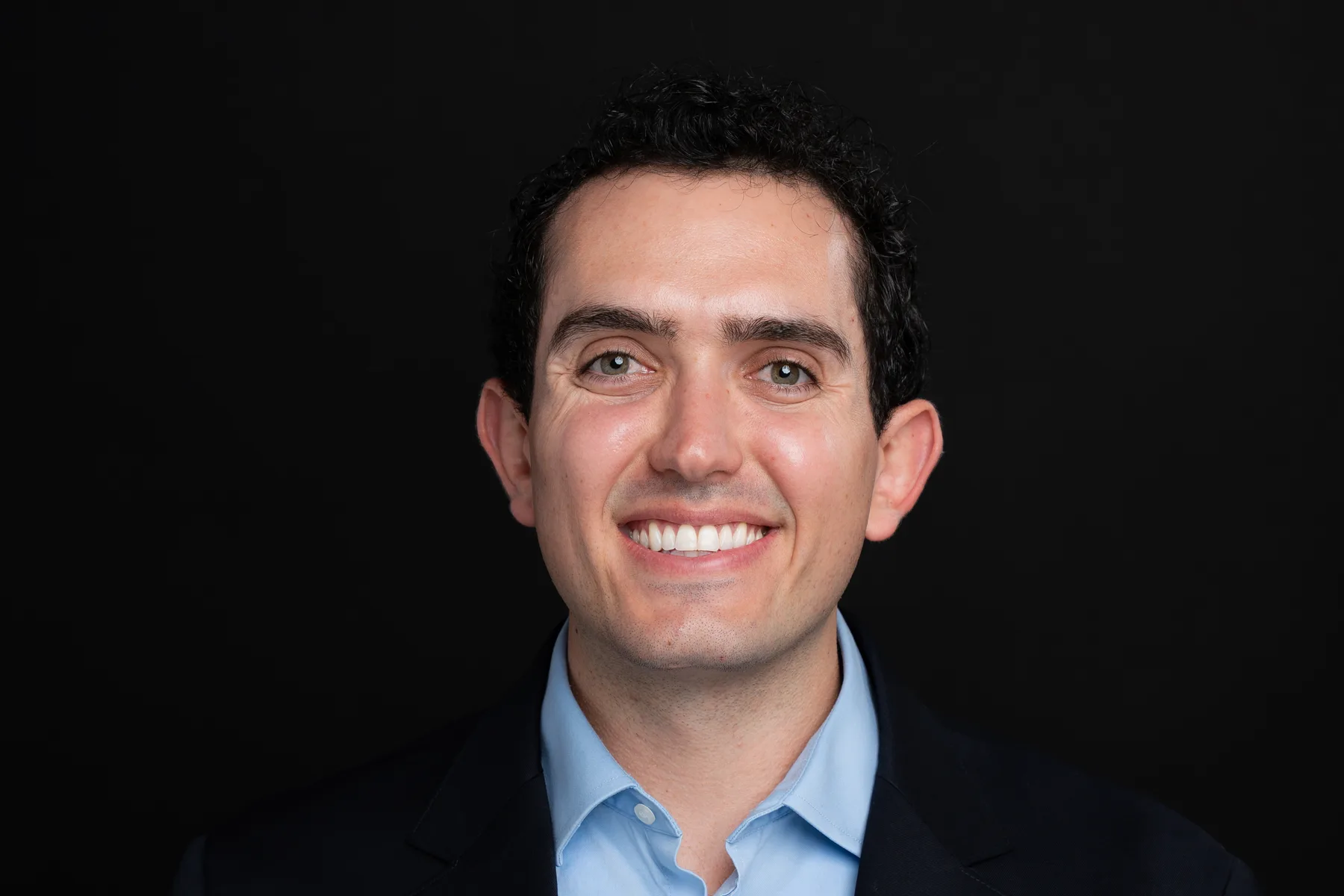
Russell Beckerman
Russell Beckerman is a biotech entrepreneur and Co-Founder & CEO of Overture Therapeutics, a Cambridge-based company engineering precision antibody medicines targeting obesity and metabolic dysfunction. He previously co-founded 82VS, a venture studio embedded within Alloy Therapeutics that has launched nine drug companies since 2020. His work sits at the intersection of cutting-edge antibody biology, company creation, and the conviction that the next generation of obesity drugs will be antibodies - not peptides.