venture-studio
(102)
Lorne Brown and the trouble with a simple sale
Lorne Brown brought the habits of financial trading to the business of advertising. His long-running wager: making a sale easier means understanding everything that makes it difficult.
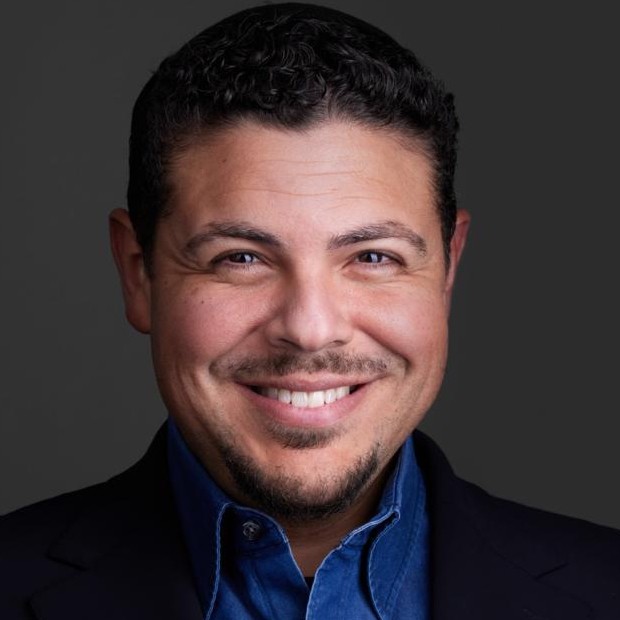
Clark Valberg and the art of the unfinished idea
Before InVision reached millions of users, Clark Valberg wanted a better conversation with his clients. His career keeps returning to the same question: how do you give an idea room to change?
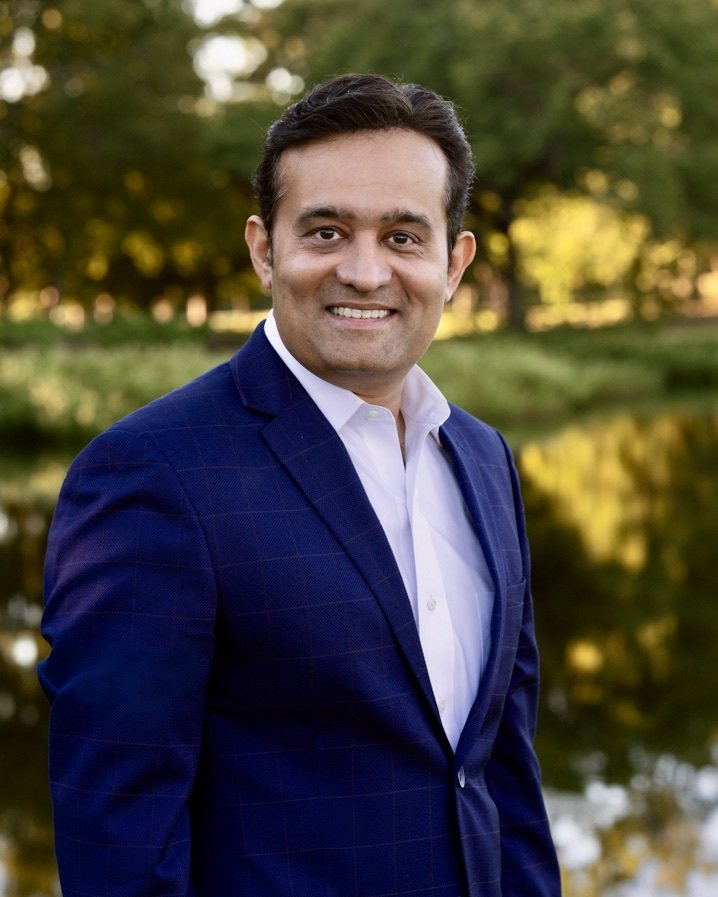
Ripal Vyas and the space between the machines
He built Softweb Solutions into a software business that Avnet wanted beside its hardware. His next chapter brings the same question to AI: how does a promising technology become something people can use?
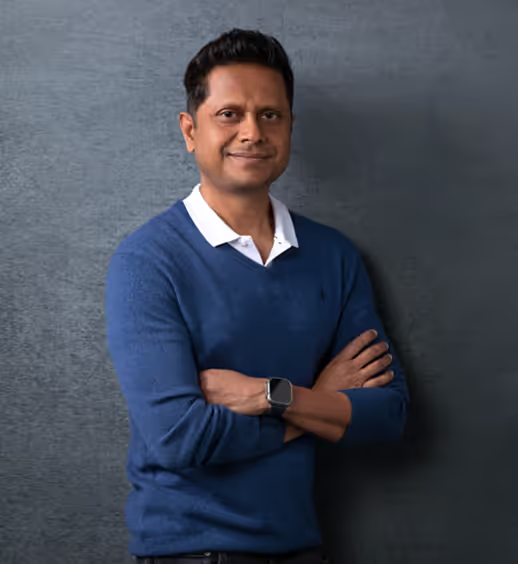
Mukesh Bansal and the art of starting over
Myntra began with names printed on T-shirts. Mukesh Bansal’s career took shape when he learned to change the plan - and, eventually, to enjoy being a beginner again.
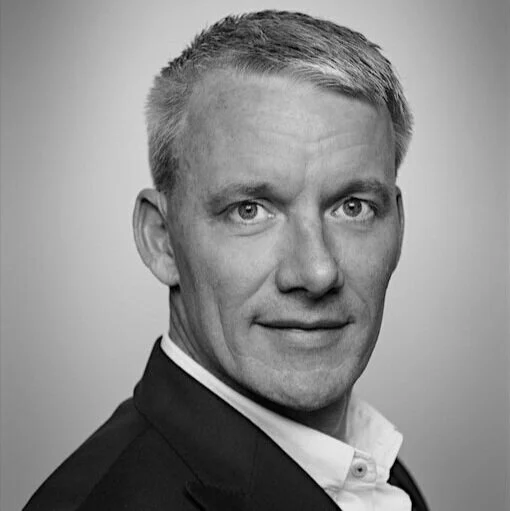
Danny Cunagin and the business of beginning again
From product development to connected machines, Danny Cunagin has kept returning to the work of building companies. At Invenshure, the Minneapolis co-founder has a plainspoken explanation: “the journey is the juice.”

Rex turns property problems into products
A vacant apartment. A missed call. An unpaid invoice. Rex builds software around the everyday friction of running real estate - and tests it on its own properties first.
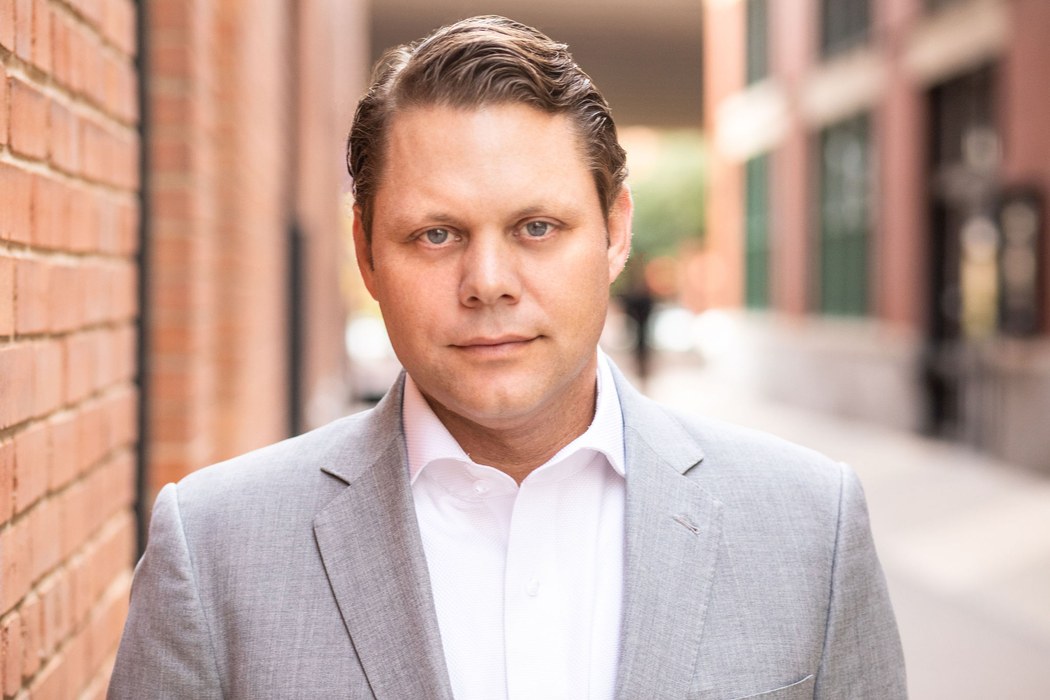
Trey Bowles and the business of showing up
He helped give Dallas entrepreneurs a place to gather. Now The DEC Network’s co-founder is testing how much further a founder can go with someone else at the table.

Jack Jay and the surprisingly ordinary shape of the future
Jackson Jesionowski built Persist around people waiting for a chance to build. At Open Droids, he is taking that same argument into the physical world, one wheeled robot at a time.
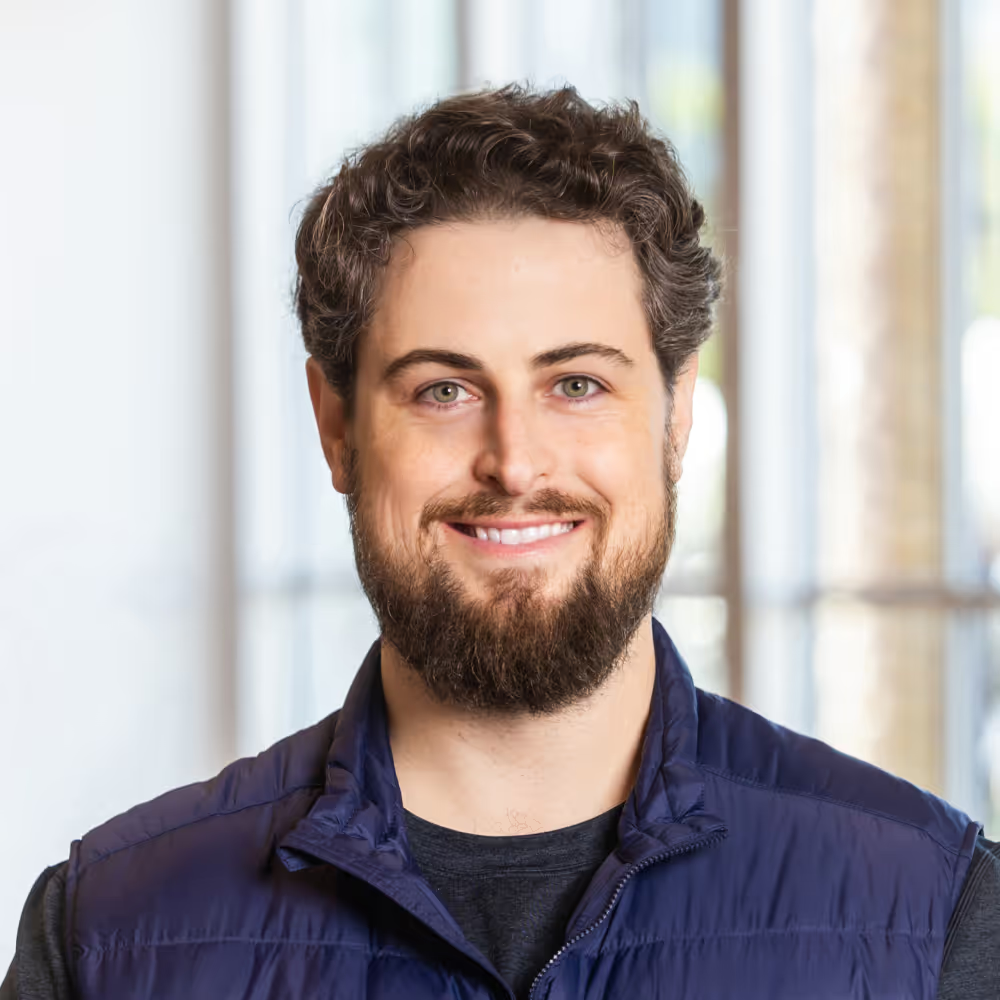
Grant Verstandig and the Uses of a Hidden Map
He collects the tools of yesterday’s intelligence operatives. At Red Cell Partners, Grant Verstandig is building companies for today’s security problems - and testing a different way to get Washington to buy their work.
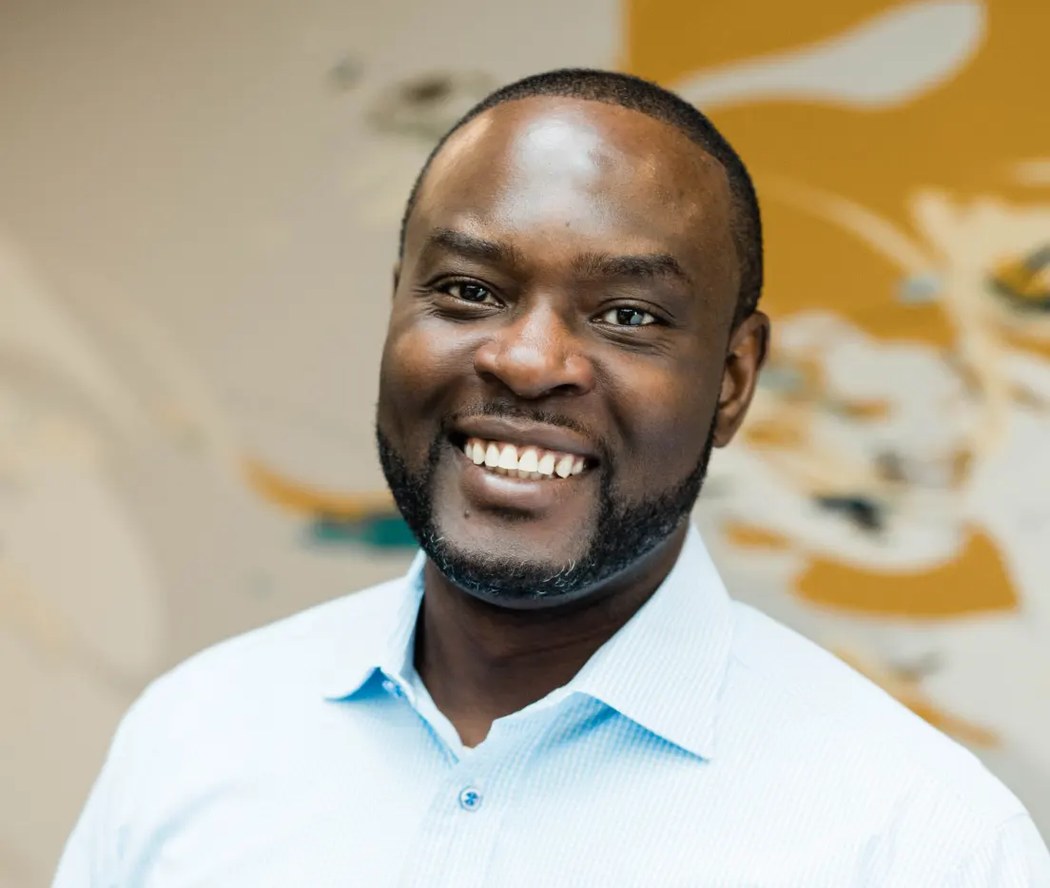
Shegun Otulana and the value of a second chance
A friend once paid his tuition. A software company later changed his fortunes. In Birmingham, Shegun Otulana is putting both experiences to work for the people coming next.
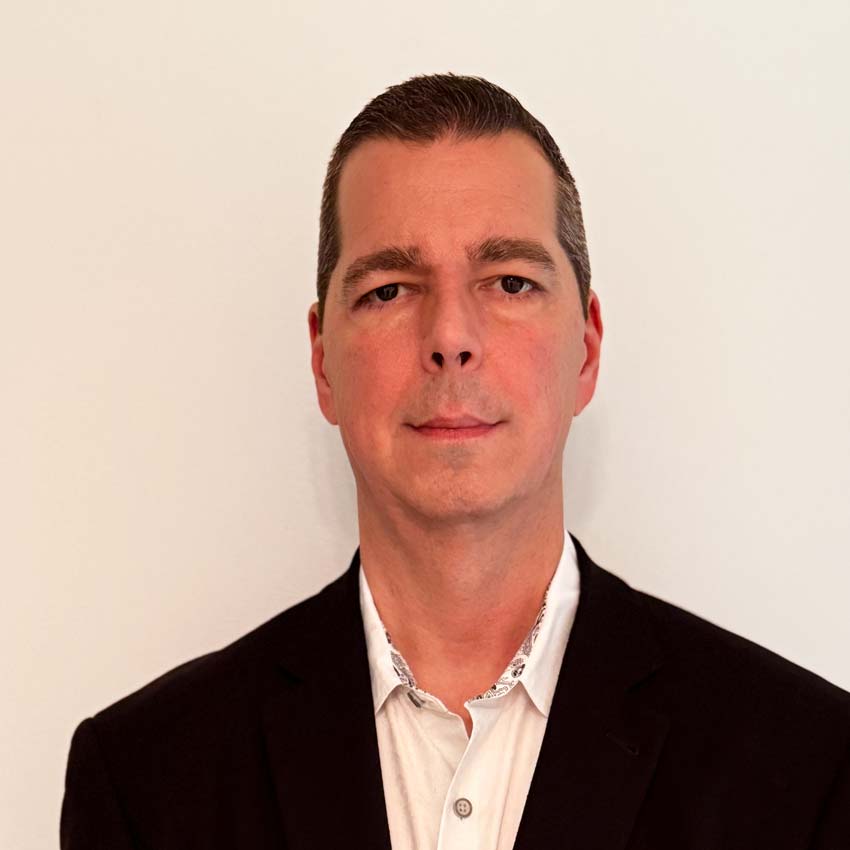
Travis Priest Took “Nonessential” Personally
A government shutdown helped push Travis Priest from NASA contracting into entrepreneurship. Three decades later, he is building a Sarasota venture studio designed to give other founders a running start.
Grant Morgan and the art of getting out of the way
He helped turn a hardware idea into R-Zero’s first shipped product in five months. Now Grant Morgan is building companies again, with a growing appreciation for what a founder should stop doing.

Matt Milford and the education that kept going
He left Berkeley to build Foresight with a classmate. Years later, at Arche and Evio, Matt Milford is working on a question that followed him out of college: how do you choose the people who can build a company?
Volker Berl started with atoms. Then came companies.
Before founding New Age Ventures, Volker Berl helped turn chemistry into a board game. His route from Strasbourg laboratories to New York investing still runs through the practical business of putting things together.
Jack Abraham and the business of starting over
After selling Milo to eBay at 24, Jack Abraham kept returning to the beginning. At Atomic, he has made the messy first steps of building a company into a business of their own.
Shahid Azim and the company that began as a class
Before C10 Labs, Shahid Azim built companies, advised researchers, and taught founders at MIT. Now he is turning those relationships into a venture studio, with Cambridge roots and a growing New York presence.
Ali Sina and the business of getting started
From finance to AI ventures, Ali Sina has kept returning to the same problem: how an idea becomes something people can actually use. At STEALTH and Forkaia, that question extends to the people doing the work.
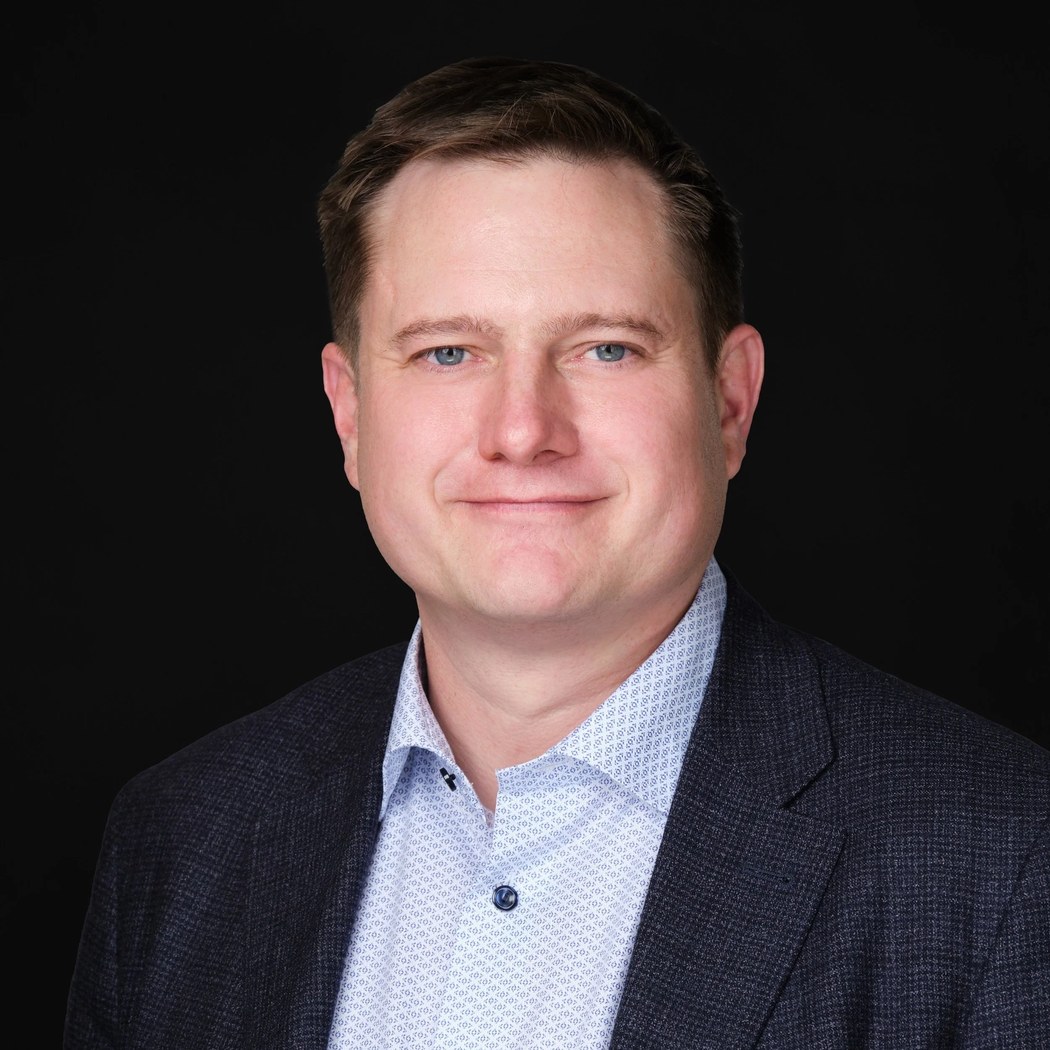
Kevin Krausert and the education of an energy insider
He worked his way from a northern Alberta drilling rig to the chief executive’s office. With Avatar Innovations, Kevin Krausert is giving energy workers a route from industrial know-how to companies of their own.
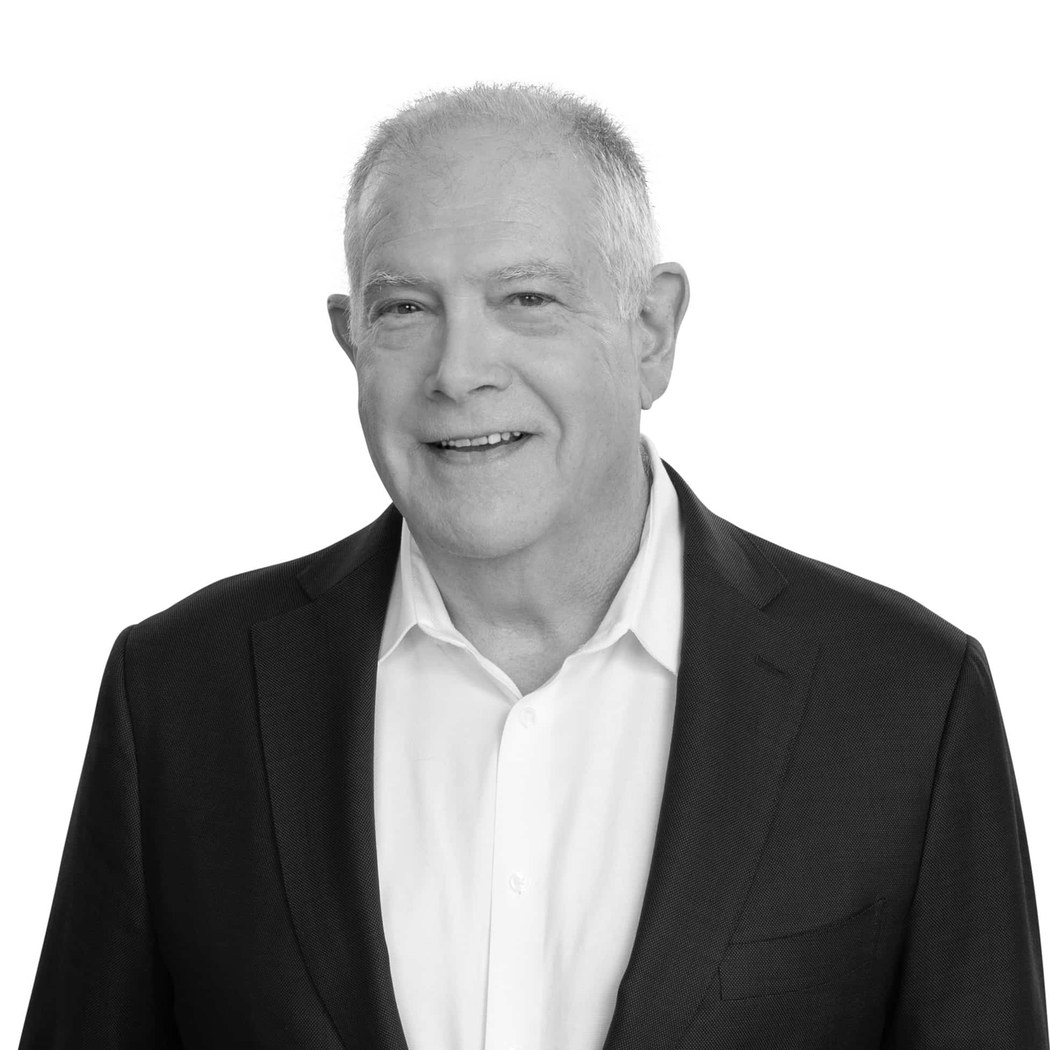
Larry Cohen and the business of beginning again
Before he ran a venture studio, Larry Cohen spent years turning research into companies. His career offers a close look at the money, people, and patient repetition that an idea needs before it becomes a business.
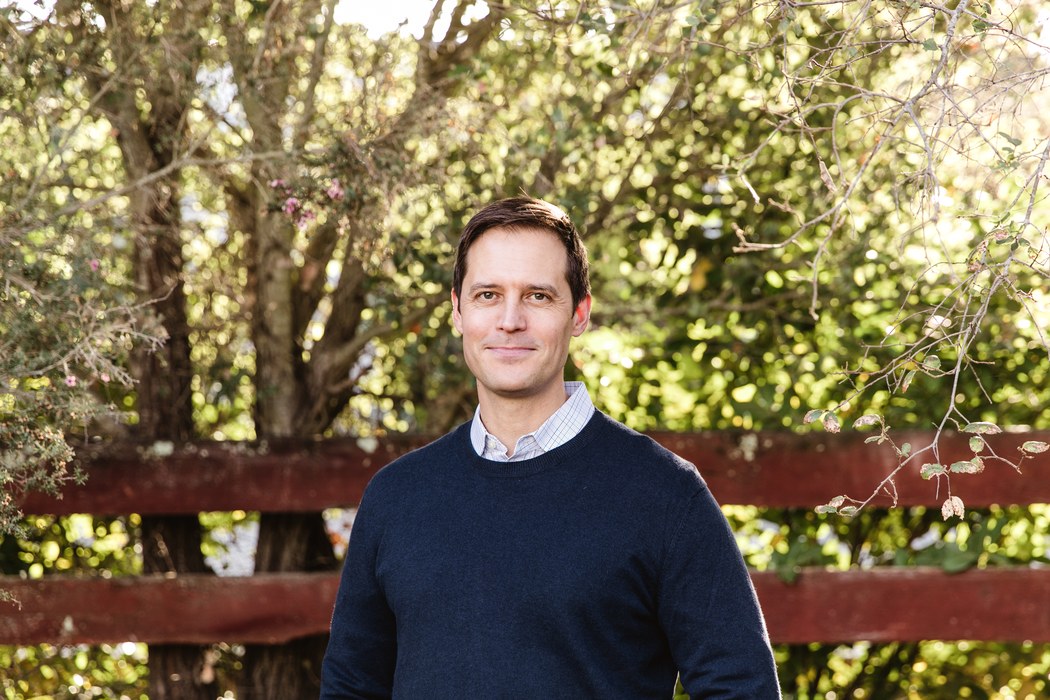
Miles Lasater and the art of starting again
He helped take a college startup public. At Purpose Built, Miles Lasater is working on an earlier question: how do you give a promising founder a fair chance to begin?

Steven Price and the business of looking closer
Before he built a venture studio, Steven Price bet on the places other investors were passing by. His route from rural cellular networks to local radio explains the practical instincts behind 25madison.
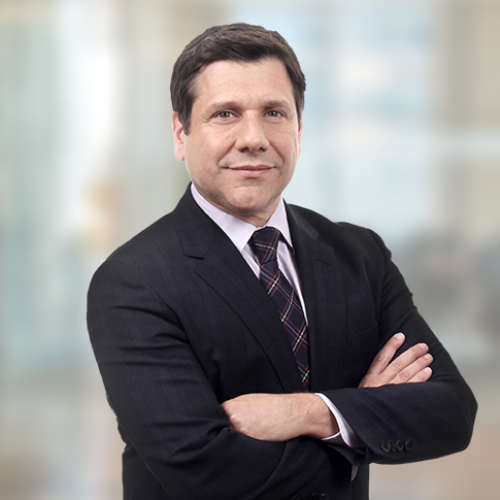
Eric Hatzimemos and the work between the big moments
From Brooklyn courtrooms to New York City Hall, Eric Hatzimemos built a career around institutions under pressure. At H/L Ventures, he and Oliver Libby turned sustained, hands-on support into a way of building companies.
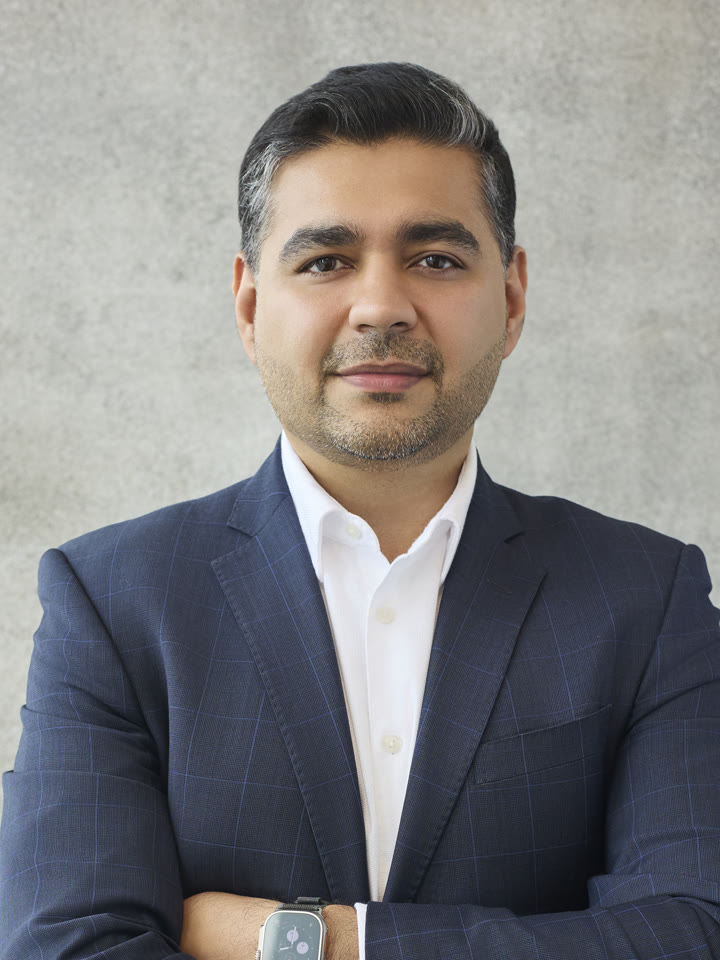
Pankaj Jethwani and the company before the company
Before the founder arrives, Pankaj Jethwani wants the questions on the table. His route from an Indian social enterprise to a Boston-based investment career explains why he spends so much time on the work before a launch.
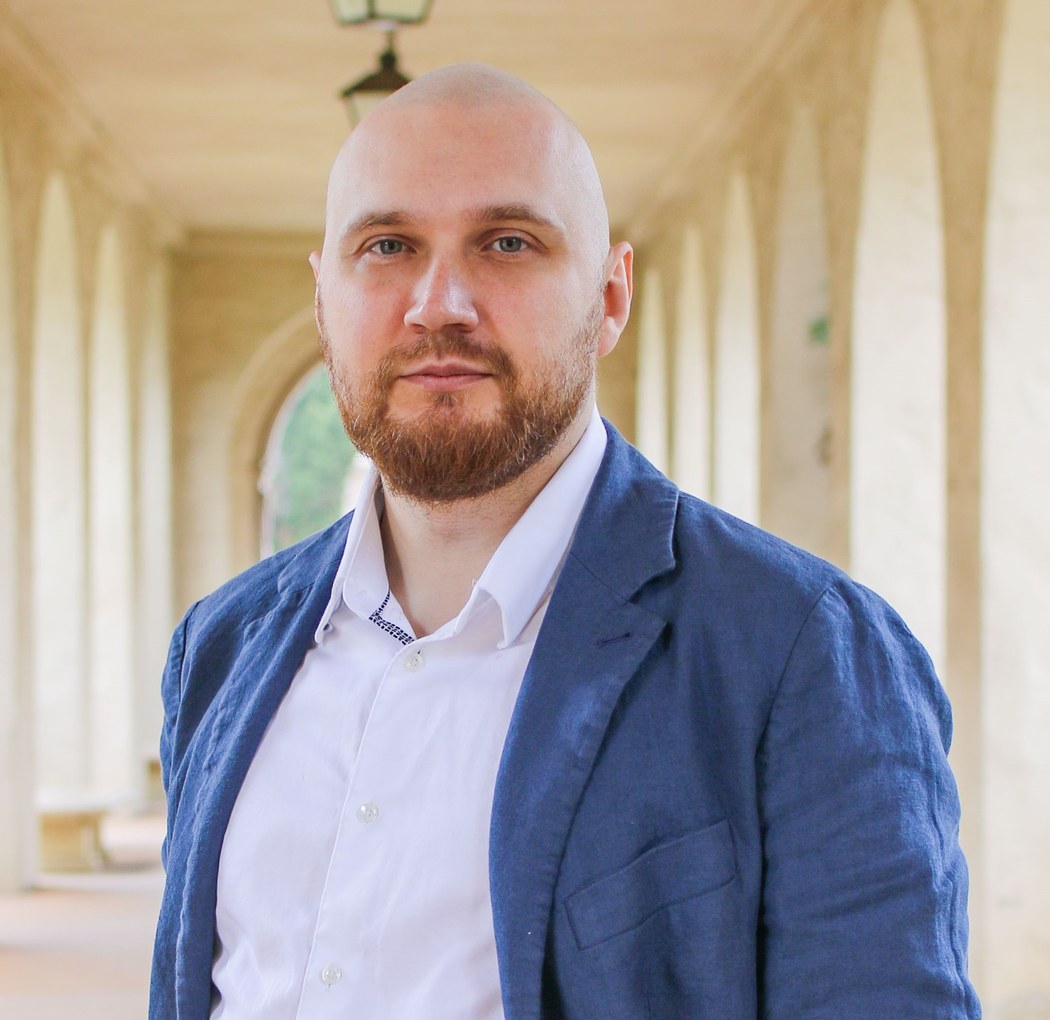
Stanislav Synko and the work before the code
He started making websites at 12, built a software business, and wrote a guide for founders who do not code. Now Stanislav Synko is testing what happens when the instructions become the thing worth keeping.
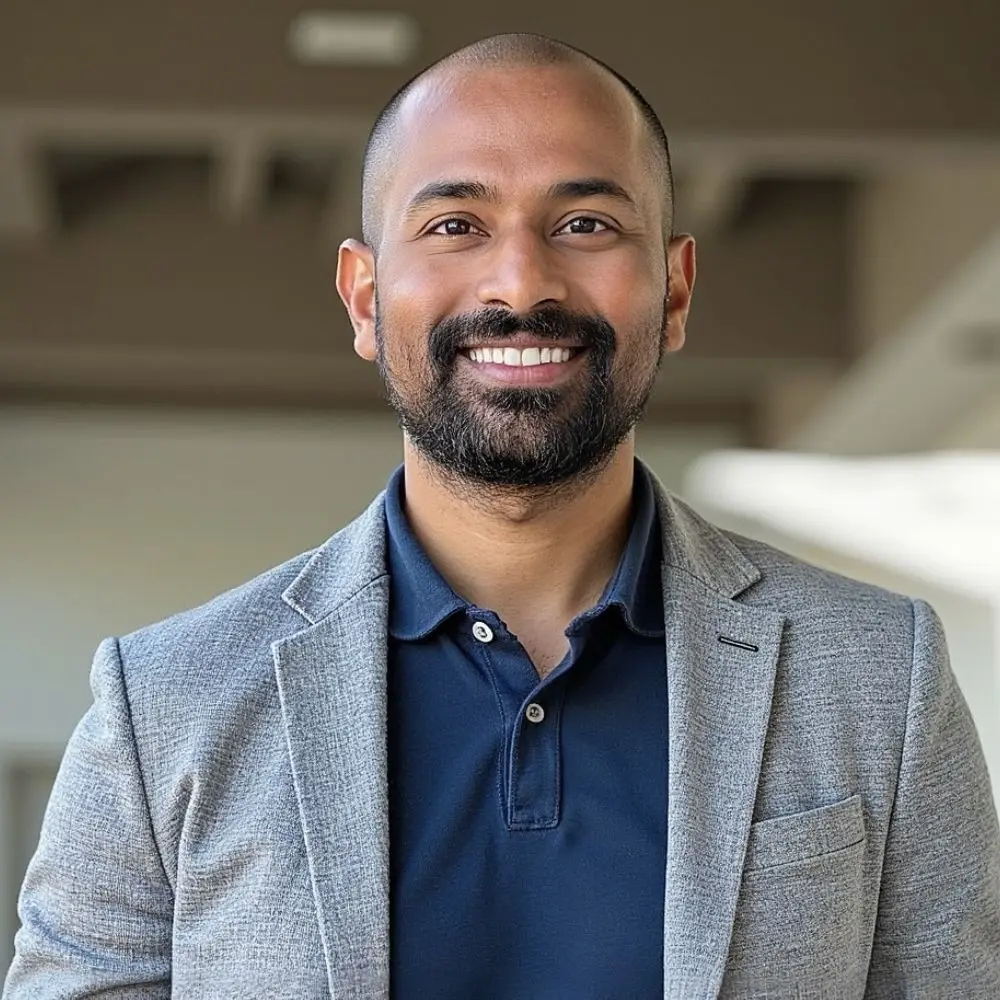
Vish Dumpeti and the people he kept in mind
Across Spotify, WeWork, CLEAR and Justworks, Vish Dumpeti kept a mental list of people who could solve particular problems. At ForwardShare, he is turning that habit into a way to build companies.
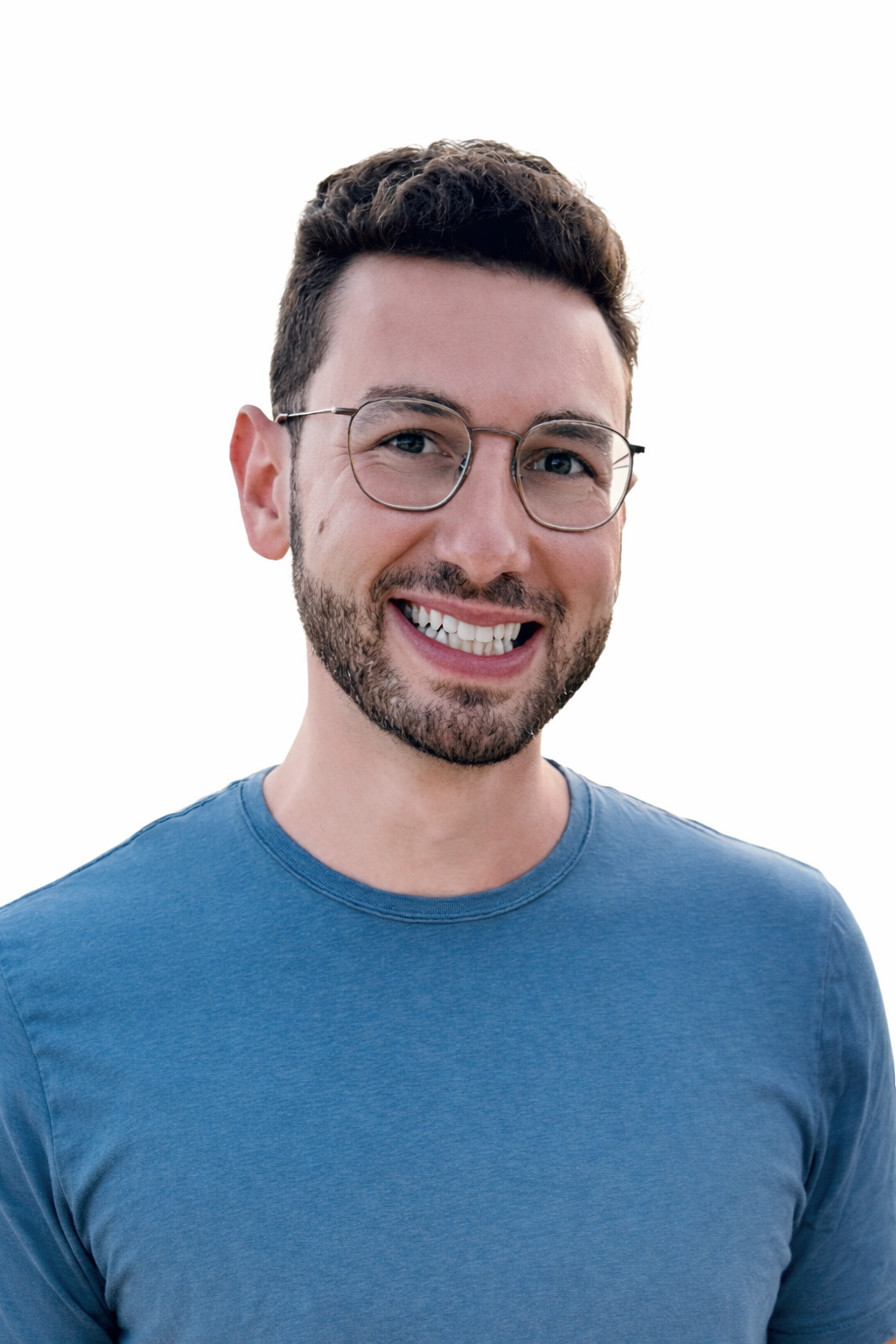
Ben Kestenbaum and the business of a better conversation
A college conversation helped start WOLF Financial. At 228, Ben Kestenbaum is working on a broader proposition: bring people, capital, and the work of building a company closer together.
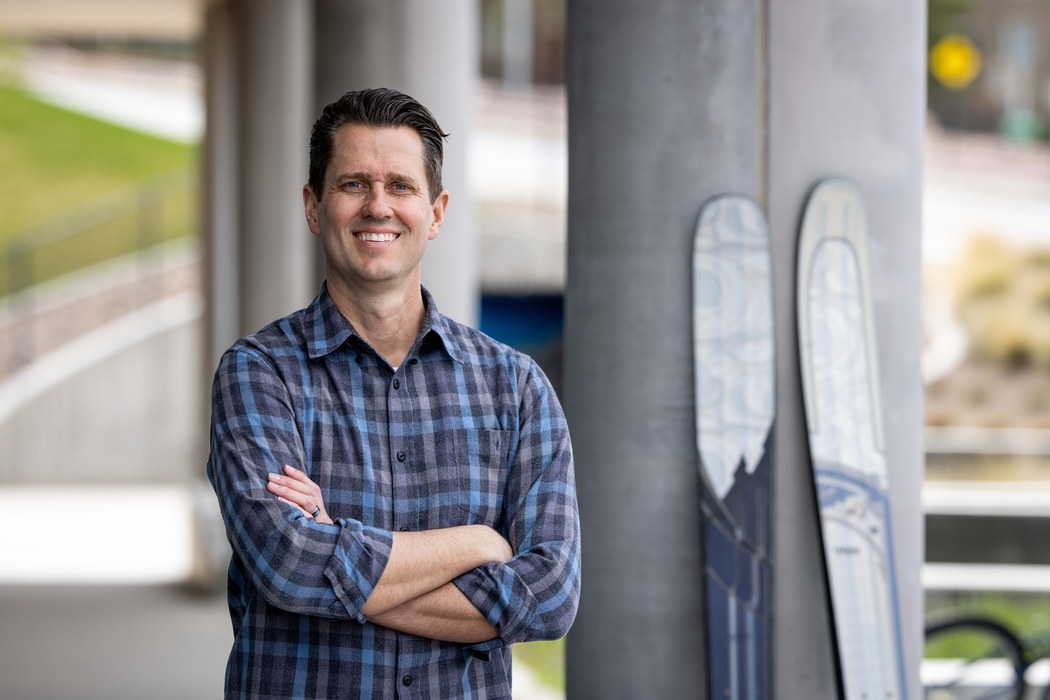
Tanner Bell and the business of showing up together
He helped turn a college relay race into Ragnar, then took his appetite for shared adventure into snow sports. At Philo Ventures, Tanner Bell is testing new business ideas while helping chart a future for the company where it began.
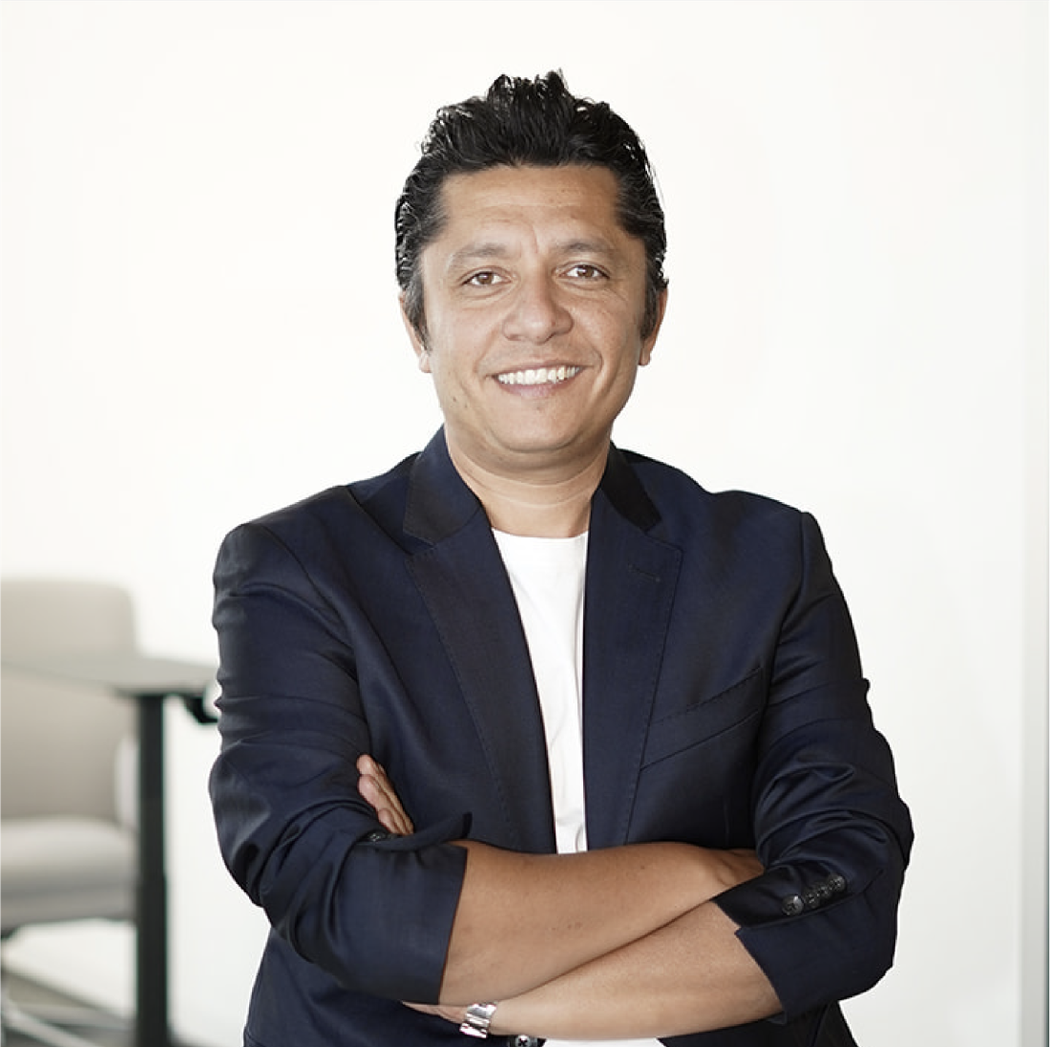
Amir Barsoum and the business of starting again
After building Vezeeta, Amir Barsoum came to California with a different ambition: build several companies, and give each a less lonely beginning. At InVitro Capital, he puts his faith in customers, shared resources, and the discipline of an operator.
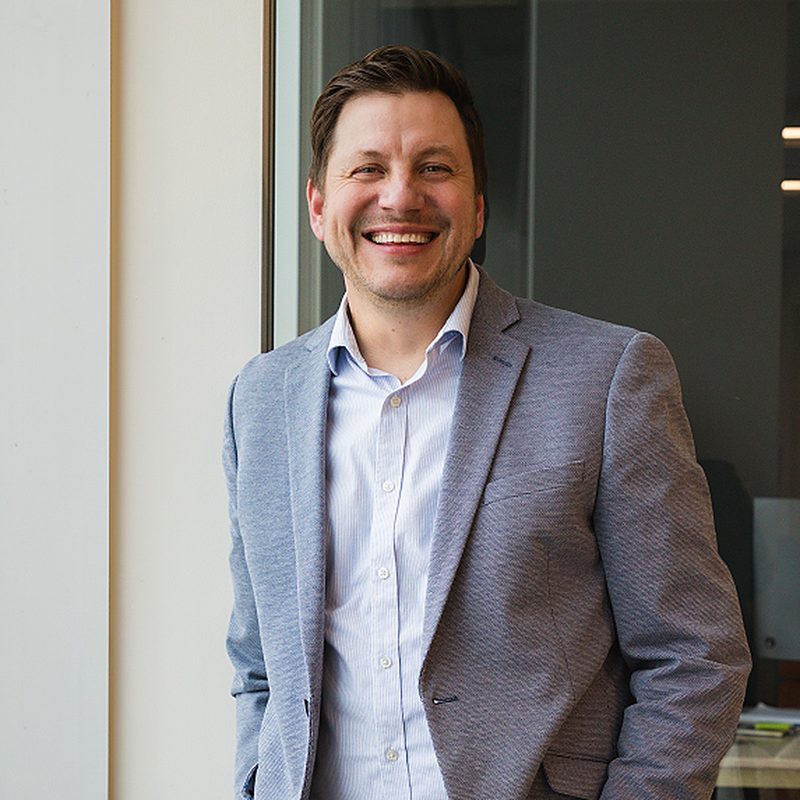
Chad Staheli and the work before the breakthrough
The Philo Ventures co-founder has built a career around the earliest, messiest stages of a business. His wager is that capital works better when it arrives with people who know what to do next.
Cliel Schachter and the value of going first
Before leading teams, Cliel Schachter has a habit of becoming a customer. From a catering shift in San Francisco to a venture studio in Toronto, his career follows the questions that only using a product can answer.