public-sector
(109)
Clovity fixes the work between the tools
A Jira ticket is easy to move. The permissions, habits, and tangled workflows around it are another matter. Clovity has built a business in those details.

MST Solutions makes the handoffs work
A workers’ compensation claim. A contractor’s license. A Medicare enrollment. MST Solutions built a Salesforce business around the awkward spaces where one system hands work to another.

CRMIT Solutions and the unfinished CRM
Buying a CRM is easy. Making it useful is the harder business CRMIT Solutions has spent two decades pursuing - and the problem behind its move into AI agents.

Cloud for Good makes the mission connect.
A donor is more than a donation. Cloud for Good builds the Salesforce systems that help nonprofits, universities, and public institutions see the whole relationship.

Noblesoft Solutions makes the old systems work
A canceled purchase request. A slowing database. A sales portal nobody enjoys updating. Noblesoft Solutions has built a business around the small failures that make large organizations stumble.

BuzzClan makes the handoffs work
A city request lost in an inbox. A college website that hides the essentials. BuzzClan has built a business around the awkward spaces between people, software and getting things done.

Reingold makes the next move easier.
A survey interrupted. A city website simplified. A basketball career reimagined. Reingold works on the awkward gap between getting a message and doing something with it.

Springbrook makes the water bill add up.
A water bill is the visible part of a much bigger machine. Springbrook connects the accounting, payroll and payments that keep local government moving - and its customer stories show why those connections matter.
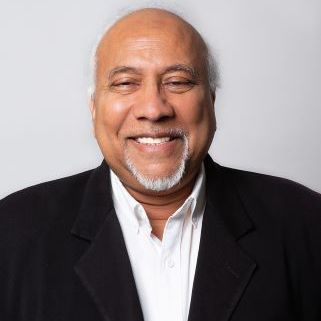
Shyam Salona and the Case for Staying Small
He started REI Systems in a townhouse basement with Veer Bhartiya in 1989. Decades later, Shyam Salona is still working on the same question: how do you grow a company without losing the small teams that made it worth building?

Damir Davidovic and the four-year wait for ten customers
Before NEOGOV reached thousands of public institutions, Damir Davidovic spent years earning their trust. His route from Croatia to California eventually led back to Split, this time with software jobs to fill.
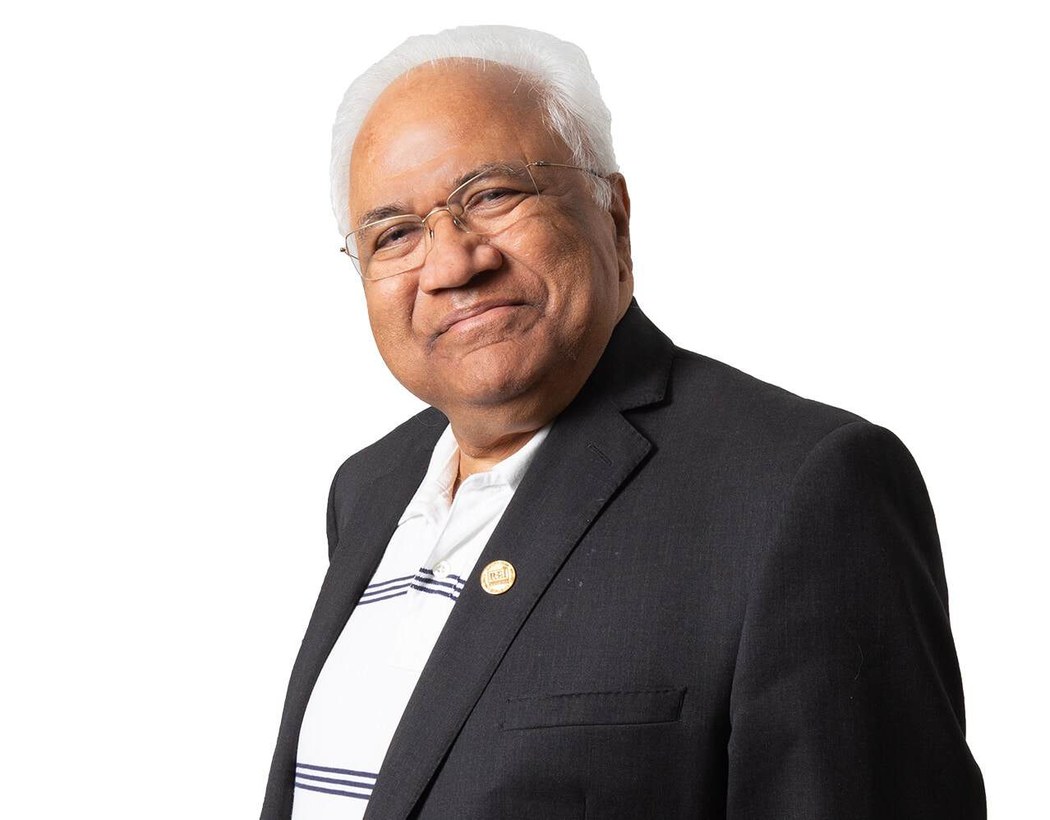
Veer Bhartiya knew when to say no
A contract could have tripled his young company. He and his co-founder passed. The decision helps explain how an engineer from India built a working life around keeping promises.

Infinite Computing makes the handoff work
Software is only useful when somebody can use it, maintain it, and keep it staffed. Infinite Computing Systems has built a business around all three.

SunGard Higher Education and Public Sector: The business of keeping things running
A course registration. A payroll run. A water bill. SunGard built a business around the transactions institutions cannot skip - then its campus and government operations went their separate ways.
CGS Federal makes the paperwork work
Behind every government data problem is somebody who has to use the answer. CGS Federal builds its business around both halves of that equation.

SGS Technologie makes the paperwork move
A $396,840 county website contract reveals the business behind SGS Technologie: turning the slow, awkward machinery of organizations into software people can actually use.

Maximus and the art of getting through
A government promise still needs someone to answer the phone. Maximus built a $5.43 billion business around that inconvenient little detail.

AECOM and the price of certainty
Cities hire AECOM to make complicated things work together. A $337 million construction charge shows why knowing who carries the risk matters as much as knowing how to build.

Omar E. Hernandez and the Distance Between a Grant and a Paycheck
From South Central Los Angeles to municipal council chambers, Omar E. Hernandez has built a career around getting public projects moving. His story turns on the work that comes after a good idea: finding money, reaching people, and accounting for what happens next.

Richard Pennington and the promise that got bigger
FourNet began with four founders and one customer. Twenty-one years later, Richard Pennington is steering a business of around £65 million towards AI, with the same awkward question at its heart: who takes responsibility when the technology has to work?

GetInsured makes the second try count.
Nevada had already watched one health insurance exchange fail. GetInsured helped it try again, with shared software, a working phone line, and a different set of economics.
Iteris and the art of seeing traffic
A traffic jam is easy to spot. Its cause is harder. Iteris connects roadside sensors, cloud software and traffic engineers to help public agencies find the trouble and act on it.
NEOGOV and the art of getting government hired
A public health agency reported cutting its hiring time from 130 days to 61. NEOGOV’s story lives in the paperwork, handoffs, and human habits behind those missing 69 days.

Voyatek and the last mile of government
A benefits app is useful only if a family can open it. Voyatek builds the systems behind public services - and its most revealing work starts where the software meets real life.

RSI and the art of making taxes less taxing
Behind a simple tax payment sits a very complicated machine. RSI helps governments rebuild it, one rule, record, and revenue stream at a time.

The money is in the handoff
i3 Verticals Strategic Partners put payments inside other people’s software. Its story reveals why the work after “Pay” can be worth as much attention as the button itself.
REI Systems makes the paperwork move
A grant is a promise. Getting it to the right people takes software, patience, and a surprising amount of plumbing. REI Systems has built a business around that gap.

ERPA makes the old systems move.
The hard part of enterprise technology comes after you buy it. ERPA has built a business around keeping PeopleSoft, Workday and the cloud useful long after the launch party.

Chris Morrissey and the work before the big moment
From the Canada Winter Games to seaweed biotechnology and provincial investment, Chris Morrissey has made a career of getting complicated plans ready for the real world.

Cabo Verde Digital buys founders time to build
A monthly stipend, a borrowed desk, a route abroad. Cabo Verde Digital treats the making of a startup as a practical problem - and is taking the same approach to digital access across the islands.

John Gill and the value of taking the long way round
A school-bus route, a disputed council explanation, a career inside public finance. Former Datacom executive John Gill keeps returning to a practical question: does the story survive a check against the facts?