interior-design
(78)
Lee Mayer needed a sofa. She built a house of brands.
An empty Denver home sent Lee Mayer looking for affordable design help. The search became Havenly, then a growing family of furniture brands - with human taste still at the center.

John Foley is measuring his next act in inches
After Peloton, John Foley returned to a problem he had been turning over for years: why is buying a rug that fits so difficult? At Ernesta, the ambition is familiar. His approach to building the business is changing.

Havenly Brands is buying the room.
It started with an empty apartment and a decorating problem. Now Havenly Brands is assembling the furniture, the designers, and the machinery that gets a room from wish list to real life.

Natalie Norcross knew a beautiful room needed an introduction
She built a career designing interiors, then helped other designers get their work into print. Natalie Norcross turned the practical business of being noticed into A Design Partnership.
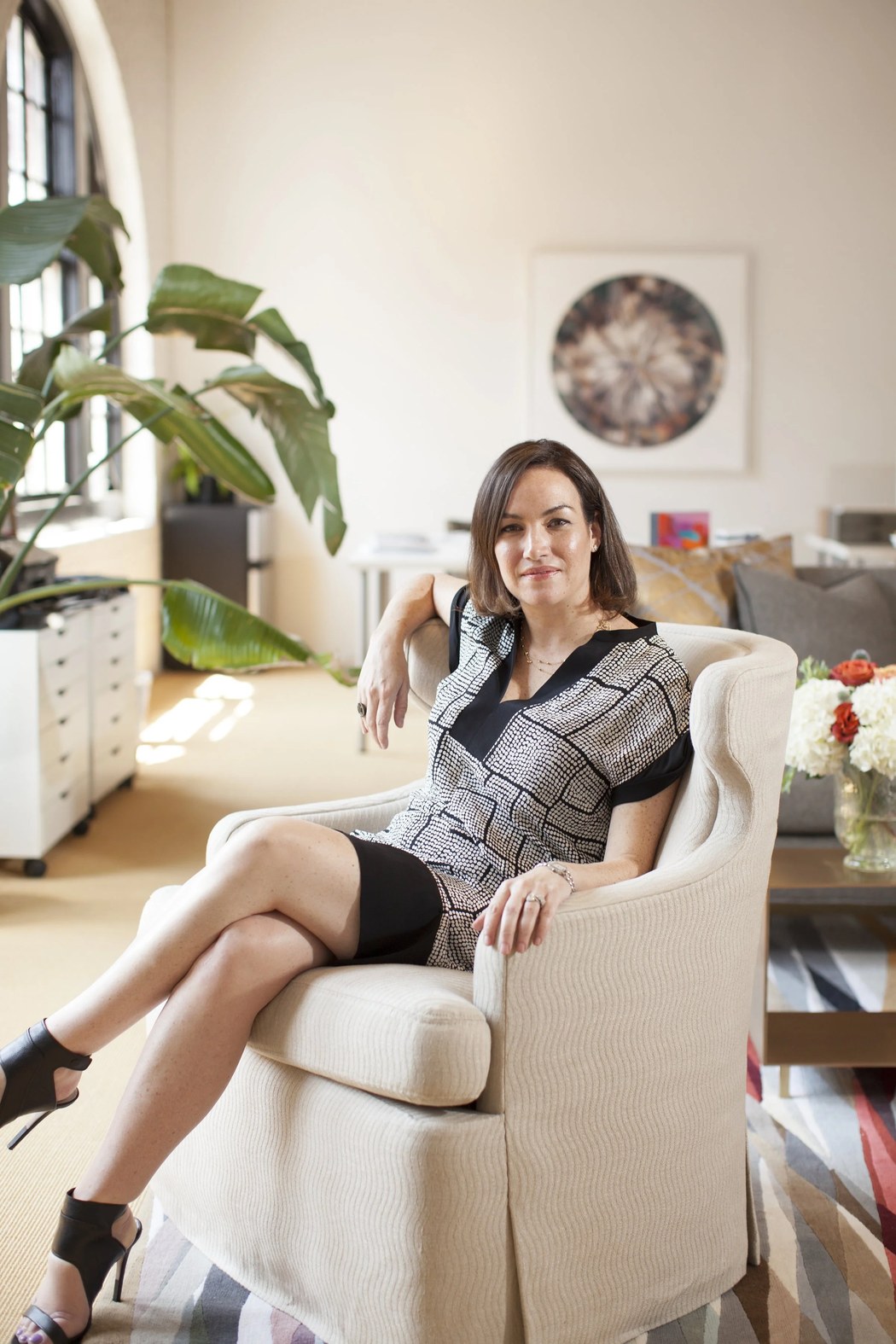
Krista Coupar and the art of making room
A childhood fascination with rodeo fabrics became a career helping designers build their businesses. In San Francisco, Krista Coupar keeps finding new uses for a room, a working relationship, and a window onto the street.
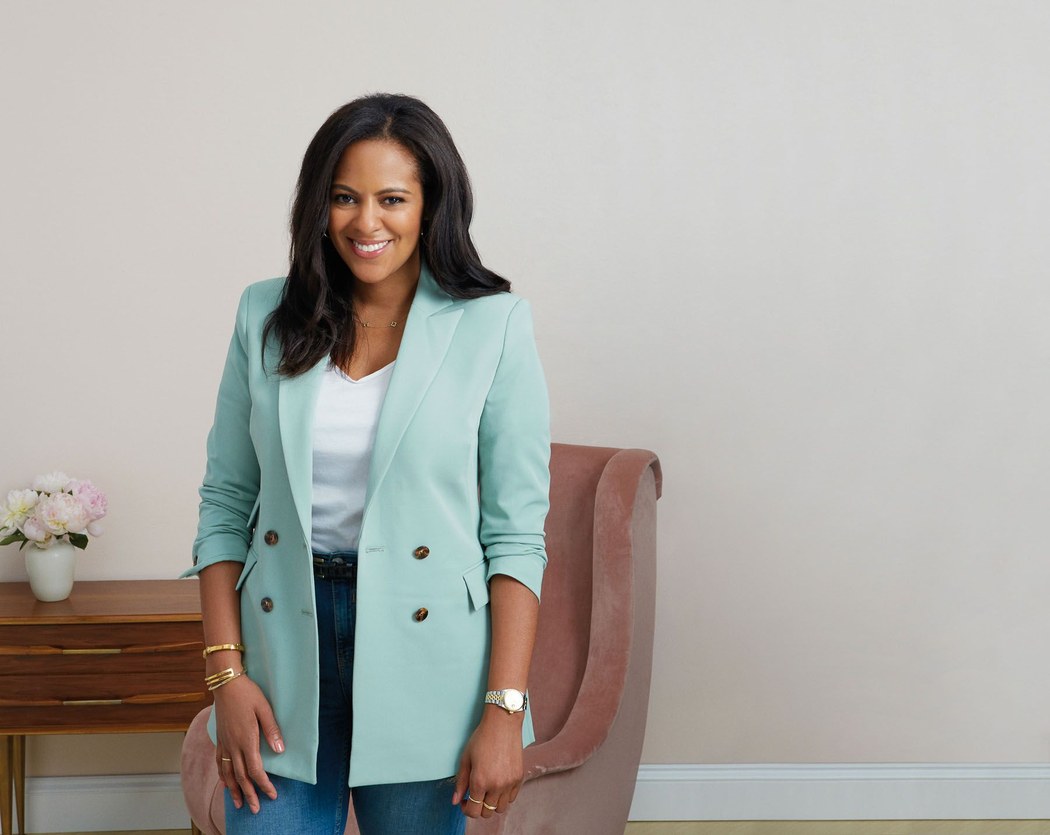
Nicole Gibbons Knew When to Change the Room
She spent a decade selling fashion, taught herself to design interiors, and built Clare around a shorter list of paint colors. After selling the company in 2024, Nicole Gibbons gave herself something she had rarely allowed: time to choose again.

Interface learned to think outside the tile
A carpet maker found that a little disorder could eliminate a lot of waste. Now Interface is applying the same restless logic to carbon, one material decision at a time.

Christie Porter Left Room for Someone Else
A request to design a campus in Mexico helped Christie Porter decide to start ONE NINE Architecture. She built the practice around a question that still shapes its work: who else could this help?
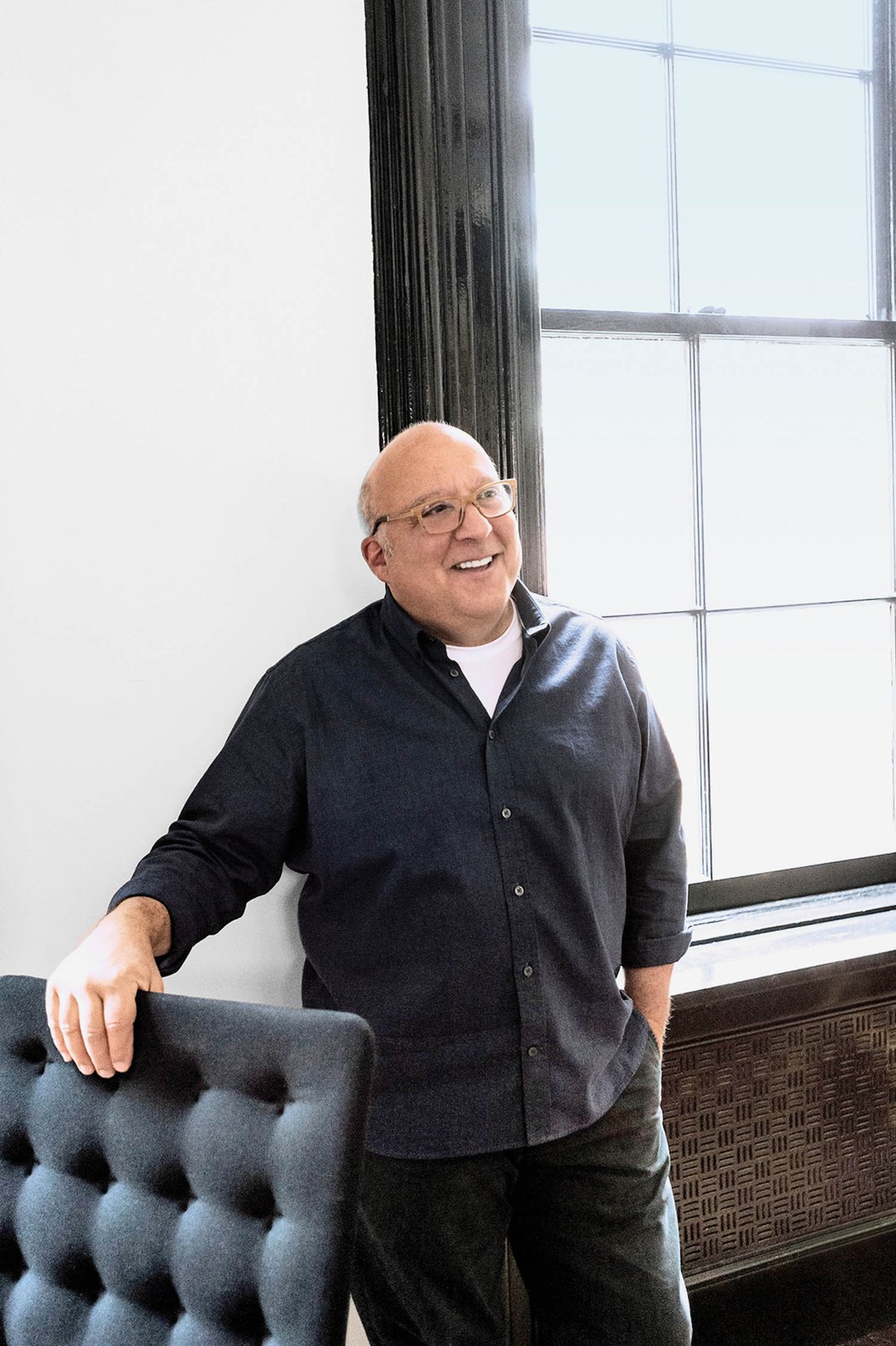
David Galullo and the art of leaving a room unfinished
The founder of Rapt Studio grew up in a house that was always being changed. His work for Dropbox, Duolingo and a roomful of strangers in Milan keeps returning to the same question: what will people bring to it?

Mary Jo Fasan’s Second Education
After a career in brand marketing, Mary Jo Fasan studied interior architecture and spotted a need among designers. The founder of Jo Communications has spent more than two decades helping their ideas find an audience.

SCB knows what a building can become
An empty office tower. A campus that needs room to grow. SCB finds the next use hiding inside the brief - and tests whether it can actually be built.

SketchUp lets everyone in on the plan.
A drawing is useful only if someone else understands it. SketchUp built a business around that small problem - and followed it all the way to the construction site.

KMS Design | Build: A Faster Room Starts on Paper
The Georgia firm connects interior design, procurement and installation through a Falkbuilt partnership. Its most useful proposition is a shorter, better-coordinated visit from construction.

Material Bank puts the showroom in one box
A designer needs to touch the tile. A manufacturer needs to meet the designer. Material Bank built an overnight delivery business around that small, expensive gap.

Shailesh Goswami and the room you can see before it exists
A frustrating home interior project gave the former Microsoft executive an idea. Building Foyr meant learning whose problem he was really solving - and when to change the plan.

Keith Granet and the price of a good idea
He studied art, found an aptitude for accounting, and built a career helping designers get paid. Now Keith Granet is asking what happens to the bill when technology makes the work faster.

Federico Negro and the chair that wouldn’t stay put
After helping WeWork expand across 30 countries, Federico Negro found a familiar chair beside a Los Angeles road. His next company, Canoa, began with the questions that chair left behind.

RSQUARE found the gap between buildings
The Seoul company built its commercial property business by collecting what the internet missed. Now it sells both the expertise to close a deal and the data to question one.
Ernesta’s big idea: stop making the room fit the rug
The Peloton co-founders’ next venture sells rugs cut to the inch. Its more interesting experiment is making a custom purchase feel less like a gamble.

Italic wants you to pay for the towel, not the name
The factory-direct retailer set out to remove luxury’s label premium. Its harder lesson was learning which products, prices, and promises deserved to stay.
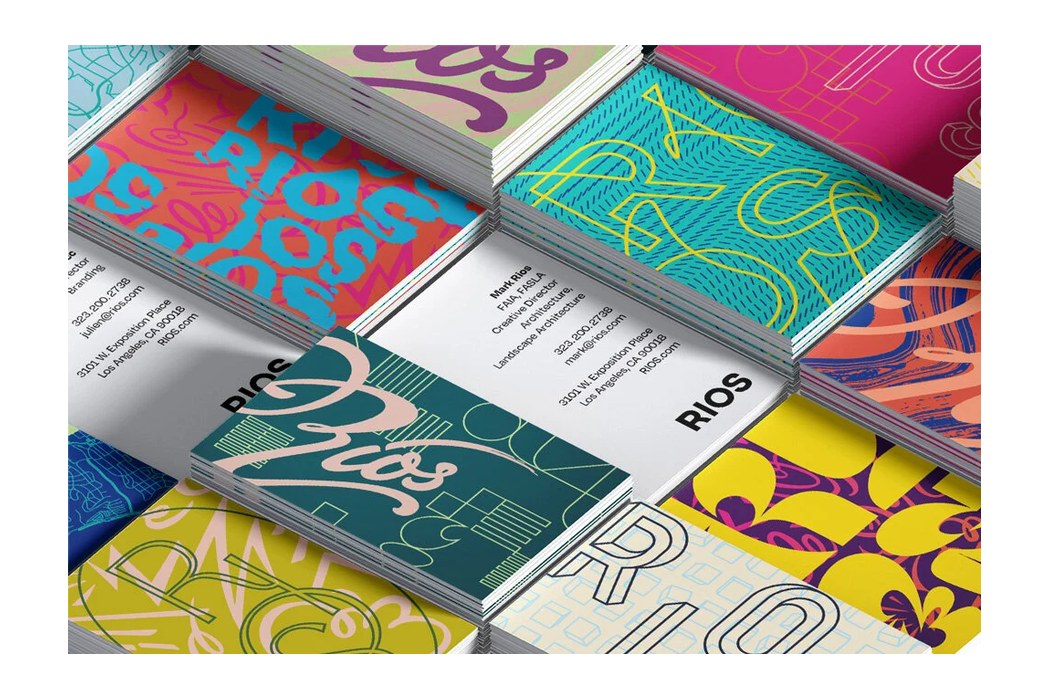
RIOS designs the reasons people stay
A pink chair, a loading dock, a backstage corridor: RIOS treats the overlooked parts of a place as the main event. Its work shows how architecture earns its keep after the opening photograph.

Meagan Stanley Is Designing the Part of Construction Nobody Sees Coming
The Savannah designer has built her practice around an unfashionable but useful idea: a successful interior is not merely seen. It is planned, priced, manufactured and installed as one continuous thought.

The Trader Who Put Marble on a Midnight Deadline
Farshid Tafazzoli learned markets before he learned patience. Decades later, he is applying the same appetite for speed to a stubbornly physical corner of design - one sample, one box and one midnight deadline at a time.

Rachel Collins and the 28-Year Fixer-Upper
A modest first renovation became a 28-year education in how people live. Now the Crown Point designer has turned a family partnership into a studio where a room begins with feeling and ends with the troublesome matter of making it all fit.

The Buildings That Bring People Back
For 67 years, a Fresno architecture firm has practiced a quiet trick: design for the people who stay, then train the people who might return.

The Architects Who Made Small Spaces Do More
Design, Bitches built a serious practice out of an unserious-sounding name. Its real trick is making restaurants, houses, clinics, and classrooms behave like invitations.

The Publicist Who Went Back to Design School
Mary Jo Fasan spotted a peculiar gap: brilliant designers could shape a room, but often struggled to explain why it mattered. Twenty years later, Jo Communications still makes its living in that gap.

The PR Agency That Learned to Speak Fluent Chair
S2H Communication built an international agency around a narrow idea: design brands do not need louder publicity. They need translators who know the difference between a product, a material and a point of view.

A Design Partnership sells the story behind the room
A former interior designer built an agency around the work that happens after the photographs are taken. Today, A Design Partnership connects design firms and home brands with editors, audiences, and commercial partners.

Cross Marketing PR knows who should be in the room
A San Francisco agency connects luxury brands, local audiences, and philanthropy. Its story turns on a deceptively practical question: what should happen after the guests arrive?