A fabric store moves. A hotel opens. A charity needs people who have never written it a check. Each has an announcement to make, but the announcement is only the beginning. Someone has to decide who might care, how to reach them, and what to ask them to do. Cross Marketing PR has built its practice around that small, consequential piece of social engineering: getting a business into the right company.
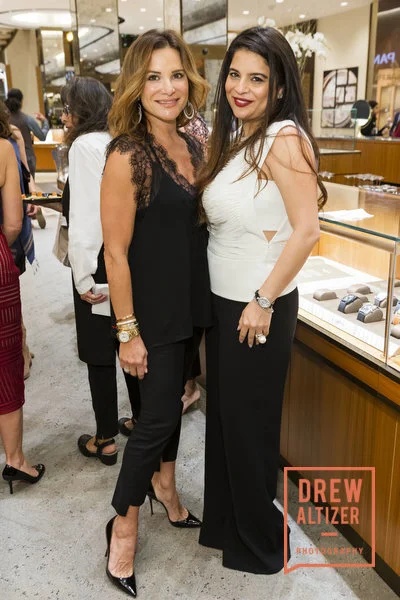
Consider Britex Fabrics. In a testimonial published by Cross, owner Sharman Spector describes an opening celebration after a difficult move. She remembers the mix of people, the potential customers, and the exposure. For the retailer, the value of the evening lay partly in who discovered the business. You can almost hear the useful question beneath the party report: will these people come back?
The room has a job to do
Cross Marketing PR, which also trades publicly as Cross Marketing & Design, offers the things one expects from a communications agency: publicity, marketing, and help presenting a brand to its audience. Its positioning becomes more interesting when you look at the company it keeps. Its published portfolio places luxury retail alongside cultural institutions, restaurants, hotels, and nonprofit organizations.
Roche Bobois, Aman Resorts, PG&E, and the San Francisco Symphony appear in that portfolio. Those names imply quite different briefs. A furniture company needs someone to understand its aesthetic. A hospitality business needs a reason for people to visit. An arts organization needs attention that can become participation. Treating all three as an exercise in getting the most eyes would miss much of the assignment.
The agency’s own account emphasizes individual client needs and hands-on work. That is a familiar promise in PR. The distinctive part is the combination of retail, community life, and physical occasions. Cross occupies the territory where a brand’s national identity meets the people who can give it a local life.
A saleswoman’s eye for publicity
Founder Claudia Castillo Ross brought a publishing background to this work. In an interview with Arizona Foothills, she recalled working at Harper’s Bazaar and Marie Claire, and connected that experience to her interest in clients’ sales. Fashion supplied the setting; commercial judgment supplied the measure. A photograph in a magazine could be useful, but the business still had to sell something.
That distinction explains why a company might hire an agency like Cross. It can need someone who speaks both the language of the brand and the language of the people around it. The useful intermediary understands why a retailer cares about an opening, why a guest might attend, and why an editor might consider the story. Each person has a different reason to say yes.
Ross’s company biography also places her outside the usual agency circuit. It describes teaching marketing and design, speaking at universities, and working on Ross Ranch and Double R Family Wines in Calistoga. The range is revealing without requiring a grand theory: her professional interests include selling an experience and making a physical place feel considered.
The expensive lesson behind the invitations
In a Bluevine interview originally published in 2014, Ross recalled having ten employees in December 2008. As business disappeared during the recession, she spent her reserves meeting payroll. After about ten months, she cut most of the staff and restarted with an assistant, rebuilding more selectively and charging higher fees.
The sequence matters: demand fell, payroll consumed the cushion, and the staffing model eventually changed. Her account gives the cost in depleted reserves and personal strain. It also makes the decision understandable. Relationships can bring an agency work; the price and staffing of that work determine whether the agency can keep doing it.
Where the cause enters the brief
On the company’s culture page, Ross puts the original idea plainly:
“My philosophy when I started Cross Marketing was to leverage social responsibility with retail.”Claudia Ross / Founder
She describes a subsequent emphasis on socially responsible businesses and community partnerships. The same page talks about asking colleagues for help, sharing ideas, and learning together. The cheerful details include team meals and wine after work. The more useful cultural claim is that people should feel able to ask questions, including the people just starting out.
Her connection to Raphael House gives the philanthropy theme a specific address in civic life. The organization lists Ross as Chair Emerita. In a 2021 interview with Haute Living San Francisco, she described years of volunteering and board service, as well as helping update its marketing to reach younger donors. This is a long relationship with an institution, rather than a cause selected for a single evening.
A 2016 announcement issued by Cross offers a more theatrical example. The Drever Family Foundation’s Hotbed Benefit paired a French circus theme with fashion and fundraising for Planet Hope. Sharon Stone was announced as host and auctioneer. Cross’s Ross and Tiffany Cummins were the press contacts. Main-event admission was advertised at $250, with an additional $150 for the after-party. Those were guest ticket prices; they were not the agency’s fee or the cost of producing the benefit.
The arrangement makes the different jobs visible: entertainment attracts interest, a cause provides purpose, tickets admit guests, and fundraising asks them to contribute. A business borrowing this approach should be equally clear about which part is meant to accomplish what. A good evening and a useful outcome can overlap. They still need separate definitions.
From the press kit to the floor plan
Cross’s service menu follows an event beyond its opening toast. Audience research informs media outreach. Story materials include biographies, fact sheets, and press kits. Event work covers invitations, sponsorships, design, and subsequent publicity. Social strategy and influencer connections extend the communication into other settings. Clients can commission a coordinated effort around a launch rather than assemble every task themselves.
Then comes the less expected offering: interiors. The design practice covers furniture, lighting, decor, placement, and budgets. Cross describes helping clients turn a collection of visual ideas into a usable space. In her 2021 interview, Ross discussed bringing event-design experience to homes, including beach houses and ski properties.

There is a sensible connection here. Both an event and an interior ask someone to organize a physical experience. The questions change with the project: how should people move, what should they notice, and does the setting suit its purpose? For a potential client, the practical task is to establish which of those decisions the agency will own.
Give the next morning a line in the brief
The most useful way to read Cross’s portfolio is as a collection of different outcomes. Its published testimonials credit it with Banana Republic store openings, Restoration Hardware events, and helping UCSF attract new supporters. These are client accounts of past work. Their variety is more instructive than treating every event as the same kind of success.
For someone planning a launch, the transferable idea is to name the desired relationship before commissioning the spectacle. Which people should know the business afterward? What should they understand? Who will follow up? A retailer might care about return visits; a nonprofit might care about a second conversation with a prospective donor. The brief should make that distinction visible.
This approach asks something of the client, too. It needs an offer that fits the audience, time to prepare, and someone responsible for what follows. If the audience has no reason to care, a more elaborate invitation will have limited use. Cross’s mix of publicity, events, and design is most interesting when considered against that everyday constraint. The room is ready. Now give the people in it a reason to stay in touch.