The problem with explaining a laundry additive is that the explanation begins in the laundry room. There are bottles, instructions and distinctions that a busy parent may have little interest in remembering. Access Brand Communications found a more promising starting point: the stuffed animal a child refuses to surrender.
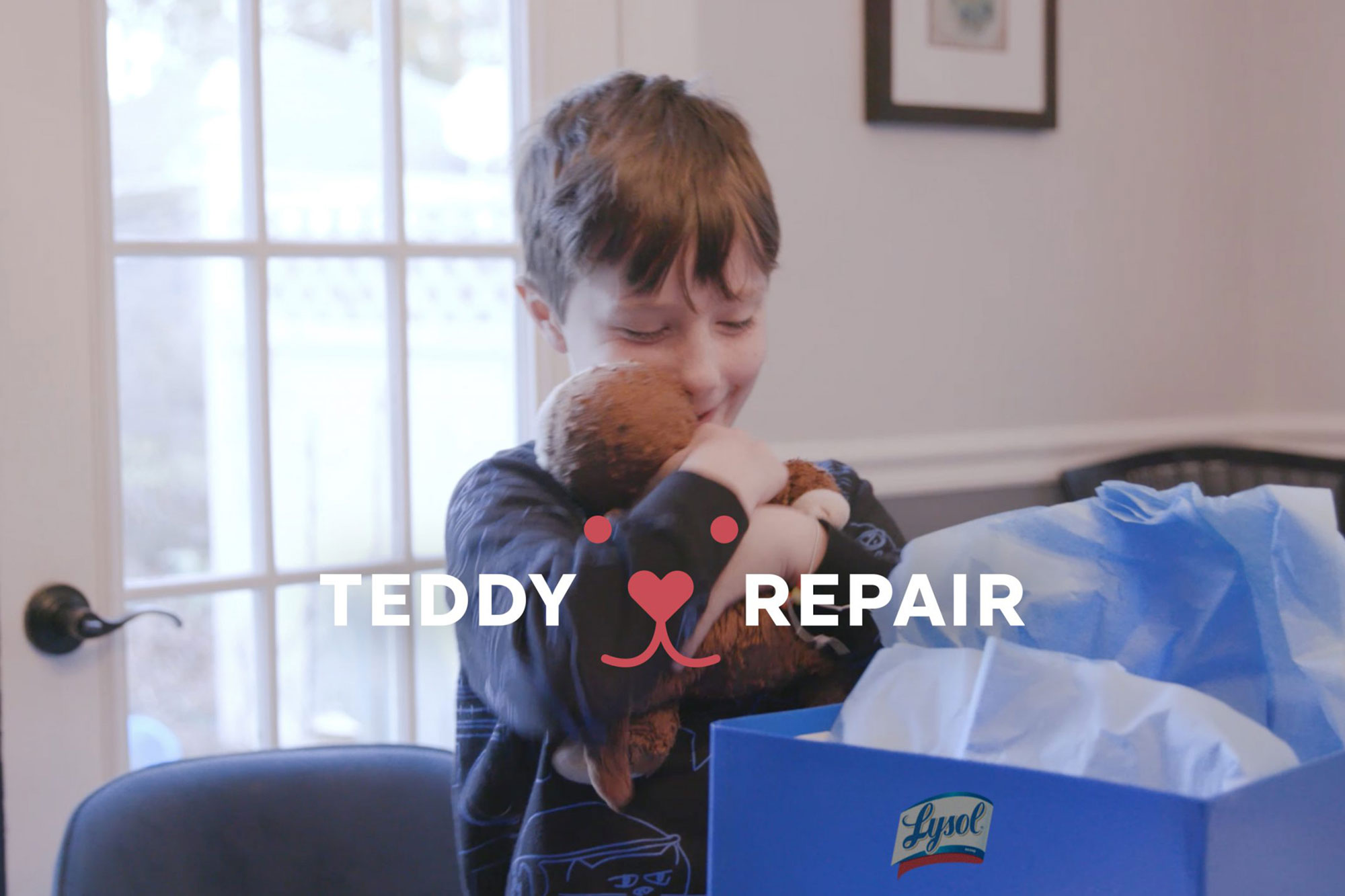
For Lysol Laundry Sanitizer, the agency organized a Teddy Repair campaign. A truck visited three New Jersey elementary schools. Children’s cherished toys were collected, sanitized, mended and returned a week later. The reunions became campaign footage. A product distinction had acquired a character, a small adventure and a happy return.
That is a useful introduction to Access. Its work sits in the space between what a company knows about its product and what anybody else has a reason to remember. Sometimes the distance can be crossed with a teddy bear. Sometimes it takes a townhouse.
The explanation needs an object
Access sells public relations and integrated communications to companies trying to reach business buyers, consumers or both. Its published portfolio ranges from household products and almonds to spirits and payments. Across those categories, the interesting question is much the same: what would make someone outside the company care enough to pass this along?
In the Lysol brief, the misunderstanding concerned the product’s role as an addition to the wash. Access used the care of beloved toys to make that role easier to discuss. The agency reports more than 355 million earned-media impressions. That is a measure of potential exposure, not a count of parents who understood the distinction or bought the bottle.
The transferable lesson is smaller than the headline number. Begin with the thing people recognize. Explain the unfamiliar through its relationship to that thing. A campaign becomes easier to follow when the audience has something concrete to hold in mind.
A tech agency learns to speak consumer
Susan Butenhoff founded Access in 1991. Its early emphasis was technology, a field with an inexhaustible supply of products that need explaining. In 2008, she sold the business to Ketchum, where she had begun her public-relations career. The acquisition offered wider specialist resources and international services while preserving the Access name.
The company’s later development is more interesting than a tidy origin myth. By 2014, consumer clients accounted for more than half its portfolio, according to PRovoke’s subsequent agency assessment. Peet’s Coffee and Blue Diamond sat alongside technology businesses such as Intuit and Toshiba. The same firm could work on the story of a computer and the story of a cup of coffee.
Access combined with Emanate in late 2015. A 2017 rebrand shortened the name to Access and accompanied a reorganization of digital, content, influencer and design teams. The change gave organizational form to an increasingly mixed assignment: an idea might need a journalist, a creator, a video and an event to reach its audience.
The $150,000 conversation starter
Visa’s NFT campaign presented a different difficulty. An established payments company wanted credibility in a community alert to corporate tourists. Access’s account says the team planned a white paper and blog post, but believed those materials needed a stronger news hook. Visa bought a CryptoPunk.
The collectible cost roughly $150,000 in August 2021. That figure is the asset purchase price. It should not be read as Access’s fee or the total campaign cost. The communications logic was that ownership supplied a specific action around which a broader explanation of NFT commerce could form.
Access reports more than 120 articles and 47,649 social mentions. Those results describe attention at a particular moment. They do not establish the long-term merits of the purchase or the commercial future of NFTs.
For a marketer, the distinction matters. The useful question is whether an action supplies evidence for the story a brand wants to tell. An expensive prop with no credible connection to the business would leave the original explanation problem intact, with an invoice attached.
Approximate asset price.
Keep it separate from agency fees and campaign spend.
When the tasting room disappeared
Appleton Estate was preparing to introduce an eight-year-old rum in spring 2020 when the pandemic disrupted the launch. Lifestyle coverage had also contracted as publications concentrated on the health crisis. The first obstacle was external: both the event setting and the editorial environment had changed.
Access shifted to a virtual tasting in July, hosted by master blender Joy Spence and brand ambassador Anne-Louise Marquis. Rum, food pairings and cocktail ingredients arrived before the event. Participants could follow the same experience from different locations.
The detail worth copying is the delivery. A remote event can preserve a shared activity when the necessary materials reach people beforehand. The screen connects the participants; preparation gives them something to do together. This requires time, suitable recipients and a product that can travel. Without those conditions, sending an invitation achieves very little.
One house, several stories
For Blue Diamond in October 2018, Access filled more than 3,000 square feet of a Gramercy townhouse with holiday food and entertaining ideas. Each station had a spokesperson. Katie Holmes supplied an additional celebrity angle. The agency reports 140 editors and influencers attended and 122 pieces of holiday coverage followed.
The event made room for different editorial needs. A recipe writer and a celebrity reporter could leave with different material from the same gathering. That is a practical way to think about integrated communications: design an experience with several legitimate entry points, each connected to the product.
It also suggests a useful budget question. Before commissioning an elaborate setting, decide what each part will help an attendee understand or create. An attractive room earns its place in a brief when it does useful work.
The people behind the prop
Access lists five service groups: research and intelligence, earned media, content development, influencer and talent, and design and creative. Together they cover the route from understanding an audience to producing material and getting it into circulation. Its business is professional services for client brands, with the work shaped around communications assignments.
The agency positions itself as a boutique operation connected to Omnicom’s wider network. That places it between the specialist independent agency and the broad resources of a holding-company system. For a prospective client, the meaningful comparison is the team available for the assignment, its subject expertise and its ability to execute the proposed idea.
“Kool-Aid Immune”Access’s own name for a staff value
There is some welcome mischief in that phrase. The agency says its people should have opinions and be willing to express them. Its careers material also describes customized roles, peer recognition and training through Ketchum University. These are the employer’s stated practices; the interesting promise is that close client relationships can coexist with independent advice.
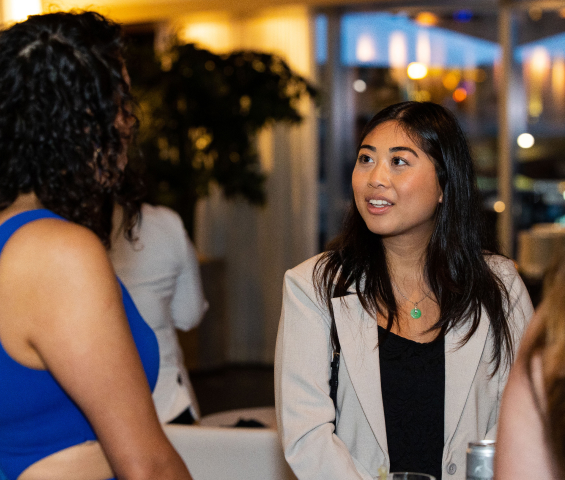
In a 2023 interview, then-president Matt Afflixio named his iPhone as his favorite work tool because it let him have spontaneous conversations. He also mentioned his thesaurus. For a business increasingly discussing AI and new formats, those were pleasingly ordinary answers: call somebody; find a more precise word.
Access’s appeal is easiest to judge through the particulars of its work. A brand with an unfamiliar product can use help identifying the misunderstanding. A company entering a skeptical community needs a credible action. A launch overtaken by events needs a different way to let people experience the product. Each assignment demands judgment before production.
The bear offers a good final test. Could someone who has never read the brief explain why it belongs in the campaign? If the answer comes easily, the work has already solved one difficult communications problem.