A building can tell you its address without telling you very much. The rent on the brochure may differ from the rent someone actually pays. A parking space may exist, yet be unavailable when your staff need it. A vacant floor may suit your headcount and fail your business. RSQUARE built a company around these small, expensive discrepancies.
- People survey properties. Software makes the findings reusable.
- Companies buy brokerage, design, management and advisory services.
- Institutions buy property intelligence through RSQUARE Analytics.
- The data helps find a deal. Cash flow still decides whether it works.
The internet had an address. Someone needed a key.
RSQUARE dates to 2009, but its present business took shape after John Woo Lee, also known as Lee Yong-gyun, took over in 2012. The predecessor was a residential property advertising business. It was struggling. Lee moved toward commercial property, where his consulting experience with business customers offered a more useful starting point.
The first obstacle was wonderfully unglamorous: there was little organized information to work with. A 2020 account describes Lee arriving at neighborhood agencies with a box of health drinks and beginning with property registration records. As the team grew, employees took Friday-night trains to regional cities and spent weekends gathering building details. They repeated this for almost a year.
That work created something a prettier listing page could not: a shared record of buildings, vacancies and practical conditions. The insight was that the market’s missing information could be collected, rather than accepted as an unavoidable inconvenience.
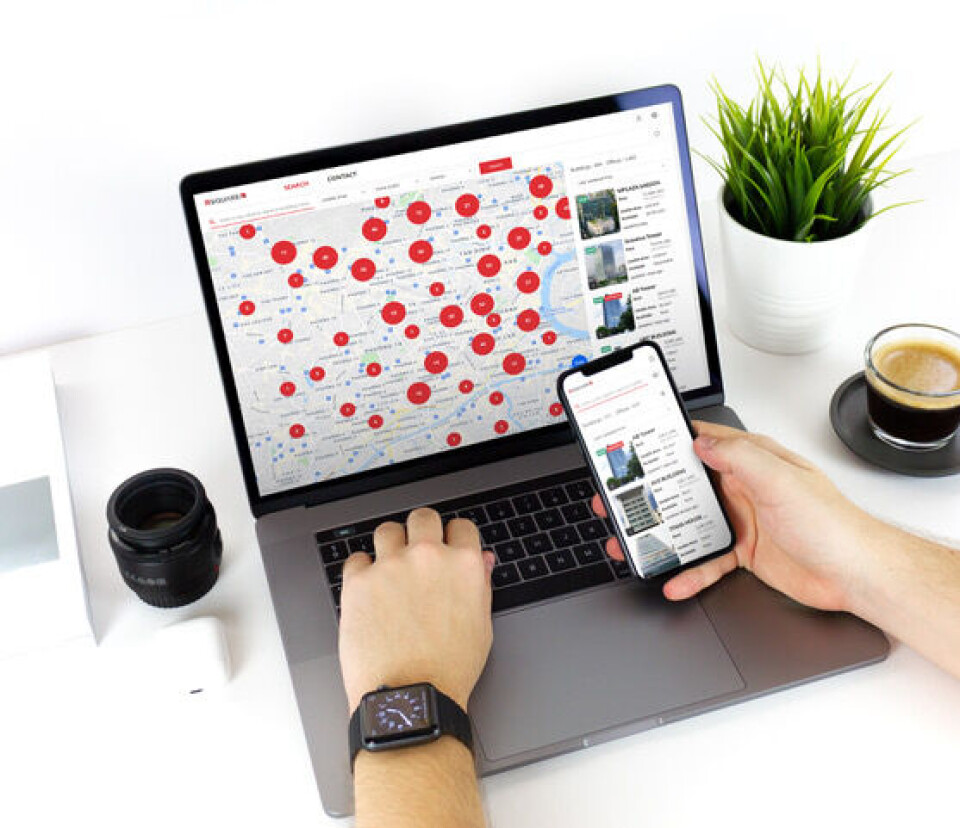
The parking hours matter
In a 2022 interview, Lee described a database that included landlords’ preferred tenants, parking availability and operating hours. Tenant records included lease endings, expected moves and potential interior-design needs. The important unit was often a relationship: this company, in this building, with this particular deadline.
A corporate move therefore becomes more than choosing square meters. RSQUARE can help compare premises, negotiate a lease, design the workplace and arrange the move. Its services also extend to retail premises and logistics facilities, where operational details can carry consequences far beyond an awkward commute.
The company’s research page describes a data organization of more than 80 people. RSQUARE Analytics combines private, field-collected information with government records. Its product page advertises 40 million integrated data points. That figure counts information, not 40 million buildings; confusing the two would defeat the point of having better data.
One move, several businesses
This is a service company with software running through it. Brokerage and consulting bring fees. Interiors and remodeling bring project revenue. Property management extends the relationship after a transaction. Analytics makes information a product customers can use themselves. Different work, connected by the same building.
RSQUARE Design links leasing with workplace design, fit-outs, furniture and relocation. Corporate asset consulting helps businesses assess holdings and translate operational priorities into property decisions. DataHub, introduced in 2024, handles property registry and information access. HomeDot, introduced in 2023, addresses residential real estate administration through an ERP solution.
The familiar alternatives are CBRE, JLL, Savills and Cushman & Wakefield, alongside local brokers. RSQUARE competes on the breadth of its field database and the connection between teams. That makes it useful to a business juggling several property tasks, while an individual assignment may still favor a specialist with the right local relationships.
The customer became an analyst
Analytics changes who can buy from RSQUARE. A tenant wants a suitable office. An asset manager wants evidence about rents, vacancies and comparable transactions. A lender wants to understand the property behind an exposure. These buyers need overlapping information, but they ask different questions.
By July 2025, RSQUARE reported more than 50 corporate Analytics users, including IGIS, Koramco and Samsung SRA Asset Management. In December, it reported 150 clients across the platform’s first-year test operations and around 7,000 asset databases. Those figures describe Analytics, rather than the much larger database supporting the whole company.
In March 2026, it added profiles of approximately 2.5 million companies, connecting financial and registration information with building occupancy. Analysts could examine demand as well as supply: who occupies a property, how their business is changing and where companies move. It is a useful shift from photographing a market to watching it behave.
The database did not pay the invoice
Building this operation required outside capital. The November 2021 Series C brought KRW 85 billion from STIC Investments, approximately $72 million at the time. Reported cumulative funding then stood at KRW 113.7 billion. Southeast Asian expansion was among the stated uses of the new money.
The early cost was personal. Lee told a 2019 interviewer that he used his consulting severance to cover wages during the first year. An unpaid brokerage fee in early 2013 represented several months of payroll for 15 employees. Better information had created work; getting paid was another problem.
The property downturn later exposed the same pressure at greater scale. In February 2026, Lee described delayed transactions, unpaid receivables and borrowing costs. His response included more loans, spending restraint and some headcount reductions. Information improves a decision. It cannot provide the financing that lets the decision become a transaction.
“Liquidity management is still not easy.”John Woo Lee, February 2026 interview, translated from Korean
A passport needs local knowledge
Vietnam provides a test of how much of the method travels. RSQUARE entered in 2021. By April 2026, its subsidiary reported more than 350 transactions and one million square meters of cumulative transacted area. Local Vietnamese companies represented 40% of customers, Korean businesses 30% and other multinationals 30%.
Partnerships fill gaps a database cannot. An April 2026 agreement with industrial-park developer Kinh Bac City Development focused on factories, warehouses and production bases. In Korea, a 2024 partnership assigned construction planning and management to HOWBUILD, with RSQUARE contributing leasing, management and property advice.
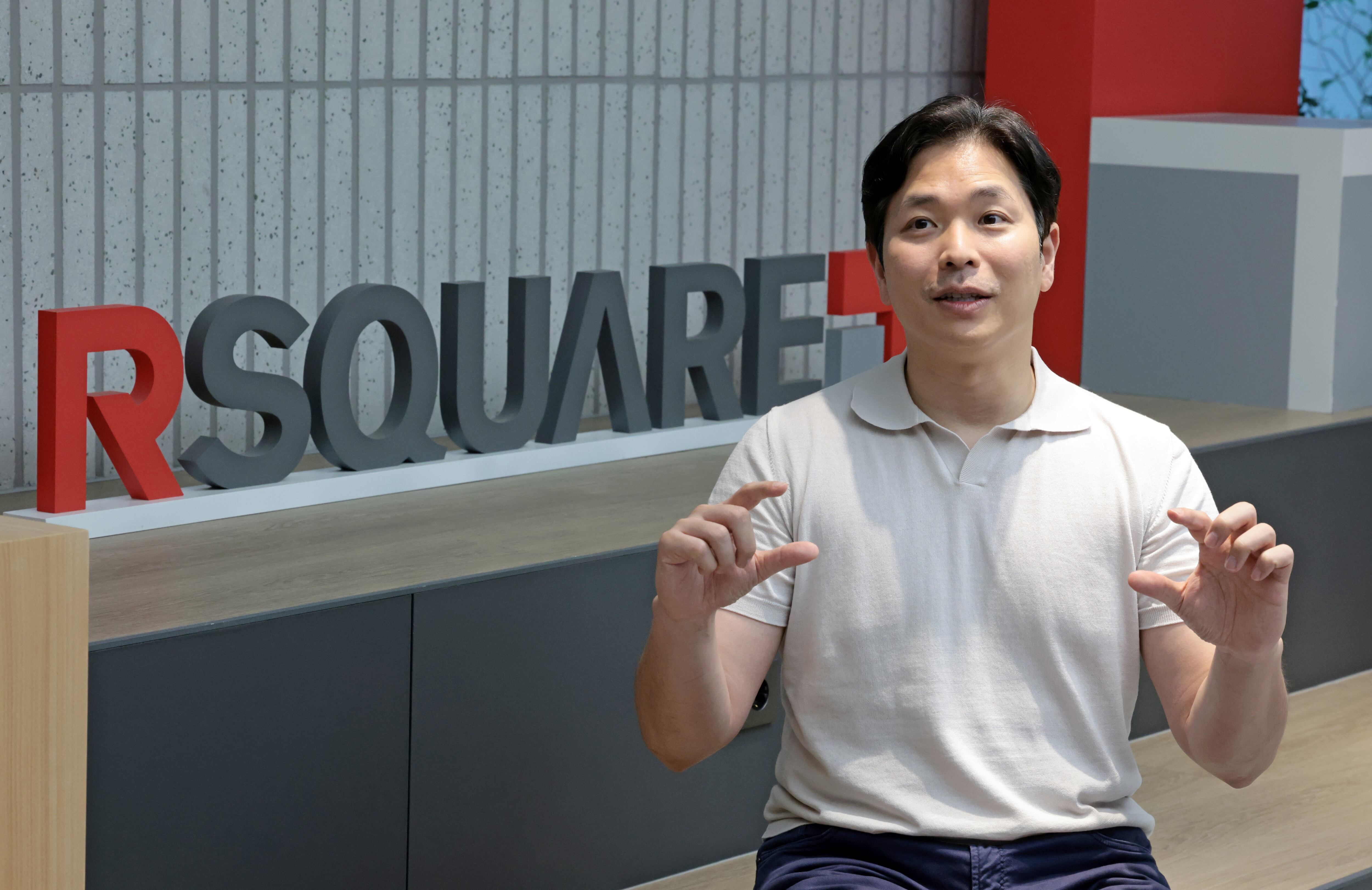
Copy the questions before the software
The transferable lesson is precise: record the information that changes a customer’s decision, then make it available to the next colleague. Start with parking hours, lease deadlines or loading access. A database becomes valuable when it answers a question that previously required another visit or telephone call.
The conditions matter. Properties change, so records need refreshing. New countries require local collection and legal expertise. Transactions remain vulnerable to financing. For an occupier, RSQUARE offers help carrying a move through execution. For an investor, Analytics offers evidence to challenge assumptions. Both begin with the same modest act: asking what the brochure leaves out.