An empty apartment can make a surprisingly persuasive business plan. Emily Motayed wanted to decorate hers, but professional help was beyond her budget. She and her sister, Lee Mayer, saw a gap between doing everything yourself and hiring a traditional designer. Havenly began there: with someone who could afford furniture but needed help deciding which furniture to buy. The distinction would eventually reshape the company.
- Havenly sells design advice and the furnishings that follow it.
- Five home-brand acquisitions in 2022-2024 turned the service into a retail portfolio.
- The Expert, added in 2026, brings professional designers into the picture.
The expensive part was deciding
Shopping for a room produces peculiar arithmetic. The sofa has a price. So does the rug. Whether they will look ridiculous together remains an unpaid research project. Havenly offers a way through: share your taste, photographs, measurements, and budget; work with a designer; receive a room plan and a shopping list.
The audience is quite specific. Mayer has described it as digitally native, millennial and younger, and “mass affluent.” These shoppers want a considered home without commissioning a traditional design practice. Havenly competes with online services such as Decorilla, retail design assistance, and the familiar alternative of leaving forty browser tabs open until someone gives up.
Early growth came through referrals and friends of friends, Motayed told Wharton Magazine. Customers tolerated an awkward website because the underlying service helped. That is a useful distinction for anyone building a consumer business: the first thing worth testing is whether people want the result enough to forgive the packaging.
The factory said: come back next year
Furniture was already part of Havenly’s economics. It charged for design and earned money from purchases. Owning products could capture more of those purchases’ value. A $32 million Series C in 2019 supported plans that included a private-label collection.
Then the pandemic scrambled the timetable. As Mayer later explained to Business of Home, manufacturers were consumed by backlogs and reluctant to take on new accounts. Building a line meant waiting for suppliers. Buying an existing business offered manufacturing relationships, product knowledge, and a team.
In February 2022, Havenly acquired key assets of The Inside. The match had evidence behind it: Havenly designers already bought The Inside’s products, while The Inside’s customers were asking for design help. Custom upholstery and design advice were meeting at the same checkout before they shared an owner.

A sofa is also a cash-flow problem
Interior Define supplied the less comfortable lesson. Before Havenly took over selected assets around the start of 2023, the previous company had run short of cash. Furniture reached American ports while the business struggled to pay for its release. Customers waited for orders and answers.
The old company used an assignment for the benefit of creditors, an out-of-court process distinct from bankruptcy. Havenly purchased the brand and certain intellectual property assets. The distinction matters: acquiring a name does not erase the circumstances that damaged customers’ trust.
Here was the practical limit of a handsome digital storefront. Someone still had to pay manufacturers, release shipments, and deliver sofas. For a shopper, the product is partly the experience of getting it home. For an owner, the operating machinery deserves at least as much scrutiny as the catalog.
Different tastes. Shared machinery.
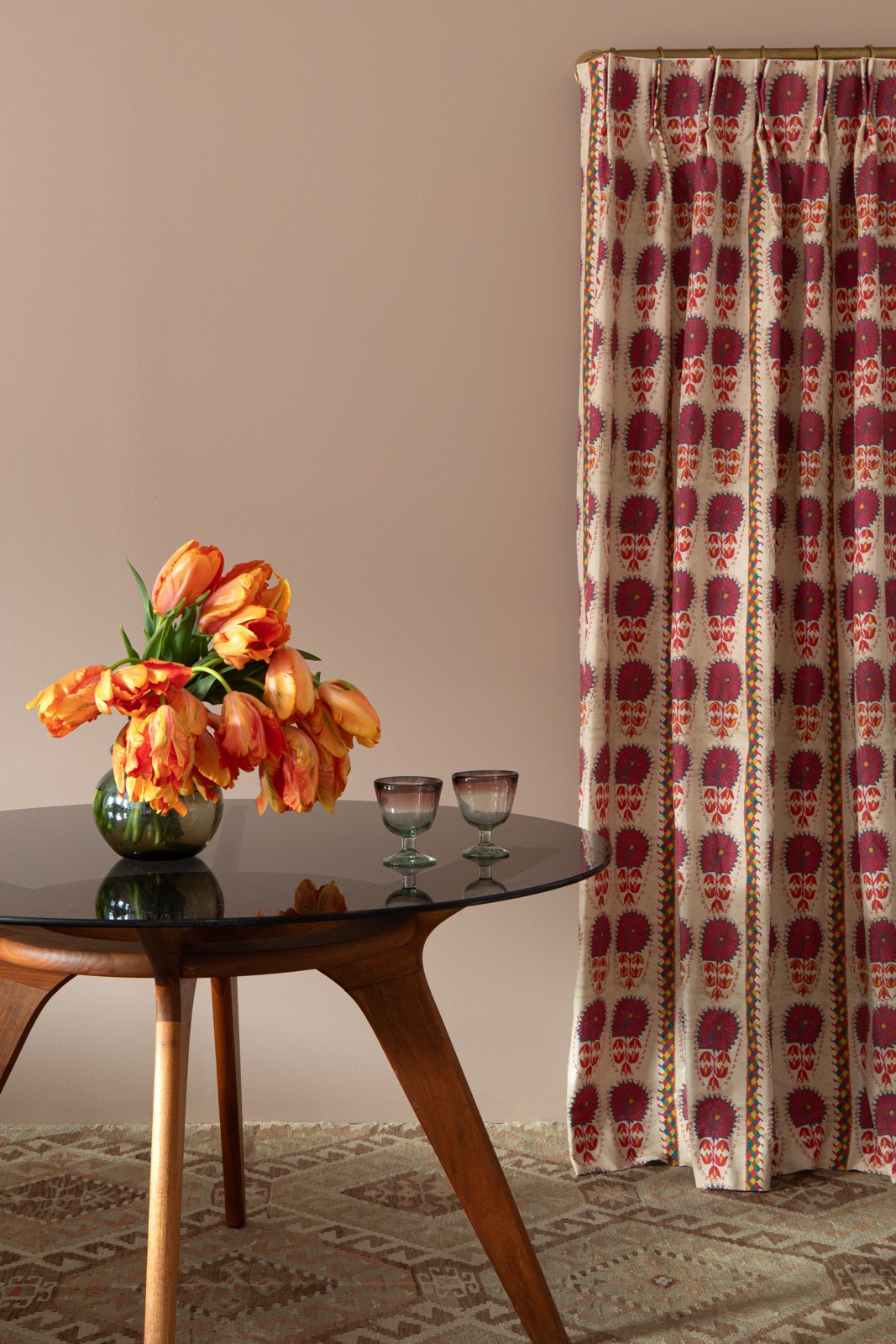
The portfolio widened in 2024. The Citizenry brought artisan-made rugs, bedding, and decor. St. Frank added printed textiles and heritage-inspired patterns. Burrow contributed modular furniture and delivery-focused engineering. With the Burrow acquisition that October, the parent adopted the Havenly Brands name.
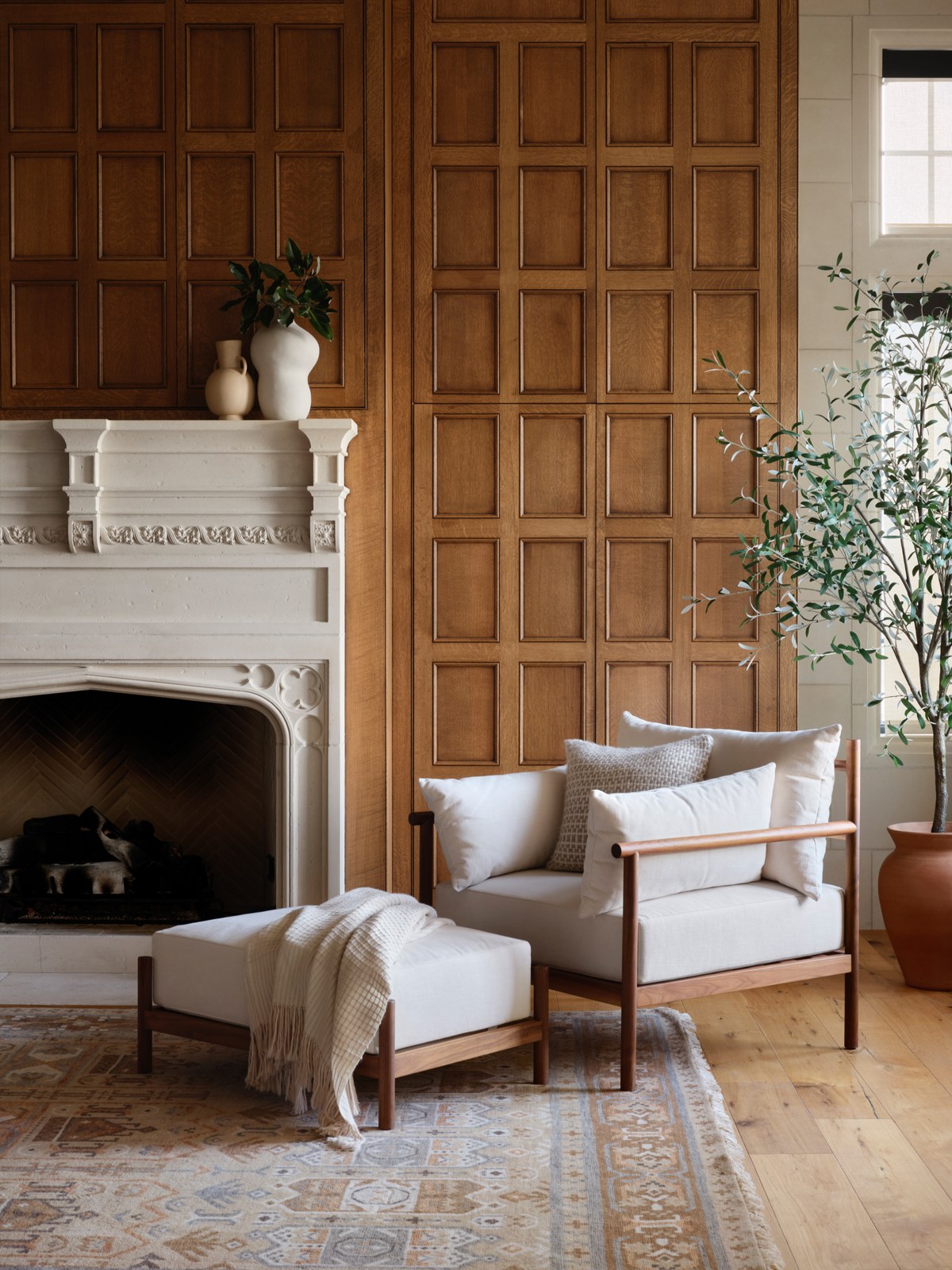
Burrow’s contribution is particularly tangible. Its acquisition announcement described more than forty patents and furniture designed around easier assembly and delivery. The Inside offers another kind of choice: customers can select upholstery patterns for made-to-order pieces. These are different answers to ordinary frustrations, from getting a sofa upstairs to finding one that does not look like everybody else’s.
The differences give customers reasons to visit separate brands. Shared technology, sourcing, logistics, and cross-selling offer reasons to put those brands together. That places Havenly between a design service and a home retailer: it can help shape the shopping list and sell items on it.
Physical stores add another piece. In April 2024, The Citizenry tested a shop-in-shop inside Interior Define’s Denver showroom. Mayer’s explanation to Forbes was disarmingly practical: customers want to test a sofa before committing to it. A screen handles discovery. A seat handles doubt.
“When people buy a sofa, they want to sit on it; it’s as simple as that.”
Lee Mayer / 2024
Now the designer is the customer
In February 2026, Havenly announced an all-equity acquisition of The Expert, the consultation platform that had developed a trade-oriented furnishings marketplace. The Expert would remain a separate experience, with Havenly supplying technology and operating capabilities.
The appeal was access to professionals who source products repeatedly. Mayer said trade growth had outpaced consumer growth in 2025. Tools for finding products, checking availability, and managing procurement could make those designers’ working days easier while bringing more business to the portfolio.
This changes the competitive question. A household may need one room. A designer returns with another client. Serving that professional requires dependable information and fulfillment, alongside taste.
Start with the room you have
For a customer, the entry point can now be free. Havenly’s AI assistant accepts a room photograph, proposes designs, and lets users edit and shop recommendations. Human designers remain available for decisions that need conversation.
Design fees only. Furniture costs extra. Promotional prices can change.
The website advertises online design at $159 per room and first-room in-person design at $499, against regular prices of $199 and $699. Furniture is separate. Buyers should budget for the shopping list, check delivery expectations, and measure before ordering.
Havenly’s help center also draws a boundary around commercial projects: most work is residential, and its usual furnishings are residential grade. A project needing commercial-grade goods or installation may require another provider.
For an operator considering the same approach, the useful test comes before the deal: do the existing customers already want what the other business supplies? The Inside provided exactly that evidence before the acquisition. The relationship existed before the corporate paperwork. A complementary catalog alone cannot establish it.
The transferable lesson is concrete: connect advice to the difficult transaction that follows, then acquire capabilities customers already ask for. It depends on reliable suppliers, disciplined cash management, and brands that keep their appeal. The room still has to work when the boxes arrive.