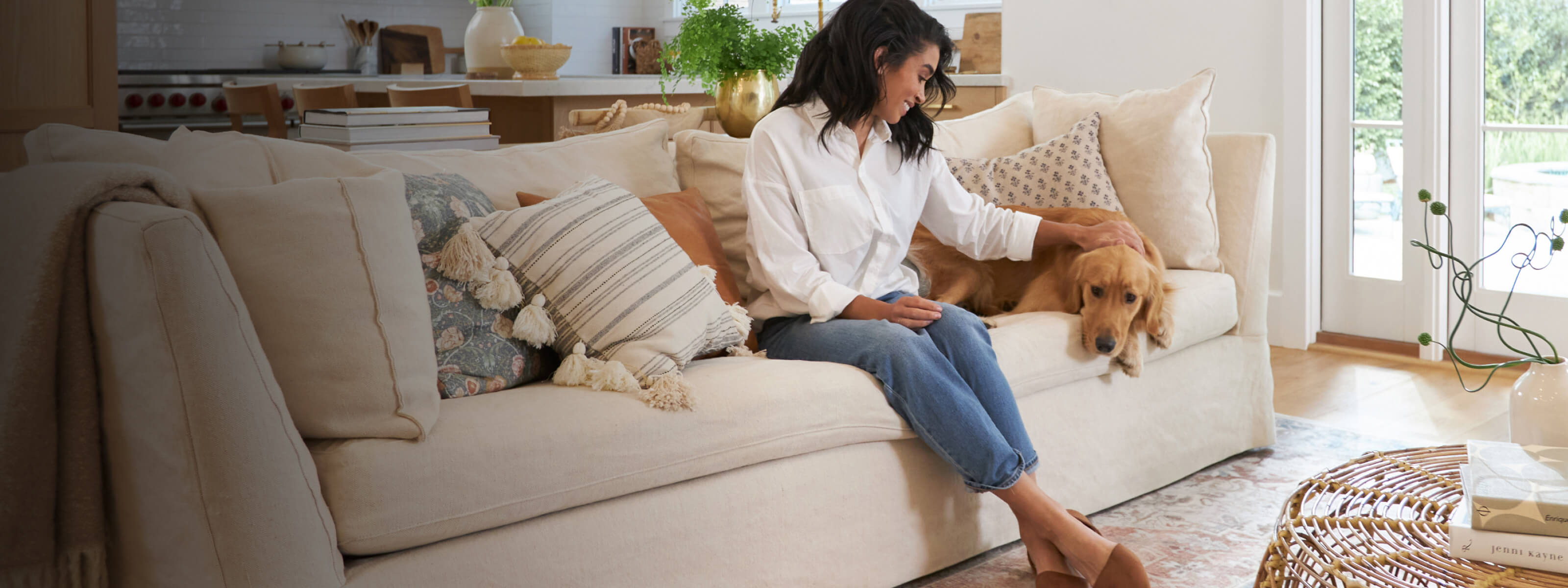
The dog did not care what the rug cost. Jeneva Bell did. When her puppy, Bambi, marked a recently purchased area rug, the future Ruggable founder confronted a household absurdity: the thing everyone walks on can be one of the hardest things to clean. A rug might survive years of feet and still lose an argument with one small animal.
Bell’s answer was a removable surface that could go in the washing machine. Ruggable turned that idea into a business selling rugs to people who want a decorated home they can actually inhabit. Then came the more interesting decision. In September 2025, the company introduced an All-in-One rug, removing the assembly step that had made its original two-piece construction distinctive.
That change captures the company’s challenge. Making a rug washable won attention. Keeping that attention means making it pleasant to own, attractive enough to choose and easy enough to clean after the novelty wears off.
A good idea, several bad starts
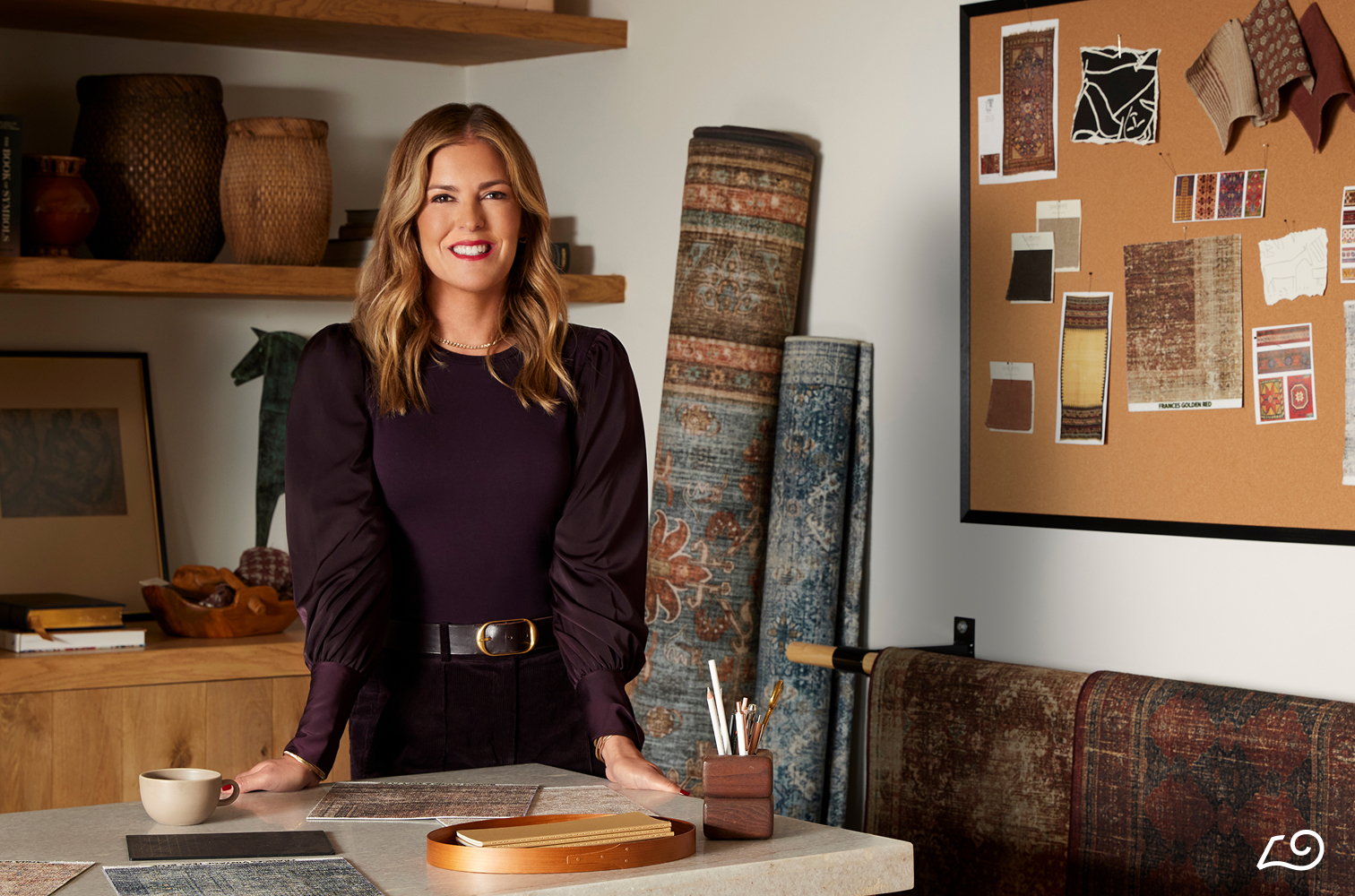
Ruggable’s beginnings precede the online brand familiar to shoppers today. Bell and her business partner were exploring a household invention in 2008. Two years of prototyping followed. A 2021 interview dates the business’s establishment to 2010; its major direct-to-consumer launch came in 2017. Those dates describe different stages of a long gestation.
Bell had already learned that affection for a product does not pay the bills. Her earlier fragrance line, Flowerbelle, attracted a following but failed to become profitable. She closed it. With Ruggable, the problem was specific enough to demonstrate: peel off the dirty cover, wash it, put it back.
The route to customers was less tidy. Licensing arrangements failed. Bell bought out her partner. Appearances on HSN and placement in Lowe’s did not deliver an immediate breakthrough. In her account to the Business of Home podcast, investment in 2017 finally enabled the website and digital advertising that accelerated growth. The product needed a way to explain itself as much as it needed a place on a shelf.
There is an amusing ancestor here: the Huggable Hanger. Bell’s early co-founder, Sarah Butterbaugh, was inspired by its grippy velvet surface and suggested the Ruggable name. A hanger kept clothes from slipping; a rug cover would cling to its base. Both made an everyday nuisance the product brief.
The part customers had to wrestle with
The original system separated two jobs. A lightweight decorative cover supplied the look; a nonslip pad supplied grip and cushioning. Only the cover went into the washer. Owners could change compatible covers while keeping the base, a useful arrangement for anyone whose decorating tastes move faster than their furniture.
But separation creates another job: putting everything together again. A washed cover has to align with its pad. A feature that looks obvious in a demonstration can feel less cooperative across a living-room floor. Ruggable’s launch announcement said customers wanted less assembly, a better feel and easier washing.
“We heard from consumers that it wasn’t perfect.”Nicole Otto, Ruggable CEO, at the September 2025 launch
After two years of research and feedback, Ruggable launched All-in-One in Tufted and Plush textures with integrated nonslip silicone backing. The company’s own Reddit announcement called it a bigger shift shaped by years of feedback. Instead of peeling a cover from a pad, the owner picks up the complete rug.
Separate the jobs
Washable cover
Separate grip pad
Remove the setup
Complete washable rug
Built-in nonslip backing
This was a revision of the ownership experience, not simply another pattern release. It also changes the appeal of the purchase: the original offered interchangeable covers; the newer construction offers fewer pieces to manage. Ruggable still lists two-piece categories alongside All-in-One. Buyers need to choose the construction deliberately, because accessories are not universally interchangeable.
The washer gets a vote
Ruggable sells a useful convenience, with physical limits. The current US guide lists a minimum 3.1-cubic-foot washer for a 5-by-7-foot Tufted rug and 4.5 cubic feet for an 8-by-10. Those figures apply to front-load machines and top-load models with agitators. Other constructions have different requirements.
The distinction matters in an apartment. A rug can be machine-washable and still require a trip to a laundromat. Ruggable explicitly recommends commercial machines for some large sizes. Its Performance Weave guidance, for example, sends the 8-by-10 size to a commercial washer. Measure the room, then check the appliance.
Washer capacity, not rug volume. US guide checked September 2026; front-load or top-load with agitator. Check the exact rug and machine before ordering.
Cleaning also consumes time. The care instructions call for cold water, mild non-bleach detergent and no fabric softener. All-in-One rugs must dry completely before returning to the floor. For 6-by-9 and 8-by-10 sizes, the drying guide gives three low-heat cycles, roughly 135 to 180 minutes, as a starting point. The washing machine performs the work; the afternoon still has to accommodate it.
At the October 2025 launch coverage, Tufted All-in-One prices started at $119 and Plush at $439. Those were entry prices across different ranges, not a same-size comparison or a current quote. The purchase also brings detergent, energy and potentially laundromat costs. Its value depends on how often the household makes a mess and what cleaning or replacement would otherwise involve.
Why William Morris belongs near the dog bowl
Washability gives someone a reason to consider Ruggable. A pattern gives them a reason to want a particular one. That second decision is where the collaborations earn their keep. Jonathan Adler supplies a recognizable decorative voice; Morris & Co. brings heritage patterns; Disney and Star Wars give fans something more personal than a neutral rectangle.
The range makes commercial sense for an audience defined by daily life. Pet owners do not share one aesthetic. Neither do parents. One household wants restrained florals, another wants exuberant geometry. Partnerships let Ruggable address those tastes while keeping the cleaning proposition consistent.
The activity continued through 2026. A Liberty collection arrived in March. A summer Jungalow collaboration drew on Justina Blakeney’s botanical world. Late-summer coverage described Morris & Co. designs developed from previously unfinished sketches held at The Huntington. By September, another Anthropologie capsule was being sold through both brands. The wash cycle stays familiar while the shop window changes.
Ruggable also sells beyond conventional living-room rugs, with runners, doormats, bath mats, pillows and pet beds in its catalogue. Performance Weave extends the offer to a jute-like texture for indoor and outdoor use. Its surface is polypropylene, with a polyester backing and silicone grip pattern. A natural appearance does not mean a natural-fiber construction; that distinction belongs in the buying decision.
A checkout business learns to be a brand
The basic business model is straightforward: sell physical home products, primarily through ecommerce, with selected retail partnerships extending distribution. Revenue comes from purchases. Different sizes, textures, accessories and collaborations provide reasons to trade up or buy again. The original cover-and-pad format also created the possibility of repeat cover purchases without another base.
Ruggable competes in a category where washability is now available from alternatives including Tumble and Revival. It also competes with traditional rugs and the decision to leave a floor bare. Its position depends on the combination of textile engineering, recognizable designs, range and familiarity. “Washable” alone is a thinner distinction once shoppers can find several brands saying it.
Marketing has had to adjust. In 2024, Ruggable moved into UK television with comedian Ellie Taylor, alongside PR and partnerships. European marketing director Charlotte Ford described the need to reach beyond the audiences available through social advertising. She pointed to growing dependence on promotions and slow awareness gains as signals that a business should invest in its brand.
That is a useful lesson for other consumer companies, with a condition attached. Broad advertising makes more sense when the potential audience is broad and the business can support a longer growth plan. It is an expensive way to compensate for a product people still cannot understand. Ruggable’s underlying demonstration remains unusually simple: a floor covering becomes laundry.
Keep the promise. Change the product.
The company’s stated working values emphasize shared effort, ownership and iteration. Its careers page encourages employees to share drafts and welcome feedback. The All-in-One change gives those words a concrete example. Ruggable was willing to revise a construction central to its identity because some customers wanted a different experience.
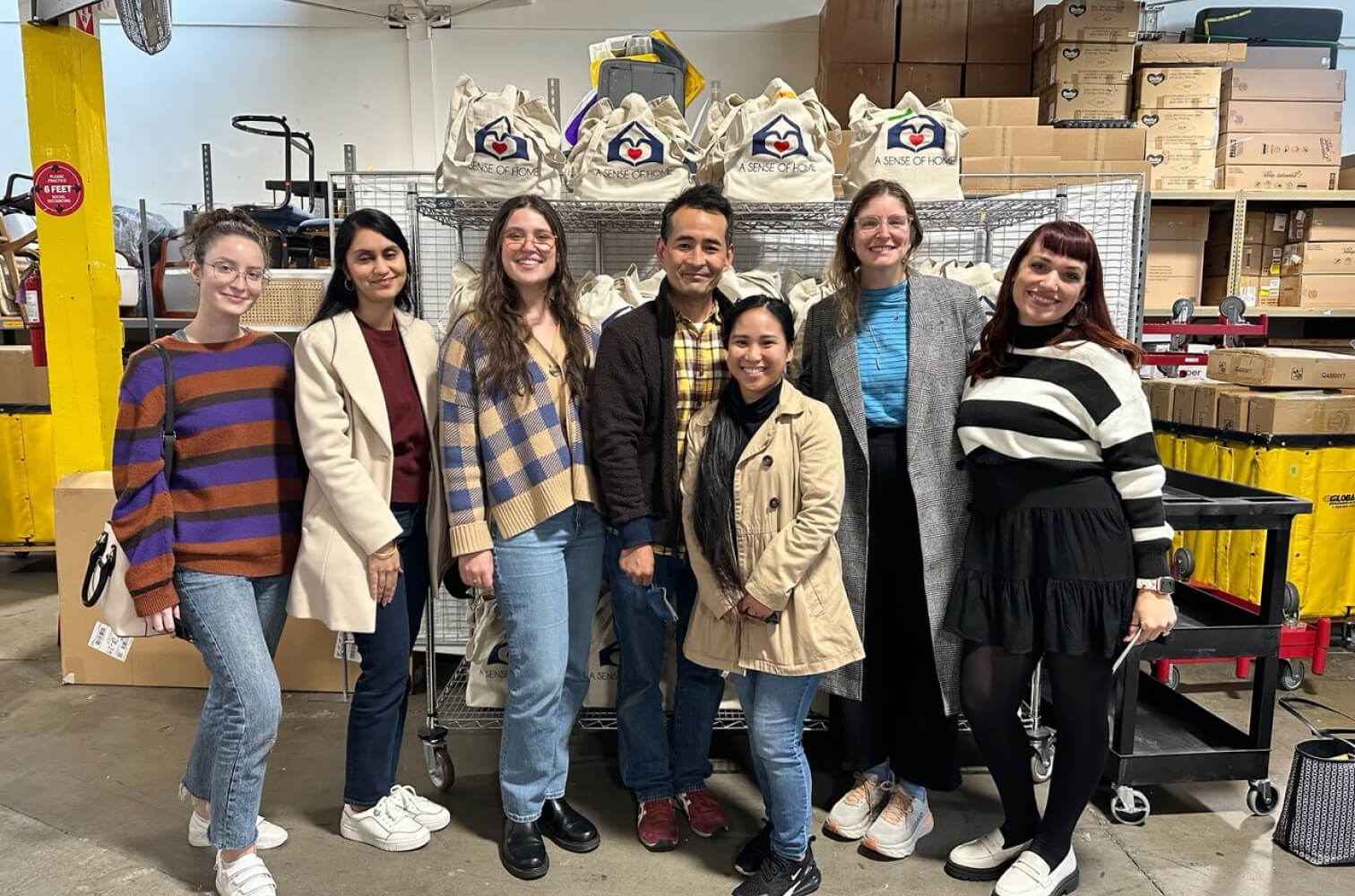
The business has also had less photogenic moments. Retail Dive reported roughly 100 layoffs in January 2023 as part of an internal restructuring. Growth in a household category does not remove exposure to a difficult economy. The company’s public giving program, meanwhile, names organizations including A Sense of Home and Chicago Furniture Bank, with usable returns donated to help furnish homes.
For another founder, the part worth copying is the sequence: identify a recurring annoyance, make the solution visible, then watch what customers struggle with after they buy. For a shopper, it is more practical: compare textures, check washer capacity and account for drying. Someone seeking hand-knotted wool, avoiding synthetic fibers or lacking suitable laundry access may prefer another kind of rug.
Bell describes her ambition as “premium style that still felt livable.” The test of that promise happens well after the delivery box disappears. Can the owner enjoy the pattern, clean the mess and get on with the day? The dog, reliably, will supply another opportunity to find out.