home-decor
(44)
Havenly Brands is buying the room.
It started with an empty apartment and a decorating problem. Now Havenly Brands is assembling the furniture, the designers, and the machinery that gets a room from wish list to real life.

Framebridge and the art of getting around to it
A $1,600 framing bill sent Susan Tynan looking for a better way. The company she built reveals how much work it takes to make a personal purchase feel simple.
At Home Has Room for Everything. Even a Reset.
At Home built its business on a vast choice of affordable décor. After a costly financial reset, the next challenge is helping shoppers choose.

Tuckernuck Sells the Whole Weekend
A dress, a dinner party, a place you wish you were. Tuckernuck built its business by understanding how those things belong together.
Mixtiles took the hammer out of the picture
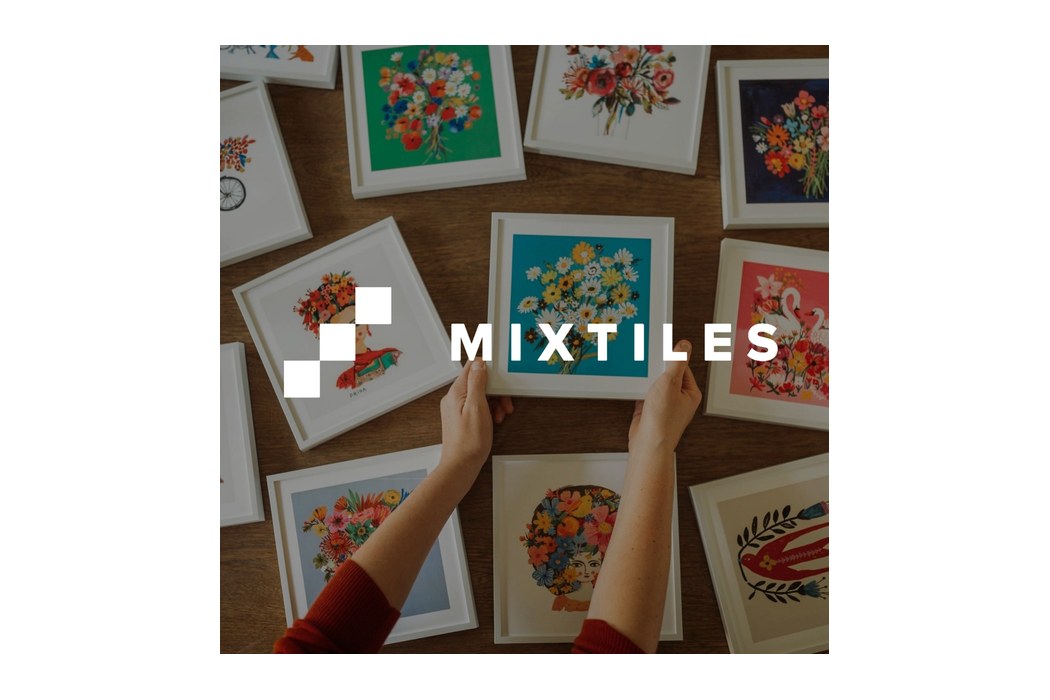
A photo on your phone is easy. A photo on your wall is a project. Mixtiles built a business by closing that surprisingly expensive gap.
Wooden Street sells furniture. The real product is confidence.
A sofa looks easy to buy until you have to live with it. Wooden Street built stores, factories and a delivery operation around that inconvenient little fact.

Shay Eyal and the distance between employee 21 and CEO
She joined Mixtiles in marketing, helped launch its move into plants, and became CEO in 2025. Her career follows the practical work behind a company that wants to make a home easier to love.
JECO and the business of a little backyard theatre
A fountain dressed as an old water pump. Wicker made from resin. JECO sells familiar outdoor scenes - and the ordering, shipping and upkeep behind them tell the more interesting story.
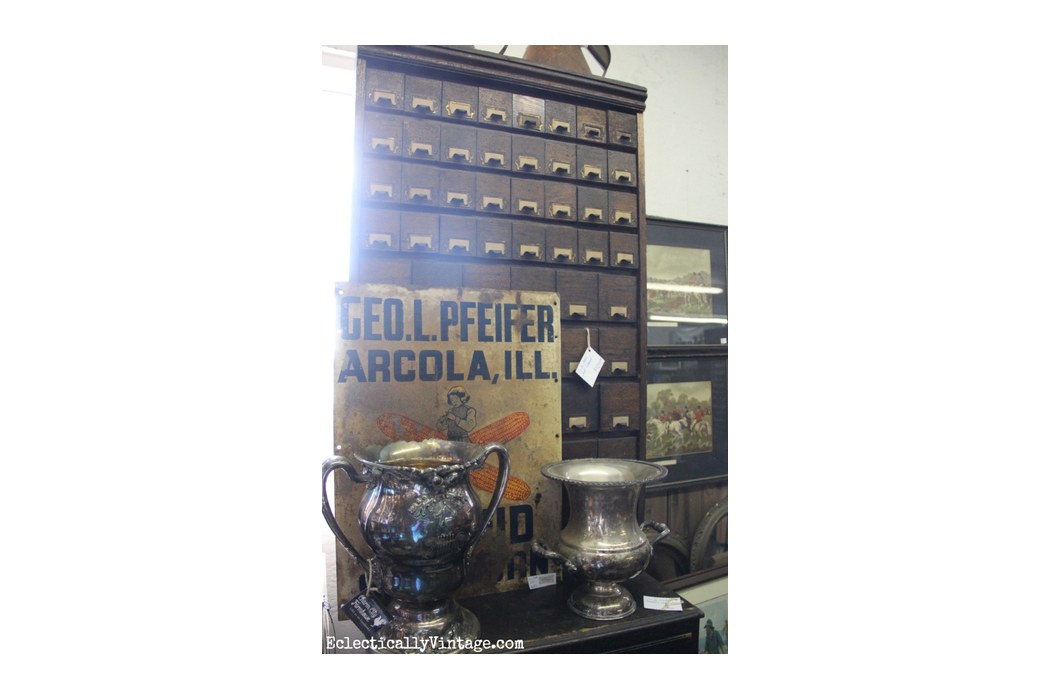
Sweet Clover sells old things. The shop keeps changing.
From a Maryland dairy barn to downtown Frederick, Sweet Clover built a business around vintage finds, mixed styles and a reason to come back next month.

Ruggable made rugs washable. Then it changed the rug.
A puppy’s accident inspired a washable rug business. Years later, customer complaints pushed Ruggable to rethink the two-piece design that made its name.
Novica Built the Handmade Marketplace Etsy Couldn't: With Warehouses, Microloans and 27 Years of Patience
The Santa Monica company spent decades doing the expensive, unglamorous work that online marketplaces usually push onto sellers. Its lesson is not simply to cut out the middleman - it is to replace the useful parts of the middleman without swallowing the maker's margin.
The Mom Who Turned a Garage Full of Pots Into 1,300 Stores
Blaine Butler started making plant pots in her garage to feel better. Nine years later her matte-colored planters sit in 1,300 stores - and a Bloomingdale's or two.
The Easel That Brought Its Own Light
A one-product company from Phoenix bet that the problem with displaying anything was never the stand - it was the lighting. So they put the light in the easel.

The Irvine Shop That Buys Dead-Famous Brands and Sells Them Back to You
How a three-person back office in Irvine turned into the quiet machine that keeps Sharper Image gadgets, FAO Schwarz toys and Vornado fans on the shelf.

In 1998, Three Engineers Bet the World Wanted India's Gods Delivered
Long before Amazon reached India, three brothers in Delhi were mailing hand-cast bronzes and out-of-print Sanskrit texts to strangers overseas. Twenty-five years on, Exotic India still pays its 10,000 artisans upfront - and ships to roughly 160 countries.

The Flat-Pack Furniture Company That Put Solid Wood Back in the Box
Simpli Home built a North American furniture business around a plain proposition: flat-pack convenience does not have to mean disposable materials. Its real product is the supply chain that makes solid wood, storage and style travel in the same box.

The Quilt Shop That YouTube Built in a Town of 1,800
A family bought one longarm machine to help their parents through the recession. Fifteen years later, Jenny Doan's plain-spoken tutorials have turned a fading farm town into the center of American quilting.
The 96-Year-Old Startup Behind Your Shower Curtain
Mayzon has quietly built the shower rods, curtains and bath storage in millions of American bathrooms since 1929 - and it recently taught its shower curtains to fight bacteria.
The store that turned crates and barrels into a $2.5 billion habit
Two newlyweds back from a European honeymoon opened a Chicago shop that stacked its merchandise on the packing crates it arrived in. Sixty years later the crates are gone, the design studios are here, and the receipts read $2.5 billion.
The Waterbed Salesman Who Turned "No Phony Gimmicks" Into a $2.4 Billion Furniture Empire
A Connecticut waterbed salesman promised customers no phony gimmicks and fixed prices. Thirty-five years later, Bob's Discount Furniture rang the NYSE bell and set its sights on 500 stores.

Anthropologie Sells Taste at Retail Scale
A former Pennsylvania garage became a 254-store laboratory for turning curation, theatrical displays and private labels into a mass retail business. The trick is making scale feel like discovery.
Kravet
Kravet turned a New York tailor's eye for cloth into a trade-only system for designing entire rooms. A century later, its real product is not simply fabric - it is confidence at the moment a designer commits.
Scentsy, Inc. (Corporate Office)
The Idaho company turned a flameless wax warmer into a global direct-selling system. Now its real product is not just scent, but an assisted way to choose it.

Arhaus
Arhaus turned direct relationships with artisans, theatrical showrooms and made-to-order upholstery into a $1.38 billion business. Forty years in, its next act is less about selling a sofa than owning more of the room around it.

Baytonia
Behind a single furniture storefront in Saudi Arabia sits a marketplace that also warehouses, assembles and delivers - and quietly furnishes hotels, offices and government projects for the sellers who can't.

Altar'd State
Altar'd State is a Knoxville, Tennessee-based women's fashion and lifestyle retailer founded in 2009 by Aaron Walters and Brian Mason, built around a simple structural choice: give a fixed slice of revenue away every week rather than treat philanthropy as a marketing line item. Through its Mission Monday program, 10% of net proceeds from a designated day each week goes to a local nonprofit chosen by each individual store, a practice that has routed money to thousands of community organizations. The chain sells apparel, accessories, jewelry, gifts and home decor in boutique-style stores in malls and lifestyle centers across roughly 39 states, and online at altardstate.com. Altar'd State is the flagship of parent company Stand Out For Good, Inc., which also operates Arula (mid- and plus-size), Vow'd Weddings (bridal), Tullabee (baby and toddler) and AS Revival (activewear), plus a majority stake in Los Angeles furniture maker Lawson-Fenning. Reported annual revenue is in the $500-570 million range with roughly 2,700 employees.

Bealls, Inc.
Bealls, Inc. is a privately held, family-owned off-price retailer founded in Bradenton, Florida in 1915. Now in its fourth generation of Beall family leadership, the company operates more than 650 stores across roughly 23 states under the bealls, Bealls Florida and Home Centric banners, along with e-commerce sites. It employs about 14,000 people and generates annual sales of roughly $2-3 billion by outfitting value-minded families with branded apparel, footwear, accessories and home merchandise at prices marked well below traditional retail.

Burlington Stores, Inc.
Burlington Stores, Inc. is one of the largest off-price retailers in the United States, selling brand-name apparel, footwear, accessories, baby gear, and home goods at prices well below full-price department stores. Founded in 1972 as Burlington Coat Factory, the company built its business on opportunistically buying excess and closeout merchandise from thousands of vendors and passing the savings to shoppers through a rotating, treasure-hunt assortment. Headquartered in Burlington, New Jersey and trading on the NYSE under the ticker BURL, it operates more than 1,200 stores and is pursuing an aggressive small-format expansion toward a long-term target of 2,000 doors.

Mixbook
Mixbook is a Redwood City, California company that lets everyday people design and print highly customizable photo books, cards, calendars, wall art, and home decor. Founded in 2006 by UC Berkeley graduates Andrew Laffoon and Aryk Grosz, the bootstrapped-turned-venture-backed company pairs a flexible browser-based design studio with AI-assisted layout tools and print quality that has earned it top marks from Wirecutter and Tom's Guide. Its stated purpose is to help people be creative and connect with the people they love through the stories their photos tell.

Roller Rabbit
Roller Rabbit is a New York-based lifestyle brand built around vibrant, hand-blocked prints. Founded in 2003 by Roberta Freymann after she found a textile scrap depicting a roller-skating rabbit, the label makes India-inspired sleepwear, ready-to-wear, kids' apparel, accessories and home goods. Its signature monkey-print pajamas turned into a TikTok-era cult item, and under owner RRR Brands the company has rebuilt itself as a direct-to-consumer business known for fast, limited-edition drops and sold-out collaborations.