home-furnishings
(34)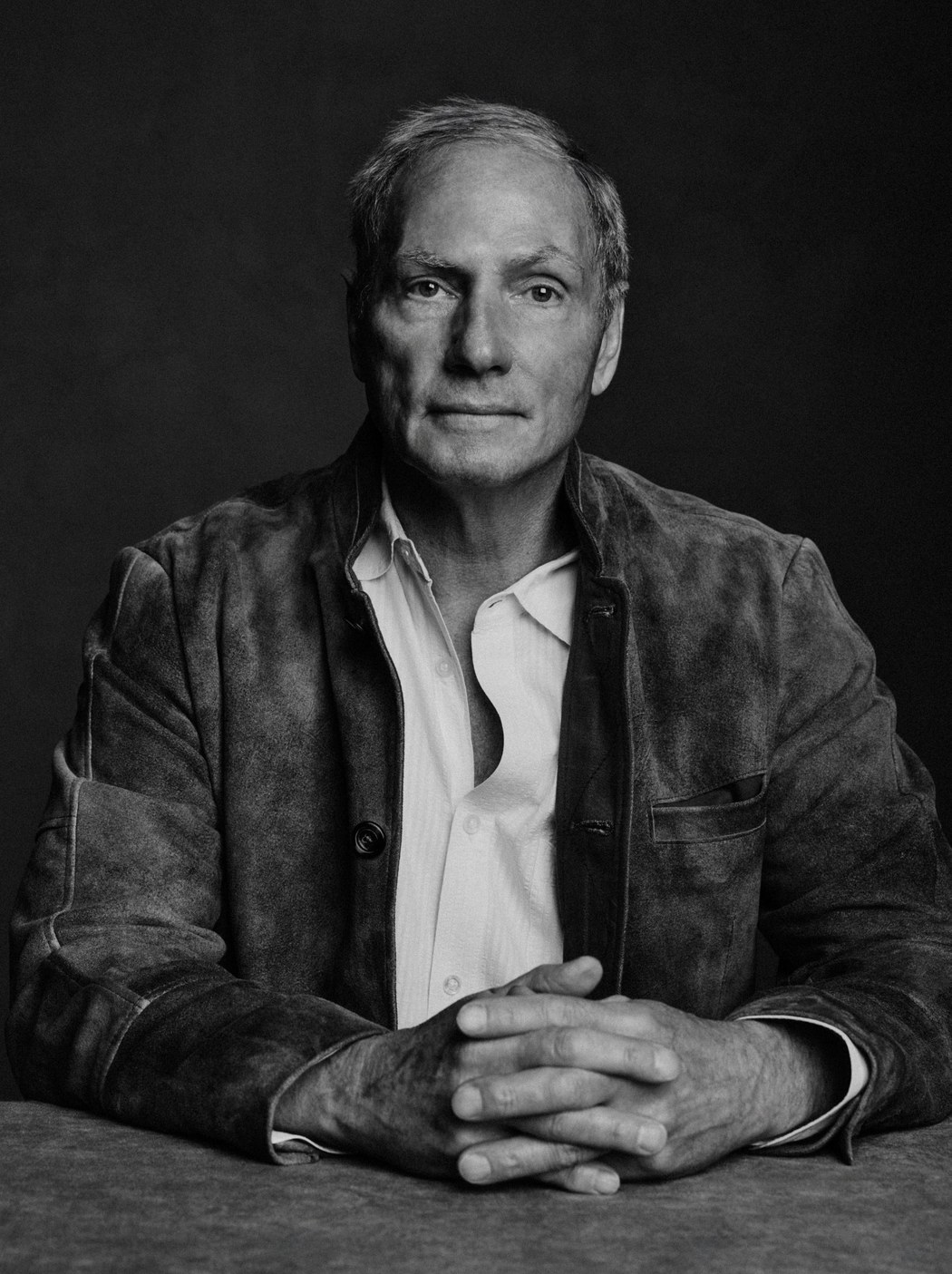
John Reed and the value of a small detour
A turn off the road in Italy helped shape Arhaus. Four decades after founding the business with his father, John Reed is still betting on the people who make the furniture.

Sam Malouf’s business got the bigger bedroom
Sam and Kacie Malouf started selling sheets from their apartment in Logan, Utah. The business grew when they learned to make room for other people.

The Company in the Middle
Steinreich Communications found a lucrative place between the freelancer and the global holding company: the complicated middle, where founder-led businesses move fast and the phone may ring at 11 p.m.

Hello PR Group knows who should hear about your chair
In the design business, a beautiful object still needs an introduction. Hello PR Group has built its practice around knowing which story to tell, who should hear it, and when to open the door.
Flores Designs and the art of leaving a little room
A family-owned California furniture maker turns sofas into a series of choices. The most useful lesson sits in the small print: even custom furniture needs room to breathe.

What Retailers Can Steal From Tepperman’s 100-Year Trust Machine
A Windsor peddler’s shop became a seven-store Ontario institution by treating credit, delivery and community memory as part of the product. Its centennial offers a useful playbook - and a warning - for every regional retailer fighting national chains and endless online aisles.

SUNPAN Built a Furniture Business for People Who Cannot Afford to Wait for Furniture
The Toronto company sells the tasteful middle - thousands of coordinated, contract-ready pieces backed by warehouses, showrooms and trade tools. Its real product is not the chair. It is fewer ways for a project to go sideways.

Jen Porter Built a Retail Career Across Every Place a Customer Can Look
From the merchant floor to a billion-dollar furniture brand, Porter learned to treat catalogs, screens and showrooms as one conversation. Her Arhaus chapter ended in July 2026, but the operating lesson is still useful: the channel is never the whole customer journey.
Floyd Sold You Half a Table - Then Built a Furniture Company for People Who Move
A $500 blue prototype became a $256,000 Kickstarter, then a venture-backed test of whether furniture can survive both your next apartment and the economics of shipping heavy things. Floyd's useful lesson is not minimalism. It is how to turn one stubborn design rule into a product system.

The Chilean Immigrant Who Turned One Whittier Furniture Store Into a SoCal Home Empire
Daniel Rosenberg landed in Los Angeles from Chile in 1989 with entrepreneurial mileage and not much else. Three decades later his family runs a furniture-to-refrigerators retailer that quietly out-locals the national chains across Orange County.

The Furniture Company That Built a Bank and a 32,000-Square-Meter Back Room
Muebles Jamar does not merely sell sofas. It coordinates local makers, extends household credit and moves bulky goods through one of Latin America's largest furniture distribution operations.

The Flat-Pack Furniture Company That Put Solid Wood Back in the Box
Simpli Home built a North American furniture business around a plain proposition: flat-pack convenience does not have to mean disposable materials. Its real product is the supply chain that makes solid wood, storage and style travel in the same box.

MadeiraMadeira Is Building the Operating System for Brazil’s Most Awkward Purchase
A sofa is easy to click and hard to move. MadeiraMadeira built a marketplace, a showroom network, a bulky-goods logistics arm and an assembly service around that inconvenient truth.

The Office Chair Became an Empire: Inside MillerKnoll’s Modern Design Machine
A century of modernism now runs through one portfolio - from Aeron chairs and Knoll classics to textiles, healthcare rooms and home stores. The bet is that the future of furniture belongs to a company that can sell an object, furnish a building and explain why the room should work that way.
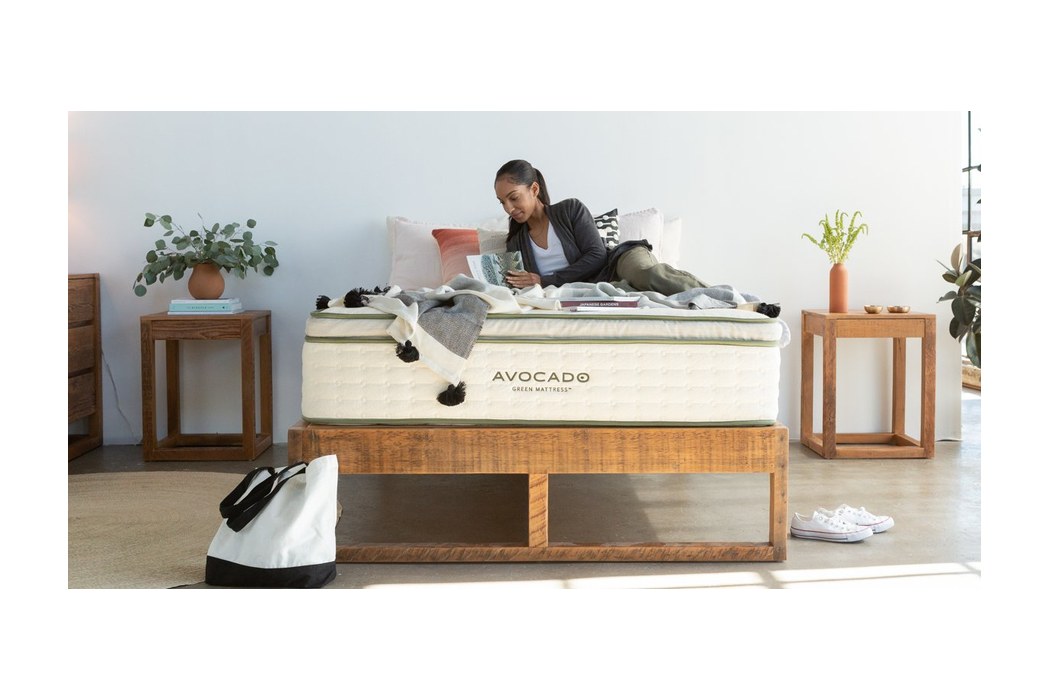
The Mattress Company That Bought Its Way Back to the Farm
Avocado entered the bed-in-a-box fight with a difficult proposition: organic materials, its own factories and proof for nearly every claim. A decade later, that operational burden has become the brand's clearest advantage.

The 49-Year-Old Sofa Company Betting Its Future on Furniture You Don’t Throw Away
King Living began with foam chairs strapped to a car roof. Its global pitch now rests on a harder idea: the most sustainable sofa may be the one engineered to survive your next house, your next fabric choice and your children.

The Hardest Part of Selling a Sofa Is Everything After the Click
Wayfair built a $12.5 billion business by making 40 million home products feel browsable - then taking responsibility for the awkward journey from a supplier's warehouse to a customer's living room.

Saatva Took the Mattress Store Online - Now It Plans to Build 60 of Them
The digital mattress pioneer built its name by skipping the showroom. Its next act is a national network of Viewing Rooms, tighter control of American manufacturing, and a bet that restorative sleep can be sold as wellness.

The store that turned crates and barrels into a $2.5 billion habit
Two newlyweds back from a European honeymoon opened a Chicago shop that stacked its merchandise on the packing crates it arrived in. Sixty years later the crates are gone, the design studios are here, and the receipts read $2.5 billion.

The Bedding Company That Turned a Sheet Problem Into a Sleep System
Malouf Home began with two newlyweds, an overpriced set of sheets and a spare bedroom full of inventory. Two decades later, it is trying to own the whole sleep system - from the fabric touching your skin to the app-controlled machinery under the mattress.
The 102-Year-Old Furniture Company Is Learning to Carry Less
Hooker Furnishings began with a steam whistle and a community-funded factory. A century later, its next act depends on a smaller portfolio, faster logistics and turning a vacation state of mind into a whole-home business.

Furniture Shopping Became a Spreadsheet. Furniture.com Wants to Make It a Conversation.
The internet gave furniture shoppers millions of choices and six new chores. Furniture.com is betting that one neutral decision layer - plus a chatty assistant named Dottie - can turn the browser-tab maze back into shopping.
The Waterbed Salesman Who Turned "No Phony Gimmicks" Into a $2.4 Billion Furniture Empire
A Connecticut waterbed salesman promised customers no phony gimmicks and fixed prices. Thirty-five years later, Bob's Discount Furniture rang the NYSE bell and set its sights on 500 stores.

Bassett Furniture Industries, Inc.
The Virginia furniture house that built a town, survived the offshoring of an entire industry, and now sells you a made-to-order sofa in 30 days.

Frank Fleischman
A philosophy major who ended up selling sleep, Frank Fleischman runs sales and marketing for one of America's oldest mattress names - and does it from the same New Jersey mill town where Sealy has been making beds since 1907.

Arhaus
Arhaus turned direct relationships with artisans, theatrical showrooms and made-to-order upholstery into a $1.38 billion business. Forty years in, its next act is less about selling a sofa than owning more of the room around it.

Baytonia
Behind a single furniture storefront in Saudi Arabia sits a marketplace that also warehouses, assembles and delivers - and quietly furnishes hotels, offices and government projects for the sellers who can't.

Bloomingdale's
Bloomingdale's is an American upscale department store founded in New York City in 1861 and now a division of Macy's, Inc. It sells designer fashion, beauty, accessories, and home goods across a national fleet of full-line stores, small-format Bloomie's locations, outlets, and bloomingdales.com. Known for its flagship at 59th and Lexington, the Little Brown Bag, and Forty Carrots frozen yogurt, it positions itself as America's only nationwide full-line luxury department store and has been Macy's fastest-growing banner through the mid-2020s.

Macy's
Macy's is one of America's best-known department store chains, founded in 1858 by Rowland Hussey Macy in New York City and now the flagship nameplate of Macy's, Inc. (NYSE: M). The company sells apparel, accessories, beauty, cosmetics, footwear and home goods across roughly 450 stores and macys.com, and also operates the higher-end Bloomingdale's and the beauty specialty chain Bluemercury. Anchored by its Herald Square flagship and cultural touchstones like the Macy's Thanksgiving Day Parade and Fourth of July fireworks, Macy's is executing a multiyear turnaround called the 'Bold New Chapter' under CEO Tony Spring.

Ralph Lauren
Ralph Lauren Corporation is an American luxury lifestyle company founded in 1967 by designer Ralph Lauren, who started by selling neckties under the Polo name. Today it is a global house of brands spanning apparel, footwear and accessories, home, fragrances, and hospitality, selling an aspirational vision of timeless American style across roughly 24,000 employees and more than $8 billion in annual revenue. Known for its polo-player emblem and cinematic marketing, the company operates a direct-to-consumer, omnichannel model of retail stores, wholesale partnerships, digital commerce, and licensing that reaches customers in over 100 countries.