The Chilean Immigrant Who Turned One Furniture Store Into a SoCal Home Empire
Daniel Rosenberg landed in Los Angeles from Chile in 1989 with entrepreneurial mileage and not much else. Three decades later his family runs a furniture-to-refrigerators retailer that quietly out-locals the national chains across Orange County.
There is a particular kind of American business that never trends. It does not raise a Series A, does not ship a manifesto, does not get profiled for its four-day week. It just opens the doors every morning, sells people the things that fill a house, and compounds quietly for thirty-five years. Daniel's Home Center is one of those. It sells sofas and refrigerators and flat-screens and mattresses out of three big showrooms in Southern California, and it has been doing so, in one form or another, since the spring of 1991.
The founder, Daniel Rosenberg, arrived in Los Angeles from Chile in 1989. He brought years of entrepreneurial experience and, by 1991, had opened his first U.S. business: a furniture store in Whittier, launched with partners. It was small and unglamorous. It was also the seed of what would become one of the most recognized furniture names in Orange County - the kind of place a family drives to when the couch finally gives out and the apartment needs a real bed.
01 / What it actually doesEvery room of the house, under one roof
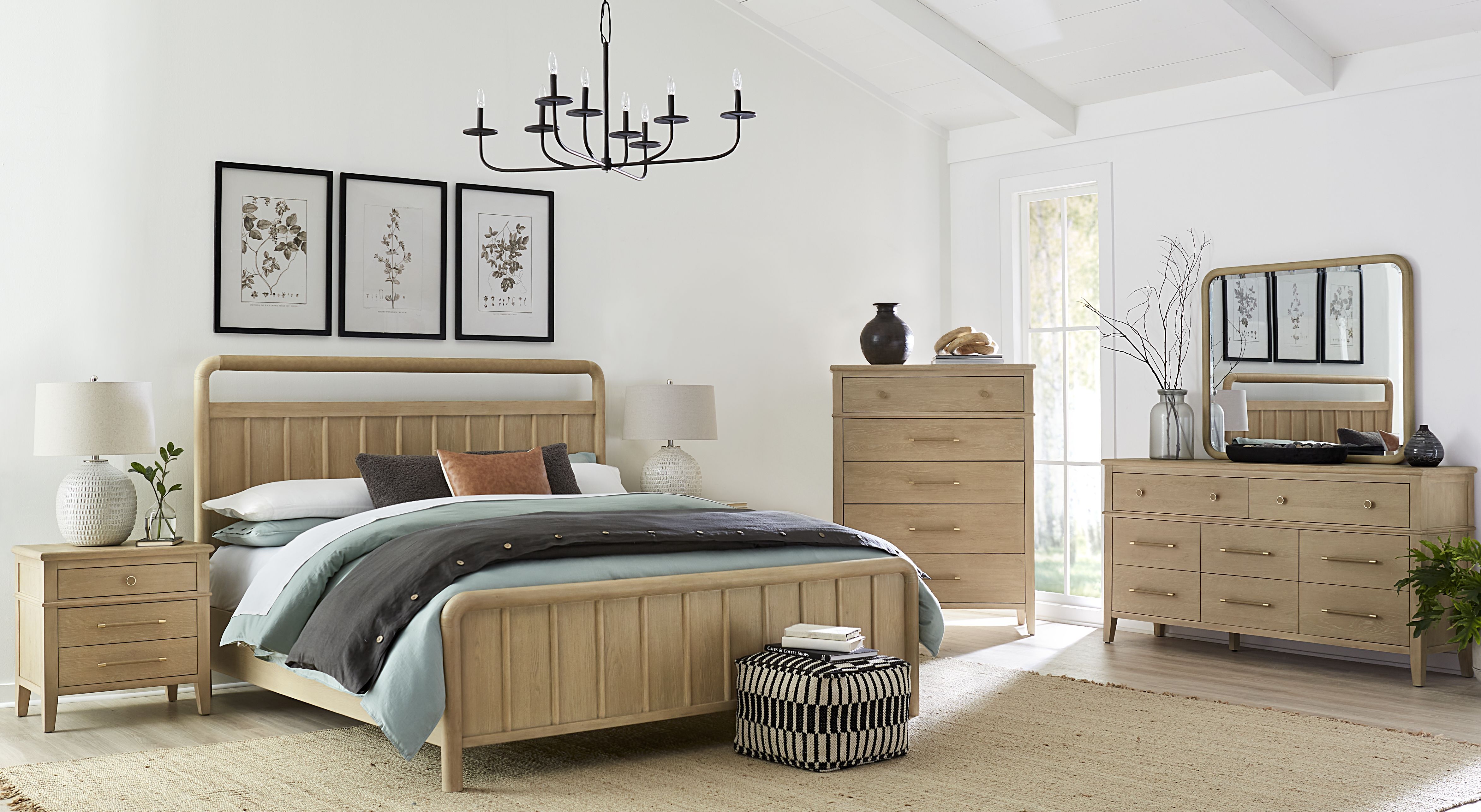
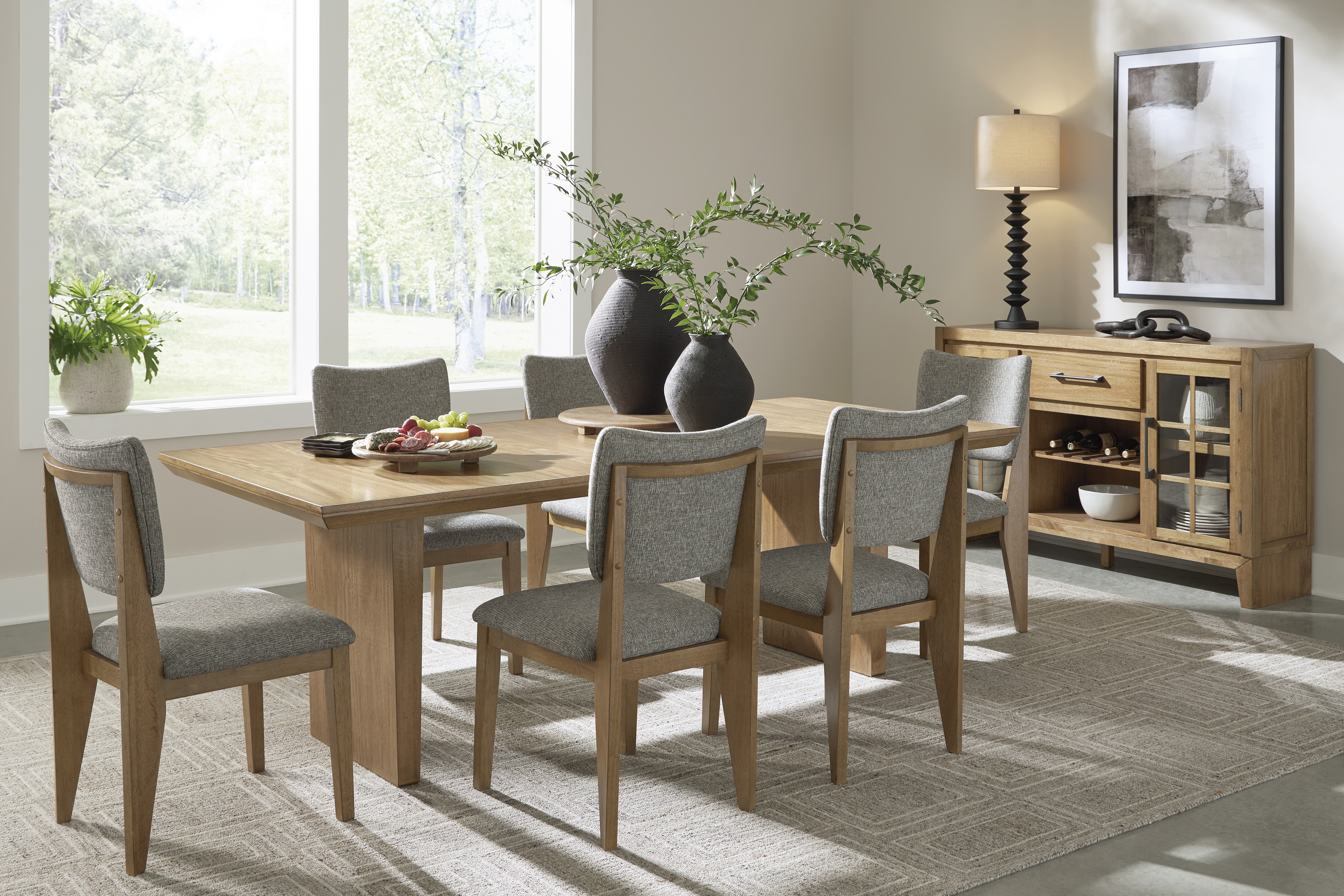
Most retailers pick a lane. You sell furniture, or you sell appliances, or you sell electronics. Daniel's picked all of them. Walk into the Anaheim store at 255 S Euclid and you can outfit a living room, a bedroom, a dining room, a home office and a patio, then walk a few aisles over and buy the French-door refrigerator, the washer and dryer, the TV, the gaming console and the mattress to go on that new bed frame. The company's own shorthand for this is blunt: Every room. One place.
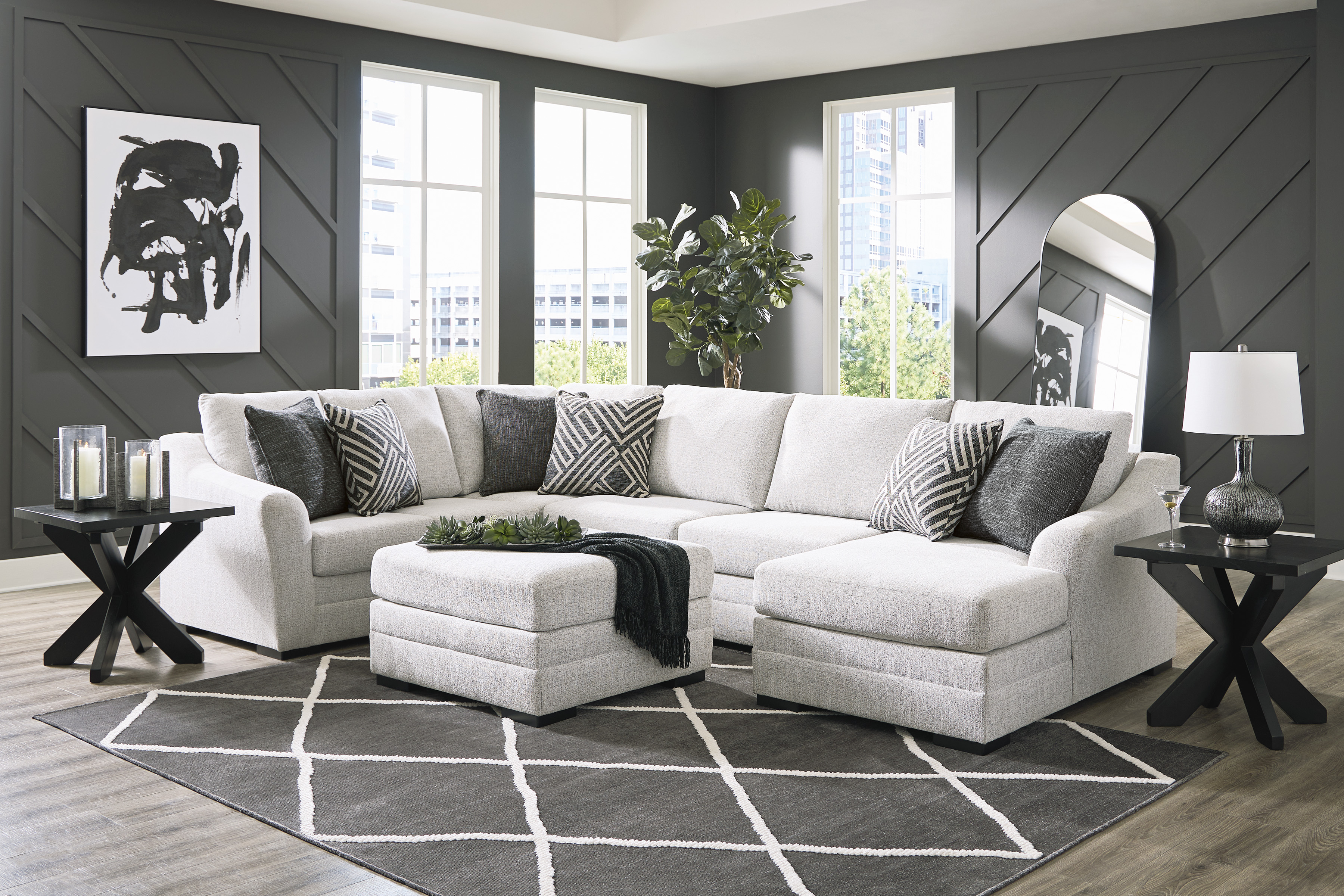
That breadth is the whole strategy. A household furnishing a first apartment or upgrading a family home rarely needs just one thing. Daniel's turns "I need a couch" into "I got the couch, the TV, and the fridge, and they're all being delivered Thursday." For a 47-person company, that is a lot of surface area to cover - and it is precisely the surface area the national chains split across four different stores.
02 / Who buys hereSouthern California households, not a demographic slide
The customer is regional and specific: families and renters across Orange County, Los Angeles County and the Inland Empire. Some are financing their first bedroom set. Some are replacing a refrigerator that died on a July afternoon. The common thread is that they want to see the thing, sit on the thing, and have a person - not a chatbot - help them get it home. Daniel's serves them out of showrooms in Anaheim, Cerritos and Chino, backed by a warehouse and a Magento-powered online store for the shoppers who already know what they want.
03 / The problem it solvesBuying big things is friction. Daniel's removes it.
Furniture and appliances are high-consideration, high-friction purchases. They are expensive, they are heavy, and they are hard to return. The two biggest reasons a sale falls through are money and logistics: the customer can't pay all at once, or can't get the thing home. Daniel's attacks both directly.
On money, it offers not one financing option but five. At checkout you can choose Affirm, PayPal Pay Later, Synchrony or Snap Finance, or the in-house Daniel's Financing with instant pre-approval. Snap's lease-to-own path means even a shopper with thin credit can walk out with a bedroom set. On logistics, it runs white-glove local delivery across Southern California - drivers who unpack, unwrap and set up - plus same-day pickup at the warehouse for anyone who has a truck and no patience.
Five ways to pay at checkout
What a founder could copy
1. Bundle the whole job, not one product. Solve "furnish the house," not "sell a couch."
2. Turn payment into a feature. More ways to pay is more customers who can say yes.
3. Own the last mile. Delivery-and-setup is the thing an online-only rival can't fake.
04 / The moatHow it differs from the chains and the sites
Daniel's competes against two different armies. On one side are the big-box and regional players - Ashley HomeStore, Living Spaces, Bob's Discount Furniture, RC Willey, IKEA for furniture; Best Buy and Home Depot for appliances and electronics. On the other are Amazon and Wayfair, who will happily ship a couch to your porch and leave the rest to you.
Daniel's answer to both is the same: be the local one. A national chain has a bigger balance sheet; it does not have thirty-five years of Orange County word-of-mouth. Amazon has infinite selection; it will not unbox your sectional and haul away the packaging. The company's edge is not a lower price - it is the combination of showroom, selection breadth, local delivery and payment flexibility that neither the giants nor the pure-play sites bother to assemble in one place.

05 / How the family grew itFrom partners in Whittier to a Mega Store
The arc is patient by design. Rosenberg opened with partners in 1991. By 2001 his family had joined the business fully, and Daniel's had built a real presence in Orange County. In 2004 came the flagship "Daniel's Mega Store" - and, in the same year, two things a furniture retailer had no obligation to do: the family founded a children's festival and the Rosenberg Senior Center. The community line in the mission statement is not decoration; it is on the ledger.
06 / The business, in plain termsMargin on goods, stickiness on service
The model is unfashionably simple: buy home goods at wholesale, sell them through showrooms and online, earn margin on the product. Where it gets interesting is the attach. Financing partners widen the pool of people who can buy today. Local delivery and warehouse pickup make Daniel's the easy choice for anyone who can't strap a dining set to the roof of a sedan. The tech stack under the hood is deeper than the headcount suggests - Adobe Commerce (Magento 2) behind Cloudflare, with Klaviyo and SendGrid handling the marketing email a modern retailer runs on.
07 / Where it fitsThe durable middle of home retail
Retail is supposed to be a bloodbath - the "retail apocalypse" was declared years ago. And yet a family furniture store that started with partners in Whittier is still standing, still shipping trucks across Southern California, still running its Labor Day sale. Daniel's sits in the durable middle: too local for Amazon to out-service, too broad for a single-category specialist to match, too trusted for a new entrant to displace overnight.
08 / Where it wouldn't workThe honest limits
This model does not travel everywhere. It leans on a dense regional market - Southern California's population is what makes three showrooms and a delivery fleet pencil out; run the same play in a thin rural county and the economics wobble. It depends on foot traffic and local reputation, both of which take decades to build and can't be bought. And the financing that widens the customer pool cuts both ways: customer reviews are mixed, with some disputes over financing terms and service that come with the territory of selling big-ticket items on installment. The blueprint is copyable. The thirty-five years are not.
The unglamorous truth of Daniel's Home Center is that its advantage compounded slowly and can't be shortcut: show up, stock every room, make it easy to pay and easy to receive, and keep doing it until the neighborhood assumes you were always there.