The Fan Brand That Went to War With Noise - and Won a Third of Amazon
It sells fans, heaters and air conditioners - the least glamorous corner of the appliance aisle. So why does DREO now command roughly a third of the category on Amazon, and what did it figure out that Lasko and Honeywell didn't?
Walk down the appliance aisle and your eyes glaze over. Fans, heaters, humidifiers - the stuff you buy once, hate slightly, and forget about until it rattles at 2 a.m. It is the corner of the store nobody photographs for a mood board. DREO looked at that same shelf and saw a business worth building, because it spotted the one flaw everybody had learned to tolerate: the noise.
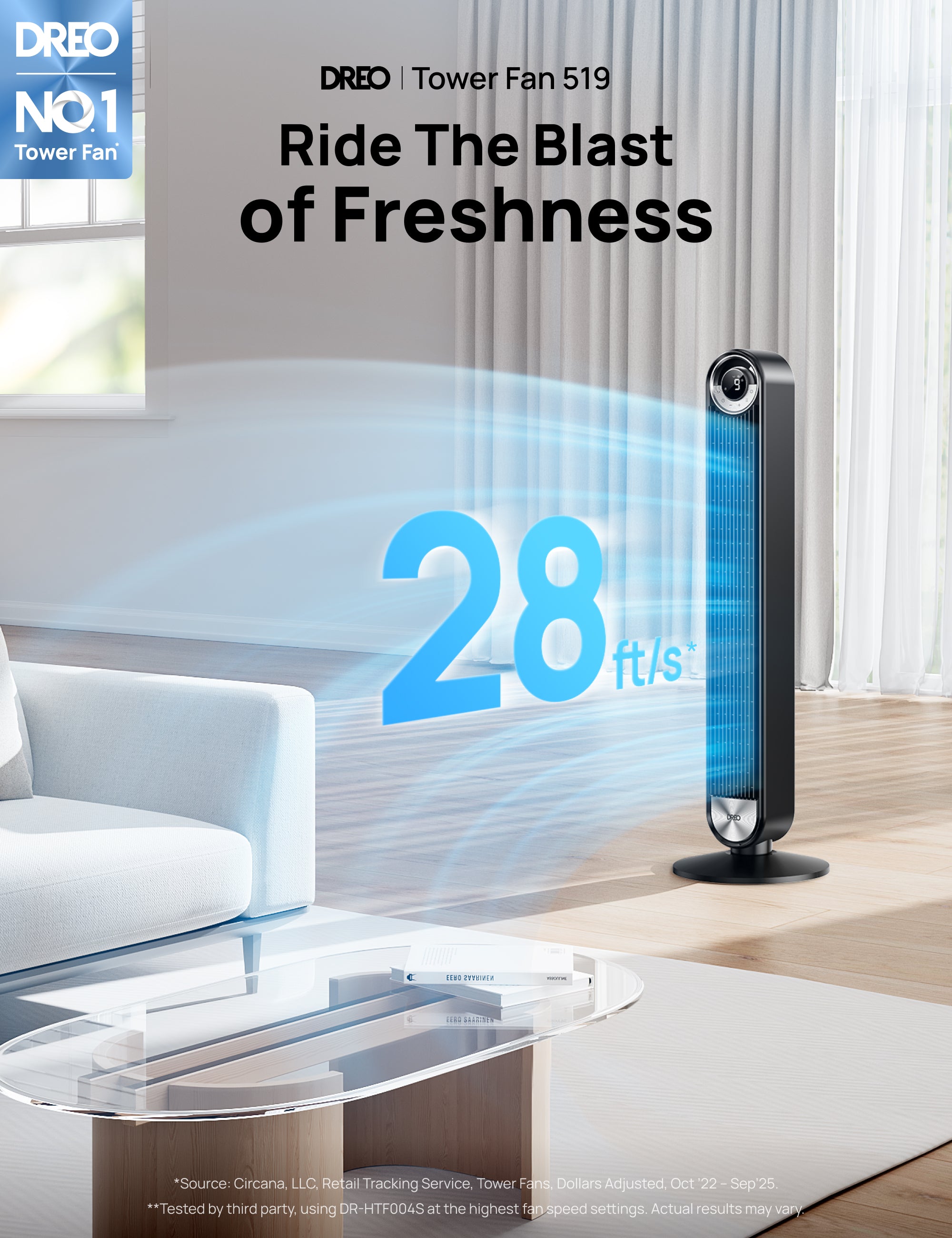
DREO is a smart home-comfort company that launched around 2021, run largely by engineers, selling tower fans, space heaters, air purifiers, portable air conditioners and humidifiers. Instead of competing on a lower price or a louder logo, it picked a single, unglamorous problem - appliances that whir, hum and buzz - and treated it like a hardware challenge worth years of work. The payoff is unusual for the category: DREO is now the No. 1 fan and heater brand on Amazon in the United States, holding roughly a third of the segment, with its tower fan line alone clearing more than $50 million in global sales in a single year.
01 / The BetWhat DREO actually did
The company's core insight is almost boring, which is why it worked: a fan is a motor with a grille bolted on, and most of what people dislike about fans comes from the motor. So DREO wrote its own FOC (field-oriented control) algorithm - the software that governs how a brushless motor spins - specifically to make its motors run smoother and quieter. Pair that with an aerodynamic design it markets as HyperSilent, and you get the whole pitch in one word: quiet.
That is the trick most incumbents missed. Lasko, Vornado and Honeywell sold fans on price and airflow. DREO reframed the category around annoyance reduction, then marketed silence as a headline feature rather than a footnote. On a product page where the buyer can't feel the breeze, a lower decibel number does the selling.
02 / The BuyerWho's actually buying
DREO's customer is the mainstream household, not the design snob with a Dyson budget. These are people who want a fan that looks good enough for the living room, runs quietly enough for the bedroom, and costs a fraction of the premium alternative. The geography follows the marketplaces: DREO holds top Amazon share not only in the US but in the UK and Germany, and its European tower-fan business alone is reported at around $15 million.
There is a second, quieter tell in the numbers. A fan-and-heater brand has an app with more than 500,000 monthly active users and a 4.9-star rating. People do not usually open an app to run a fan. That they do here suggests DREO sold them on an ecosystem - schedules, eco modes, voice control - not just a box that blows air.
03 / The ProblemsThe little miseries it targets
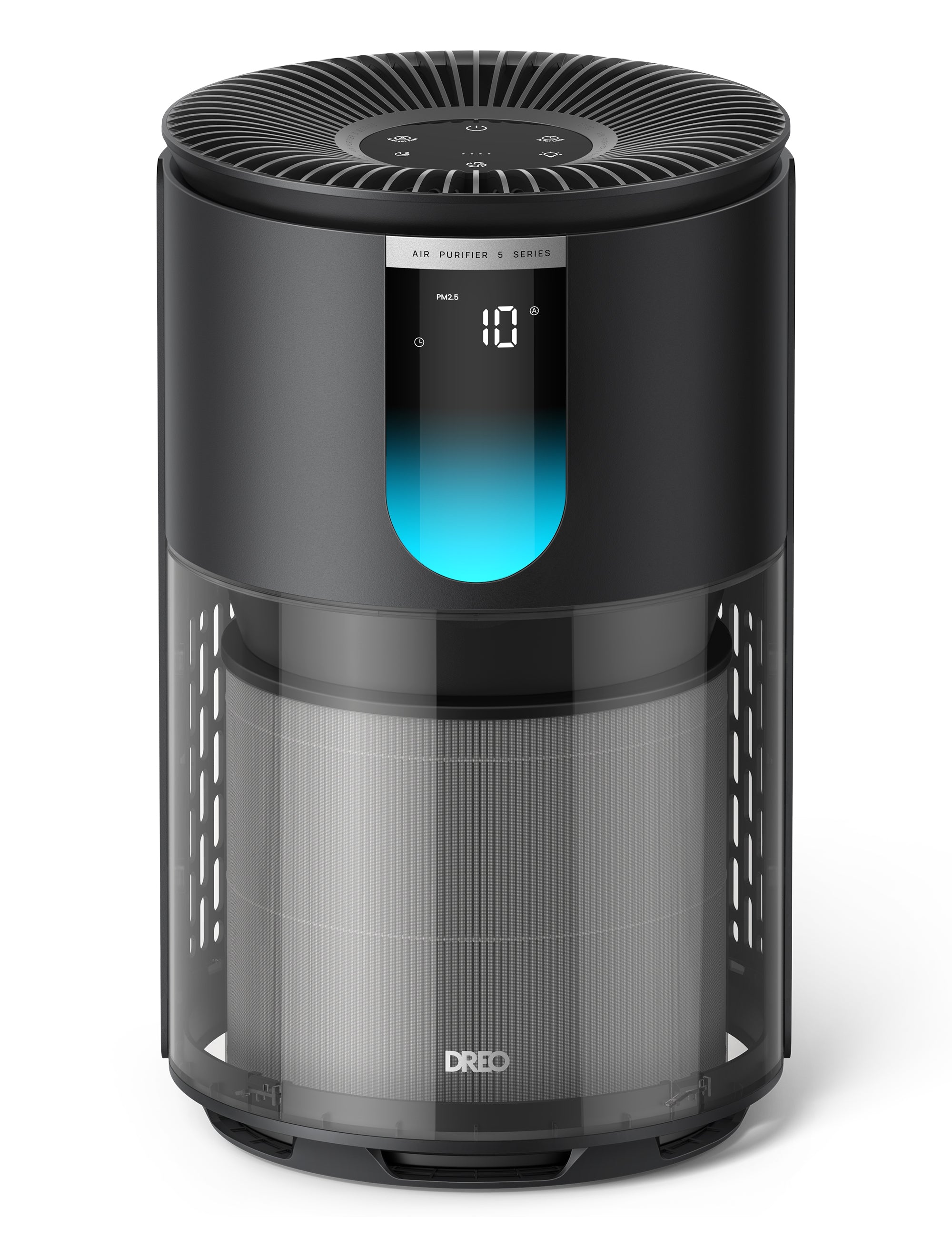
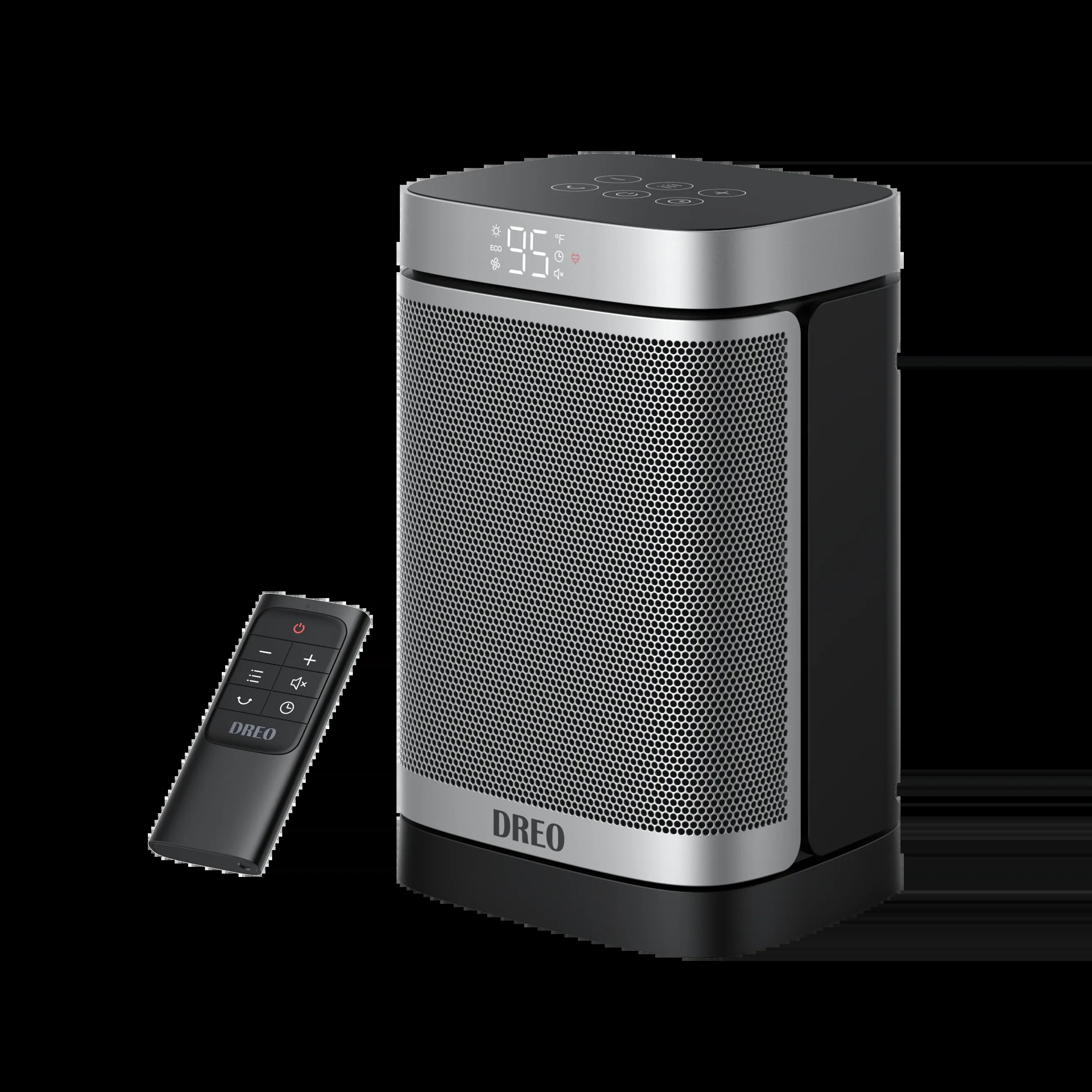
DREO's product roadmap reads like a list of grievances, methodically checked off. Fans are loud - build a quieter motor. Space heaters are a fire worry - add Shield360 multi-layer protection and automatic shut-off. Portable air conditioners are loud and force you to empty a drain bucket - so the AC319S adds Noise-Isolation Technology said to run about 16% quieter and a drainage-free system that evaporates the water for you. Each product picks the single most-hated thing about its category and makes fixing it the marketing.
04 / The DifferenceHow it's not just another cheap brand
Plenty of value brands undercut on price and lose on quality. DREO's separation is that its cheapness is engineering-led, not corner-cutting. The FOC algorithm is proprietary software, not a bought-in part. The company has been granted US design patents for its tower fan and air-cleaner forms. And it keeps shipping features the incumbents don't bother with: at CES 2025 it showed the PolyFan 707S, a fan that uses millimeter-wave radar - the same sensor family used in cars - to detect where you are and steer the airflow toward you.
05 / The LineupProducts and services
DREO now spans most of the home-comfort shelf and is pushing into the kitchen:
The tower and PolyFan lines are the flagship. The 2-in-1 Tower Fan & Heater (MC706) folds cooling and heating into one year-round unit using Hyperamics heating. Air purifiers and humidifiers round out the air-quality side. And the ChefMaker line - an AI Chef Assistant with a temperature probe, CombiCook technology and 100+ app recipes - is DREO's bet that the same connected-home logic that sold fans can sell dinner.
06 / The MachineBusiness model & market fit
DREO is a direct-to-consumer and retail hardware business. It won online first - Amazon marketplaces plus its own Shopify store - where reviews and spec sheets carry the sale, then used that momentum to walk into more than 11,000 physical stores from a position of strength. The connected app is the flywheel: once a household owns one DREO device and the app that runs it, the next fan, heater or purifier is an easier sell.
Its place in the market is the value-plus-design middle: below Dyson's premium tier, above the commodity floor of the old guard. In fans and heaters its named rivals are Lasko, Vornado, Honeywell and Dyson; in purifiers, Levoit, Coway and Winix; in portable ACs, Midea, LG and Whirlpool. DREO's answer to all of them is the same - out-engineer the one thing customers complain about, and let the ranking sort itself out.
07 / The TakeawayWhat you can steal from it
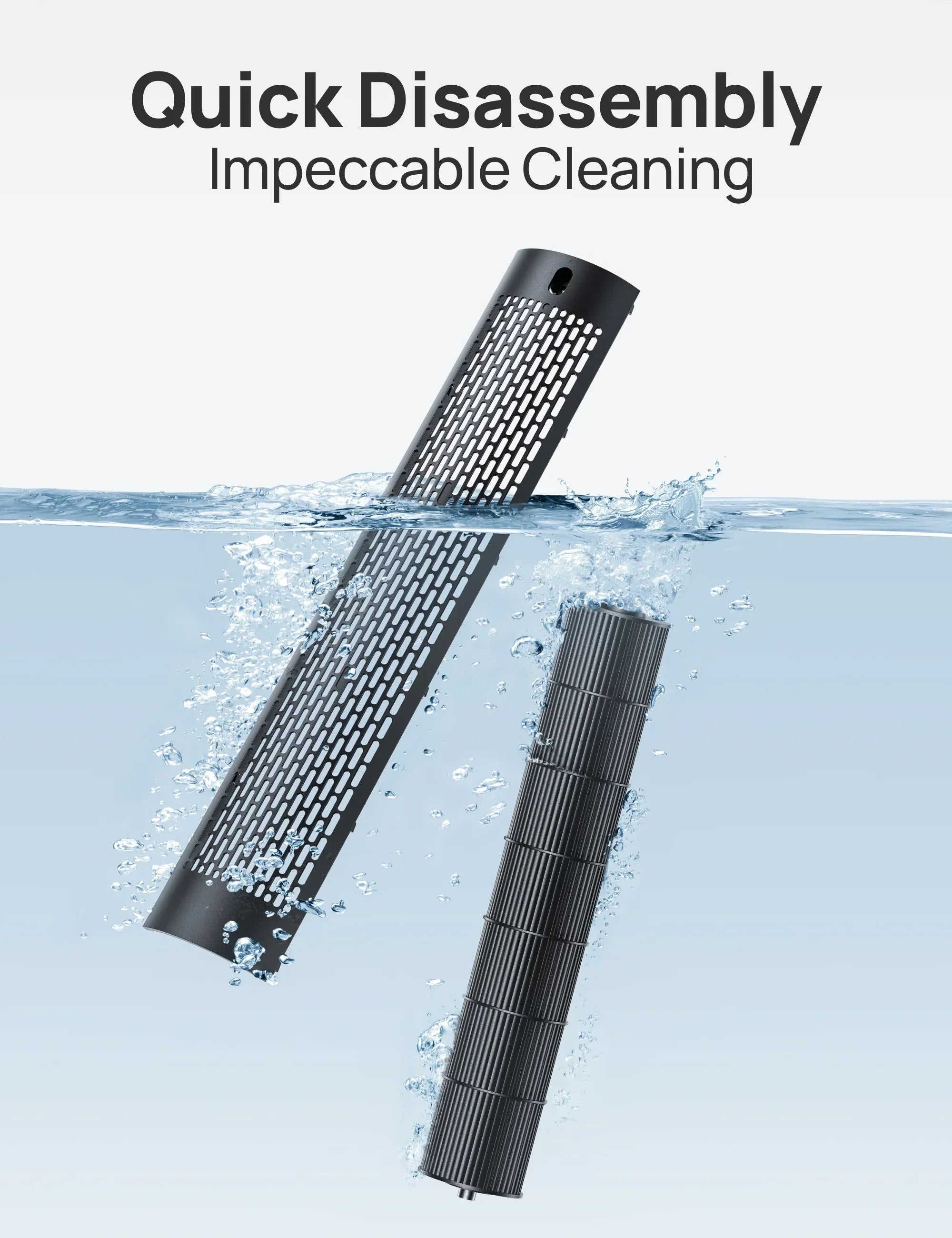
The DREO playbook is portable. Pick a boring, unloved category. Find the one flaw customers have quietly accepted. Out-engineer that single flaw and make it your headline feature. Win the channel where the spec sheet - not the salesperson - closes the deal. Then expand into adjacent categories that plug into the same app and the same trust. It works best where a genuine, fixable annoyance exists and where reviews drive purchases. It works less well in categories where brand loyalty or physical showroom experience dominates, or where the "flaw" is subjective enough that no engineering fix reads as obviously better on a product page.