Company Profile • Consumer Electronics
How the Company That Made Korea's First Radio Quietly Became a Software Business
It started by building Korea's first radio in a country still rebuilding from war. Nearly 70 years later, LG's fastest-growing money comes from the software inside the TV, not the TV itself.
In 1959, in a country still stitching itself back together after the Korean War, a company called GoldStar built the first radio ever manufactured in South Korea. It was a heavy, hand-assembled thing, and it mattered less for what it played than for what it proved: that Korea could make its own machines. Sixty-seven years later that company is LG Electronics, it sells in more than 100 countries, and the most interesting line on its income statement has nothing to do with hardware at all. It comes from software running quietly inside 260 million televisions.
That gap - between the radio and the software - is the whole story of LG right now. It is still, unmistakably, a maker of physical things: OLED TVs, refrigerators, washing machines, air conditioners, car parts. But the company is deliberately trying to shift its center of gravity toward revenue it can earn again and again, long after the box leaves the warehouse. Management even has a name for the destination: a "Smart Life Solution Company." Underneath the corporate phrasing is a bet almost every durable hardware business eventually makes - sell the machine once, then earn from it forever.
01What LG actually does
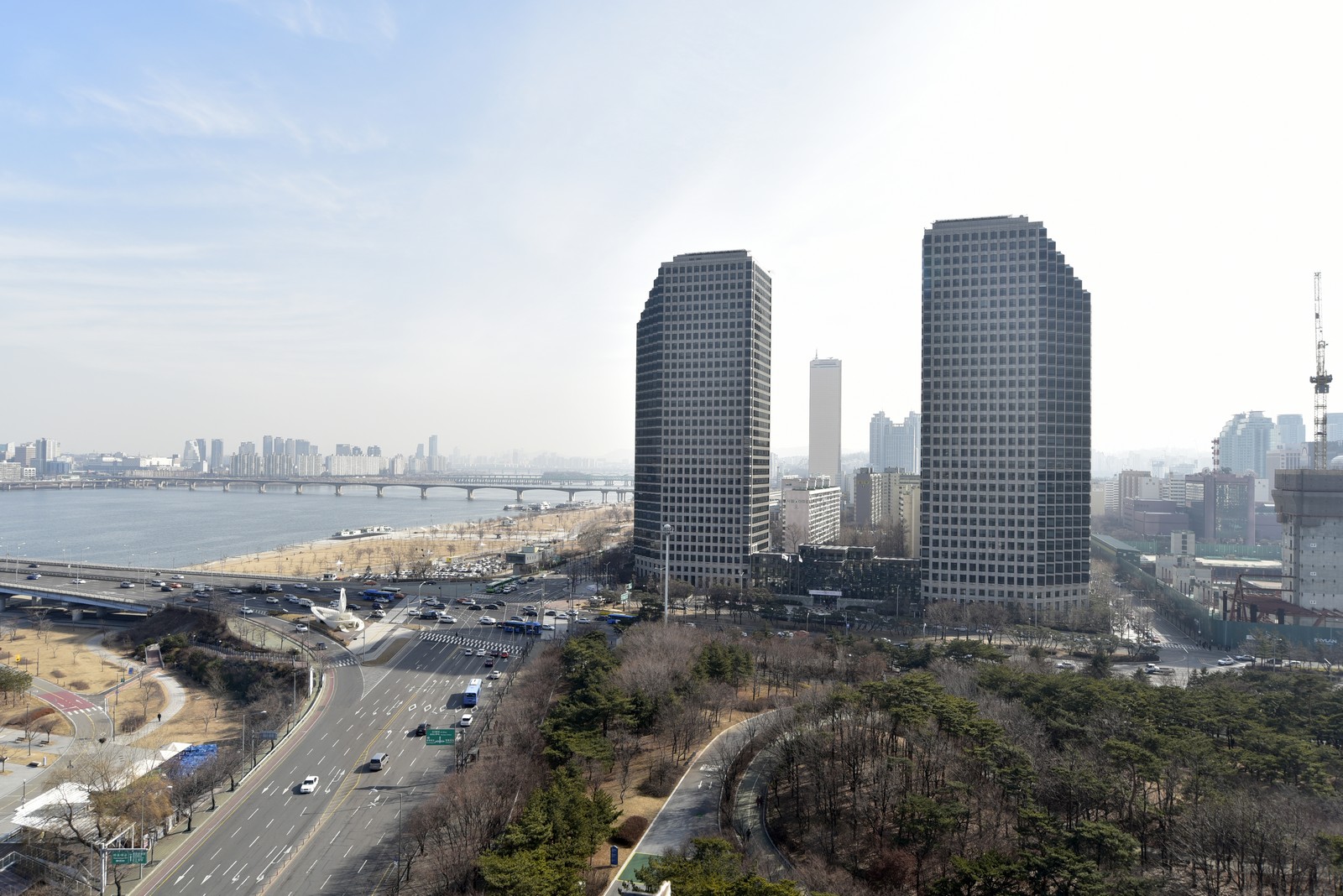
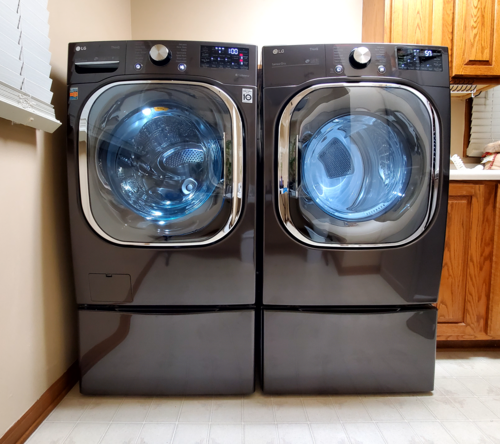
Strip away the branding and LG is organized into four "solution companies" plus a components arm. Home Appliance Solution builds the refrigerators, washers and the cult-favorite Styler steam closet. Media Entertainment Solution makes the TVs, monitors and the webOS platform that runs them. Vehicle Solution builds the increasingly software-heavy guts of modern cars. Eco Solution is the air-conditioning and HVAC business - the least glamorous line, and quietly one of the most important. Sitting alongside them is LG Innotek, which supplies camera modules and electronic components to LG and to outside customers.
The through-line is that LG tends to make the hard parts itself. It manufactures the OLED panels used in many rival televisions, which means some of its competitors ship LG glass inside their own sets. That vertical depth is why the company can afford to sell premium and still defend margins.
02Who buys it - and the quiet pivot to business customers
For most people, LG is a consumer brand: the TV on the wall, the fridge in the kitchen, the window unit fighting an August heatwave. That consumer base spans the roughly 100 countries where LG sells, and the North America unit - headquartered in Englewood Cliffs, New Jersey, with about 1,600 staff - is one of its biggest markets.
But the more telling growth is happening on the B2B side, where the customer is not a family but a car company, a commercial builder, or a data center operator. LG sells infotainment systems and EV powertrain parts to automakers. It sells chillers and heat pumps to developers. It sells webOS licenses to other TV manufacturers. These relationships are longer, stickier and far less seasonal than a one-time appliance sale - which is exactly the point.
The box was never the business. The relationship after the box is the business.The logic behind LG's platform pivot
03The problem it solves for you
At the household level, LG's pitch is unglamorous and durable: keep food cold, clean clothes without wrecking them, cool a room efficiently, and put a very good picture on the wall. The differentiator is usually engineering under the hood - inverter compressors and motors that LG backs with long warranties, or the self-lit pixels of OLED that produce true black without a backlight.
The newer promise is about time. Through the ThinQ app and webOS, LG wants your appliances to diagnose themselves, reorder their own filters, and hand off chores to software. At CES 2026 the company pushed that idea to its logical extreme with CLOiD, a two-armed home robot - each arm with seven degrees of freedom - built to demonstrate what LG calls the "Zero Labor Home." Whether or not a humanoid folds your laundry this decade, the direction is clear: LG is selling the removal of small daily frictions, not just the appliances that create them.
04How LG makes money - and how that's changing
The bulk of revenue still comes from selling premium hardware across those four solution companies. But layered on top is a deliberate stack of recurring income: webOS advertising and content fees across 260 million-plus devices; appliance subscriptions that bundle maintenance and have grown past KRW 2 trillion a year; and B2B contracts in HVAC and automotive that renew. It is the difference between a business that has to win every customer again each year and one that keeps earning from customers it already has.
The Q2 2026 numbers show why the pivot matters. Consolidated revenue hit KRW 23.83 trillion, a company record for the quarter, while operating profit jumped 147% year over year to KRW 1.58 trillion. Management credited premium leadership in the core businesses plus the higher-margin newcomers - webOS, subscriptions, and vehicle solutions.
Relative emphasis across LG's solution companies - core lines fund the growth lines.
05Where it's different from the competition
LG's most obvious rival is its neighbor, Samsung, and the two shadow each other across TVs, appliances and displays. In HVAC it faces Daikin, Carrier and Mitsubishi Electric; in appliances, Whirlpool, Bosch and Haier; in car components, Bosch, Continental and Harman. What separates LG is the combination of panel-level manufacturing and a platform - webOS - that it can license out. Owning both the screen and the operating system, and then renting that operating system to competitors, is a position very few rivals can copy.
webOS-enabled devices have surpassed 260 million worldwide.LG Electronics, 2026
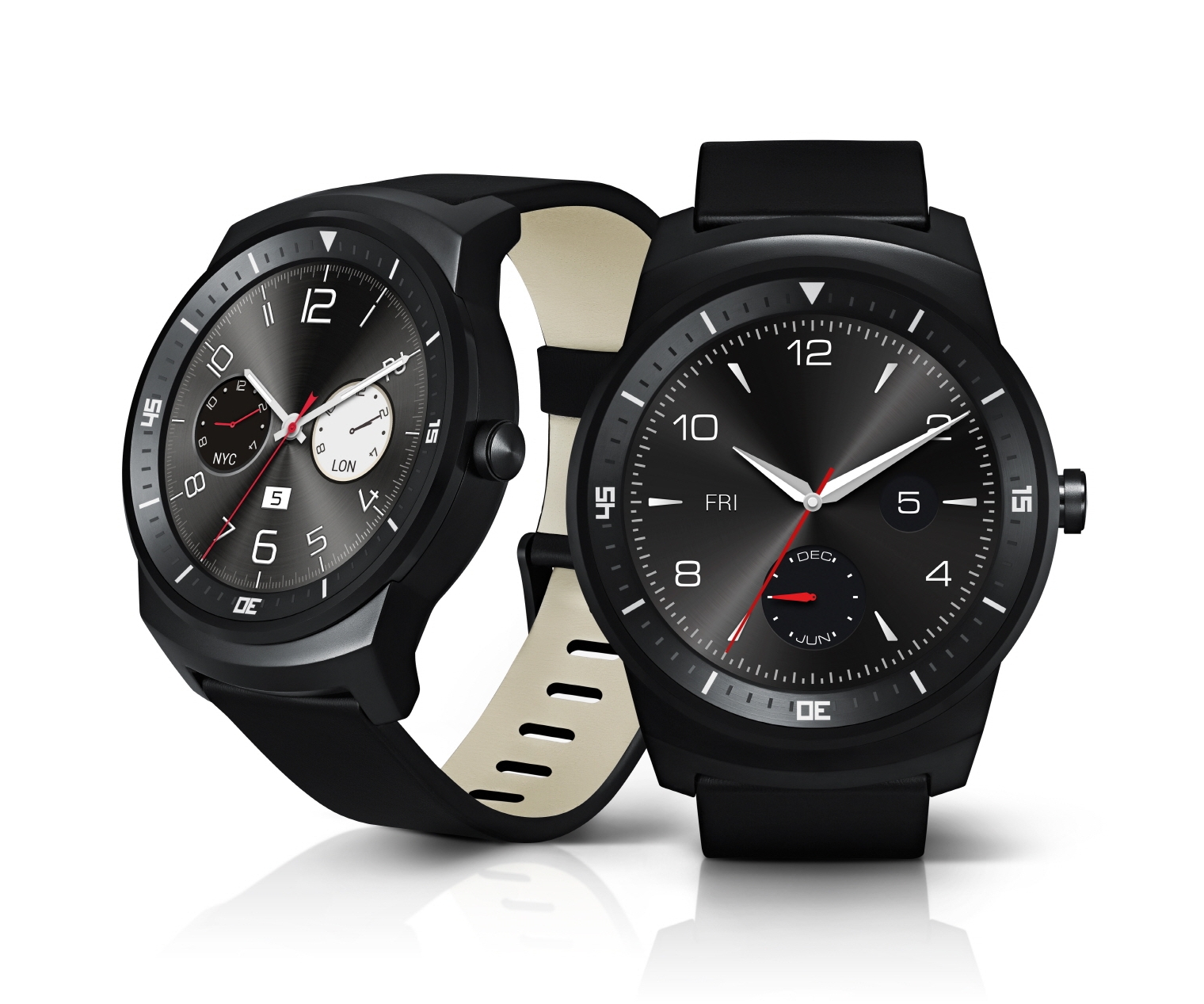
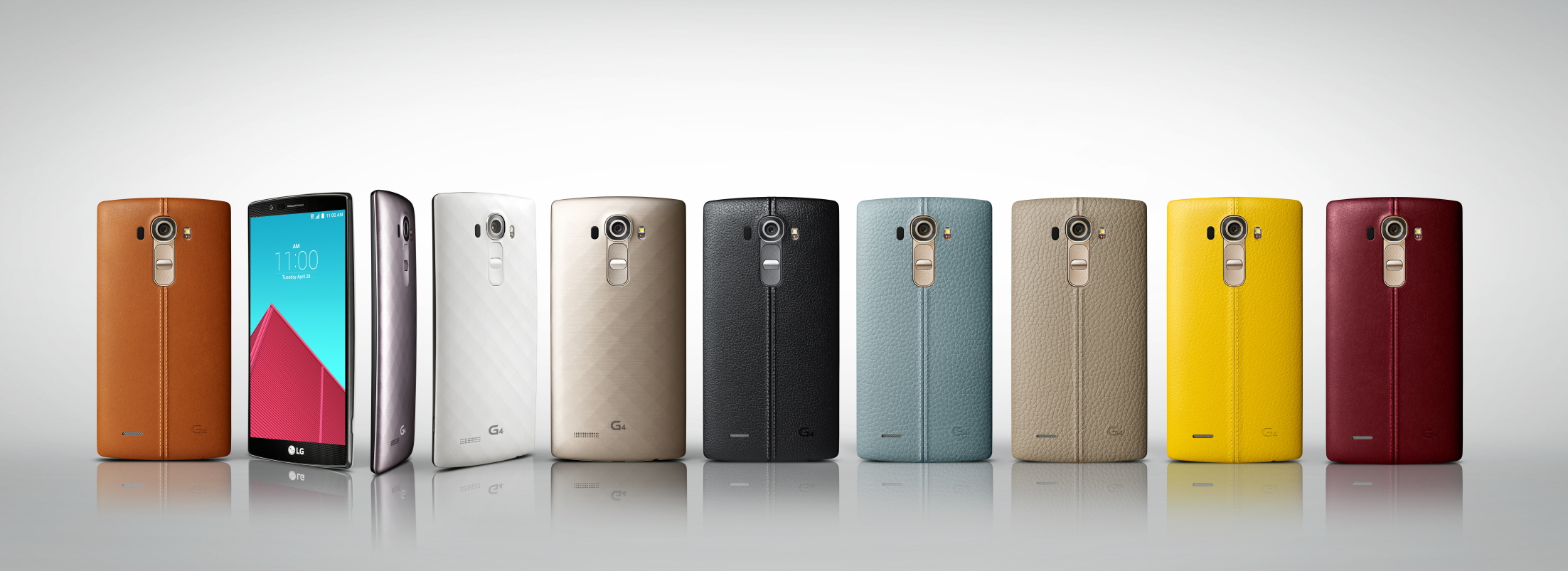
There is a reason to watch which businesses LG chooses to lead with. The company has shown it will walk away from a category it cannot win - phones being the obvious case - and redeploy the people and factories toward one it can. That willingness to cut is rarer than it sounds among giant hardware firms, and it is a large part of why LG's newer bets tend to be funded, staffed and shipped rather than merely announced.
06The expertise underneath
LG's advantage is accumulated engineering, not marketing. This is a company that made Korea's first radio, first television, first refrigerator and first air conditioner - decades of manufacturing know-how compounding into inverter compressors, OLED panels and, more recently, EV motors built through the LG Magna e-Powertrain joint venture. When LG exited the loss-making smartphone business in 2021, it did not throw that talent away; it pointed the mobile engineering muscle at automotive components, which is now a business turning over more than KRW 3 trillion a quarter.
07Where LG fits in the market
LG sits in an unusual spot: big enough to compete at global scale, yet increasingly betting on the least flashy corners of its portfolio. Its 2026 strategy, laid out by management, is only three pillars deep - raise quality, cost and delivery standards; expand B2B businesses like vehicle solutions and HVAC; and scale non-hardware platforms like subscriptions and webOS. The company is backing it with money, lifting future-growth investment more than 40% in 2026 toward AI home, smart factories, data-center cooling and robotics.
The tailwinds line up with the boring bets. Electrification is driving heat-pump and cooling demand. Cars are turning into computers, which is good for a components supplier. And every connected screen is a small, recurring annuity. LG spent decades being the company that made the hardware in your home. The next decade is about becoming the company you can't quite unplug from.
For a company whose slogan has been the same three words since 1995 - Life's Good - the reinvention underneath is remarkably restless. The radio proved Korea could build. The next proof LG is chasing is subtler: that a hardware giant can keep earning long after the hardware is sold.