shark-tank
(39)
Halle Tecco and the power of keeping score
She turned Shark Tank into a spreadsheet and a rejected job search into Rock Health. Halle Tecco keeps finding ways to make the rules easier for the next person to read.
Nirav Tolia’s theory of the people next door
A Cowboys fan found his people on the early internet. Three startups and a return to Nextdoor later, Nirav Tolia is still working out how strangers become useful to one another.
Jamie Siminoff and the trouble with answering the door
He built a video doorbell because he couldn’t hear visitors from his garage. Then Jamie Siminoff discovered how much could happen on the other side of a front door.
Max Brown and the business of taking a joke seriously
A banana-shaped phone put Max Brown on television. His other job - running the family leather company in Buffalo - helps explain how the joke became a business.
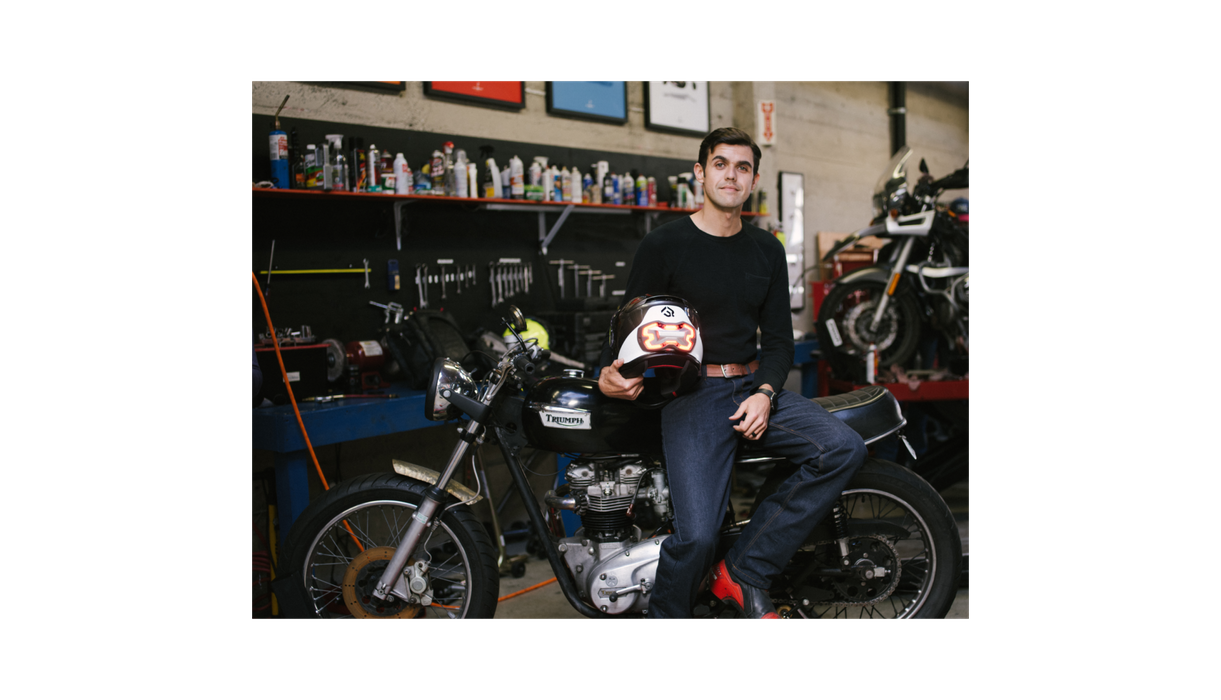
Alex Arkhangelskiy and the art of being seen
An apprenticeship gave Alex Arkhangelskiy a brake-light idea; a life on motorcycles gave him a better place to put it. The road from business school to Brake Free ran through patient engineering, crowdfunding and a television pitch.
Steve King and the business behind the punchline
With a potted plant and his son Josh, Steve King took MANSCAPED into Shark Tank. Behind the gardening jokes was the work of an early CEO: finding customers, building repeat sales and hiring people who could make the numbers work.
Steve Bofill keeps making the company smaller. The machines are another story.
He built a vending machine with his father, took it onto Shark Tank, and returned to aerospace with WaveAerospace. His career has a curious direction: smaller companies, harder things to build.
Doug Evans and the expensive art of making things simple
The Juicero founder put four tons of force behind a glass of juice. His next chapter took him to the Mojave Desert, a book, and the patient business of growing sprouts.
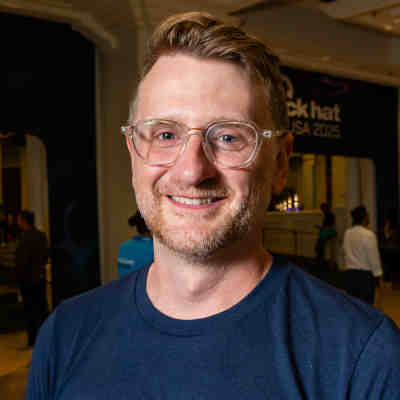
Aaron Walls and the trouble with leaving things unattended
A hot Atlanta apartment helped send Aaron Walls into brewing hardware. After crowdfunding, Shark Tank and years of helping other founders, the Boulder entrepreneur is working on another unruly system: AI agents.
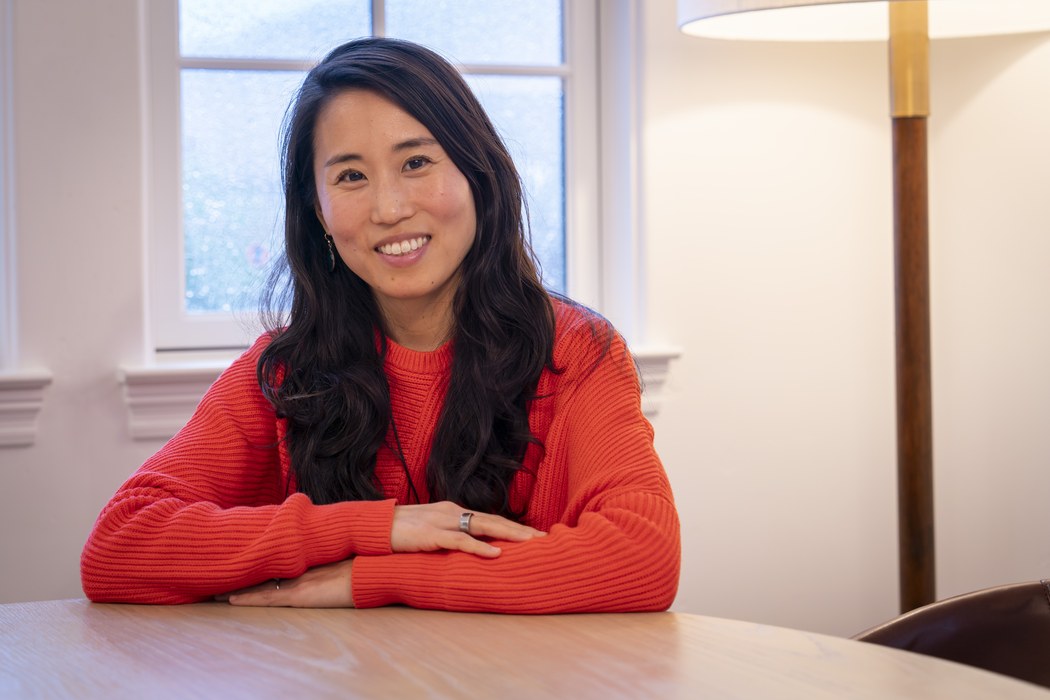
Arum Kang and the trouble with too much choice
Arum Kang helped turn a single daily introduction into Coffee Meets Bagel. Her story runs through three sisters, a $30 million television proposal, and the slow work of learning when to hold on and when to hand over.

Super Coffee got bigger. Then it got more focused.
Three brothers put protein in coffee and took it onto national shelves. Their next lesson was harder: deciding which bottles, customers, and costs deserved to stay.
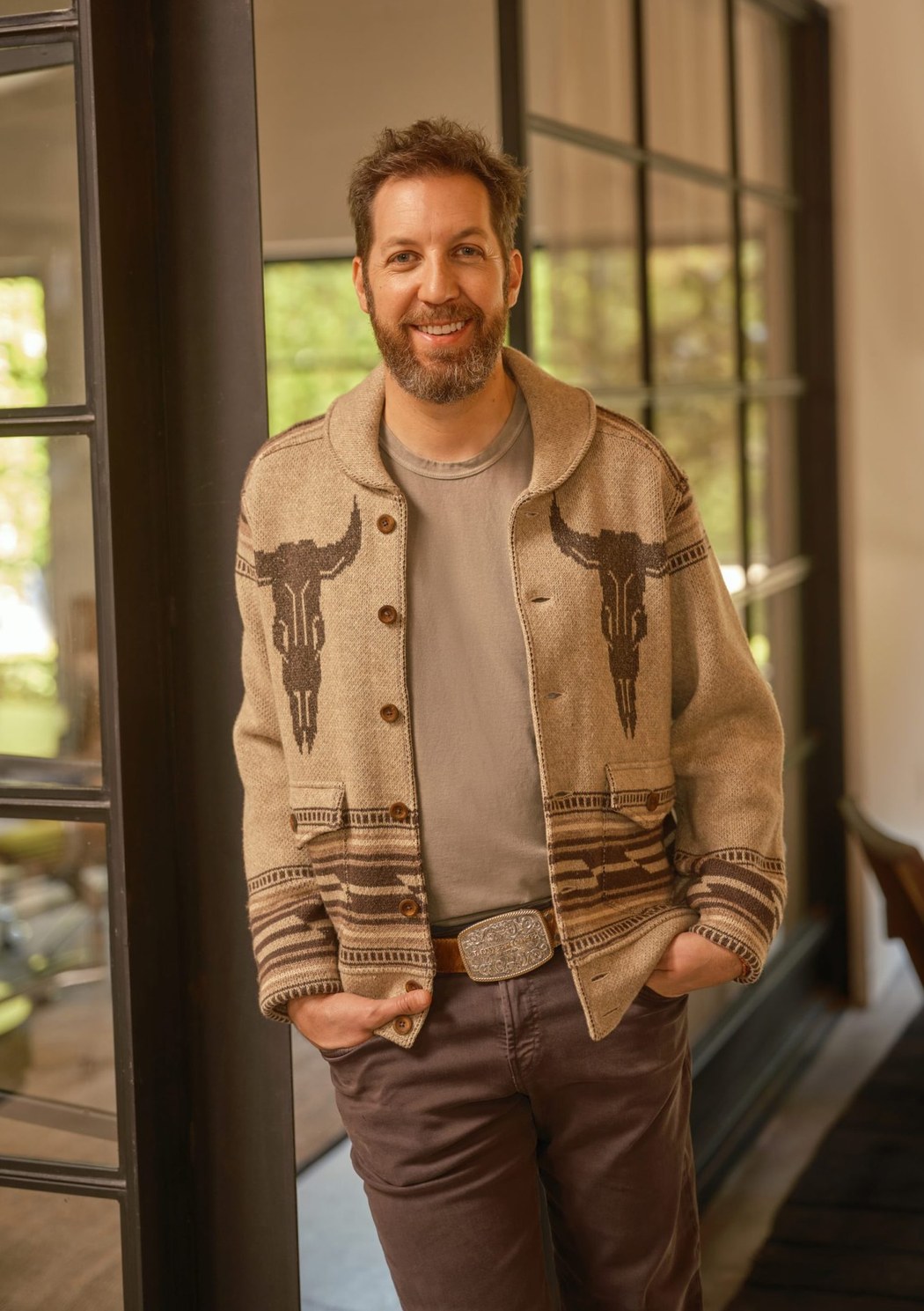
Chris Sacca Bet on the Internet. Then He Asked What Was Worth Betting on Next.
After early bets on Twitter, Uber and Instagram, the investor walked away from the game he had mastered. His second act asks whether the same appetite for improbable ideas can change the economics of energy.
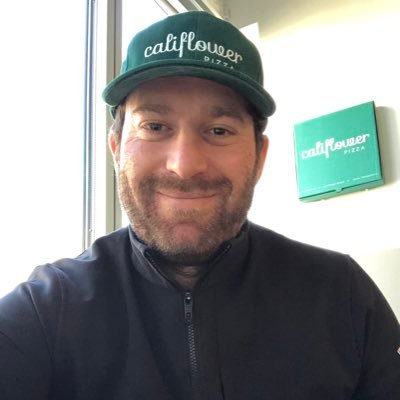
Jeffrey Appelbaum Put the Dining Room in His Rearview Mirror
He began by teaching people to cook online. Three business models later, Jeffrey Appelbaum is trying to prove that a restaurant can travel well, remember its customers and still behave like a host.
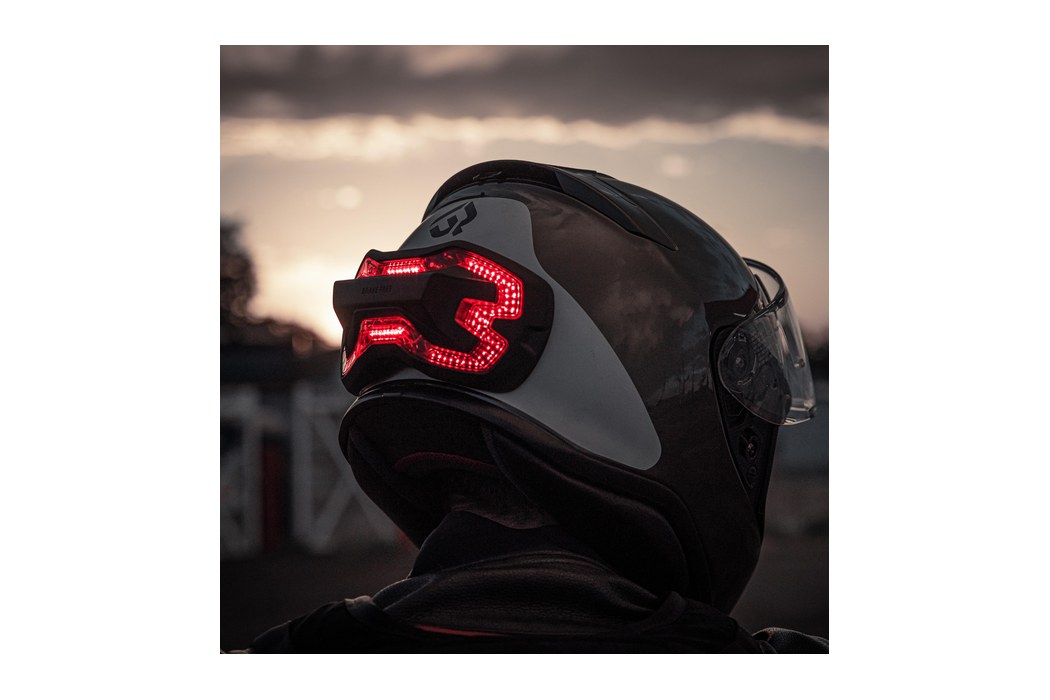
The Helmet Light That Won't Let Drivers Say They Didn't See You
A Redwood City hardware team decided the safest place for a brake light was not on the bike at all, but at eye level on your head. Here is how a $160 gadget and a patented braking algorithm ended up on 60,000-plus helmets.

The $50 Banana That Outlived Its Own Punchline
It began as a joke on a Buffalo desk - a guy holding a banana to his ear so nobody would bug him. Six years and $1.6 million in sales later, the joke has a battery, a Bluetooth chip, and a cause.
The Venture Firm That Turned a TV Shark Into a Startup Distribution Channel
O'Leary Ventures offers founders something most funds cannot manufacture: a familiar face with a large audience. Its harder experiment is in North Dakota, where venture returns must share the spreadsheet with jobs, offices and regional impact.
CAKES Body
CAKES Body is a Los Angeles-based, women-led direct-to-consumer brand founded by twin sisters Taylor Capuano and Casey Sarai in 2022. It makes reusable silicone nipple covers and bra alternatives from medical-grade silicone that grip to skin using natural body heat instead of adhesive. After a viral organic-content strategy and a December 2023 appearance on ABC's Shark Tank - where it took a $300,000 investment from SKIMS and Good American co-founder Emma Grede - the bootstrapped company scaled to roughly $95 million in net sales in the fiscal year ending June 2025.
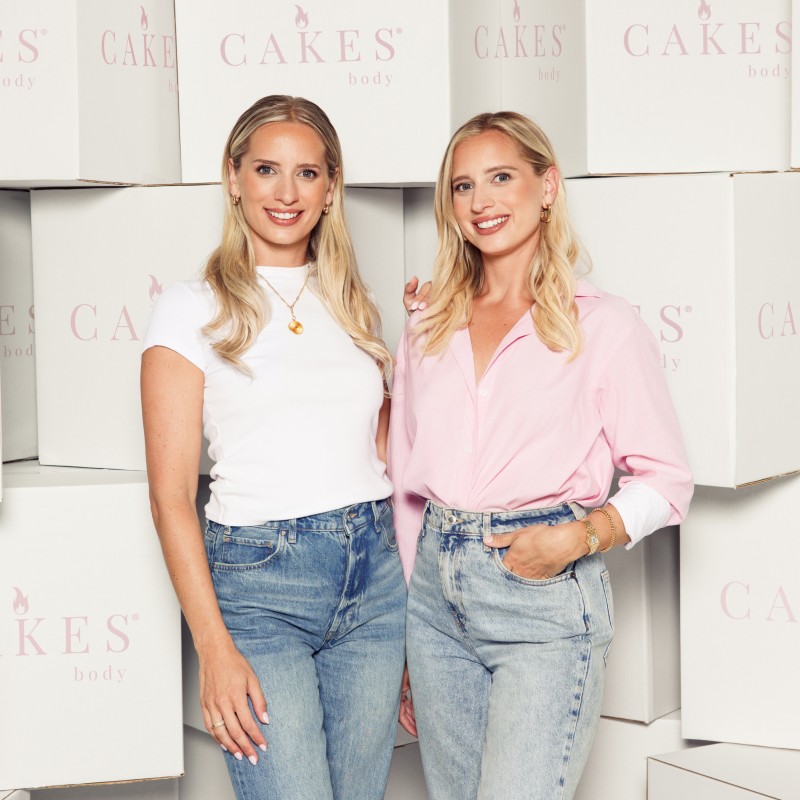
Taylor Capuano
Taylor Capuano is the co-founder and chief creative officer of CAKES body, a viral direct-to-consumer apparel brand she launched in 2022 with her twin sister, Casey Sarai. Starting with $5,000 each in personal savings and no marketing budget, the sisters bootstrapped the company from a side hustle into a business that reported roughly $95 million in net sales in its fiscal year ending June 2025. A December 2023 appearance on ABC's Shark Tank, where they landed a deal with Emma Grede, accelerated the brand's rise. Capuano leads creative and marketing, and has become a public voice for bootstrapped, digital-first growth and family-friendly workplace policies.
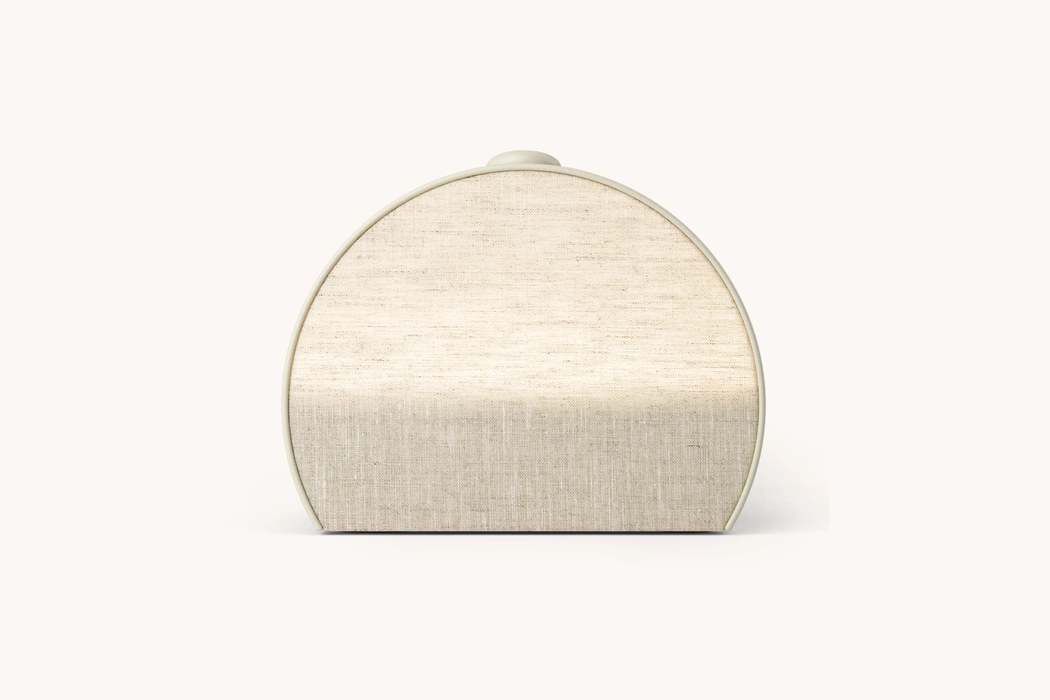
Hatch
Hatch is a Menlo Park sleep-technology company that designs bedside devices and a companion content subscription to help people fall asleep and wake up better. Founded in 2014 by former BabyCenter executives Ann Crady Weiss and Dave Weiss, it started with connected products for babies and toddlers (Hatch Rest) before expanding to adults with the Hatch Restore line of sunrise alarm clocks and sound machines. The company pairs hardware with the Hatch Sleep app and the paid Hatch+ library of sleep sounds, sleep stories, meditations and light-based wind-down routines, reaching more than half a million families.

Kunal Sarda
Kunal Sarda is the co-founder and CEO of Arya Health, a New York startup building AI-powered digital agents that automate the administrative work behind home health, home care, and hospice. He raised an $18.2M Series A led by ACME Capital in 2025, bringing Arya's total funding to roughly $25M. Before Arya, Sarda co-founded VerbalizeIt, a human-powered translation platform that appeared on Shark Tank and was acquired by Smartling in 2016, where he then led customer engagement. A Wharton MBA, he named the company after his daughter, Arya.
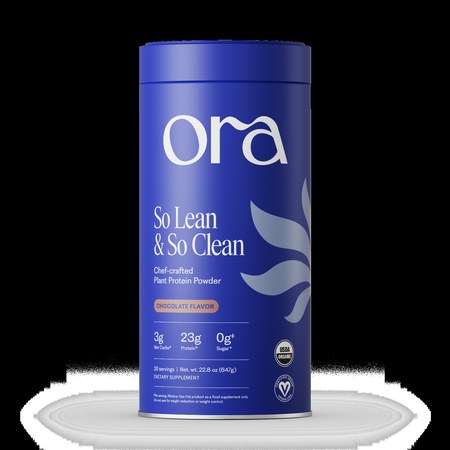
Ora Organic
Ora Organic is an Austin-based direct-to-consumer wellness brand making plant-based, USDA Organic supplements - vegan protein powders, greens, probiotics, and vitamins - built around clean, third-party-tested ingredients with no synthetic additives. Founded in 2014 and later featured on Shark Tank, it grew from a founder's kitchen-table idea into a multi-product catalog spanning gut health, hormones, recovery, brain health, and skin.
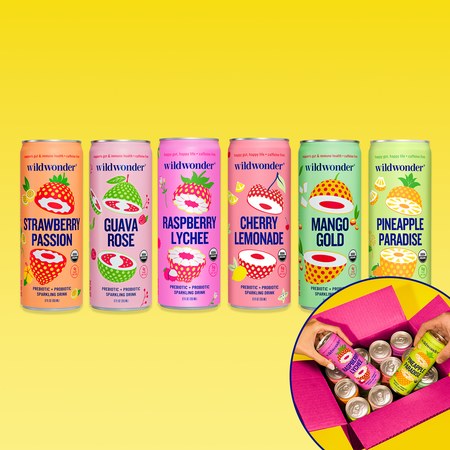
wildwonder
wildwonder is a San Francisco-based functional beverage company making sparkling prebiotic and probiotic drinks inspired by the Chinese herbal healing tonics founder Rosa Li grew up drinking. Each organic, vegan, low-sugar can pairs 5g of prebiotic plant fiber and live probiotics with herbs, botanicals, and fruit flavors like Guava Rose and Mango Gold. Positioned as a better-for-you soda alternative, the brand has sold millions of cans across thousands of retailers, landed a Shark Tank deal with DoorDash CEO Tony Xu, and directs 5% of profits toward empowering women and marginalized communities.
Rosa Li
Rosa Li is the founder and CEO of wildwonder, the sparkling beverage brand she built around the herbal tonics her grandmother brewed in Beijing. A Stanford MBA and former private equity investor, she traded Wall Street spreadsheets for a homemade carbonation rig made from a beer keg, launched in 2020, and landed a deal with DoorDash CEO Tony Xu on Shark Tank in 2023. wildwonder now reaches 3,000-plus retailers across 40 states and has sold millions of cans.
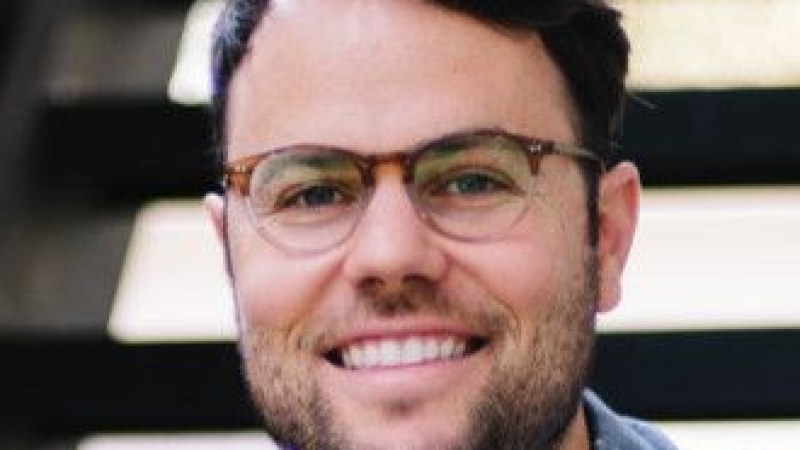
Will Smelko
Will Smelko is the co-founder and CEO of Ora, an Austin-based maker of organic, plant-based supplements built from real food rather than synthetic chemicals. A UC Berkeley political science grad and former healthcare strategy consultant, he traded the pharma world for the supplement aisle after realizing he had no idea where any of it came from. He launched Ora in 2014 with college friend and chef Ron Chang and partner Erica Bryers, pitched it on Shark Tank in 2017, walked away from Kevin O'Leary's offer, and watched sales jump 400% anyway. Today Ora sells nationwide through Vitamin Shoppe, Amazon and its own site, and even fuels professional pickleball players.
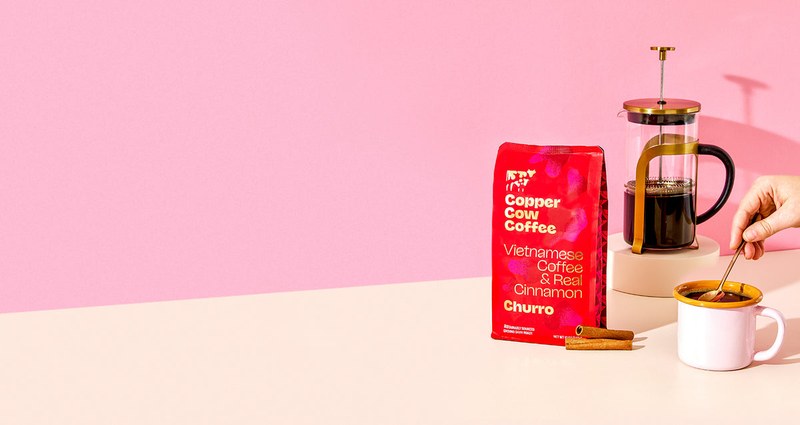
Copper Cow Coffee
Copper Cow Coffee is a California-based specialty coffee company reimagining traditional Vietnamese coffee for the American market. Founded by Vietnamese-American entrepreneur Debbie Wei Mullin, it sells single-serve pour-over pouches, flavored ground coffees, and latte kits paired with sweetened condensed milk creamers, all made with real ingredients and beans sourced from organic, sustainable Vietnamese farms where growers are paid roughly double the market rate. The women- and AAPI-owned brand has grown from a garage operation into a product sold in thousands of retail stores nationwide.
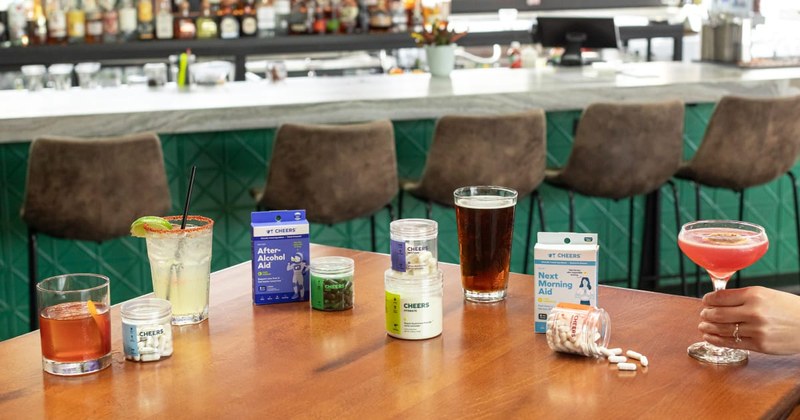
Cheers
Cheers (formerly Thrive+) is a Houston-based alcohol-related health and wellness company built around dihydromyricetin (DHM), a botanical extract studied for supporting the liver and reducing the after-effects of drinking. Founded by Brooks Powell after he encountered DHM research as a Princeton undergraduate, Cheers sells a line of science-backed supplements - Restore, Relief, Hydrate, Protect and Multi - direct-to-consumer, on Amazon, and in tens of thousands of retail locations. The company holds a U.S. patent on its formulation, has served more than a million customers, and frames its mission as helping people enjoy alcohol responsibly while protecting long-term health.
Brooks Powell
Brooks Powell is the founder and CEO of Cheers (formerly Thrive+), a Houston-based consumer health brand built around DHM, a plant extract he first read about as a Princeton sophomore writing a neuroscience paper on alcohol. He licensed a permeabilizer technology from the university, launched in 2017, pitched on Shark Tank, and grew the company past $25M in revenue and 13M+ doses sold. A former religion major and Division I swimmer, he turned a class assignment into a category and earned a spot on the Forbes Next 1000 list.
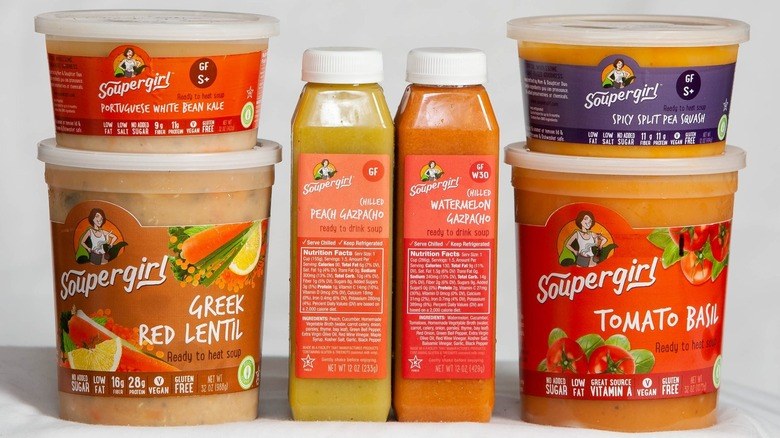
Soupergirl
Soupergirl is a Washington, DC-area food company making fresh, plant-based, certified-kosher soups, gazpachos, and salsas. Founded in 2008 by former stand-up comedian Sara Polon and her mother Marilyn, the mother-daughter business grew from a local home-delivery operation into a brand sold in 800+ retail locations including Costco, Whole Foods, Kroger, and Amazon Fresh. Soupergirl pairs radically simple, responsibly sourced recipes with an outspoken commitment to sustainability and farmworker rights - it was the first consumer packaged goods brand certified under the Fair Food Program.
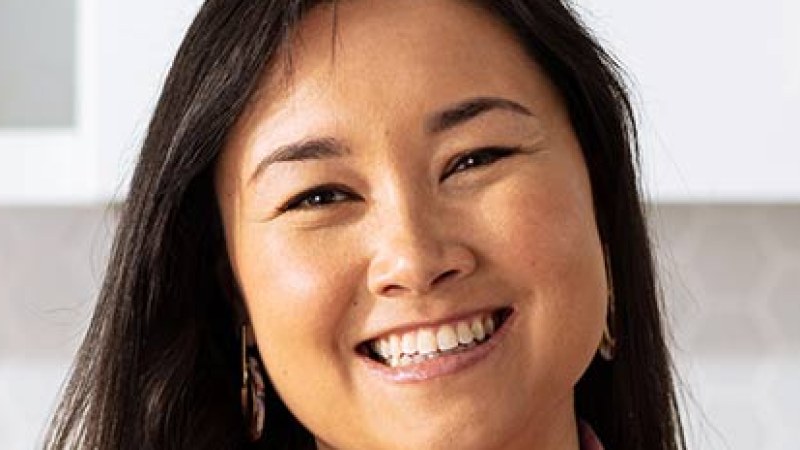
Debbie Wei Mullin
Debbie Wei Mullin is the founder and CEO of Copper Cow Coffee, a Los Angeles based Vietnamese coffee company she launched in 2016 out of her sister's garage. A UC Berkeley economist and MIT-trained urban planner who once managed supply chains at the World Bank, she turned her mother's Vietnamese heritage into a single-serve pour-over inspired by the traditional phin filter. The company has sold more than 20 million coffees, reached over 3,000 retail doors including Target, Whole Foods and Costco, and pays its Vietnamese farmers roughly twice the market rate. She pitched on Shark Tank Season 12 in 2021.
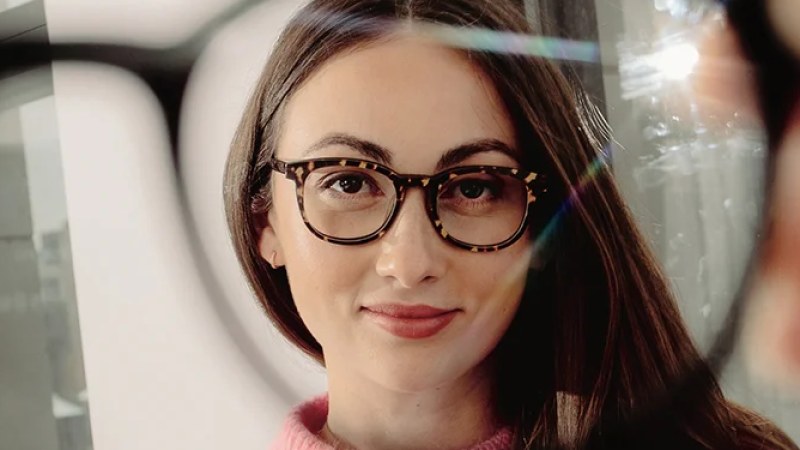
Nathan Kondamuri
Nathan Kondamuri is the co-founder and co-CEO of Pair Eyewear, the customizable glasses company he started in a Stanford dorm room with classmate Sophia Edelstein. Pair sells base frames with magnetic, swappable 'Top Frames' that turn a medical necessity into a fashion accessory. Since pitching on Shark Tank in 2020, the company has raised about $148 million, including a $75 million Series C in 2023, sold millions of frames, and grown revenue more than 30x. A mechanical engineering graduate and Forbes 30 Under 30 honoree from Munster, Indiana, Kondamuri runs the business in an unusual two-CEO partnership.