BREAKING Will Smelko declines Kevin O'Leary on Shark Tank Sales jump 400% after the cameras stop rolling Ora's omega-3 comes from algae, not fish The protein tastes like a vanilla chai latte Ora is Maori for life, health, vitality Now fueling pro pickleball players BREAKING Will Smelko declines Kevin O'Leary on Shark Tank Sales jump 400% after the cameras stop rolling Ora's omega-3 comes from algae, not fish The protein tastes like a vanilla chai latte Ora is Maori for life, health, vitality Now fueling pro pickleball players
Founder · Operator · Clean Supplements

Will Smelko

He read the back of a vitamin bottle, couldn't tell where any of it came from, and decided to rebuild the entire supplement aisle out of real food.

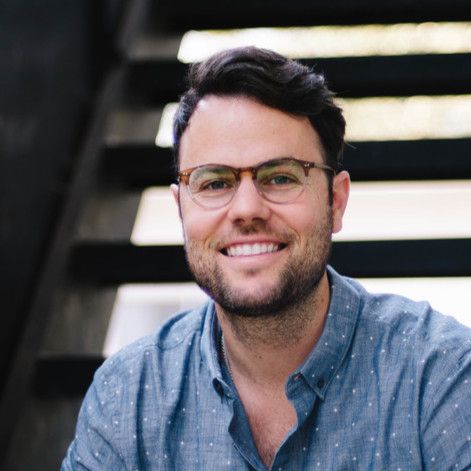
Will Smelko, co-founder and CEO of Ora
FILE PHOTO — The co-founder who turned a no-deal into a 400% week.

Most people walk past the supplement aisle. Will Smelko stood in one and got annoyed. Rows of pills and powders, bright labels, big promises, and not a single honest answer to a simple question: where does this stuff actually come from? That irritation became Ora, the Austin-based brand he co-founded to make organic, plant-based supplements out of recognizable food instead of synthetic chemistry.

Today Smelko is co-founder and CEO of Ora, a company whose products sit on Vitamin Shoppe shelves nationwide, ship through Amazon, and move through the brand's own site. The omega-3 is pulled from algae rather than fish. The flagship superfood protein arrives in a creamy vanilla chai latte flavor that has very little in common with the chalky tubs it competes against. The whole catalog runs roughly twenty to fifty dollars, a deliberate choice: clean nutrition that a normal person can actually afford to keep buying.

The pitch he repeats has the clean ambition of a manifesto: replacing every item in that supplement aisle with a food-based sustainable item. It sounds simple. It is not. The supplement business is built on the opposite assumptions, and Smelko has spent a decade arguing with an industry that would rather not be questioned. As he has put it, convincing others about our process is a challenge. He keeps making the case anyway.

What makes the story stick is not that Smelko found a clever product. It is that he kept his nerve at the exact moment most founders fold. In 2017 he and his co-founder walked into the most famous pitch room on television, got an offer from one of its sharpest investors, and said no. The decision looked reckless on air. It looked a lot smarter the following week.

Dossier

The Short Version

Role: Co-founder & CEO, Ora

Based: Austin, Texas

From: San Diego, California

School: UC Berkeley, Political Science

Before Ora: Healthcare & pharma strategy consulting

Known for: Plant-based supplements, a famous Shark Tank no, algae omega-3, chai-latte protein
400%
Sales surge post-pitch
2014
Year Ora launched
$2.5M
Annual revenue (2024)
0
Sharks needed
“Replacing every item in that supplement aisle with a food-based sustainable item.”
— Will Smelko, on the point of Ora

From the pharma deck to the produce aisle

Smelko grew up in San Diego and went north to UC Berkeley, where he studied political science with a focus on global poverty and practice. He met Ron Chang in high school, and the two ended up living together at Berkeley. That friendship would matter more than either of them planned.

After graduation Smelko did the respectable thing. He went into strategy consulting for Fortune 500 healthcare and pharmaceutical companies, advising the very industry he would later push against. The closer he looked at how drugs and their side effects worked, the more curious he got about natural alternatives. For three years he was a strict vegan and even wrote a vegan blog, which is a useful detail: this was not a marketing posture bolted on after the fact. He was already living the thesis.

The conversion moment was unglamorous. A long, confusing walk down a supplement aisle, surrounded by products he could not vouch for, ended with a question that would not leave him alone. So he built the answer. When Ora needed flavors that did not taste like punishment, he called his old Berkeley roommate. Chang, by then a chef, became the go-to guy, and later co-founder and chief operating officer. The brand's name came from co-founder Erica Bryers, who is from Auckland: ora is a Maori word for life, health and vitality.

Cast of Characters

The Berkeley Three

Will Smelko — Co-founder & CEO. The ex-consultant who got tired of not knowing.

Ron Chang — Co-founder, chef & COO. High-school friend, college roommate, flavor whisperer.

Erica Bryers — Co-founder & CMO. From Auckland; gave the company its name.

Years vegan before Ora3 yrs
Friendship before co-foundingsince high school
Distribution: online-firstD2C + retail

The deal he didn't take

In 2017, Ora went on Shark Tank, season 8, episode 18. Smelko and Chang asked for $375,000 in exchange for 5% of the company, a valuation of $7.5 million. They came in with receipts: roughly $415,000 in sales over the prior ten months, and a previous raise of $150,000 at a $2.2 million valuation. To make the point, they had the Sharks taste a competitor's product and then their own.

The room did not melt. Robert wasn't interested in supplements. Daymond doubted the valuation. Lori went after the packaging. Mark expected a different kind of business. Then Kevin O'Leary, the one investor famous for not being sentimental, made an offer: $375,000 for 17%. Smelko and Chang turned him down. They believed the growth ahead was worth more than the equity he wanted.

On television, walking away from the only offer looks like a stumble. Off television, the math told a different story. When the episode aired, the so-called Shark Tank effect kicked in and sales reportedly jumped about 400%. The packaging Lori criticized became a conversation the brand had openly with its own customers. The no, it turned out, aged well.

The Ask vs. The Offer

Scoreboard

The ask: equity offered5%
O'Leary wanted17%
Deals signednone

RESULT: no deal on air. ~400% sales lift after broadcast.

A decade, marked

2006–2011
Studies political science at UC Berkeley, focus on global poverty and practice.
2011
Enters strategy consulting for Fortune 500 healthcare and pharma firms.
2014
Co-founds Ora with Ron Chang and Erica Bryers. Real food, not synthetics.
2017
Pitches on Shark Tank, declines Kevin O'Leary, leaves without a deal.
2017
The broadcast lands. Sales reportedly surge around 400%.
2024
Ora becomes the official nutrition partner of pro pickleball's APP Tour; ~$2.5M revenue.

Said plainly

“Replacing every item in that supplement aisle with a food-based sustainable item.”

Will Smelko, on Ora's mission

“Convincing others about our process is a challenge.”

Will Smelko, on selling a new idea

The fine print is the fun part

  • The omega-3 is sourced from algae instead of fish oil. Same nutrient, no fishing boat.
  • The signature superfood protein launched in a creamy vanilla chai latte flavor.
  • He was a strict vegan for three years and once ran a vegan blog.
  • The name Ora is Maori for life, health and vitality.
  • In 2024 Ora became the first plant-based nutrition partner of professional pickleball.
  • Products are priced roughly $20 to $50, by design, to keep clean nutrition affordable.

Share Will's story