She built the same publishing house twice. The second time, she owned it.
CO-FOUNDER & CO-CEO, SPIEGEL & GRAU
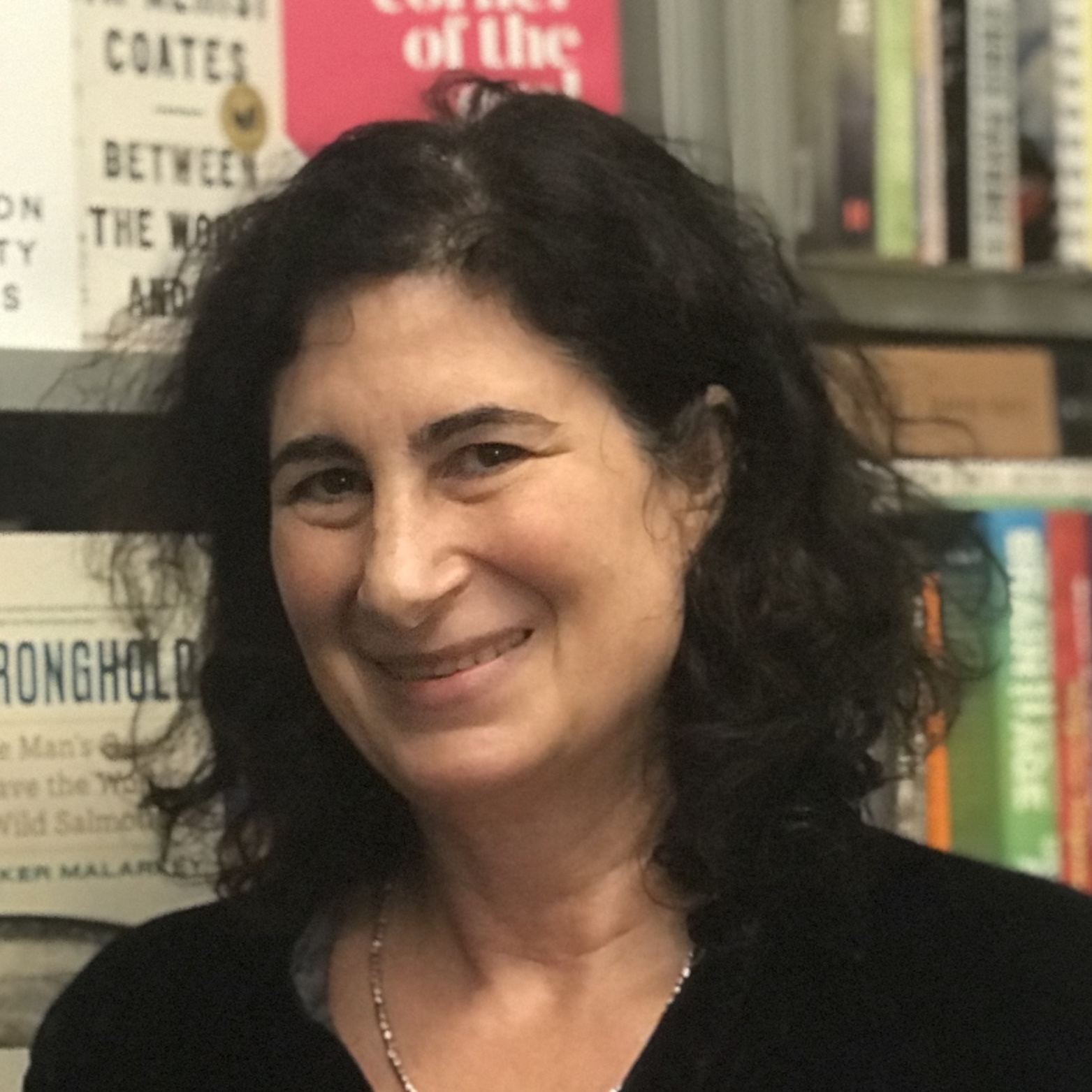
Most people, when the parent company closes their division, update their resume. Celina Spiegel - everyone in publishing calls her Cindy - reopened the division. In 2020, a year after Penguin Random House folded the Spiegel & Grau imprint, she and her partner Julie Grau put the same two names back on the door. This time there was no parent company. Just the two of them, a fundraise that got oversubscribed, and a plan to publish 15 to 20 books a year on their own terms.
That is the headline today: Spiegel runs an independent house in its fifth year, releasing literary fiction, memoir and reported nonfiction alongside original audiobooks and podcasts. Her debut independent title was a memoir about a woman who befriended a wild fox. It went straight onto the New York Times bestseller list. The major houses would have run it through a category filter and never ordered it. That gap - between what an algorithm predicts and what a reader actually loves - is the whole business model.
She has earned the right to that bet. Over three decades she helped launch the careers of James McBride, Khaled Hosseini, Bryan Stevenson, Chang-rae Lee and Gary Shteyngart. She has edited Yuval Noah Harari, Yann Martel and Anne Lamott. When she says a book matters to the moment, the moment has a way of agreeing with her.
Some editors talk about taste. Spiegel talks about timing. On the morning Khaled Hosseini’s manuscript landed on her desk, she opened the newspaper and read that the United States had invaded Afghanistan. A year later, when The Kite Runner was published, a quiet novel about two boys in Kabul had become one of the most urgent books in America. She didn’t engineer that. She recognized it.
That instinct - books colliding with history to create meaning - runs through her catalog. She acquired and edited James McBride’s The Color of Water back when she was a founding editor at Riverhead Books. She co-edited an anthology, Out of the Garden: Women Writers on the Bible. And when she describes the actual feeling of the job, she doesn’t reach for strategy. She reaches for discovery: the hope of finding a new voice that gives new meaning to the moment.
Her partnership with Grau is the other constant. Twenty-plus years, two companies, a working relationship she describes as close enough to finish each other’s sentences and still surprising enough to keep going. They met at Riverhead, built the Random House imprint together in 2005, lost it together in 2019, and rebuilt it together a year later. Partnerships in publishing rarely last a decade. Theirs has outlasted the corporate structures around it.
The house produces original audiobooks and podcasts. Its podcast Believe Her, made with Lemonada Media, won a Gracie Award in 2022.
A first-look arrangement with Amazon Studios means the books can travel from page to screen without leaving the house.
No category publishing. The titles are chosen because someone read them and couldn’t stop thinking about them - a fox memoir, a book of crows, a river novel.
Bestsellers across her career span Yuval Noah Harari, Yann Martel’s Life of Pi lineage, Dan Pink and Anne Lamott.
She serves on the board of the Archangel Ancient Tree Archive, a nonprofit that clones the world’s oldest trees, and advises Columbia Global Reports.
When they raised money to go independent, the round filled past capacity. “We actually had to turn down money.”
There’s the joy of discovery - the hope of finding a new voice that gives new meaning to the moment.
I want to avoid novels that include talking dogs - believe me, there are more than you might think.
I love publishing books that feel relevant to the moment we’re living in.
Since we don’t do category publishing, it’s harder for us to fit into the system.