brand-licensing
(30)
The cannabis company that gave a license back
Green Thumb Industries built a national cannabis business by making a local promise repeatable. Its most revealing early decision was to turn down the chance to grow.
G-III wants to own the label.
The company behind familiar department-store names learned the price of borrowed fame. Now it is buying a bigger say in fashion’s future.
The toy is only the beginning.
Mattel built a business on the things children hold. Its next act depends on the worlds people want to enter - and the awkward distance between being famous and selling more toys.

Why Elie Chemtob Starts With a Name You Already Know
The JEM Global co-founder has spent decades getting everyday electronics onto retail shelves. His wager: a familiar name still has work to do, provided someone builds something useful underneath it.

Philippe Benacin and the art of borrowing a name
A student assignment led Philippe Benacin into perfume. Four decades later, the Interparfums co-founder is turning a Paris address into a fragrance house of its own.
John Cohlan and the Business of Being Somewhere Else
A reluctant move to Florida put a corporate finance executive in Jimmy Buffett’s orbit. John Cohlan spent the next three decades helping turn a vacation state of mind into places people could actually go.
Jean Madar leaves room for the next scent
He arrives at work without fragrance, ready to try the next one. After four decades with Interparfums, Jean Madar still makes a business of giving other people’s names a new identity in a bottle.

Gerald J. Rubin and the value of somebody else’s name
He co-founded Helen of Troy as a wig business in El Paso and built its reach with names shoppers already knew. The hairdryers, kitchen tools and hometown commitments tell the story of Gerald J. Rubin’s long career.
Heath Golden and the art of the next act
A young CEO found a mentor. A lawyer learned to run brands. Now Heath Golden is building partnerships that take familiar names into unfamiliar places, from a Martha Stewart shop in Dubai to a proposed new chapter for Canada’s Roots.
TLK Fusion Sells the Shelf Before It Sells the Story
The Los Angeles-area agency treats fame as a distribution tool and retail as a storytelling problem. Its real product is the handoff between attention, buyer confidence and what happens after a brand lands on the shelf.
West Coast Choppers built a bike shop you could wear
Jesse James made custom motorcycles that few people could buy and a badge almost anyone could wear. The interesting business lives in the distance between the two.
Jennifer Powell’s next big platform is the store shelf
Jennifer Powell, Inc. helps creators turn an audience into a product business. With Sincerely Jules reaching more than 400 Macy’s stores, the agency’s bet on licensing has an address beyond the feed.
SSA Public Relations knows the audience comes before the headline
Cartoons, consumer products, patent portfolios: SSA Public Relations works where a good story has a commercial job to do. Its most revealing skill is figuring out who needs to hear it first.

The 116-Year-Old Appliance Company That Quietly Runs Your Kitchen Counter
It designs the blender, licenses the Clorox name, lets a factory in China build it, and sells it to Walmart. A look at how a 116-year-old brand keeps winning the countertop.
The Company That Rents Out America's Most Trusted Logos
A Woodbridge, New Jersey family business has quietly built a 2,000-product catalog by borrowing names shoppers already trust - and doing the unglamorous work of design, packaging, and shelf logistics behind them.
The $99 Smart Glasses Taking On Ray-Ban Meta - Without the Camera
A 13-person Miami outfit is selling AI-powered smart glasses for a fraction of Ray-Ban Meta's price - by leaving out the one feature everyone else brags about.

The Irvine Shop That Buys Dead-Famous Brands and Sells Them Back to You
How a three-person back office in Irvine turned into the quiet machine that keeps Sharper Image gadgets, FAO Schwarz toys and Vornado fans on the shelf.

The Company That Buys Yesterday's Favorites - Then Teaches Them New Tricks
Marquee Brands has turned nostalgia into infrastructure. Its portfolio runs from Martha Stewart's kitchen to Body Glove's surf break - and the real product is a global machine for making familiar names useful again.

WHP Global’s Product Is the Name on the Box
In seven years, the New York firm assembled 15-plus familiar names and more than $8.5 billion in annual retail sales. Its real product is not a dress, sneaker or toy - it is a system for making old brands travel farther.
The Watch Company That Became Fashion's Back-Room Engine
Fossil spent years trying to put a computer on the wrist. Its more revealing talent was there all along: turning somebody else's fashion language into a watch, then placing it almost everywhere.
The company that survived its own “Kodak moment”
Bankrupt in 2012, betting on chemicals and celluloid in 2026 - how a 140-year-old imaging giant rebuilt itself around print, film and the periodic table.

Lifetime Brands
The company behind Farberware gadgets, Mikasa plates and S’well bottles has spent decades turning the kitchen drawer into a portfolio business. Now its next act depends as much on logistics and tariffs as it does on taste.

Third Chair
Third Chair is an AI-native IP enforcement and licensing platform that helps rightsholders find who is using their content, trademarks, and likeness without permission and turn that unauthorized use into revenue. Backed by Y Combinator (X25) and FundersClub with $2.3M raised, it pairs AI agents that monitor, investigate, and draft demand letters with an on-demand network of lawyers. Customers - including Universal Music Group and much of the recorded-music industry - used the product to generate more than $1M in revenue in the last six months of 2025.
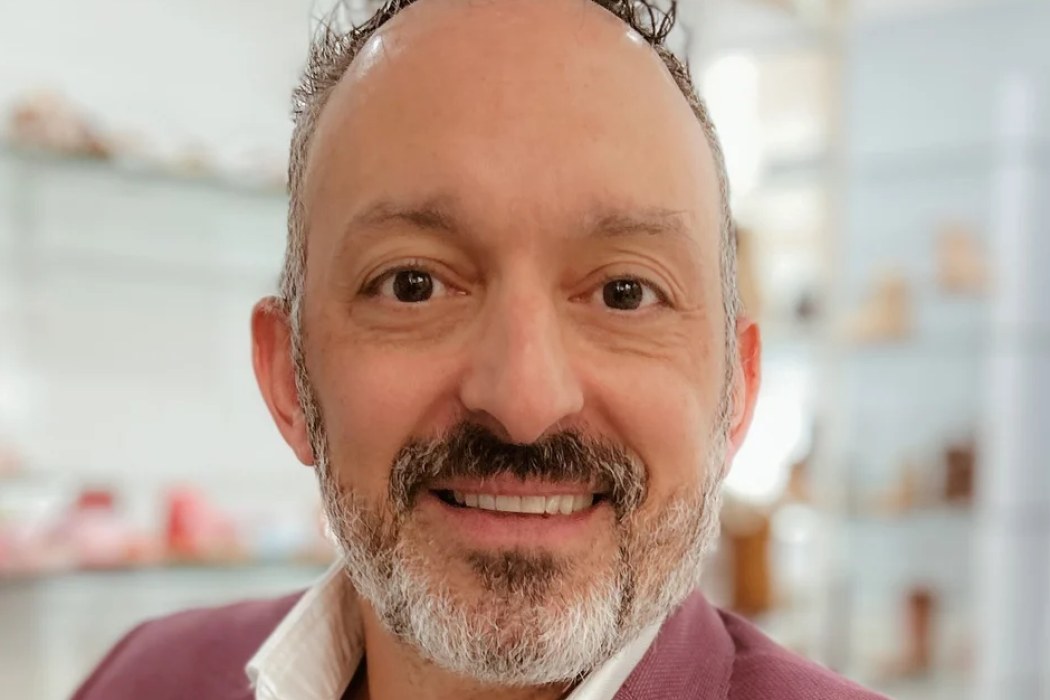
Jack J. Gindi
Jack J. Gindi is EVP and Chief Marketing Officer of Gina Group, the privately held New York fashion, lifestyle and branding company founded in 1985 that designs, licenses, manufactures and distributes products across hosiery, footwear, handbags, small leather goods, fashion accessories, athletic and wellness, gourmet foods and, since 2025, pet. He joined the company while still an undergraduate at Baruch College and has spent more than thirty years there, where he now runs brand and business acquisitions, strategic planning and general marketing. He is the executive whose name appears on Gina's licensing announcements, from K-Swiss legwear and Laundry by Shelli Segal to the launch of the company's pet division, and he works from Gina's showrooms at 10 West 33rd Street in Manhattan. Outside the office he is a father of five, an avid athlete, and an active supporter of public affairs and charitable causes.
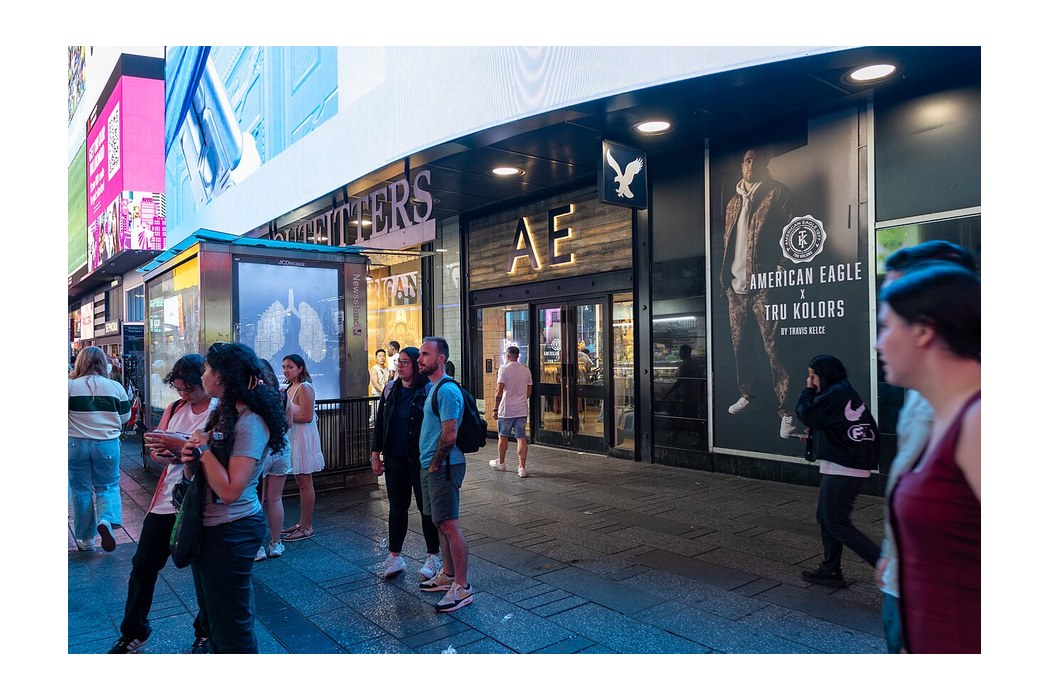
American Eagle Outfitters Inc.
American Eagle Outfitters, Inc. (NYSE: AEO) is a Pittsburgh-headquartered specialty apparel retailer that has spent nearly five decades selling jeans to teenagers and young adults - and, more recently, learning how to sell a great deal more than jeans. Founded in 1977 by brothers Jerry and Mark Silverman, the company now runs a five-brand portfolio: the namesake American Eagle denim and casualwear label; Aerie, the intimates and swim brand built on unretouched imagery; OFFLINE by Aerie in activewear; Todd Snyder in premium menswear; and Unsubscribed, a slow-fashion experiment. Fiscal 2025 revenue reached roughly $5.5 billion across about 1,168 company-operated stores, 357 internationally licensed locations, and a digital business spanning ae.com, aerie.com and toddsnyder.com. The company describes its flagship as the leading jeans brand for US shoppers aged 15 to 25. Its recent story is one of divergence: Aerie crossed $2 billion in trailing-twelve-month revenue and posted 25% comparable-sales growth in the first quarter of fiscal 2026, while the American Eagle brand has been flatter - even after the widely debated Sydney Sweeney denim campaign of July 2025 delivered what management called unprecedented new-customer acquisition.
Calvin Klein
Calvin Klein is an American global fashion house founded in 1968 by designer Calvin Klein and business partner Barry Schwartz. Known for minimalist design, denim, underwear, fragrances and provocative advertising, the brand elevates everyday essentials to iconic status. Now owned by PVH Corp., Calvin Klein products generate roughly $9 billion in global retail sales annually and are sold across apparel, underwear, fragrances, accessories and home through wholesale, retail and digital channels worldwide.
Gina Group
Gina Group is a New York-based fashion, lifestyle and branding company that designs, licenses, manufactures and distributes a broad range of consumer products - hosiery, footwear, handbags, accessories, cold-weather gear, health and wellness items, pet products and gourmet foods. Founded in 1985 as Gina Hosiery, it has grown into a multi-division wholesale house serving retailers from dollar stores to department stores, managing licensed brands such as Rampage and Bearpaw alongside an extensive private-label business.

Q4 Designs LLC
Q4 Designs LLC is a New York-based apparel company that designs, sources, produces and manages branded outerwear and sportswear on behalf of well-known brand partners. Founded in 2011 by Harry Tawil and built on more than five decades of combined industry experience, Q4 handles the full product life cycle - design, sourcing and production, planning and sales, and operations - across four Centers of Excellence. Its licensed portfolio spans brands including DKNY, Reebok, Jessica Simpson, Steve Madden, Free Country, Bebe, Canada Weathergear, Snozu and Spyder, covering men's, women's and children's outerwear, sportswear, swimwear and accessories.
Randa Apparel & Accessories
Randa Apparel & Accessories is a privately held, family-run fashion company and the world's largest men's accessories business. Tracing its roots to a 1910 Lower East Side neckwear shop, Randa designs, sources, manufactures and distributes belts, wallets, headwear, gloves, umbrellas, slippers, tailored clothing and sportswear across a portfolio of 30-plus owned and licensed brands - including Levi's, Calvin Klein, Tommy Hilfiger, Columbia, Dickies, Haggar and Totes Isotoner. Operating in roughly 11 countries with about 2,000 employees, the company topped $1 billion in sales and quietly supplies the accessories sold in more than 10,000 stores under names most shoppers recognize but rarely connect to Randa.
Steve Madden
Steve Madden (Steven Madden, Ltd.) is a New York-based, publicly traded fashion company that designs, markets and sells trend-driven footwear, handbags and accessories at accessible price points. Founded in 1990 by designer Steve Madden with roughly $1,100, the company built its reputation on translating runway trends into affordable, fast-moving styles for young women. Today it operates a portfolio of owned and licensed brands - including Steve Madden, Dolce Vita, Betsey Johnson, Madden Girl and, following its 2025 acquisition, Kurt Geiger - across wholesale, retail and direct-to-consumer channels, generating over $2.5 billion in annual net sales.