Before West Coast Choppers was a business people recognized, it was a name Jesse James put on ten T-shirts. In his telling, he could not afford a dozen. He took them to the Laughlin River Run and offered them to friends. Only about three agreed to wear one, reluctantly. The difficulty was straightforward: James was advertising a shop that, to his friends, looked suspiciously like somebody’s garage.
That small embarrassment contains the later company in miniature. A motorcycle is an expensive, demanding thing to own. A shirt asks considerably less of you. Both can express admiration for the same builder. West Coast Choppers would find customers on each side of that distinction, and plenty of room between them.
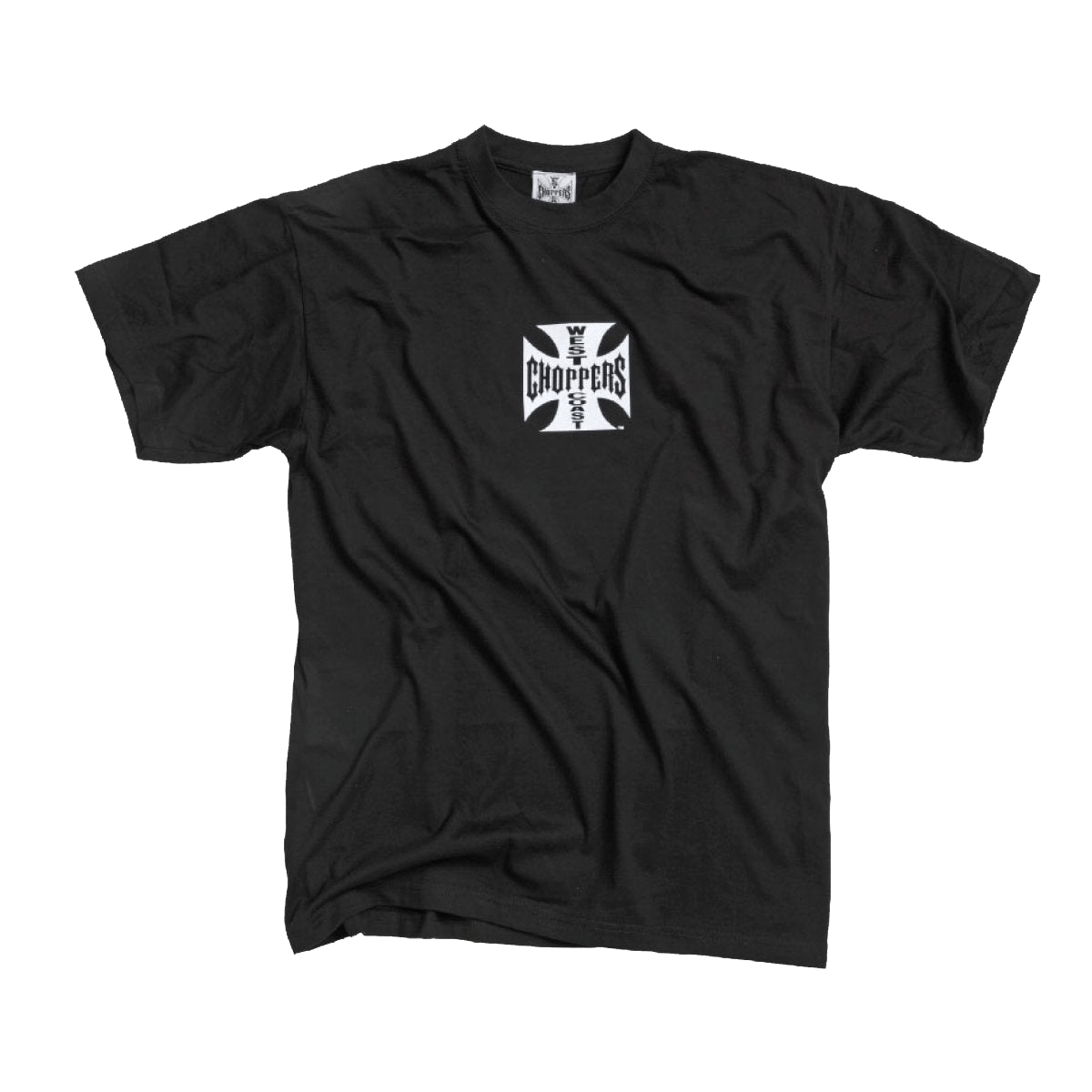
Today its online store lists an OG Classic Tee at $37.99 and an M8 BALL engine-and-primary kit at $2,799. Custom-bike inquiries have their own route to James. You can enter this world through your wardrobe, your existing motorcycle or a commission. The name on the door does different jobs for different buyers.
First, something worth watching
James established the business in 1992. He learned from metalworkers and builders, reinvested proceeds in equipment and developed a reputation for custom work. In a historical Haas profile, he called himself a glorified welder
. It is an appealingly small description of a job that would eventually involve television audiences and retail licensing.
The physical work matters. West Coast Choppers describes builds that take weeks or months and a willingness to use old machine tools when those tools produce the desired result. That is a peculiar basis for a growth business. More orders do not give the founder another pair of hands. A customer seeking a particular builder’s touch is buying the part of the process that is hardest to multiply.
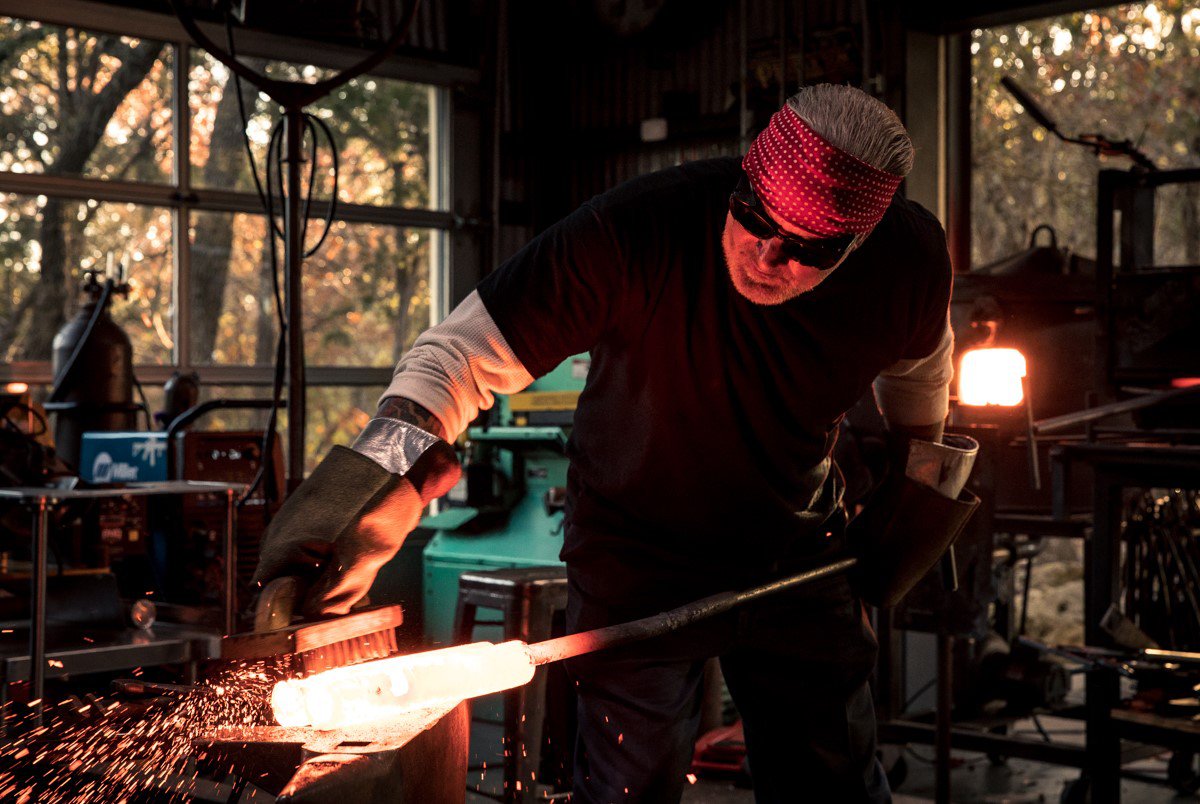
Discovery’s Motorcycle Mania brought the workshop to a wider audience in the early 2000s. Consider what television could show: an object becoming something else, decisions being made, a person whose preferences were visible in the finished machine. Viewers could recognize the work even when they had neither the money nor the inclination to order it.
The resulting commercial possibility is easy to miss if you count only motorcycles. Someone who watches a builder is also a potential customer for a reminder of that builder. Apparel gives that interest a place to go. The audience can become much larger than the workshop’s order book.
The customer who never needs a garage
West Coast Choppers occupies an awkward, useful intersection of custom fabrication and consumer fashion. A commissioned motorcycle serves an owner looking for an individual machine. An aftermarket component serves someone changing a bike they already have. A logo shirt serves a customer who wants the visual language of the shop in everyday life.
These purchases solve different problems. The builder’s customer wants personal specification and craft. The parts buyer wants a particular appearance and a component that fits. The clothing buyer may want a practical garment, an association with motorcycle culture, or both. Treating everyone as a motorcyclist would miss the point of the catalog.
There are alternatives on either side. Orange County Choppers offers custom motorcycles; Harley-Davidson sells motorcycle-branded apparel. WCC’s particular connection is Jesse James and the workshop associated with him. Its claim to attention comes from that history of making things. The clothing asks the buyer to care about the association.
That is also why the catalog can stretch without making every product identical. A leather vest and a cotton shirt can belong together visually, while doing different practical work. For a customer, the useful first question is what the garment or component must actually do. The shared badge does not answer every question about fit, materials or riding use.
Three prices, three ways in
USD list prices observed September 12, 2026. Before any applicable taxes or shipping. These are different products, not upgrade tiers.
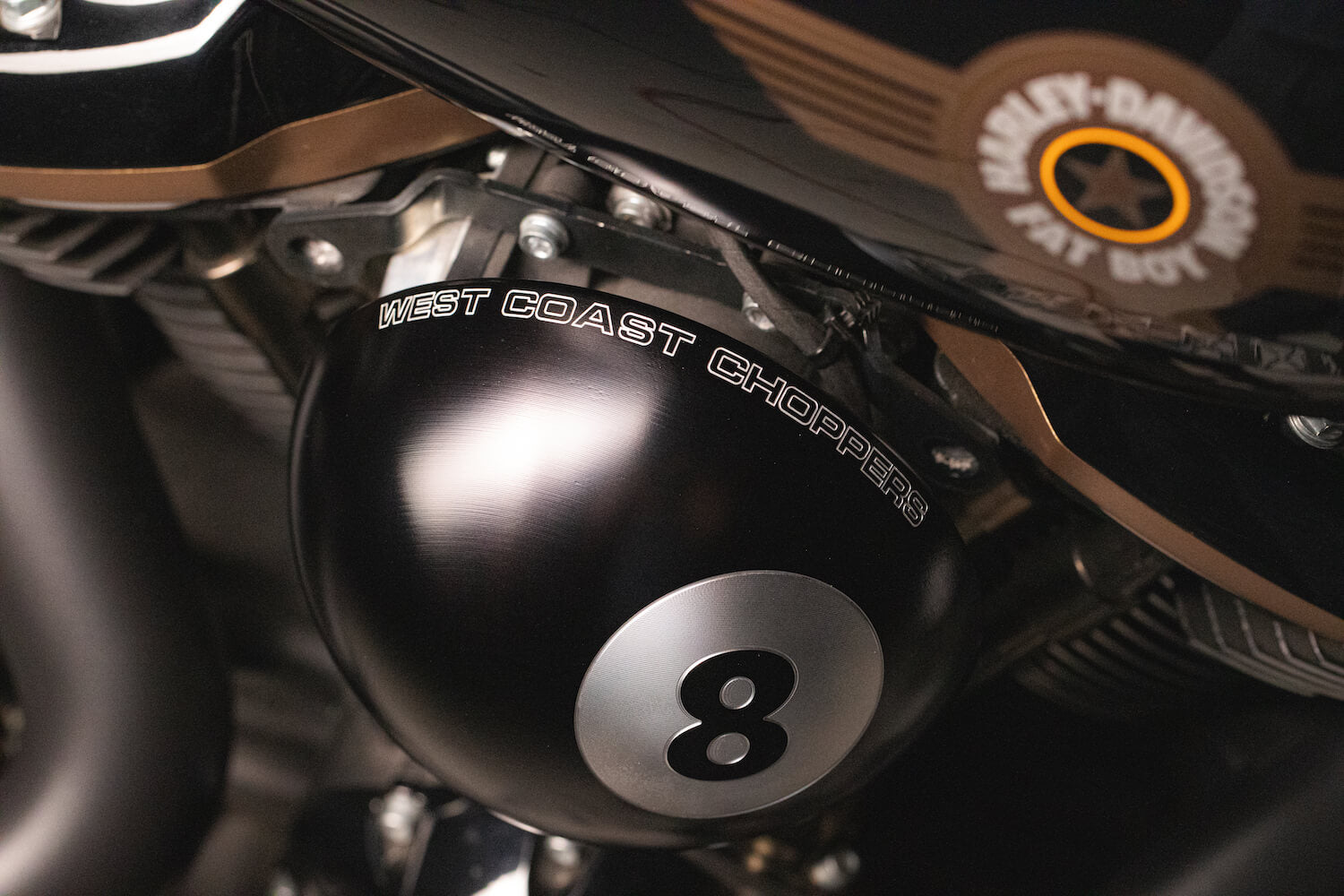
The M8 BALL kit illustrates how specifically a product can address the middle customer. The listing describes an air cleaner, points cover and derby cover for factory M8-powered Harley-Davidson motorcycles. Parts are serialized, with a metal certificate of origin. The store identifies Austin, Texas, as their place of manufacture.
A buyer gets a defined set of components rather than a whole custom motorcycle. WCC gets another way to sell its design work. The practical boundary is compatibility: an appealing photograph does not make a part suitable for every machine. The listing also makes parts sales final, giving buyers a reason to settle fitment questions before ordering.
Kid Rock enters the retail discussion
In an interview with Graham Bensinger, James describes taking advice from Kid Rock when considering a Walmart licensing deal. The episode’s account places a musician inside a decision about selling merchandise to a much broader public. For a company with an outsider image, distribution was also a question about whom the brand was willing to welcome.
Licensing changes the scale of that question. A custom shop sells its capacity to make something. A licensing arrangement lets another business sell products carrying its identity under agreed terms. WCC has used that route alongside direct sales; its current site also provides a separate contact for apparel wholesale.
The distinction matters when people talk about the size of a brand. Merchandise moving through a retailer, income paid to a brand owner and money earned by a workshop are different measurements. A large retail-sales story should not be mistaken for the motorcycle shop’s revenue or profit.
The audience for the work can be bigger than the market for the machine.
An observation from the WCC business
A workshop has bills, too
One documented bill was unusually concrete. California’s Air Resources Board records a $271,250 settlement dated September 2006 over uncertified motorcycles sold for California use. WCC admitted the underlying facts while denying liability. The agency also recorded that the company had subsequently obtained certification.
It is a useful interruption to the romance of the independent builder. Making a distinctive object and meeting the conditions for selling it are separate responsibilities. A reputation for individual craftsmanship does not remove the second one.
The Long Beach shop closed in 2010. Contemporary local reporting captured uncertainty among employees as the news broke. The later Austin chapter and the continuing store show why a shop address and a brand’s existence need to be considered separately. The closure is a real event; the present-day business is also real.
The rebellion reaches the children’s rack
One of the current store’s more revealing links leads to Little Trouble. Its WCC collaboration puts the graphics on children’s shirts, hoodies and swimwear. The prospective wearer does not need to have watched the original television shows. A parent can make that connection on the child’s behalf.
The 13 1/2 Dominator collaboration makes a different connection explicit. Its product story traces the idea to a European visit in 2023, involving 13 1/2 and Motorcycle Storehouse. Inside the vests is a lining depicting a copper WCC motorcycle. Even when the bike is absent, its picture comes along for the ride.
There is a practical lesson here for another craft business: make the connection between your accessible product and your demanding work visible. Show the process. Give people a small, useful way to participate. Choose partners who can carry that connection into a different customer’s life.
The approach depends on people valuing the association. Without recognizable work, a shirt is simply competing with other shirts. If customers want inexpensive, standardized transportation, a bespoke chopper is an uncomfortable answer. WCC’s opportunity is narrower and more interesting: find the people who care about this particular workshop, then offer more than one way to become a customer. James’s reluctant first shirt-wearers were an early test of exactly that proposition.
Go to the shop. Stay for the stories.
Browse the products or hear James explain the business in his own words.