Open almost any kitchen cabinet in America and there is a decent chance something inside carries a Hamilton Beach name. A slow cooker. A drip coffee maker. A hand mixer that came out for one birthday cake and went back in the drawer. Most people never chose the brand on purpose - it was on the shelf at Walmart, the price was right, and it worked. That, more than any single gadget, is the business.
Hamilton Beach Brands is a designer, marketer and distributor of small electric appliances based in Glen Allen, Virginia, in the greater Richmond region. It employs roughly 800 people and trades on the New York Stock Exchange under the ticker HBB. In fiscal 2024 it reported $654.7 million in revenue. And it does all of this without owning a single factory.
01A milkshake machine and two borrowed names
The company started in Racine, Wisconsin, in 1910, when inventor Frederick J. Osius built the Cyclone Drink Mixer - a machine for making milkshakes at soda fountains. The name is a small piece of branding folklore: Osius reportedly paid two men, Louis Hamilton and Chester Beach, $1,000 each for the right to put their surnames on the product. Hamilton and Beach themselves moved on within a few years. The names stayed.
Ownership changed hands over the following century - Scovill Manufacturing bought the company in 1922, and in 1990 it merged with fellow appliance maker Proctor Silex. The modern chapter began in 2017, when Hamilton Beach spun off from the industrial holding company NACCO Industries and began trading as a stand-alone public company. The milkshake motor became a blender motor became a whole aisle of countertop machines.
02Design it, license the name, let someone else build it
The thing that makes Hamilton Beach interesting is not any one appliance - it is the operating model behind all of them. The company designs and markets products, then hands the actual manufacturing to third-party contract manufacturers, largely in Asia. It carries the brand, the shelf relationships and the product design; the factories carry the tooling and the labor. This is the asset-light approach, and it is why a company doing more than half a billion dollars in sales can run on roughly 800 people.
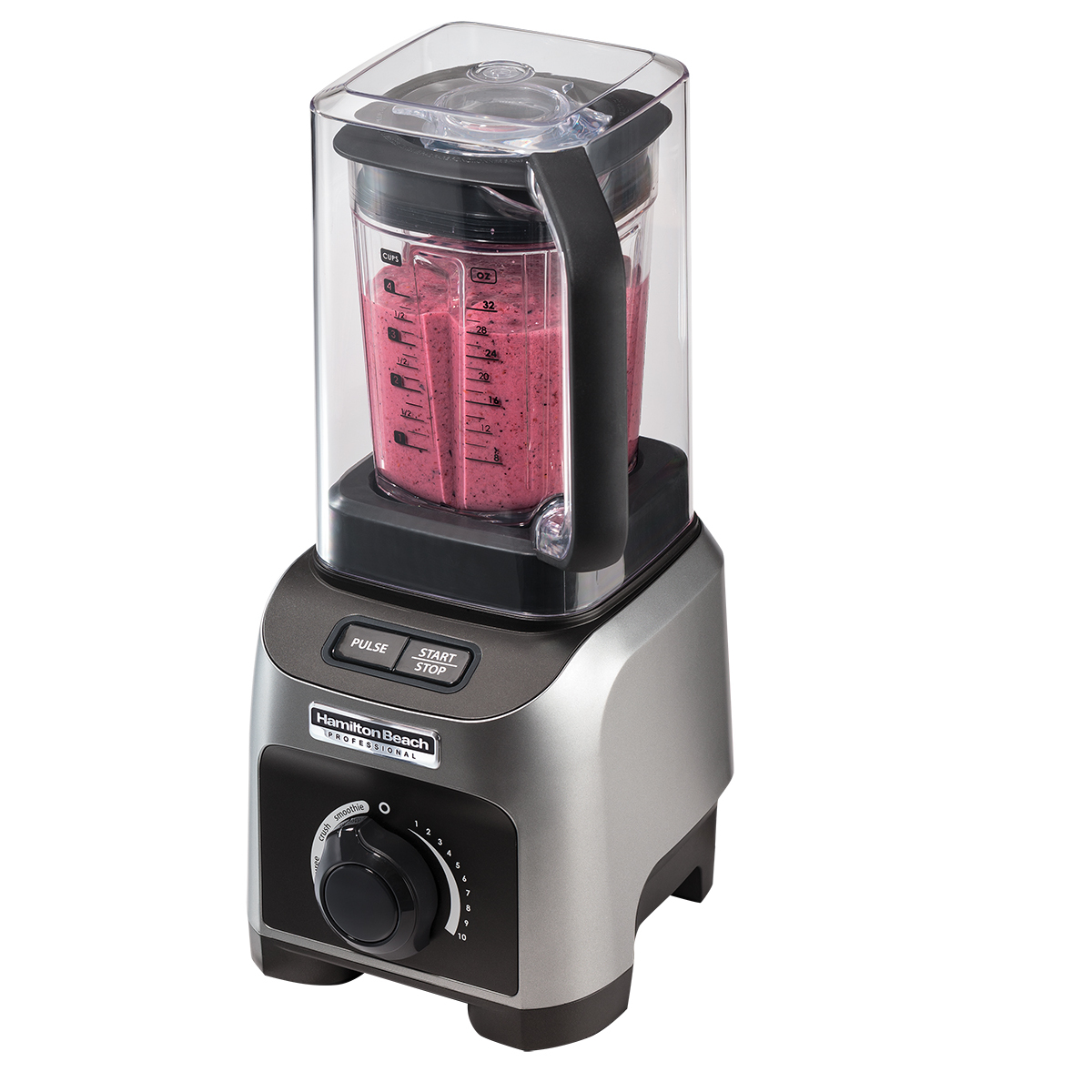
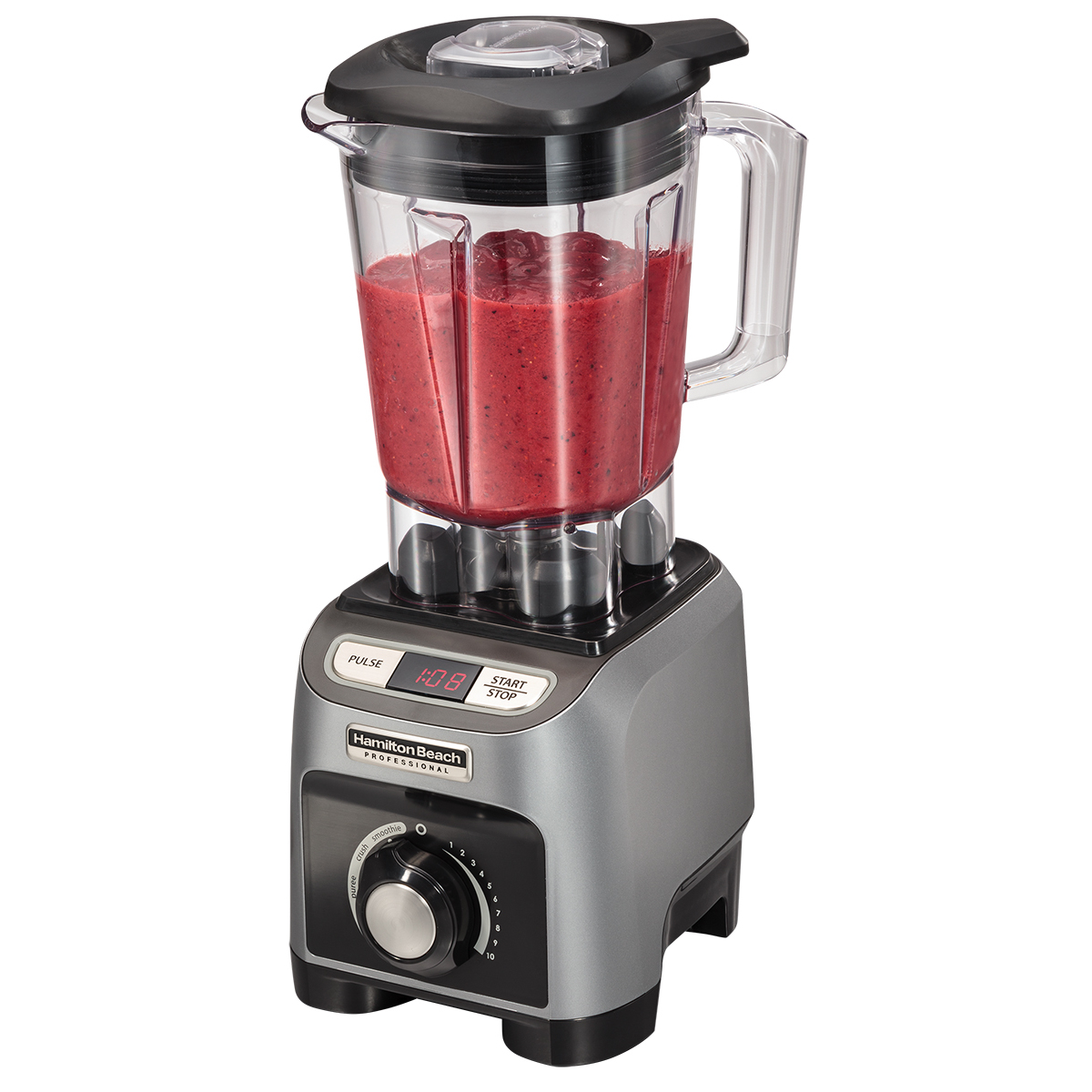
The second half of the model is the brand portfolio. Rather than stretch one label across every price point, Hamilton Beach runs a stack of them. Proctor Silex sits at the value end. The core Hamilton Beach line covers the middle. Hamilton Beach Professional and the newer Lotus brand, launched in 2025, reach for the premium counter. Weston serves outdoor and food-preservation gear. And where a partner's name carries more trust in a category than its own, the company licenses it.
Those licenses are worth reading twice. Clorox lends its name to home appliances and air purifiers. CHI, better known for hair tools, covers premium garment care. Numilk is a plant-based milk maker Hamilton Beach designs and distributes under a multiyear agreement. Sunkist puts a familiar citrus name on commercial juicers and sectionizers. The company you thought made cheap toasters is, in part, a licensing machine.
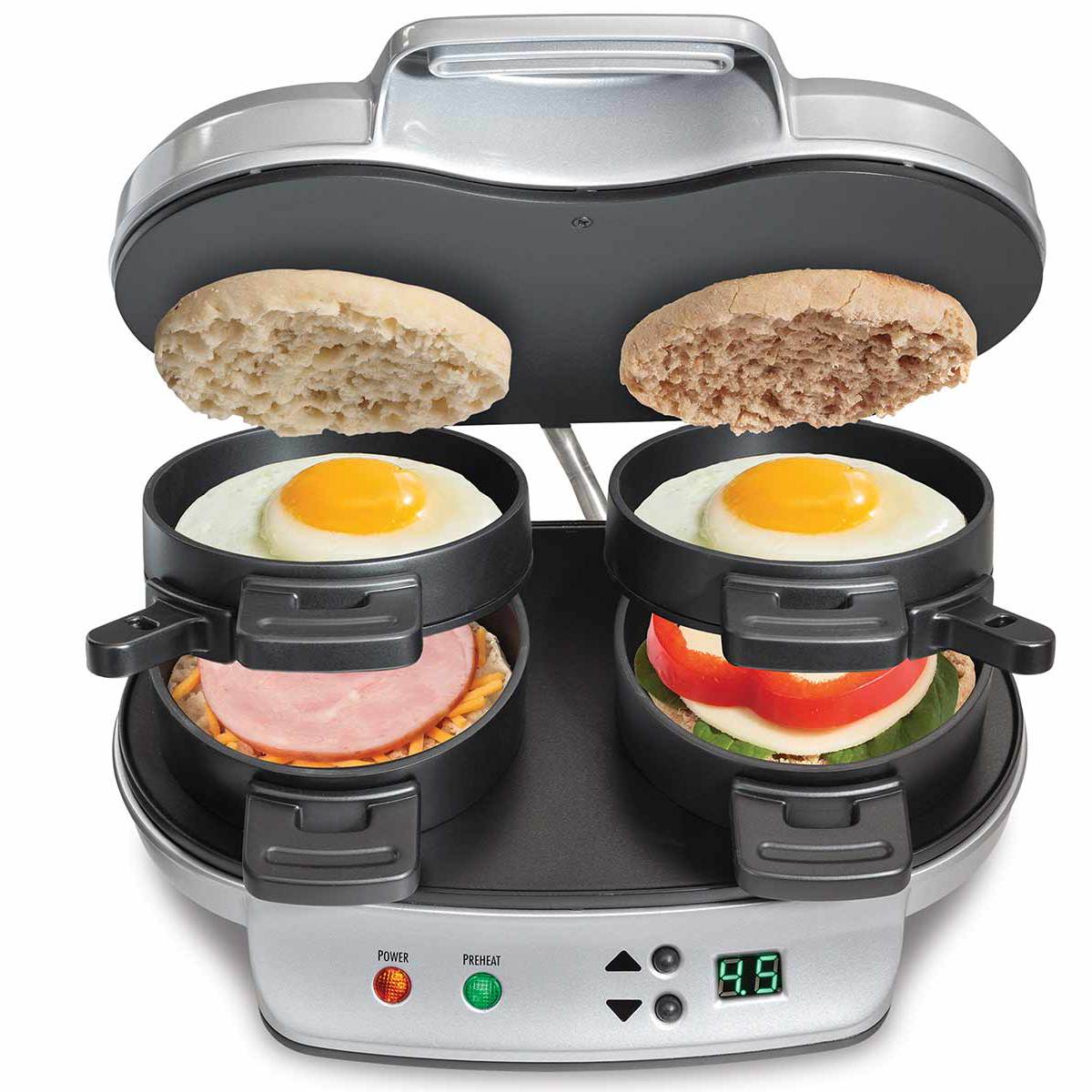
What people actually do with itThe practical answer is broad: blend a smoothie, slow-cook a chili, brew a pot of coffee, air-fry a batch of wings, press a breakfast sandwich, run a food processor, or make plant-based milk at home. In a restaurant, the same brand shows up as a bar blender or a drink mixer. In a hotel, as an in-room coffee maker. The range is the point - Hamilton Beach wants to be the default option in as many countertop categories as possible, at whatever price the shopper is looking for.
03Who buys it, and where it sells
The customer base splits three ways. The largest is the mass-market consumer, reached through big retailers like Walmart, Amazon and Target and through the company's own e-commerce, across the United States, Canada and Mexico. The second is commercial food service - restaurants, hotels and bars that buy the heavier-duty Hamilton Beach Commercial and Proctor Silex Commercial lines. The third, and newest, is home health.
In February 2024, Hamilton Beach acquired HealthBeacon PLC, a company whose products include a connected Smart Sharps Bin for safely disposing of used medical needles. The purchase became the backbone of Hamilton Beach Health, a subsidiary aimed at the home health and medical markets. It is a genuine departure - the blender people now sell a connected medical device - but it follows the same logic as everything else: find an adjacent category where the company's design-and-distribute muscle can travel.
04The numbers, and why the boring category pays
Small appliances are not a glamorous business. Margins are thin, retailers hold leverage, and shoppers are price-sensitive. Which is exactly why Hamilton Beach's 2024 result stands out: full-year revenue rose 4.6% to $654.7 million, and gross margin expanded 300 basis points to 26.0% - a record for the company since it became a stand-alone public entity in 2017. Cash flow from operations came in around $65 million. The company credited higher volume and a more favorable product mix, helped by lower input costs.
The improvement was not an accident of one good year. Pushing into higher-margin commercial and health revenue, leaning on premium lines like Lotus, and licensing brands rather than building them from scratch all point the mix upward. In a category where a lot of competitors fight on price alone, Hamilton Beach's edge is that it fights on shelf position, brand trust and price tier at the same time.
05Where it sits in the market
The competitive field is crowded. Newell Brands owns Crock-Pot, Mr. Coffee, Oster and Sunbeam. Conair owns Cuisinart. SharkNinja has become the aggressive innovator at the mid-to-premium end. Breville and De'Longhi hold the high ground on espresso and specialty machines. KitchenAid, under Whirlpool, owns the aspirational stand-mixer image. And every retailer has a private-label line undercutting all of them.
Hamilton Beach's answer is coverage. It rarely tries to own the single most desirable product in a category; it tries to be present, credible and correctly priced in as many categories as possible, from a $20 Proctor Silex toaster to a premium quiet blender to a commercial bar mixer. That breadth, plus a century of name recognition, is the moat.
06Leadership, and a quiet handoff
The company's culture is deliberately understated. It describes its approach as "Good Thinking" - handling the business in an inquisitive, fact-based and creative way - which is about as far from Silicon Valley bravado as a mission statement gets. Leadership has been similarly steady. Gregory Trepp joined Hamilton Beach in 1996 as a marketing director, became CEO in 2010, led the company through its 2017 public listing, and retired at the end of 2024. President R. Scott Tidey stepped into the additional role of CEO effective October 1, 2024. A long tenure, a clean succession, no drama.
What a builder can borrowFor anyone building a consumer brand, Hamilton Beach is a case study in unglamorous leverage. You do not need to own the factory to own the shelf. A portfolio of names, each aimed at a specific price tier, can cover a whole market better than one label stretched thin. Licensing a trusted name is sometimes cheaper and faster than earning trust from zero. And an adjacent category - even one as far afield as home medical devices - is fair game if your core capability travels there. It works best in mature, physical-product categories with strong retail distribution. It works less well where a category is being redefined by a single breakout product, where being "present and correctly priced" is not enough to win.
None of this makes Hamilton Beach a household obsession. It makes it a household fixture - the appliance company most people own something from and rarely think about. After 116 years, that appears to be exactly where it wants to be.