Pick up a coat in a department store. The label offers a simple explanation: a designer imagined it, and here it is. G-III Apparel Group makes that explanation more interesting. Between the name and the hanger sits another business, one that develops collections, arranges production and persuades retailers to give those collections space. For years, G-III grew by doing this work for names it did not own.
There is an awkward detail in that arrangement. You can become very good at making someone else’s brand successful. You can build a large business around it. The owner can still decide to take the work back. G-III’s recent history turns on that distinction between knowing how to sell a name and having the right to keep selling it.
- G-III supplies the operating machinery behind more than 30 owned and licensed brands.
- Its owned-brand share of sales reached 57% in fiscal 2026.
- The Marc Jacobs deal adds operations and shared ownership of the brand’s intellectual property.
A wardrobe with plumbing
The roots are modest and specific. In 1956, Aron Goldfarb, a Holocaust survivor, established a leather apparel business in New York’s Garment District. The company’s history dates his son Morris’s arrival to 1974. G-III went public in 1989. Outerwear provided a starting competence; licenses and acquisitions provided ways to apply it to more names, more fabrics and eventually more of the wardrobe.
Today, dresses, sportswear, suits, swimwear, handbags and footwear sit beside coats. A retailer can buy finished collections rather than assemble the design and sourcing apparatus itself. A brand owner can use G-III to enter a category without building that apparatus either. Shoppers encounter the result through department stores, online retailers and the brands’ own shops and websites.
The corporate global-reach page describes manufacturing partners in more than 40 countries. This is a network business: product judgment at one end, factories and delivery at the other. Its advantage lies in making those connections repeatedly. A fashion name supplies recognition; recognition alone does not specify a fabric, manage a production order or deliver a collection.
Money arrives through several doors. Wholesale customers buy merchandise. Consumers buy through brand stores and ecommerce. Partners pay royalties to use G-III’s owned names in complementary categories. Meanwhile, G-III pays for the third-party names it licenses. The company occupies both sides of the licensing desk, which makes the difference between those positions unusually visible.
For a shopper, this is a useful way to read the rack. A familiar label does not imply that every category is produced by the same operating company. For a retailer, the questions are more prosaic: which categories can this supplier develop, at what price, and through which channels? G-III’s appeal is the range of work it can coordinate across an established portfolio. The distinction becomes critical when a licensing agreement expires.
The price of permission
In November 2022, PVH announced that core Calvin Klein and Tommy Hilfiger categories would gradually return in-house. Those were substantial G-III businesses. By September 2026, G-III’s annual sales outlook incorporated roughly $460 million of lost sales from the two labels. That outlook excluded Marc Jacobs. This was a hole that new collections and other brands would have to help fill.
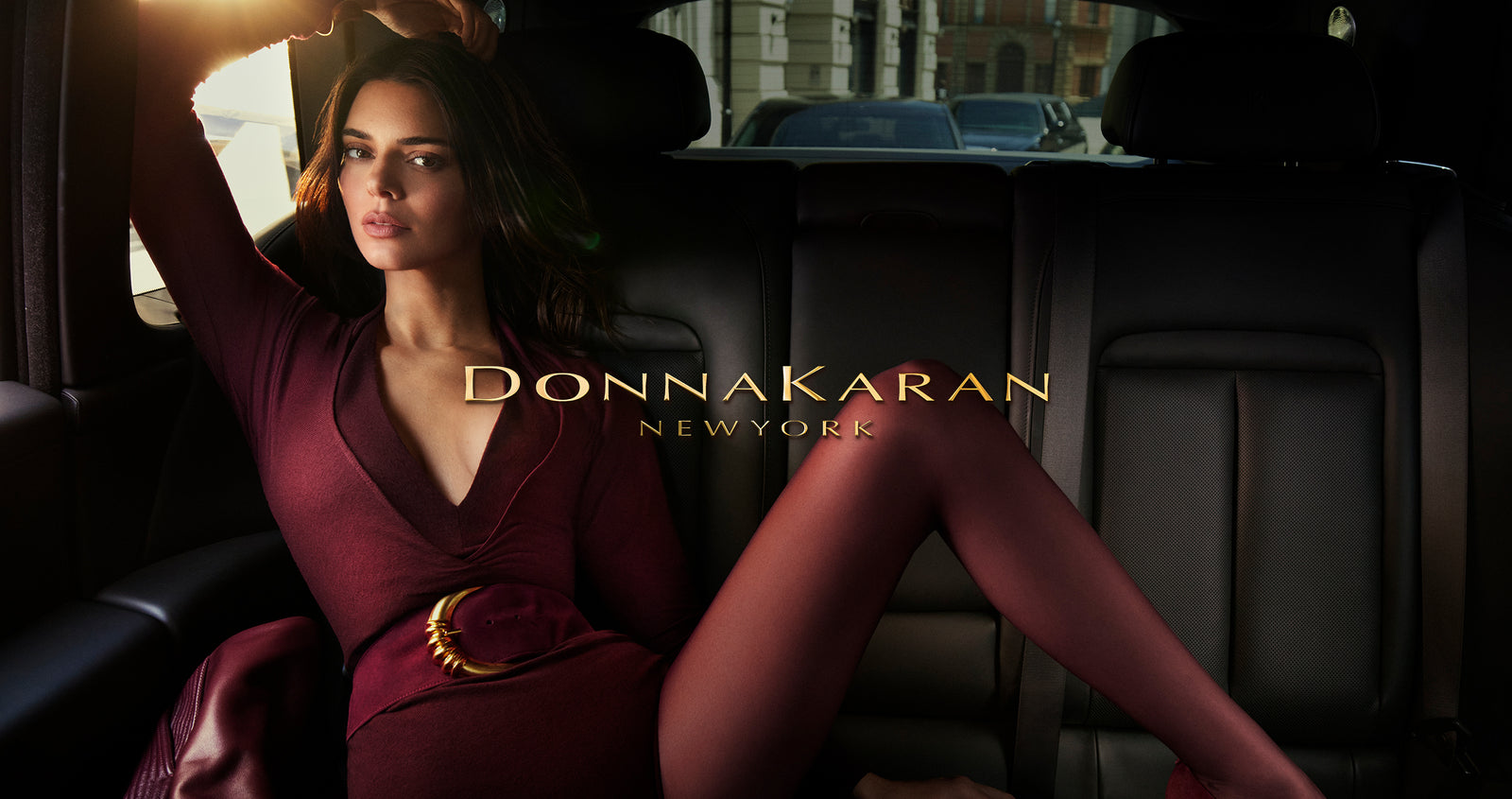
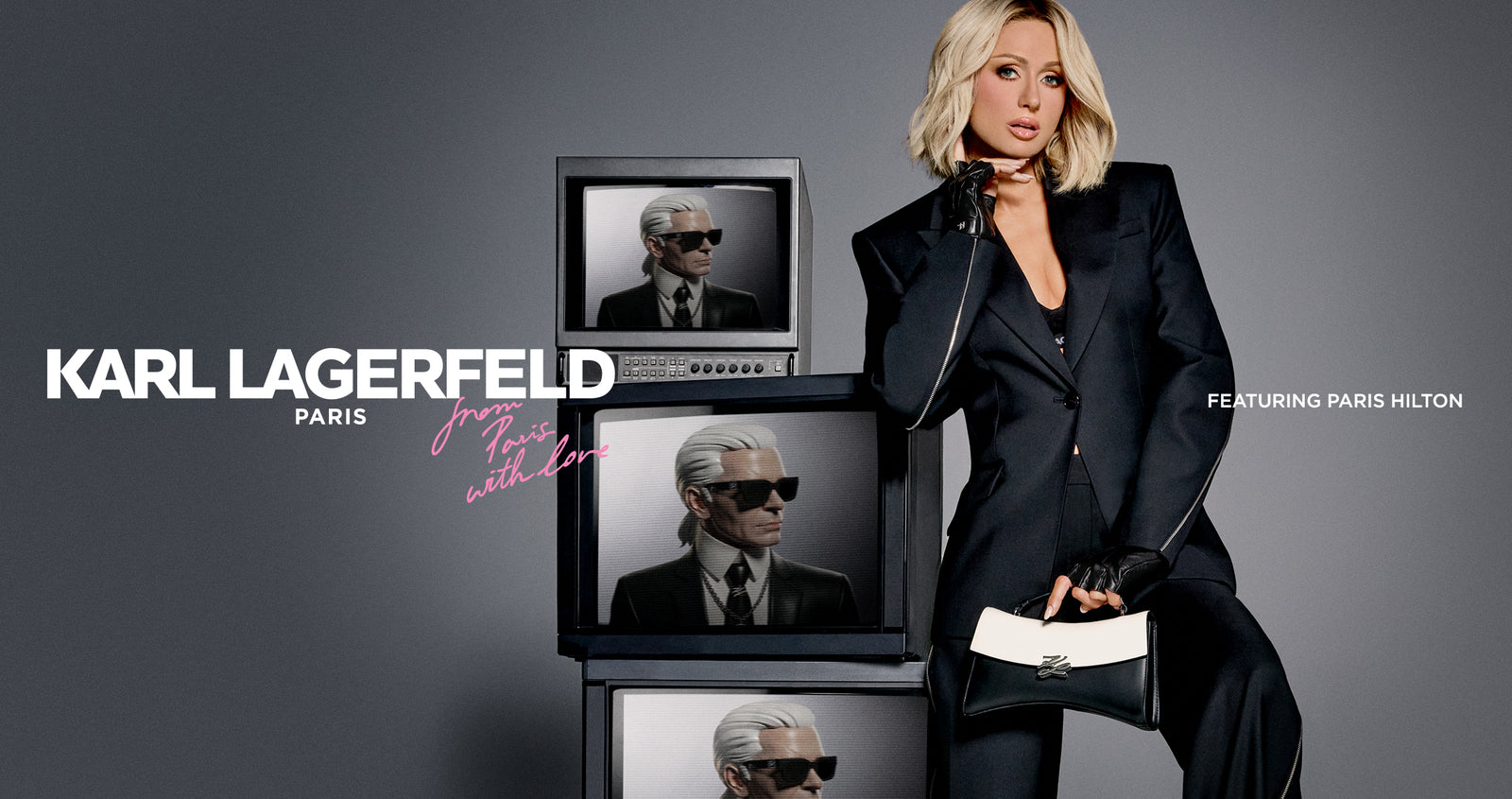
Calling the ownership strategy a sudden reaction would miss the chronology. G-III had acquired Vilebrequin in 2012 and Donna Karan International, including DKNY, in 2016. The latter deal carried an announced enterprise value of $650 million. In 2022, it agreed to buy the remaining 81% of Karl Lagerfeld for €200 million, then approximately $210 million. Ownership was already on the agenda.
Owned brands as a share of net sales. A larger share can reflect growth in owned brands, a decline elsewhere, or both.
Owning more has never meant that every expansion worked. In 2020, G-III announced the closure of 110 Wilsons Leather and 89 G.H. Bass stores. It expected a restructuring charge of approximately $100 million, including $65 million in cash. The episode separates two ideas that can look identical from a boardroom: owning a desirable brand and operating a profitable chain of stores.
“For us, it’s personal.”
Morris Goldfarb, on G-III’s family-business roots
Goldfarb’s description of the culture sounds intimate. The decisions are industrial. Buy rights. Close stores. Relaunch product. G-III brought Donna Karan back with a new North American collection in spring 2024, drawing on the archives. The commercial question was practical: could an established design vocabulary find a fresh audience through today’s retail channels?
Half the name. All the work.
September 2026 supplied a more complicated answer to the ownership question. G-III completed its Marc Jacobs transaction, investing approximately $500 million using cash and revolving-credit borrowings. It acquired the operating business. A separate venture, owned equally by G-III and WHP Global, holds the intellectual property. G-III operates under a license from that venture; WHP manages licensing operations.
That structure matters. It gives G-III a stake in the name while dividing responsibilities with a partner. It also leaves plenty to execute. The company expected the transaction to dilute earnings during the first 12 months, with accretion afterward. Buying into an established audience does not eliminate the cost of serving it.
G-III competes in the same clothing budgets and retail aisles as groups such as PVH and Ralph Lauren. Its particular combination is broad merchandising expertise, outside manufacturing partners, wholesale relationships and a growing owned-brand portfolio. It sells a brand owner or retailer a way to get product made and distributed. That proposition depends on having products people still want.
What survives a label change
The useful lesson is to identify what can be reused when a contract ends. G-III can carry design knowledge, sourcing relationships and distribution experience into another collection. An operator in another industry can make the same inventory: capabilities that travel, rights that expire, customers who belong to somebody else. Then decide which dependencies deserve capital.
There are limits. A small label without proven demand may not justify this machinery. A diversified portfolio still depends on retailers: Macy’s group alone represented 20.6% of G-III’s fiscal 2026 sales. Tariffs, inventory mistakes and weak consumer demand remain capable of spoiling the economics. The name on the coat attracts attention. G-III’s task is to make the business underneath it worth owning.