brand-management
(41)
The Firm You Call Before the Story Calls You
ProActive Strategies built a business around an awkward truth: the most expensive sentence in public life is often the one nobody prepared to say. For nearly three decades, the Virginia firm has helped organizations decide what to say, who should say it, and what should happen next.
The Publicist Who Turned Charlotte Into a Rolodex
For 20 years, Jameka S. Whitten has built publicity the old-fashioned way: by knowing which story matters, who needs to hear it, and why Charlotte is often the perfect place to begin.
The Hype Machine That Stayed in Philadelphia
Nicole Cashman's first partnership fell apart. Her answer was to stay put - and turn Philadelphia's restaurants, hotels, shops, civic moments and famous parties into a communications network with national reach.

The Basketball Agency That Made Distance Its Home-Court Advantage
Bill Duffy built BDA by treating international players like first-class clients. Then he tested whether a relationship business could borrow the scale of Hollywood without losing its bedside manner.

The Publicist Who Turned a One-Letter Mistake Into a 24-Hour Business
Anderson Group PR learned its trade in old Hollywood, survived the shutdown by looking beyond actors, and built a business around the one thing a platform cannot automate: knowing which story to tell, to whom, and when.

Hollywood stopped filming. Anderson Group kept pitching.
Liza Anderson built her agency around people worth talking about. When Hollywood shut down, that definition made room for bakers, creators and experts with something to say.
Venture IAB and the business behind the personality
A dog expert, television actors and a rock band for small children belong to the same business story. Venture IAB worked where a distinctive personality could become a show, a booking or a brand partnership.

Titan Public Relations makes the first client real
At Cal State Fullerton, a student-run agency trades pro-bono PR for something a classroom cannot supply: a client with an actual problem. The lessons include a barbershop move, a clothing drive and one missing screenshot.

Serene Agency knows who needs to hear your story
From record releases to gallery openings, Nia Rice’s Los Angeles agency sells a particular kind of judgment: which story belongs in which room.
AM PR Group’s business is the next move
Vanessa Anderson’s Los Angeles agency works where celebrity, commerce, and culture meet. Its relationship with Issa Rae offers a useful lesson: the next opportunity may require a different job description.

Superside Fired the Marketplace and Built a $16,000-a-Month Creative Department
The first version did everything from PowerPoints to measuring roofs on Google Maps. Then weak retention forced a sharper bet: design only, subscriptions only, and a global team built for enterprise creative overflow.

Beautiful.ai Built a Presentation App That Tells You “No” - and 100,000 Businesses Said Yes
The PowerPoint challenger’s cleverest idea was not generating more choices. It was removing the bad ones - then selling that constraint as a faster way for teams to think in public.
Canto Built a Business on the File Nobody Can Find
AI made it cheap to create another image, video or campaign. Canto is betting companies will pay to remember which version they can actually use.
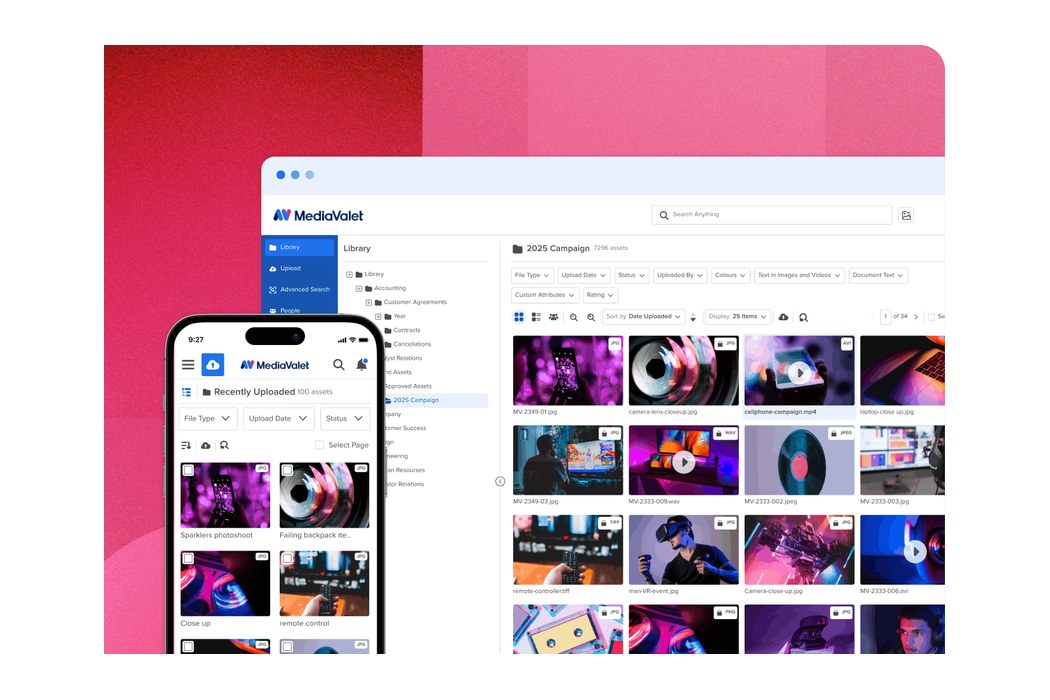
MediaValet Built a Business Around the File Nobody Can Find
A photography company choked on 20 terabytes of its own work. The fix became a cloud-software business - and a useful playbook for any team whose content library has turned into a junk drawer.
Kimberly Hairston-Hicks Builds Brands From the Human Truth Out
She wanted to be the next Oprah. Instead, a chance conversation led her to brand management, the beauty industry, and a career built on one persistent question: who is the market still failing to see?
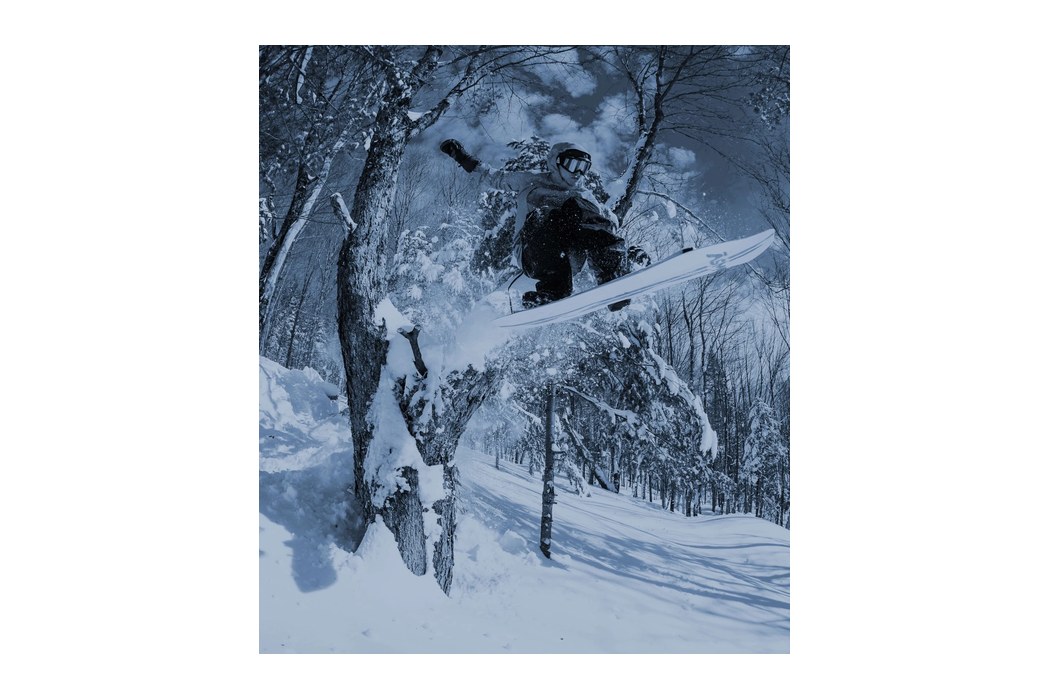
The Company That Buys Yesterday's Favorites - Then Teaches Them New Tricks
Marquee Brands has turned nostalgia into infrastructure. Its portfolio runs from Martha Stewart's kitchen to Body Glove's surf break - and the real product is a global machine for making familiar names useful again.

WHP Global’s Product Is the Name on the Box
In seven years, the New York firm assembled 15-plus familiar names and more than $8.5 billion in annual retail sales. Its real product is not a dress, sneaker or toy - it is a system for making old brands travel farther.

The Poker-Chip Seller That Built Retail’s Invisible Endless Aisle
Trademark Global started with collector plates, swords and a mountain of poker chips. Twenty-seven years later, its real product is the machinery behind the product - brands, data, warehouses and direct-to-door fulfillment for retail’s endless aisle.

The Company Running the Store Behind the Store
Baozun built its name doing the unglamorous work behind online retail. Now it is testing whether the machinery that runs a brand can become a brand business of its own.

Anna Bell’s Quiet System for Making Brands Matter
From treasury desks to grocery aisles, the Central Garden & Pet executive has built a career on a deceptively simple idea: listen closely before asking a brand to speak.
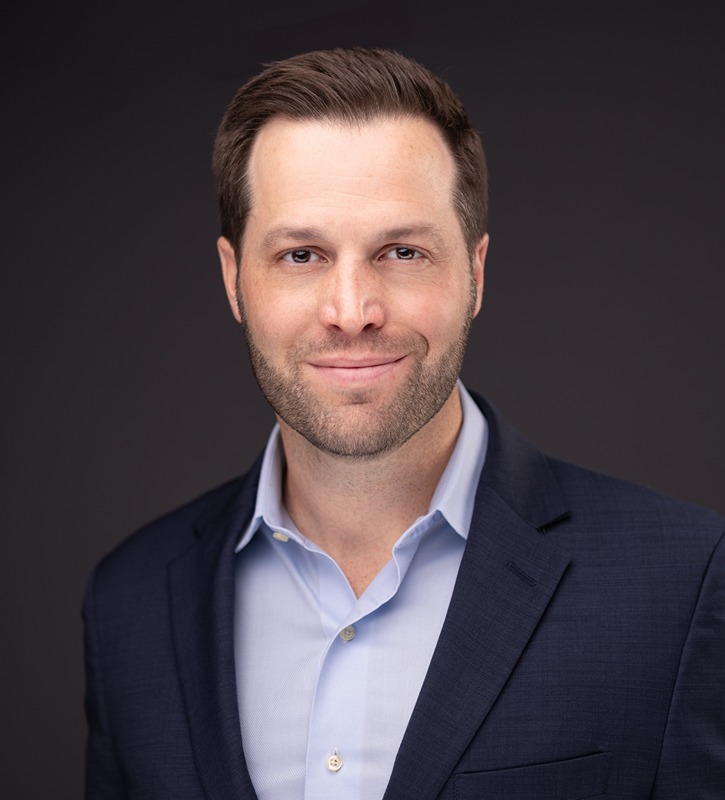
Arik Flanders Is Marketing the Machinery of Everyday Government
After 14 years marketing semiconductors, Arik Flanders moved into public-sector software. Now his job is to turn the hidden systems behind courts, taxes, schools and public safety into a story people can understand.

Jennifer Luisa Built a 25-Year Career by Refusing to Stand Still
At The Hanover, Jennifer Luisa turned longevity into a form of motion - crossing functions, building connections and keeping a 174-year-old insurer legible to the people it serves.
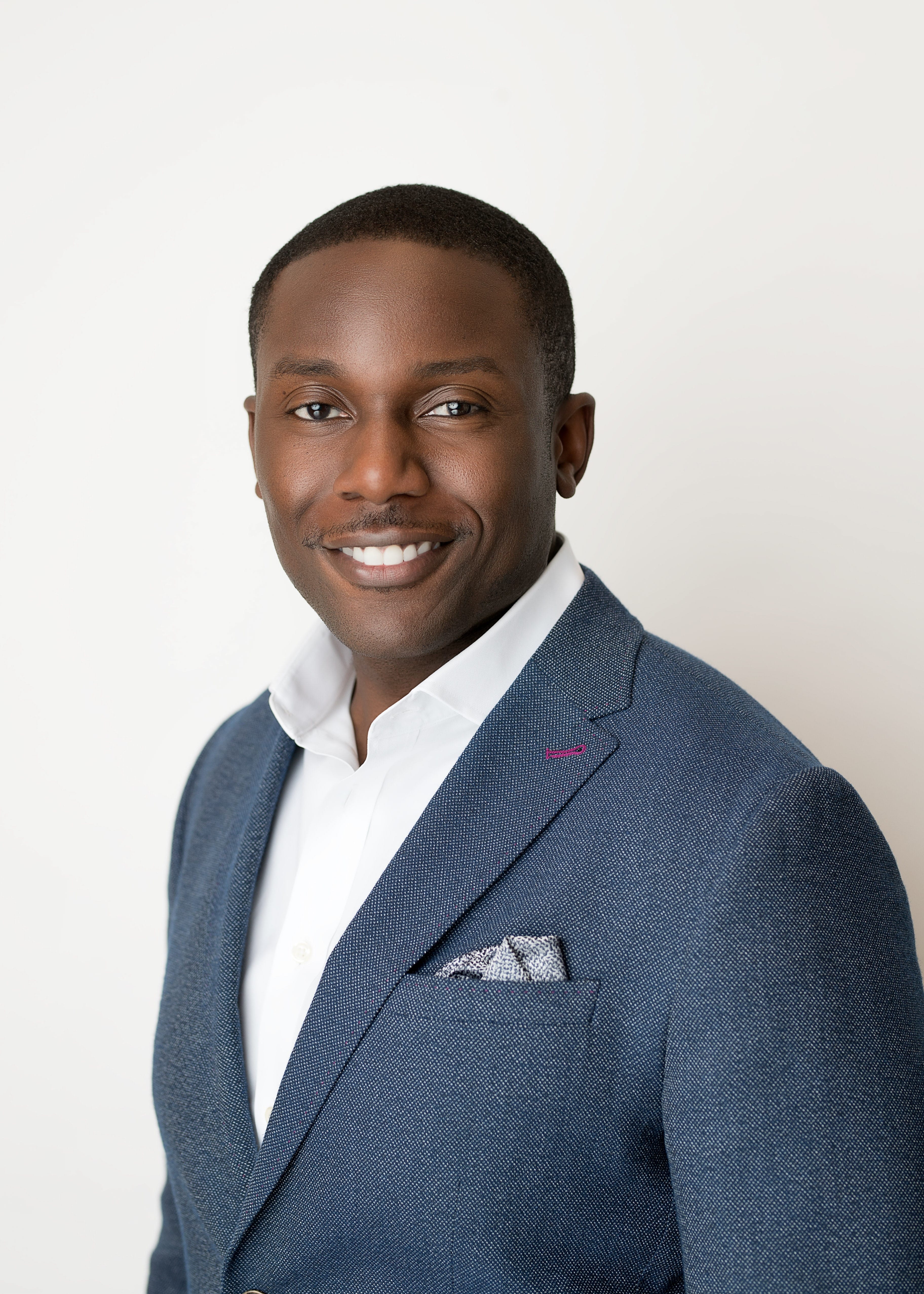
Richard Manso Is Building the Marketing Muscle Between Data and Trust
After building digital systems inside Lancôme, scaling ecommerce at L’Oréal, and guiding retail marketing at Google, Richard Manso has taken on Haleon’s U.S. marketing brief. His career is a case study in turning technology from a department into an operating habit.
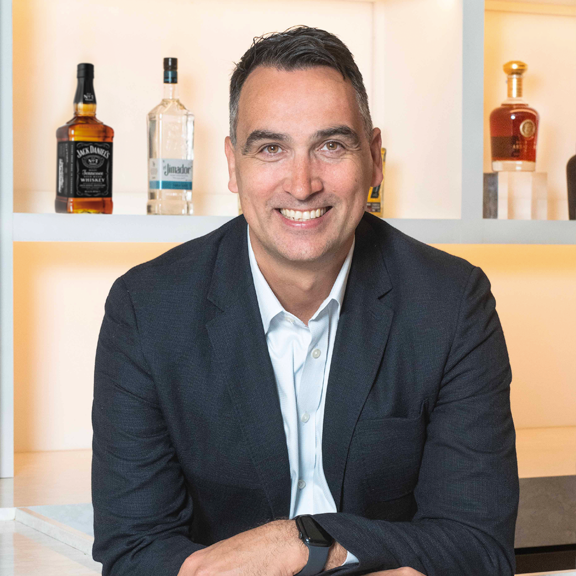
Jeremy Shepherd Has Spent Two Decades Learning Where a Brand Meets the Buyer
Before Jeremy Shepherd became Brown-Forman's chief marketing officer, he spent two decades close to the places where strategy gets tested - markets, distributors, stores and teams. His route from Canada to London to Louisville explains the operator behind the title.
Kraft Heinz Has a $25 Billion Pantry. Now It Has to Make It Hungry Again.
The merger built a pantry few rivals can match. A decade later, Kraft Heinz is spending more, reorganizing faster and asking whether famous brands can become growth brands again.
The HEINEKEN Company
HEINEKEN sells beer, but its harder-to-copy product is a global machine for making a local ritual travel. Now that machine is being rebuilt around alcohol-free occasions, connected breweries and a sharper portfolio of brands.
Treasury Wine Estates
The company behind Penfolds spent a decade buying wine brands. Now it is cutting three quarters of them - and betting the whole business on the bottles people are willing to pay the most for.
Interparfums, Inc.
Interparfums turns other people’s fashion names into a $1.49 billion fragrance business. Its advantage is an asset-light system that connects brand mythology, bottle design and a distribution network reaching more than 120 countries.
Procter & Gamble
The company behind Tide, Pampers and Gillette has spent nearly 190 years turning tiny household frustrations into repeat purchases. Its real product is a system for making ordinary things feel worth choosing again.
Haleon
The company you have never heard of makes the toothpaste, painkillers and vitamins you buy without thinking. Here is how GSK's cast-off brands became a £30 billion bet on self-care.