A painter has made an installation. Now comes a different sort of composition: the people who will see it, the writers who might cover it, the conversation that will follow it out of the room. In Serene Agency’s account of its work with Washington, D.C. artist Jabari Jefferson, those pieces sit side by side. A media campaign. Influencer outreach. A guest list. A live activation.
The project was Sacred Spaces. Jefferson’s materials include found books, fabric and paper. Serene says its work included an Ebony feature and coverage in arts and culture media. The interesting detail is the combination of tasks. Someone had to think about the installation as both an artwork and a public occasion. Who should receive the invitation? What should they understand before arriving?
That is a useful way into this Los Angeles agency. Serene works on publicity, brand management and social content. Its clients have included entertainment talent; its portfolio now gives considerable space to artists and galleries. Across those settings, the job is to help a particular story reach people with a reason to care.
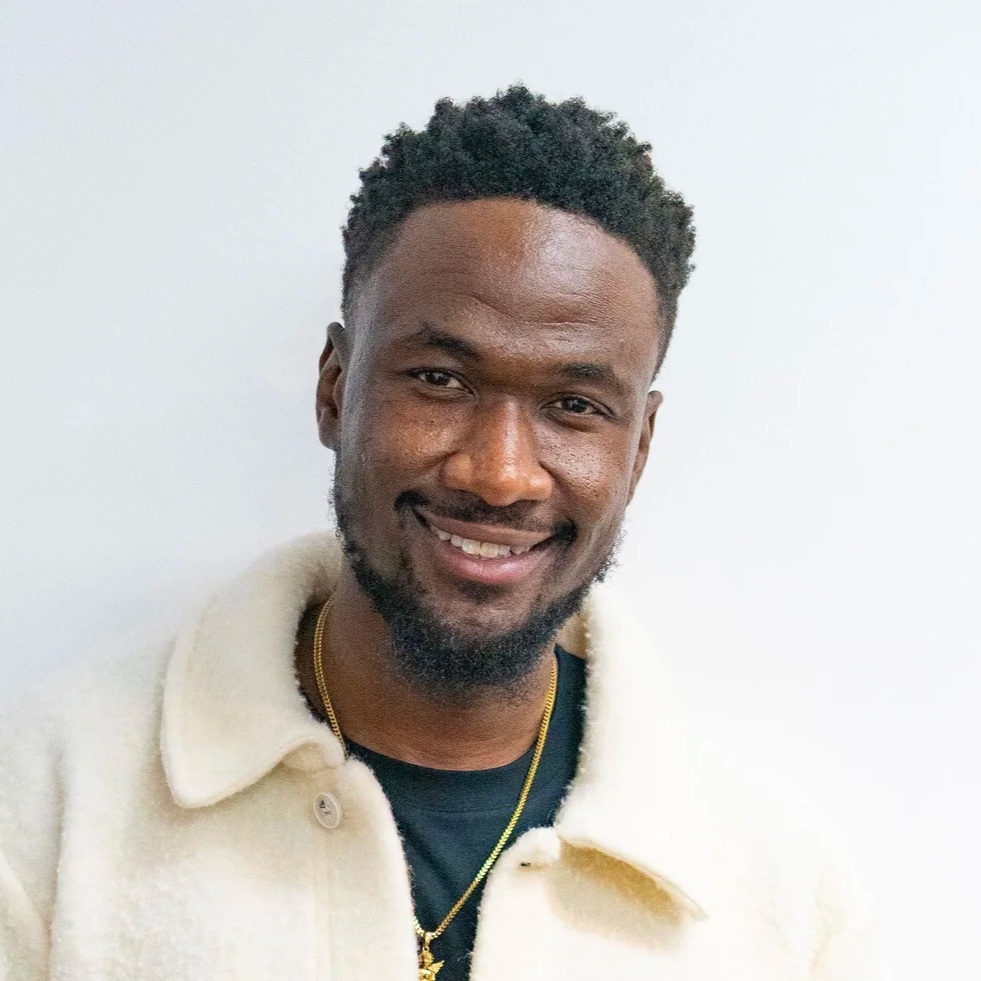
A publicist learns to read the room
Founder Tanzania “Nia” Rice came through hospitality, radio and public relations. She studied hospitality management at the University of Maryland Eastern Shore and worked with Washington-area publicist Priscilla Clarke. Her later experience included The Chamber Group and Hunter PR in New York. It is a background in organizing encounters: the event, the interview, the introduction.
By her account in a 2020 interview, the move to Los Angeles was financially precarious. Rice described arriving with one suitcase and $300, spending much of what she had on travel and a short Airbnb stay. East Coast clients kept some work coming while she attended events and built connections in her new city. The figure describes her personal circumstances at the move, not the cost of launching an agency.

Serene dates its founding to 2016. Early coverage used the name Serene MGMT and identified Megan Alston alongside Rice as a co-founder. In a later interview, Rice described an original-partner split after their interests diverged. Her lesson concerned the people inside the business: a company’s direction depends on whether its team wants to travel together.
That is a less glamorous origin story than a sudden discovery of market demand. It is also more useful. Selling relationships outside a company does not settle questions of alignment within it. Rice’s account gives an aspiring founder something concrete to examine before expanding: what each person wants the business to become.
The guest list is part of the work
Serene’s portfolio makes the service tangible. For The Bishop Gallery, a Brooklyn gallery focused on artists of the African diaspora, the agency describes developing PR strategy for a European fair season encompassing Art Basel Paris, Frieze London and 1-54 London. The brief also included partnership strategy, influencer activity and live-event engagement.
These are related jobs with different deliverables. A press pitch gives an editor a reason to consider a story. A partnership creates an occasion or a collaboration. An invitation assembles an audience. The gallery case suggests Serene’s place in the market: a boutique cultural communications practice that can work across those tasks.
Press kit
Outreach
Influencers
Brand partners
Art fair
Live activation
An editorial map of services in Serene’s case studies, not a measured conversion funnel.
For Chanel Compton, the agency describes a brief spanning her identity as an artist and her museum-leadership role: branding, speaker strategy, a press kit and outreach to arts media. For Maryland artist Blake Pierre, it describes a collection-release activation plan and bringing in a brand partner. Those examples make an important distinction visible. Two artists can require quite different communications work.
A potential client could use these examples to prepare a better brief. Specify the event or release, the people it should reach and the materials already available. Ask which tasks belong in the engagement. A gallery seeking introductions around a fair has a different immediate need from a musician preparing interviews for an album.
Keep the detail that makes the story matter
In February 2026, Loyola University Maryland published an exhibition announcement with Rice’s name and Serene Agency in the byline. Bria Edwards’ What We Do, We’ve Always Done examined Black equestrian culture in Maryland through painting, photography and video. The exhibition grew from two years of research and interviews.
It is a revealing example of the material cultural publicity handles. “An exhibition opens” gives a reader a date. Black horse riders in Maryland, documented through sustained fieldwork, give the reader a subject. The announcement preserves the history and community behind the pictures. That specificity is the reason to keep reading.
A July 2026 announcement for Jessica Ann Peavy Gallery’s presentation of Guy Stanley Philoche at the Mariposa Museum similarly listed Rice as media contact. The planned August exhibition, Give Us Our Flowers, connected eight new works to Martha’s Vineyard’s history as a gathering place for Black families. Here, the location was part of the story the announcement told.
Neither example needs a grand theory of virality. They suggest a practical editorial discipline: identify the detail that would disappear in a generic description, then make sure it survives the pitch. For a cultural organization, that can be the difference between announcing an event and explaining why someone should attend.
The promise has a boundary
Serene’s business is service work: developing campaigns, managing communications and helping clients present themselves. Rice has discussed retainers, including her belief that publicists should make room for pro bono clients. In a 2019 interview, she offered a particularly useful rule for anyone buying or selling publicity.
“Always be honest with your clients, and NEVER promise press.”Nia Rice · 2019 interview
The advice clarifies what the customer is buying. A publicist can research, prepare and pitch. An editor still decides. A buyer who needs a guaranteed placement should settle that expectation before the work starts; earned-media outreach carries a different promise from purchased advertising.
Rice also offers an Artist Core Messaging Blueprint, a workbook advertised around five steps, media niches and prompts for articulating an artist’s work. Its premise fits the agency’s case studies: deciding what to say and whom to approach are connected problems. The workbook gives artists a way to begin that thinking themselves.
There is a modest habit inside the agency that makes the rest more believable. A 2023 profile described weekly briefings to sort client priorities, with research and outreach competing for the day’s attention. Publicity can look like a succession of appearances. The work behind it involves deciding which call, which draft and which invitation deserves attention next.
For the reader, the portable lesson is to begin with the recipient. Before commissioning another asset or sending another announcement, name the person who should care and explain why. Serene’s most instructive work starts there: with an artwork, an audience and a reason for the two to meet.