cultural-marketing
(19)
The Agency That Put a Number on Courage
GUT began with a second mortgage, a one-year no-poaching rule and a stubborn word: bravery. Eight years later, that word has become a 12-office operating system for making brands harder to ignore.

Current Global Makes Public Relations Out of Things People Can Touch
The Chicago-born agency’s best ideas do not sit politely inside advertisements. They become passes, policies, fellowships, game characters and finish-line numbers - useful objects engineered to travel through culture.

The PR Agency That Put Its Employees in the Owner's Chair
W spent 14 years growing like a founder-led agency. Then, still profitable and expanding, it handed employees a stake in what came next - while betting that modern PR should sell products, not merely collect headlines.
The Milkshake That Moved Faster Than the Meeting
DeVries Global built a worldwide agency around a boutique promise: notice culture early, move before the moment expires, and measure whether the attention changed anything.
PACO Collective and the Borrowed Projector That Changed the Brief
Two ad men, a cocktail napkin and a borrowed projector became a Chicago agency built to replace cultural shorthand with cultural intelligence. The clever part was knowing when their own original idea had to change.

The Agency That Learned to Sell Attention Twice
MARTIN* made a state slogan immortal, gave insurance a gecko, and made Snoop Dogg quitting smoke into national news. Its harder trick was learning that attention only matters when the business underneath can cash it.
The Festival Feed That Learned to Behave Like a Family Reunion
We Thrive Media stopped treating a festival feed like a billboard and started treating it like a place people belonged. Seven million-view videos and a Shorty Award later, the useful lesson is not “go viral” - it is how to earn attention before asking for action.
Katherine Espinosa Built a New York PR Office by Making Culture the Assignment
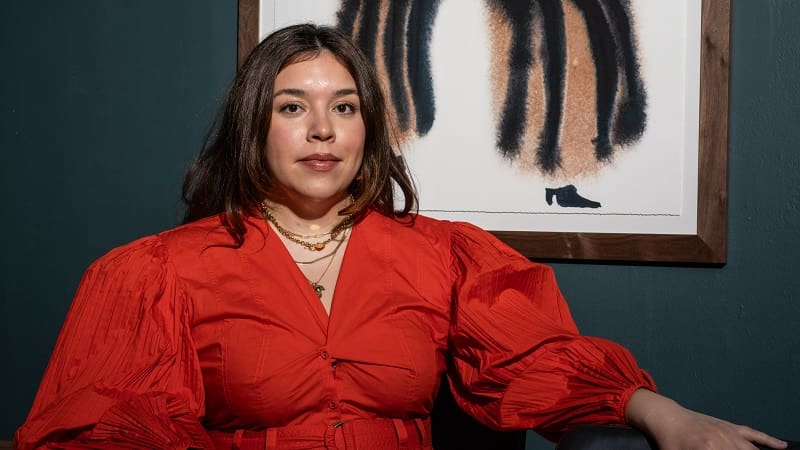
She helped take The Romans from a two-person Brooklyn outpost to a serious American operation. Her method is disarmingly simple: stay curious, earn attention and never confuse a calendar moment with a relationship.

Pitchblend Put the Press Release Inside the Experience
A 20-year-old communications agency has a peculiar answer to the attention problem: make the story, the room and the media plan behave like one object.

Sensis Built a $400 Million Media Habit by Listening Before It Spoke
The Los Angeles-born agency started with Spanish-language websites. Twenty-eight years later, its advantage is still the same unfashionable move: research the audience before buying the attention.
A&CO Sells the One Thing Marketing Budgets Cannot Buy: The Right Introduction
The Los Angeles agency works in the narrow corridor where culture, commerce, and causes meet - building partnerships that carry money, meaning, and the risk of getting either one wrong.
Guerrera PR knows when to let Dad do the talking
A father’s Coachella story became a billboard people wanted to share. Inside Loren Medina’s agency for Latin artists whose identities refuse to fit the usual boxes.

Serene Agency knows who needs to hear your story
From record releases to gallery openings, Nia Rice’s Los Angeles agency sells a particular kind of judgment: which story belongs in which room.

Craig Brommers Writes the Marketing Plan - Then Leaves Room for the Plot Twist
At American Eagle, the veteran retail marketer treats culture like a live signal, keeps part of the budget ready for surprise, and measures the commotion at the cash register.
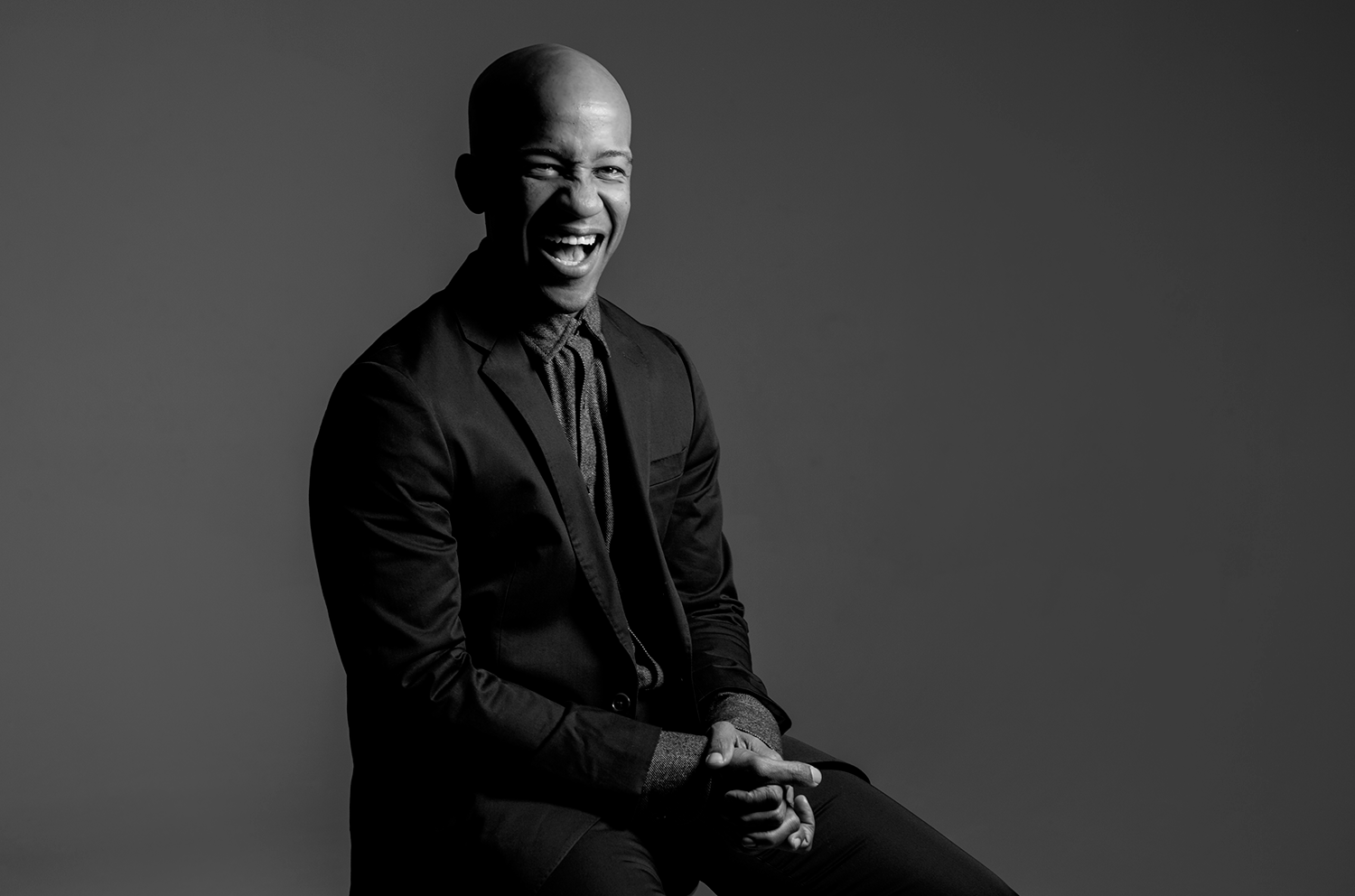
Alex Frias Knows Culture Never Stands Still
From live brand experiences to TIDAL, FILA, Wayfair and Steve Madden, Alex Frias has spent his career learning a deceptively hard skill: how to move at culture’s speed without surrendering a brand’s point of view.
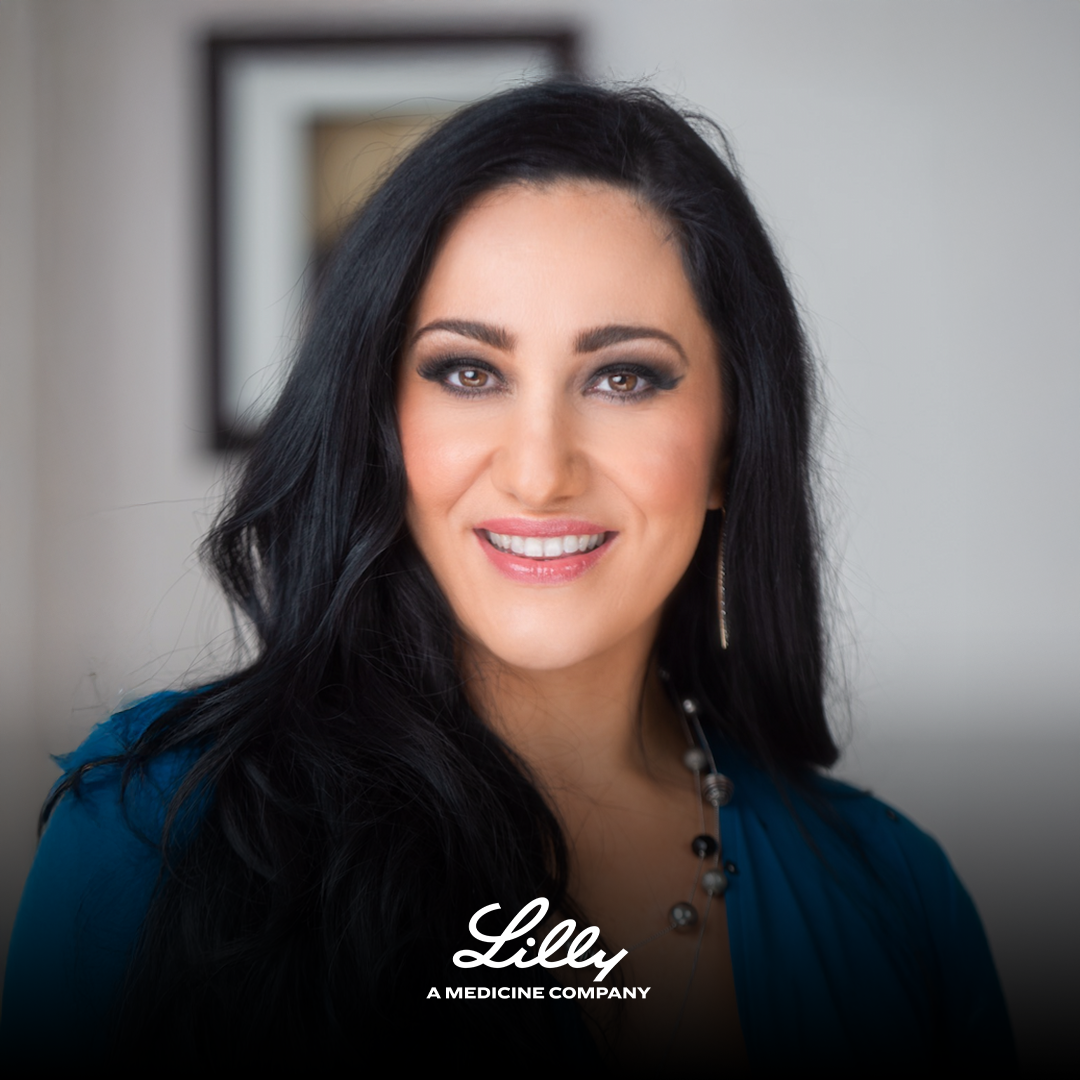
Lina Polimeni Wants Health to Have a Life Outside the Doctor’s Office
After 23 years at Eli Lilly, the Italian-born marketer is turning a pharmaceutical company into a participant in culture - and treating attention as a responsibility, not a trophy.

The Agency That Bet Brands Should Chase Culture, Not the Other Way Around
Steve Stoute left the record business convinced Madison Avenue was reading culture with an old playbook. Two decades later, Translation is the agency that turns cultural currency into brand campaigns - and it built a music platform to keep the supply coming.

The Ad Agency That Sold Rebellion - Then Refused to Sell Itself
Wieden+Kennedy taught Nike to say three words and built a global business around protecting the conditions that made them possible. Four decades later, independence remains both its sales pitch and its hardest assignment.
Jonathan Bottomley
Jonathan Bottomley is EVP and Global Chief Marketing Officer of Calvin Klein and, since May 2026, EVP of Group Consumer & Brand Strategy at parent company PVH Corp. Oxford-educated in modern languages, he spent roughly two decades in advertising - most notably eleven years at BBH London, where he rose to joint chief strategy officer and worked on Axe/Lynx, Google, Audi and Samsung - before crossing to the client side as Ralph Lauren's first-ever CMO in 2017 and later CMO of Boll & Branch. Since joining Calvin Klein in June 2022 he has rebuilt the brand's marketing around what he calls an 'entertainment mentality': casting talent with 'cultural velocity' rather than raw follower counts, and pairing archival brand DNA with modern CRM and first-party data. The results have been loud - the January 2024 Jeremy Allen White underwear campaign generated an estimated $74 million in media impact value and roughly 30% year-over-year growth in underwear sales the week it launched, followed by Bad Bunny in 2025 and Dakota Johnson in 2026.