In an airport, the most dangerous object may look like lunch. A mango, a sausage, a clipping from a favorite plant - each can carry the pest that becomes somebody else's agricultural emergency. The United States Department of Agriculture needed travelers to understand this while walking, wheeling luggage, finding passports and switching languages. The problem was not a shortage of facts. It was an excess of everything competing with them.
Sensis responded with a question that could fit in a hurried traveler's head: “Can I Bring It?” The agency studied inspection data to find high-risk ports and traveler groups, then ran focus groups and interviews in English, Spanish and Mandarin. Airport signs, radio, digital ads and a mobile search tool followed. In four months, the work drew more than 101,000 unique users and 223,000 digital clicks.
That sequence - evidence, human interpretation, creative, media, measurement - explains the company better than the usual stack of agency adjectives. Sensis makes advertising, websites, apps, public relations, influencer programs and media plans. What it really sells is coordination: the researcher and the copywriter are meant to be solving the same problem.
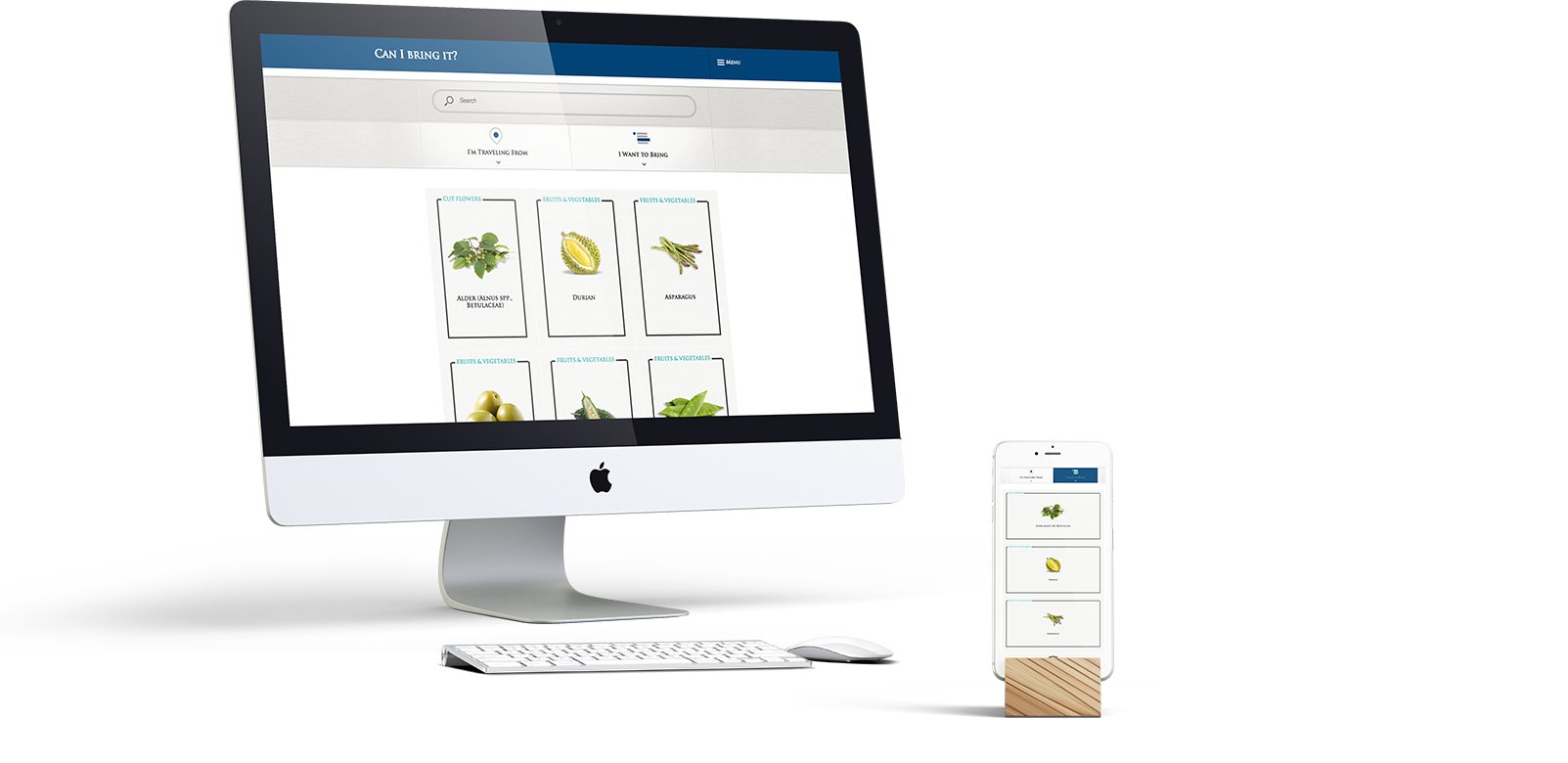
A website shop discovers the rest of the world
José Villa founded Sensis in 1998, a couple of years out of college. His ambition, he later told the American Marketing Association, was modest: make it one month at a time. The company built Spanish-language websites when that was still an unusual agency specialty. Digital came first, not as a department bolted onto a traditional shop but as the shop itself.
The market changed Sensis's mind about what it needed to become. A website could not fix a brand that had misunderstood its audience upstream. Translation could not rescue a campaign conceived around a cultural assumption. So the offering spread backward into research and strategy, then outward into creative, media, public relations and analytics. By 2025, Villa described a roughly 150-person independent agency with all of those disciplines under one roof. Sensis currently reports 120-plus employees, reflecting the ordinary ambiguity of company headcounts rather than a tidy growth chart.
“I was just trying to make it one month at a time.”José Villa, recalling the 1998 beginning
Its category has evolved too. “Hispanic marketing” was once an intelligible box. America is less obliging now. People move among languages, generations, neighborhoods and media habits. Sensis calls its approach cultural or cross-cultural marketing: Hispanic, Black and Asian expertise informs the whole campaign instead of producing three decorative versions at the end.
The interesting numbers happen after the click
For the Los Angeles Police Department, the first failure was visible before a campaign ran. Younger, more diverse Angelenos did not see themselves or their values in recruitment materials. Sensis audited those materials, built a new messaging platform, targeted Black and female candidates, and advised on CRM management to reduce the number of leads lost between curiosity and application. The four-month campaign produced 1,247 applications and, according to the agency, the department's most diverse recruiting class to that point.
The same pattern appears in commercial work. Herbal-tea maker Tadin faced an aging customer base. Sensis repositioned it as a cross-cultural lifestyle brand, mixed grocery activation with Latina food and lifestyle creators, and followed the brand into eight expansion markets. The campaign generated 100 million paid and owned impressions, but the useful number was sales: up 27.7% year over year in targeted markets.
For AltaMed, a community healthcare network, the resistance was emotional as much as informational. Older Hispanic patients could associate out-of-home senior care with nursing homes. Sensis used documentary-style stories from real participants and caregivers for the PACE program. Annual enrollment nearly doubled from 2018 to 2021, contributing more than 2,500 enrollments. In AltaMed's broader open-enrollment work, inbound leads rose an average 31% a year from 2019 through 2022.
An agency assembled like a field kit
Sensis did not build every capability organically. In 2021 it acquired Atlanta's PM3, gaining consumer-brand experience, production facilities and a Latin American team. The combination was complementary: Sensis brought media scale and research; PM3 brought a larger creative engine. In 2023 it bought Sharp & Company, a Washington-area transportation communications consultancy. Twenty-four people and clients including WMATA came with it.
These deals were not a random roll-up. They filled two practical gaps. PM3 made more of the creative in-house. Sharp deepened a category in which public consultation can decide whether infrastructure advances or stalls. The current specialist practices - SensisHealth for healthcare and public health, and SensisConnect for transportation - give clients category knowledge without forcing the agency to split its research, media and digital machinery into separate firms.
The result sits between two common alternatives. A specialist multicultural boutique may possess deep community fluency but outsource media or technology. A large holding-company agency can offer scale but separate strategy, production and buying across units. Sensis's proposition is a middle path: independent ownership, people who reflect the market, and enough integrated capability to keep the original audience insight intact as a campaign travels.
A 2026 federal record values Sensis's three-year FMCSA Complaint Center awareness assignment at up to roughly $1.77 million, with about $951,500 obligated by May. Sensis publishes no rate card; projects vary by research, production, media and duration.
What another team can borrow
The copyable part is not “be multicultural,” a direction so broad that it is barely a direction. Start with the operational data already in the building. Sensis used agricultural inspection records to find risky traveler segments. It built a Metrolink rider model from five years of marketing data and two studies. It treated the LAPD recruitment funnel as a system with attrition, not merely a poster needing friendlier faces.
Next, allow research to veto the first idea. This is expensive in patience and cheap compared with airing the wrong message. Jeffrey McKinney, who leads client services and integrated marketing, has described creative reviews as presenting thinking and asking the client to help iterate - a small phrase that makes the work sound less like theater and more like joint diagnosis.
Finally, pick a metric that survives contact with the finance department. Impressions explain delivery, not value. Registrations, completed applications, cost per click, enrollment and incremental ridership expose whether the message changed anything outside the media dashboard.
There are limits. This model is a poor fit when leadership wants a cosmetic translation after every strategic choice has been locked, when a tiny campaign cannot support meaningful research, or when a client will not share funnel data. Culture-first work also cannot compensate for a broken service. An inclusive recruitment ad may generate interest; it cannot repair the job waiting on the other side.
The business of being specific
Sensis earns money the ordinary agency ways: retainers, projects, research, production, digital builds and media services. Public contracts make some scale visible. The company says it stewards about $30 million in media each year and has placed more than $400 million over time. A federal health-agency purchasing vehicle carries a much larger ceiling, but a ceiling is permission to buy, not revenue earned.
Its customer list is unusually civic: CDC, USDA, DHS, IRS, Census, the U.S. Army, transit systems, universities and community health providers sit beside tea, spirits and financial brands. That mix explains the sober emphasis on accessibility, language and measurement. Selling pomegranate liqueur can tolerate whimsy. Explaining what fruit may cross a border cannot tolerate confusion.
Sensis has landed on the Inc. 5000 twelve times. The more revealing achievement is that its founding premise still travels. The web changed. Media fragmented. “Multicultural” became politically noisy language. Yet a person rushing through an airport still needs to recognize that the message is for them. Twenty-eight years in, Sensis keeps arranging the machinery around that moment of recognition.
Keep exploring