community-engagement
(128)
FitGrid knows a full class can hide an empty till
The fitness software company began with a question about strangers in a Pilates class. Today, it connects the people who keep a studio alive with the numbers that explain whether it can afford to stay open.
Countable and the Civic App That Became a Company Town Square
Countable taught people to speak to Congress. Then it discovered that companies, causes and campaigns wanted a way to listen - and to turn that conversation into action.
The Roadwork That Lost 85% of Its Schedule
An Auckland street was scheduled for 61 days of traffic management. With better evidence about the road around it, the team compressed the job into two weekends and three nights - a useful clue to what Mooven actually sells.
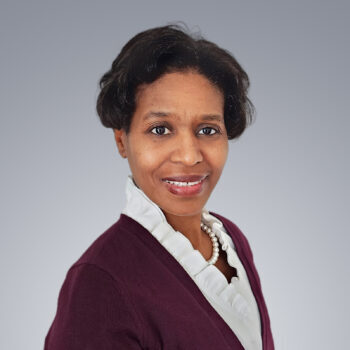
Kristi Mitchell Left the Center to Change Who Gets Heard
After 23 years inside institutions that turn evidence into policy, Kristi Mitchell made a quieter bet: the people represented by the data should help shape it.

Michelle Hege Built a Career by Asking Before Answering
DH's first employee became its CEO by treating curiosity as a discipline. Nearly three decades later, Michelle Hege still begins with the audience, especially when the message is difficult.
LSG Built a Washington Agency by Leaving Washington
The public-affairs firm’s useful contradiction is simple: it sits in Washington, but its best work begins by finding the people who do not.

The Best Message in the Room May Not Come From the Agency
DH built a communications business by giving away the most flattering role in advertising: the person with all the answers. Its campaigns begin with a quieter proposition - the people living with a problem usually know where the message should go.
The Agency That Put a Stopwatch on Stigma
Red Rock sells branding, but its most revealing metric is time: a mental-health campaign was associated with cutting the average delay before treatment from 15.5 months to 6.3. The story is what happened when an agency treated communication as part of the care pathway.

Mueller Communications and the Long Road to Yes
The Milwaukee firm does its most revealing work before the announcement - translating complicated projects, wary publics and long approval processes into something people can act on.
The $2,000 Bet That Learned to Move a City
K Harvey Brand Partners began with $2,000 and a 24-year-old founder. Thirty years later, its sharpest work still begins the same way: find the human problem hiding inside the public one.

The Infrastructure Firm That Brings Jenga to a Street Fight
Zan Associates works in the awkward space between a transportation plan and the people expected to live with it. Its trick is disarmingly practical: leave the hearing room, make participation tangible, and show residents where their fingerprints landed.

The Tiny Agency Teaching City Hall to Speak Human
Most agencies sell attention. Slate sells something harder: a way for towns, cities, and counties to sound coherent when every resident is a stakeholder and every logo can become a council-meeting debate.
The Agency That Planned to Stay Small
Angela Krile expected three clients and a part-time practice. Sixteen years later, a Lancaster firm with dozens of clients has built its business by treating community ties as operating infrastructure.
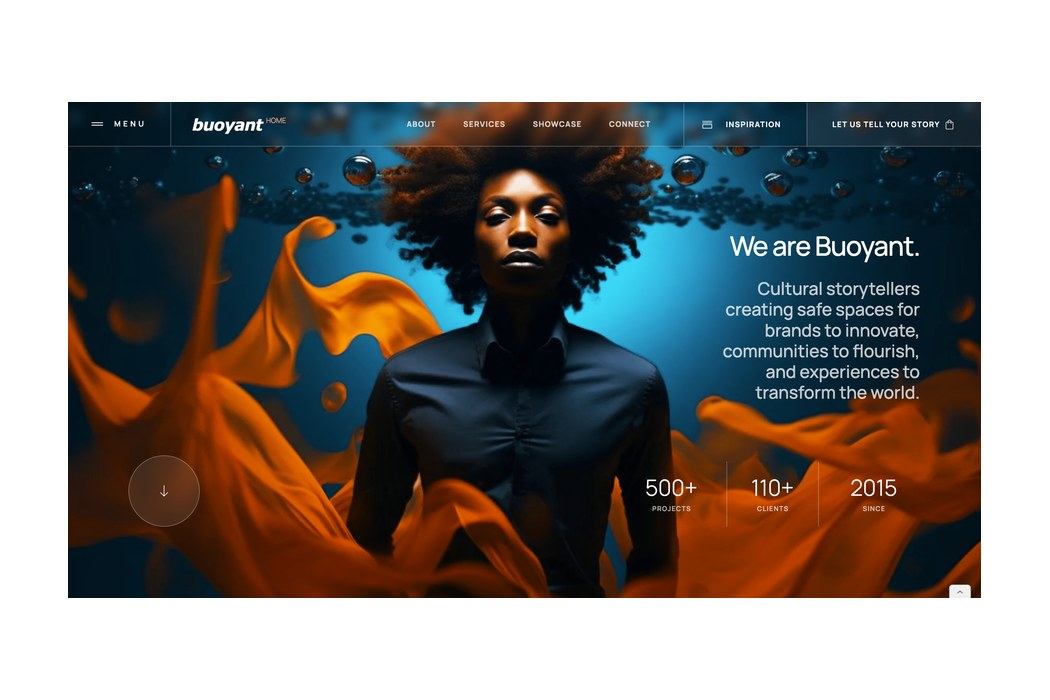
The Agency That Learned to Own the Room
BUOYANT began as a safe place for cultural storytellers. Its sharpest work starts when somebody else's platform stops serving the audience.

The Agency That Translates Before It Writes
Most agencies begin with a message and search for an audience. NewPublica begins with the audience - then lets six languages, 88 rules and a few thousand tacos decide what the message should become.

The Ad Agency That Put Naloxone on the Guest List
Amélie Company sells behavior change, not breakfast cereal. Its best campaigns begin where ordinary advertising gets uncomfortable - addiction, overdose, mental health - and end with something people can actually use.

The Agency That Put a Birthday Candle on a 75-Foot Rocket
Flock and Rally built a business around the unglamorous art of making many moving parts move together. Its best work shows what happens when audience research, public-sector fluency and a little theatrical nerve share one table.
The PR Firm That Learned to Speak Fiber
The internet has a plumbing problem and a language problem. From a house in Mamaroneck, iMPR built a business translating fiber, colocation and subsea cables for the people who decide what gets noticed - and, increasingly, what gets built.

The Firm That Turns Listening Into Leverage
For sixty years, this Saint Paul agency has sold something subtler than publicity: a way to make consequential decisions legible before the room turns against them.

SE2 and the Strange Power of Not Being the Messenger
The Denver agency built its business around a counterintuitive idea: the cleverest message matters less than the person a community already trusts enough to hear it from.
The Message Before the Microphone
Rise Strategy Group sells something harder to photograph than an ad: the moment when an institution earns the right to be heard. Its advantage is a team trained where messages face consequences - newsrooms, campaigns, city hall and crisis rooms.

The Campaign Shop Behind the School Bond
School districts do not merely need better messages. They need to know which neighbors have not heard them, what those neighbors fear, and how to turn a civic proposal into a choice people can understand.

The Quiet Business of Making People Believe You
Spero Studio’s wager is simple: the most effective message is not the cleverest one. It is the one delivered by a voice the audience already has reason to trust.

The Firm Built on an Exit Ramp
Named for the road that carries Boston west, 90 West turns political-campaign instincts into communications work for climate scientists, nonprofits, companies, and public leaders. Its most interesting product is not publicity. It is alignment.

The Agency That Learned to Hand Out Water
A Richmond production shop became a full-service agency by treating community trust as infrastructure. Its best case study began not with a commercial, but with bottled water, local radio, and a sixteen-hour clock.
Lara Media and the People Who Never Come to the Meeting
For 25 years, the Portland firm has treated listening as fieldwork - finding the people public meetings miss, then turning what they say into decisions institutions can use.
The People You Call When the Plan Meets the Crowd
DigiGeeks Collective sells something more useful than another campaign deck: a trusted bench of specialists that can appear when a mission-driven team suddenly needs more hands, more range, or both.

The Firm Between the Hearing Room and the Church Basement
Pyxis Partners has built a business translating between Washington's health-policy rooms and communities that have good reasons to distrust them. Its real product is not access alone. It is the patient work of making access travel both ways.

The Agency That Decided Guessing Was Too Expensive
Resolute PR built a Tulsa agency by treating local trust as infrastructure, not decoration. Then a costly vendor mistake and a decade of crossed wires pushed it toward a sharper proposition: research first, one story, every channel pulling together.
Novle’s First Media Buy Is a Conversation
The Phoenix agency treats multicultural marketing as relationship infrastructure: learn the community, convene its leaders, then earn the right to ask for attention.