Company Profile · Health Equity · Birmingham, Alabama
The Birmingham startup that made pharma pay for the trust it never earned
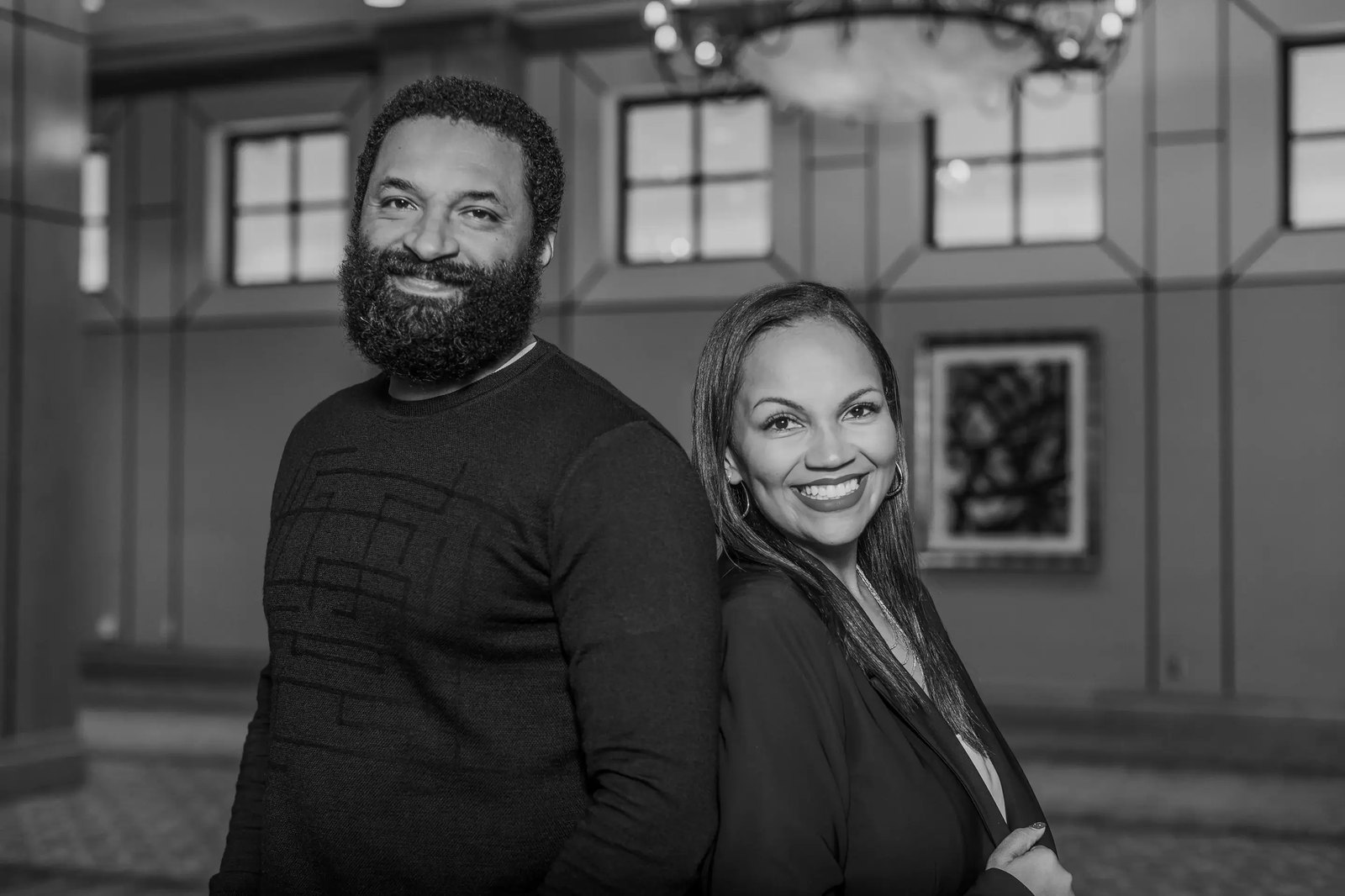
Del Smith and Tiffany Whitlow built a 200,000-member community first and an AI second - and got seven of the ten biggest drug makers to buy the trust they earned.
Every drug company in America knew its clinical trials were too white. Roughly 5% of trial participants identify as Black, in a country where communities of color make up more than 40% of the population. The industry tried to fix it the modern way - point an algorithm at the enrollment data and let the model find diverse candidates. It did not work, and Del Smith could tell you exactly why in one sentence: if you train a model on biased data, you get a biased model.
So Acclinate, the company Smith co-founded in Birmingham, Alabama with Tiffany Whitlow, did something that looks backwards on a pitch deck. Before it built the AI, it built the audience. NOWINCLUDED, its community health platform, now has more than 200,000 members, most of them Black and African American, who come for health education and resources - not to be recruited into a study. That community, and the consent that comes with it, is the raw material for everything the company sells.
01What Acclinate actually does
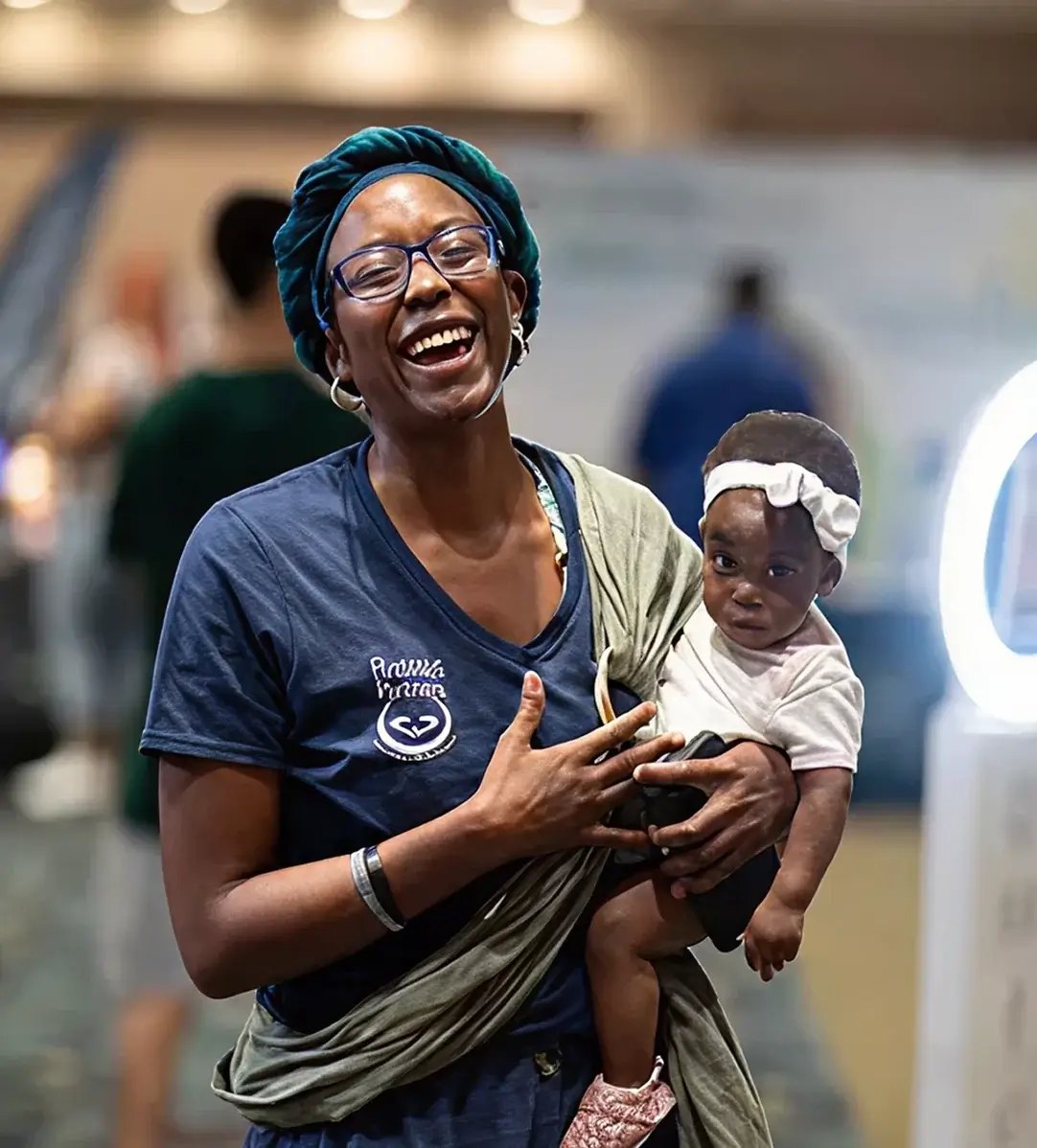
Strip away the mission language and Acclinate runs a two-part machine. The first part is NOWINCLUDED, a free consumer platform built, in the company's own framing, "by and for" the Black community - covering conditions that hit communities of color hardest, from maternal health to Alzheimer's. It is where trust is earned, slowly, through showing up before there is anything to ask for.
The second part is e-DICT - Enhanced Diversity in Clinical Trials - a patented, HIPAA-compliant predictive-analytics engine. It is trained on the authenticated data from NOWINCLUDED, and it does something recruiters have wanted for years: it predicts not just who is eligible for a trial, but who is actually likely to show up. A patent-pending "Participation Probability Index" blends social-determinants-of-health data with real engagement signals. Pharma buys the output. The community fuels it.
The sequence is the moat - community first, algorithm second.
If we use that biased data, we're going to create the same problem.Del Smith, Co-Founder & CEO
02The problem it solves
Drug makers have a compliance headache and a science problem, and they happen to be the same problem. Medicines get tested on populations that do not match the people who will eventually take them, which is bad science. And regulators - via the FDA's diversity guidance - increasingly want documented plans to fix it, which is a paperwork-with-teeth problem. Acclinate sells the thing both of those need: verifiable, auditable diversity numbers, backed by a real community rather than a spreadsheet estimate.
The reported results are the pitch. In Alzheimer's research, Acclinate says it produced a 3.8x increase in participants identifying as Black or African American. That is the kind of figure a sponsor can put in front of a regulator.
The gap Acclinate sells into
Share of the picture: US population vs. a typical clinical-trial roster (approximate).
The distance between those two bars is the entire market. Acclinate's product is the bridge.
03Where the idea came from
Neither founder arrived at clinical-trial diversity through a market-sizing exercise. Smith's mother died of tuberculosis; a trial that might have helped her was only discovered after her death. Whitlow, an adoptee with no family medical history, watched her asthmatic son get prescribed albuterol - a drug known to work less well in Black and Puerto Rican children - and realized no one had ever offered her family a trial either. The company is what happened when two people decided the system that failed them was a business problem worth solving.
Our communities have been historically forgotten about by healthcare.Del Smith, Co-Founder & CEO
04How it differs from the competition
The clinical-trial-diversity and decentralized-trial space is not empty. Firms like Curavit, Javara, Medable, Advarra and Headlands Research all work some corner of the recruitment-and-access problem, and every large CRO has an in-house diversity team. What Acclinate has that they mostly do not is a first-party, consented community that it built rather than bought. e-DICT is, by the company's account, the only engine trained on authenticated data from a community like NOWINCLUDED. Anyone can license recruitment software. The 200,000 people who trust you took five years.
05The business model
The consumer side is free. The money is B2B: pharmaceutical sponsors and CROs pay for e-DICT's analytics, for recruitment and community-activation programs, and for diversity-strategy consulting. NOWINCLUDED is the loss leader that makes the paid product possible - the free community is the data asset. Merck is a disclosed customer, collaborating with Acclinate to raise Black participation in its oncology studies; the company says seven of the top ten US drug makers are on the roster.
Trust is at the heart of everything we do.Del Smith, Co-Founder & CEO
06Funding, and the money map
Acclinate has raised roughly $15.5M. The path ran through early seed rounds and accelerator money - including a $100,000 non-dilutive grant from Google's Black Founders Fund plus cloud credits - up to a $7M Series A in May 2024 led by Cencora Ventures, with Labcorp and Latimer Ventures in the round. In early 2026 it added $3.5M in debt financing. The Series A investors are notable: Cencora is pharma distribution, Labcorp is lab services. This is strategic money that also happens to be customer-adjacent.
Funding to date (approximate)
Cumulative capital raised, roughly $15.5M across seed, venture and debt.
07Where it fits in the market
Acclinate sits at an intersection that rarely lines up: regulators pushing for trial diversity, communities wanting to be seen by a healthcare system that has ignored them, and pharma needing numbers it can defend. Being in Birmingham rather than Boston or the Bay turned out not to be a constraint - the company made the Inc. 5000 two years running, landing at #9 in US healthcare nationally in 2025, #3 in Birmingham and #6 in Alabama.
The honest risk is on the deck's last page. The demand is powered partly by regulatory pressure, and policy shifts. If diversity mandates soften, the compliance urgency softens with them. The hedge is the part that is genuinely hard to copy: you can license the software, but you cannot fast-forward five years of showing up in a community. That is the whole argument for building the trust first.
08What a founder can steal
The transferable lesson has nothing to do with healthcare. Build a consented, first-party data asset inside an audience everyone else neglects. Monetize the metric that is hard to fake - here, auditable diversity data that answers a regulator. Take the non-dilutive grants and cloud credits early to keep infrastructure cheap. And resist the urge to lead with the AI. The algorithm is the easy part; the trust it runs on is the moat.