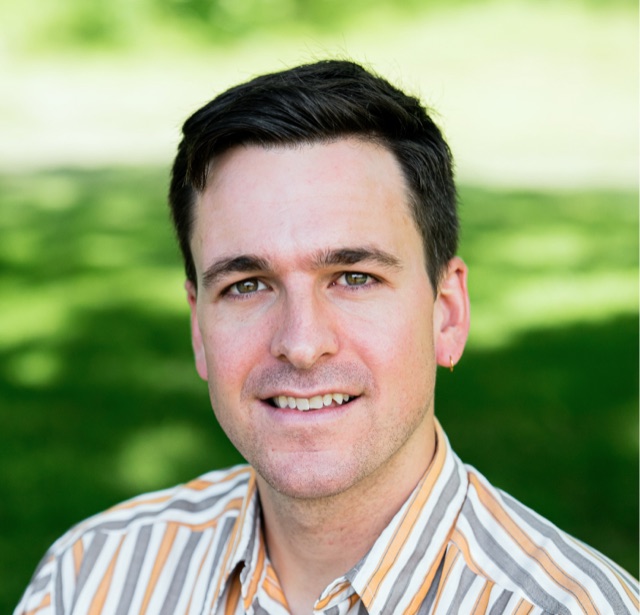
The forms were the clue. Meri Beckwith had volunteered for a COVID vaccine trial, a venture investor stepping briefly into the world his portfolio companies had to navigate. The research was well funded. The experience involved pen, paper and hospital visits during a pandemic. In Lindus’s launch announcement, he described it as “like stepping into a time machine.” Scientific ambition had arrived in the future; the machinery for testing it was still shuffling its papers.
- Lindus began in 2021 by combining trial software with the people running the study.
- Fixed study quotes and milestone payments made delays its problem, too.
- In August 2026, Curavit acquired its CRO assets. Lindus now develops in-licensed medicines.
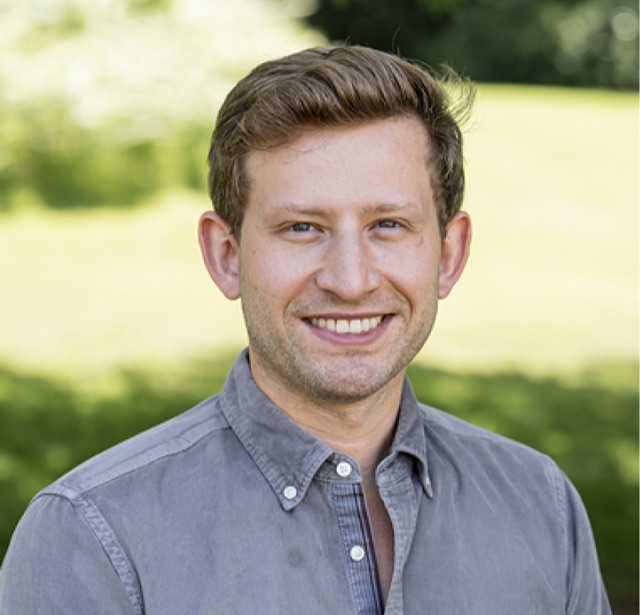
That irritation became Lindus Health, founded by Beckwith, Michael Young and Nik Haldimann. Young had advised the UK prime minister; Haldimann brought engineering expertise. Their original proposition was unusually practical: take responsibility for the whole clinical trial, including the technology. Five years later, the company has made a more consequential choice. It wants a stake in the medicines themselves.
01 / The invoice had a design flaw
A contract research organization, or CRO, runs studies for sponsors that need evidence about a treatment, device or diagnostic. Lindus’s historical customers included biotech and digital-health companies. For a small sponsor, a study is also a coordination exercise: agree a protocol, find participants, manage sites, collect usable data and prepare the results. Every handoff is a place for a deadline to lose its confidence.
Lindus argued that cost-plus contracting compounded the problem. A contractor paid for time and inputs has less financial reason to eliminate them. Its answer was a fixed quote per study, with payments linked to milestones. The distinction matters because pricing helped determine behavior. More efficient delivery could improve the provider’s economics as well as the sponsor’s schedule.
This was paired with Citrus, its proprietary trial operating system. Electronic consent, participant screening, data capture and trial oversight could sit within connected workflows. Clinical staff and software builders worked on the same delivery problem. A dashboard becomes more useful when the people who can act on its warnings belong to the same team.
Every handoff is a place for a deadline to lose its confidence.
THE OPERATING PROBLEM
02 / Bring the study to the patient
The patient experience provides a better test of this idea than a feature list. Habitual wanted to study type 2 diabetes remission, with restrictive eligibility criteria. Its published case study describes Lindus combining primary-care referrals, electronic-record screening, social campaigns and community groups. Remote participation let people take part without repeatedly traveling to physical sites. Recruitment required several routes into the study, rather than hope that one clinic would supply everyone.
In a separate Phase 2 ME/CFS trial, an AliveCor case study describes at-home ECG collection. For participants whose illness makes travel difficult, removing the trip changes who can realistically participate. Remote research earns its keep when it addresses the burden of the condition being studied. Convenience becomes part of the scientific design.
Lindus also worked on less photogenic obstacles. A 2025 collaboration with CDISC addressed standardized clinical-data concepts. A partnership with Quotient Sciences combined early-development expertise with recruitment and later-stage delivery. These were attempts to shorten the distance between tasks that sponsors usually have to stitch together themselves.
03 / Then the contractor changed sides
Capital gave the company room to build: a $5 million seed announcement in 2021, an $18 million Series A in 2023 and a $55 million Series B in January 2025. Balderton led the last round. By September 2026, Lindus reported more than $80 million raised overall, a team of over 80 and a track record of more than 45 end-to-end trials.
Announced round sizes, US dollars. Research grants and other financing are outside these bars.
Then came the turn. On August 18, Curavit announced that it had acquired Lindus Health’s CRO assets, including European clinical assets and team. Lindus shifted its focus to an internal therapeutic pipeline under the Lindus Therapeutics name. The business that had sold trial execution would now in-license clinical-stage medicines and advance them toward meaningful clinical milestones or approval.
Beckwith’s September essay explains the strategic change. As AI makes credible candidates easier to produce, he argues, selecting the right programs and generating human evidence become more valuable. The diagnosis stayed familiar; the business moved closer to the financial consequences of the result. Fees for delivering someone else’s study and ownership of a drug are very different bets.
04 / A search engine meets a trial engine
The current platform has two jobs. SOURCE helps identify assets; Citrus helps execute their development. Lindus says SOURCE connects information on more than 60,000 drug assets, while its internal team covers medical, regulatory, clinical operations, data management and biostatistics. Its stated areas of interest include immunology, neurology, psychiatry, cardiometabolic disease and rare disease.
Identify and assess assets
Run the clinical program
Advance or stop
That places Lindus alongside asset-development businesses, rather than solely among research vendors. Roivant and BridgeBio are useful strategic comparators; Beckwith discusses their portfolio structures. Lindus’s wager is that its own trial infrastructure can distinguish it. In September, former Merck and Roivant executive Gillian Cannon joined its board, adding commercial experience to that ambition.
05 / The useful part is copyable
The most accessible lesson predates the pivot. CTTI’s case study documents Lindus using the free AACT database to predict trial feasibility, generate initial protocol drafts and map outcomes to common concepts. The first obstacle was making historical trial information easy to query. Better access, plus people able to interpret it, turned an archive into working tools.
The practical lesson is to study earlier trials before designing the next one, and put operational constraints into the design early. It requires capable analysts and clinical judgment. A database alone cannot decide whether an endpoint matters, and remote participation cannot replace procedures that require a physical visit.
The same boundary applies to the new company. Faster recruitment cannot rescue ineffective biology. Beckwith explicitly makes room for stopping programs cleanly. Lindus can try to reduce the cost of finding out; patients still supply the answer. The former trial participant is now building a business around that distinction.