clinical-research
(63)
TOBY is following cancer’s chemical trail
A urine sample, a mass spectrometer, and an algorithm: TOBY is betting on a less invasive route to disease detection. Its early prostate results show both the appeal and the difficult business of telling a useful signal from a false alarm.

The Company That Watches the Drug and Runs the Trial
Perceptive can trace a molecule in a scanner, standardize images across hundreds of hospitals, and keep the right study drug moving to the right patient. Its wager is that the handoffs between those jobs matter as much as the jobs themselves.

Komodo Health Bet Tens of Millions on a Map. Then It Had to Teach Customers How to Read It.
The healthcare-data unicorn spent a decade stitching together patient journeys. Its harder problem was turning that expensive map into answers that scientists, sales teams and regulators could actually use.

Verily Bet Billions on Health Moonshots. Then It Learned to Clean the Data.
The Alphabet spinout tried smart contact lenses, surgical robots and a watch built for research. After layoffs and a strategic reset, its real product looks less cinematic - and potentially more useful: turning health care’s unruly data into evidence, decisions and care.

Henry Hsu Has Spent a Career Turning Small Molecules Into Big Decisions
The physician-founder behind Allysta learned biotech from the least glamorous end: protocols, partnerships and the long distance between a promising mechanism and a credible medicine.
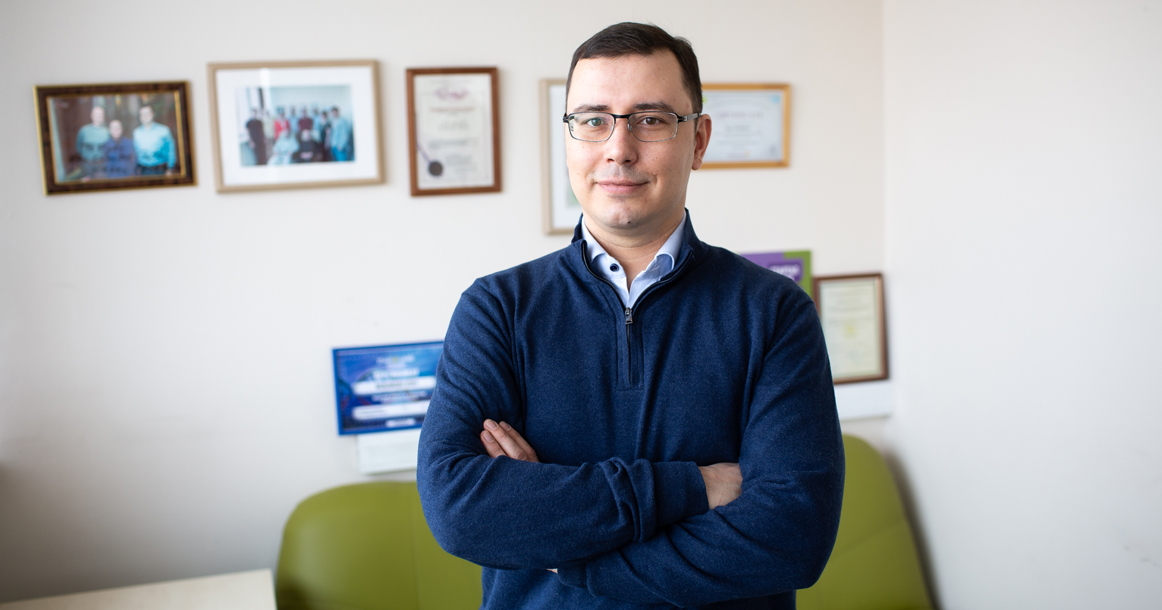
Egor Melnikov Bet a Founder’s Life on a Family Idea
An economist from a Russian science town turned his father’s unfinished research into a decade-long biotech company. The useful lesson is not romance. It is his stubborn method: narrow the question, protect the idea, and keep earning the next experiment.
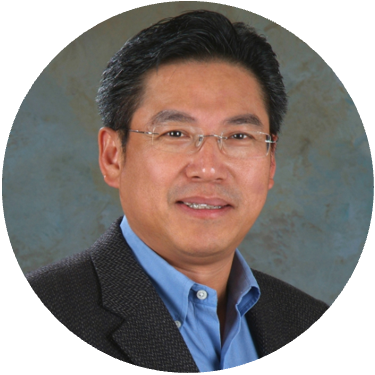
Ilsong Lee’s Second Act Is Making Research Less Mechanical
After decades spent turning complex semiconductor systems into businesses, Cipherome’s CEO is applying the same operational instinct to the messier machinery of clinical and genomic data.
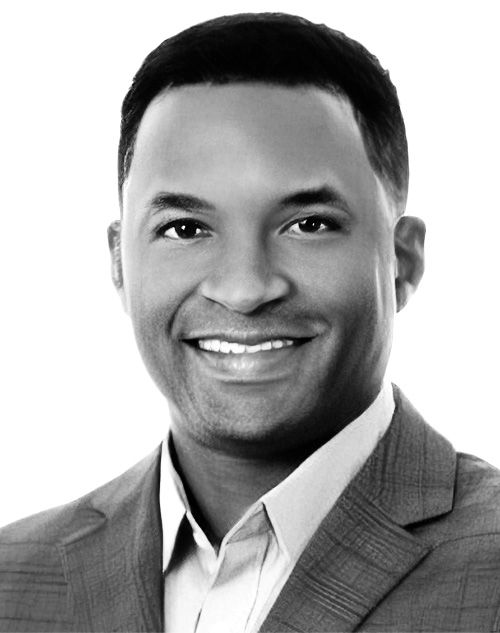
Del Smith Is Building the Missing Layer in Clinical Research: Trust
The former business-school dean turned a neglected business input - community trust - into Acclinate's operating system for more representative clinical research.

Roohi Jeelani Is Building the Clinic She Wishes the System Had Designed
The physician-scientist spent years studying the gaps between research, clinics and patients. At Onto Health, she is turning those observations into an operating model - one deliberate fix at a time.
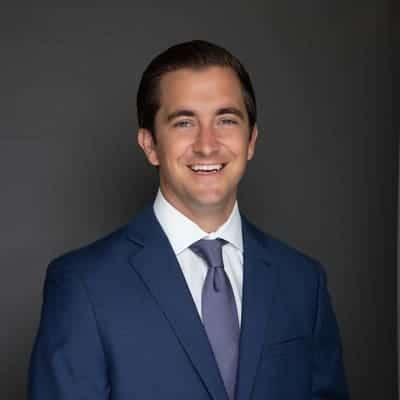
Mark Daley Built the Last-Mile Machine Behind Clinical Trials
A biology graduate became a research coordinator, then built the local operating layer between ambitious study protocols and the people who make them possible. Conquest Research is now a six-location network across Florida, Virginia and Georgia.

John Reites Learned Clinical Research from the Inside Out
He began as a self-described paper pusher, questioned the machinery from every seat he occupied, and built a career around making clinical research easier to enter and harder to abandon.
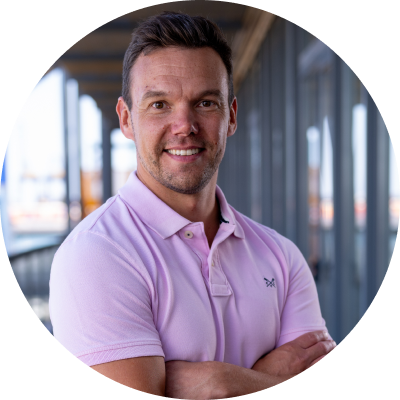
Matt Wilson Put Clinical Research on Autopilot
A 14-hour emergency shift and a six-week military camp exposed the same problem: clinicians had no spare time for research. Matt Wilson built uMed to make the machinery run in the background.

The $10,000 Oil Change for Humans: How Circulate Sold Blood Cleaning Before Longevity Was Proven
Circulate turned a decades-old hospital procedure into a private-pay longevity service, raised $12 million and sold to Viome. Its smartest product may not be plasma exchange at all - it is the operating system that lets clinics offer a complicated treatment while the science catches up.

Conquest Research Found Drug Development's Most Human Bottleneck: The Patients
Drug makers can design a promising study and still lose years waiting for the right people to enroll. Conquest Research built a local, patient-facing machine to make that slow middle move faster - then took it across three states.
THREAD Moved the Clinical Trial to the Patient's Kitchen Table
For decades a clinical trial meant a patient driving to a site. THREAD bet the visit could come to them instead - and then bought four companies to prove it.

The Doctor Who Built a Research Machine Because He Never Had Time to Do Research
Dr Matt Wilson spent 14-hour shifts in emergency medicine with no time to eat, let alone run a study. So he built a platform that makes the research happen without the clinician lifting a finger - and pharma is paying to plug in.
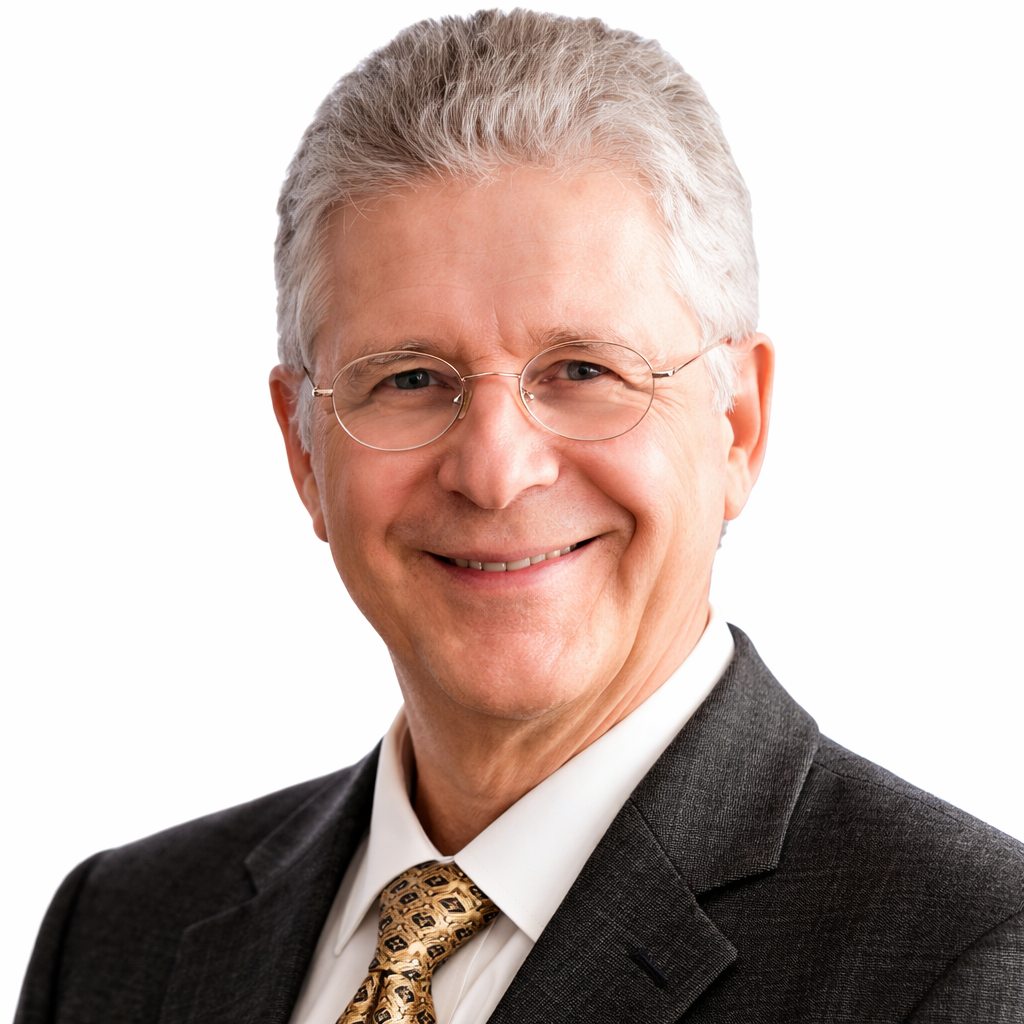
Christian Apfel Is Betting on the Tumor, Not the Spreadsheet
The physician-scientist behind SageMedic built his career turning clinical uncertainty into compact decisions. Now he is applying the same habit to functional precision oncology, angel investing and the slow work of changing a standard.

Novartis Cut Away an Empire to Bet on Five Ways of Making Medicine
The Swiss giant spent years shedding businesses until only innovative medicines remained. Now its growth depends on turning five scientific platforms into treatments that health systems will pay for - and patients can actually reach.
Vishnukamal Golla Is Building the Missing Middle of Cancer Care
A surgeon trained to operate on the body turned his attention to the machinery around it - the incentives, handoffs and tools that determine whether specialty care actually works as one system.

The $4.3 Billion Toll Road Beneath the Genome Era
Illumina put DNA sequencing on a repeatable industrial workflow. Now it is trying to turn the machines, chemistry and software already embedded in laboratories into an operating system for multiomic medicine.
The $16.3 Billion Company Quietly Running Modern Medicine’s Back Office
IQVIA sits in the machinery between a molecule and a medicine cabinet - running trials, organizing health data and helping drugmakers decide what happens next. Now it is turning that unusually broad view of healthcare into an agentic AI platform.
The 245-Year-Old Drugmaker Betting Its Next Act on Six Big Swings
Takeda began as a medicine shop in Osaka in 1781. Now a new CEO must turn a sprawling global portfolio, a $30 billion-plus revenue base and six late-stage programs into the company’s next generation of growth.
HCA Healthcare Built a Hospital Network Big Enough to Learn From Itself
The Nashville company turned a 1968 experiment in shared hospital resources into a vast care network. Its real edge is what happens when local medicine, centralized operations and 47 million annual patient encounters begin teaching one another.

Hanger, Inc.
Hanger began with a wooden leg fashioned from barrel staves during the Civil War. Today, its advantage is a 925-clinic feedback loop connecting patients, clinicians, research, fabrication and the supply chain.

Reinilde Heyrman
Reinilde Heyrman has spent decades turning clinical uncertainty into decisions. Her method is neither grand nor theatrical: start with the science, plan for the detour, and make sure someone owns the next move.

UCB
UCB spent decades shedding its industrial past to become a specialist in the brain and immune system. Now five medicines, two ambitious acquisitions and a new Georgia factory are testing whether focus can scale.
HealthKey
HealthKey is an AI-powered patient identification platform for clinical trial sites. It connects directly to a clinic's electronic health record system, reads every patient chart - including scanned and faxed PDFs - and scores each patient against a trial's eligibility criteria. Doctors get a ranked list of likely-qualifying candidates with the supporting evidence highlighted, replacing slow manual chart review. HealthKey charges success fees per enrolled patient, so sites pay only when it works. Founded in 2025 by Josh Sabol and backed by Y Combinator (W25), the company is based in Austin, Texas.

Briya
Briya is a healthcare data company that connects hospitals, health systems, and researchers to life sciences organizations through a secure, privacy-preserving data exchange network. Its blockchain-secured infrastructure standardizes electronic health records and keeps data at its source, while its flagship product, Briya AIRE, is a clinical-grade conversational AI research platform that lets scientists query and analyze real-world medical data in plain language. Founded in 2020 by David Lazerson and Guy Tish, Briya spans a global network of more than 120 million patient records and aims to accelerate medical and epidemiological research without the friction of traditional data integration.

Castor
Castor is a health-technology company that builds a cloud-based eClinical platform for running clinical trials - from electronic data capture (EDC) and eConsent to eCOA/ePRO and real-world evidence. Founded in 2012 in Amsterdam by physician-researcher Dr. Derk Arts, Castor set out to replace clunky, expensive trial software with a self-service, researcher-friendly system. Today it supports more than 15,000 studies across 90+ countries and is used by leading CROs and biopharma companies, while pushing decentralized trials and practical AI (Castor Catalyst, built with Google Cloud) into mainstream research.

The Data Was Locked in a Vault. Subsalt Found a Way to Share It Without Opening the Door.
This Microsoft customer story details how healthcare technology startup Subsalt built a HIPAA-compliant synthetic data sandbox on Microsoft Azure and Microsoft Fabric to help medical researchers and students at UT Southwestern Medical Center access real-quality clinical data in days instead of months, accelerating research outcomes while safeguarding patient privacy.