real-world-data
(36)
Assembled Intelligence and the Art of Making One Brief Do Nine Jobs
Four specialist agencies, nine capabilities and one expensive promise: that a drug launch gets smarter when the scientists, creatives, data analysts and access strategists stop passing the brief around.

Jeff McDonald Put Healthcare Data Backstage - Where the Hard Work Belongs
The Kythera Labs co-founder studied stage design, once hauled 50 used servers behind a beauty parlor, and now builds the hidden machinery that turns fragmented healthcare data into answers people can defend.
Axiom Health Spent Five Years Turning MedTech Spreadsheets Into Answers - Then Sold the Machine
Medical-device teams were drowning in data but still waiting weeks for answers. Axiom Health built the co-pilot it wished existed - and its 2025 sale to Sorcero shows where vertical AI gets valuable.
The Company That Cleans Up Healthcare's Messiest Data Before Anyone Else Can Read It
Everybody wants to do AI on healthcare data. Almost nobody wants to spend two years cleaning it first. Kythera Labs turned that dirty job into a business.
Inside the Atlanta Startup Rewiring How Cancer Gets Decided
OncoLens turned the tumor board - medicine's oldest committee - into AI-backed software now running inside 225-plus cancer centers. It started with a daughter watching her father get conflicting advice.

Bruno Lempernesse
Bruno Lempernesse is the CEO of MDClone, an Israeli-founded healthcare data platform that lets organizations explore and share sensitive patient data using synthetic data that preserves privacy. A 25-year veteran of healthcare technology, data science, and life sciences, he joined MDClone as President of North America in September 2024 and stepped up to Chief Executive Officer in 2025. Before MDClone he was CEO of Carevive, a cancer-care and real-world-studies company acquired by Health Catalyst in 2024, and earlier spent two decades at Cegedim building its data and research business, plus leadership roles at SHYFT Analytics and Acorn AI (a Medidata company). He is an early pioneer of longitudinal patient data drawn from electronic medical records across Europe and the United States.
Briya
Briya is a healthcare data company that connects hospitals, health systems, and researchers to life sciences organizations through a secure, privacy-preserving data exchange network. Its blockchain-secured infrastructure standardizes electronic health records and keeps data at its source, while its flagship product, Briya AIRE, is a clinical-grade conversational AI research platform that lets scientists query and analyze real-world medical data in plain language. Founded in 2020 by David Lazerson and Guy Tish, Briya spans a global network of more than 120 million patient records and aims to accelerate medical and epidemiological research without the friction of traditional data integration.

Dandelion Health
Dandelion Health is a New York-based clinical AI and real-world data company that turns de-identified patient records from a network of U.S. hospitals into research-ready datasets and software for drug developers and AI teams. Its multimodal platform combines structured records, clinical notes, medical images, and raw biological signals such as ECG waveforms across roughly 15 million patients, helping pharmaceutical companies design smarter trials, discover biomarkers, generate real-world evidence, and validate healthcare algorithms against diverse populations.
Embleema
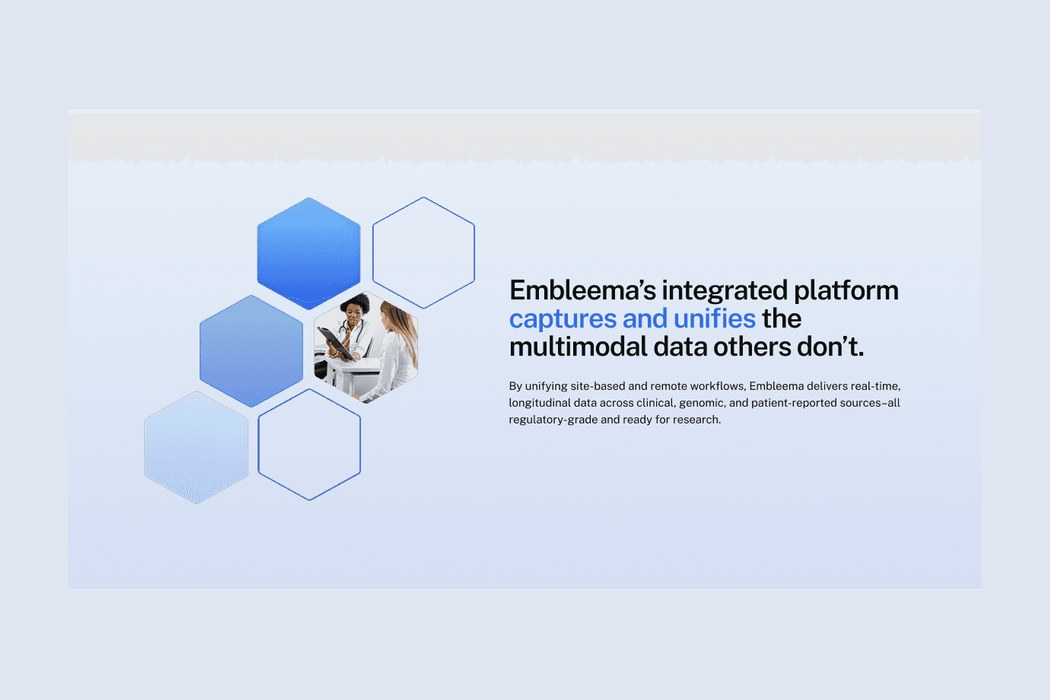
Embleema is a New York- and France-based healthcare technology company that builds a unified real-world data and evidence platform for clinical research. It aggregates clinical, genomic, and patient-reported data from electronic medical records, wearables, biospecimens, and patient apps into regulatory-grade datasets, and uses no-code protocol tools plus dynamic consent to help pharmaceutical sponsors, research sites, and patient groups run non-interventional and Phase IV studies faster and at lower cost. Founded in 2017 by Robert Chu, the company started with a patient-driven health blockchain and its analytics stack has been used by the FDA for genomic regulatory review.
IgniteData
IgniteData is a healthtech company automating the transfer of clinical trial data between hospital electronic health records (EHRs) and sponsors' electronic data capture (EDC) systems. Its flagship platform, Archer, is a cloud-based, system-agnostic 'Virtual Research Assistant' that uses HL7 FHIR and SMART on FHIR APIs to move clinically validated data securely and automatically, cutting manual transcription, reducing source data verification, and helping treatments reach patients faster. Founded in the UK and now operating on both sides of the Atlantic, IgniteData works with pharmaceutical sponsors like AstraZeneca and research hospitals including UCLH, Cambridge University Hospitals, and Memorial Sloan Kettering Cancer Center.

David Lazerson
David Lazerson is the co-founder and CEO of Briya, a healthcare technology company that connects hospitals, research institutions, and life sciences organizations so they can share de-identified, real-world patient data securely and in compliance with U.S. and European privacy rules. A physicist and cognitive scientist by training and a former Israeli military cyber operations officer, Lazerson built Briya on cryptography, federated learning, and zero-knowledge proofs, and in 2025 launched Briya AIRE, a clinical-grade AI research assistant that lets researchers ask questions in plain language instead of writing code.

Integral Privacy Technologies
Integral is a privacy engineering company that turns sensitive real-world data - starting with HIPAA-regulated healthcare records - into compliant, AI-ready datasets. Founded in 2022 by Shubh Sinha and John Kuhn, it pairs automated de-identification and continuous risk assessment with embedded statisticians and privacy engineers (its Forward Deployed Privacy Services) so enterprises and AI labs can use regulated data quickly without violating privacy law. The company positions itself as an independent privacy layer for the real-world data economy and has raised roughly $24.9M to date, including an $18M Series A closed in July 2026.

MDClone
MDClone is a healthcare data company that lets clinicians, researchers, and analysts explore patient data without touching real patient records. Its ADAMS platform ingests structured and unstructured health-system data into a longitudinal database, then generates statistically faithful synthetic data that carries no risk to patient privacy. That combination turns months-long, IRB-heavy data requests into self-service exploration, letting front-line staff ask their own questions, run analyses, and share results across organizations. Founded in Israel in 2016 and used across the U.S., Canada, and 100% of the Israeli healthcare market, MDClone has raised roughly $112M to expand data-driven discovery in health systems, government, payers, and life sciences.

Protege
Protege is a New York-based AI data platform that connects owners of private, real-world data - hospitals, media libraries, motion-capture studios and more - with the AI labs and enterprises that need it to train, fine-tune and evaluate models. It licenses and curates proprietary datasets under strict privacy, IP and compliance controls, so data holders get paid and provenance is preserved. Founded in 2024 by Bobby Samuels and Travis May, Protege has assembled access to billions of clinical notes, hundreds of millions of medical images, and hundreds of thousands of hours of video and audio, positioning itself as core infrastructure for the post-web era of AI development.
Elliott Green
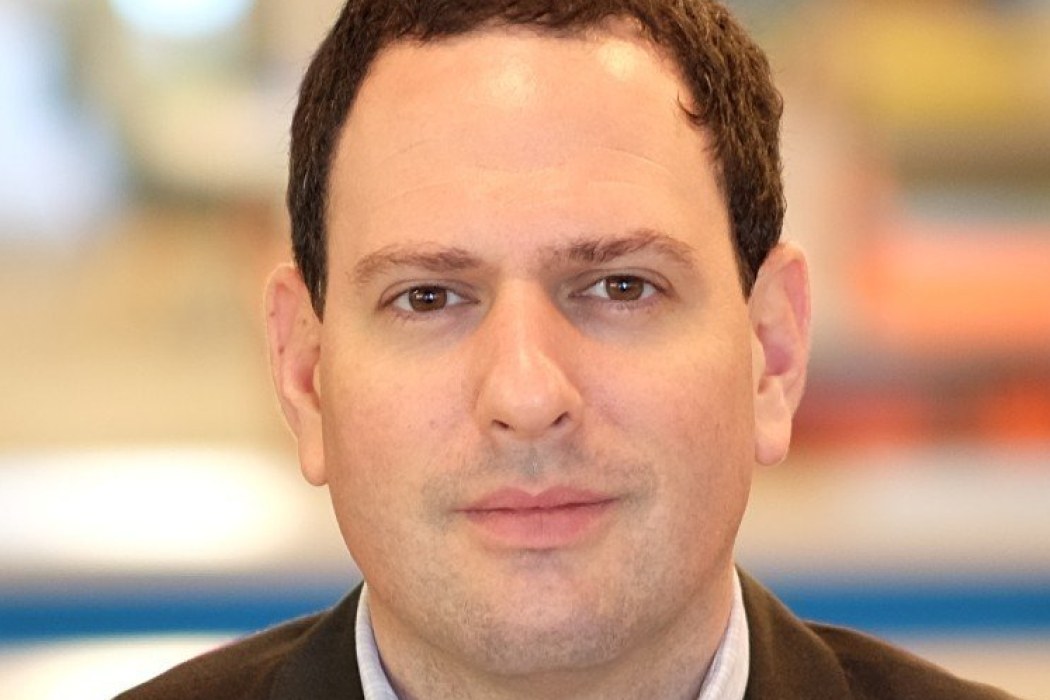
Elliott Green is the co-founder and CEO of Dandelion Health, a New York-based real-world data and clinical AI platform building multimodal, longitudinal datasets from a consortium of non-academic health systems. A former founding member of Oscar Health with a finance background, Green launched Dandelion in 2020 to give life science companies and AI developers unbiased, clinical-grade data - including the images, waveforms, and notes that make up most of medicine but are rarely used. The company closed a $14M Series A in 2026 and has launched a free AI validation service and a GLP-1 data library aimed at bringing precision medicine to cardiometabolic disease.
Shubh Sinha
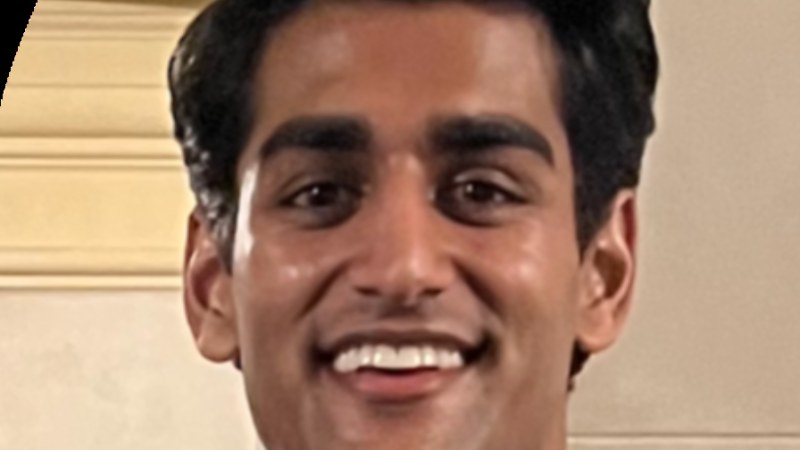
Shubh Sinha is the co-founder and CEO of Integral Privacy Technologies, a San Francisco company that certifies, transforms, and activates privacy-regulated data (HIPAA, GDPR, CCPA) for healthcare and other regulated industries. Integral compresses compliance workflows that once took months into hours. Before Integral, Sinha led regulated-data product work at LiveRamp. He is a Purdue-trained computer engineer, an angel investor, and a Forbes Technology Council member. In July 2026 the company raised its Series A, bringing total funding to about $25M.
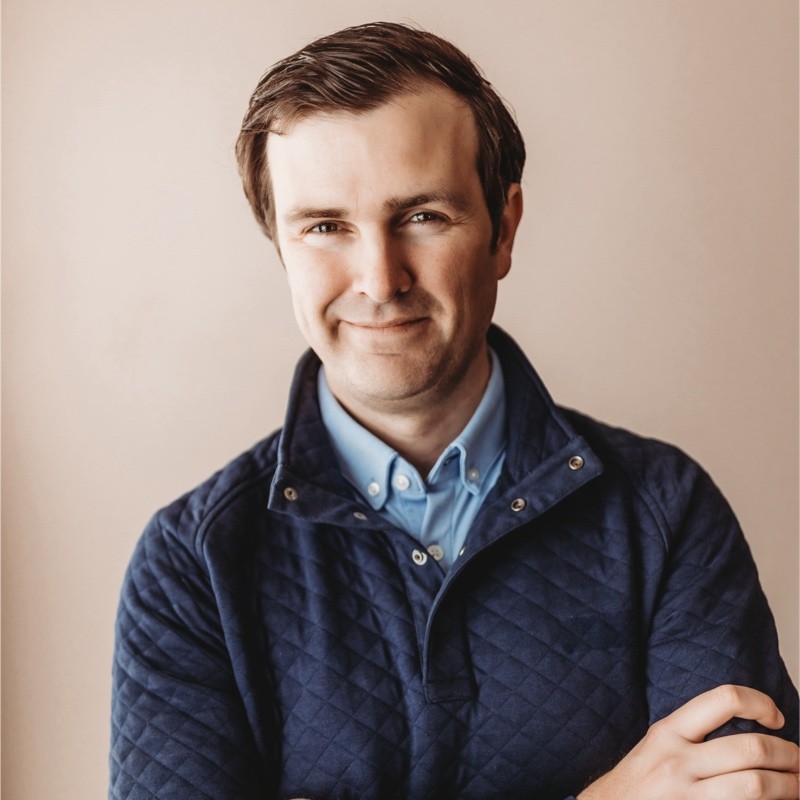
Zach Taft
Zach Taft is the CEO of IgniteData, a healthcare technology company whose Archer platform automates the transfer of clinical trial data straight from hospital electronic health records into pharma data-capture systems. Brought in by the founders in 2024, he has scaled the company from a handful of trial sites to a network spanning four continents and eight of the top ten U.S. cancer centers. Before IgniteData he helped drive the $1.1B acquisition of M*Modal by 3M, served as a 3M product leader, and ran digital innovation and ventures at Memorial Sloan Kettering, where he co-founded the Clinical Research Innovation Consortium. His obsession: cutting the weeks of manual data re-typing out of clinical trials so treatments reach patients faster.
Fidari
Fidari is a healthtech company building digital infrastructure for oncology navigation. Its software plugs into existing EHR systems via FHIR/HL7 to automate patient-navigation workflows, capture navigation billing revenue, and connect cancer patients to supportive and ancillary services through an integrated marketplace. Founded in 2023 and led by second-time healthcare founder Othman Ouenes, Fidari pairs AI-driven triage with human navigators to support patients from diagnosis through survivorship, while generating research-ready real-world data for life-sciences partners.
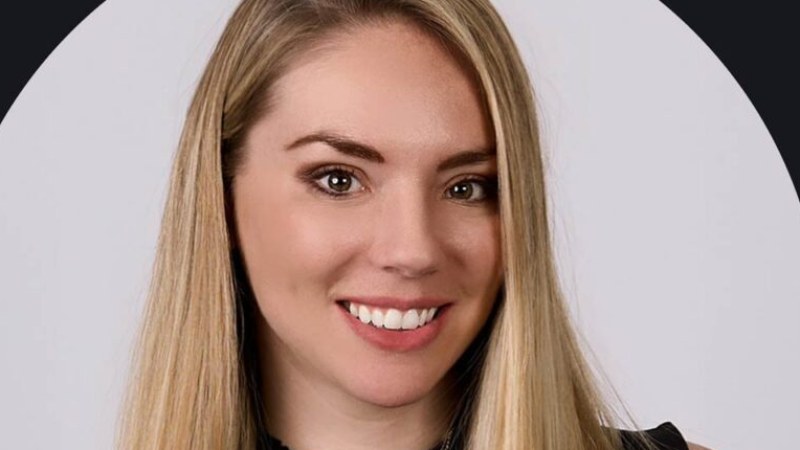
Eirini Schlosser
Eirini Schlosser is the founder and CEO of Dyania Health, a clinical research AI company building Synapsis AI, a natural language understanding platform that reads unstructured electronic medical records to pre-screen patients for clinical trials and automate chart abstraction. The only non-physician in a family of doctors, she spent childhood summers digitizing her father's patient records, then worked on more than $60 billion of deals at Morgan Stanley before leaving finance to build technology. She founded the NLP startup Chuz, then launched Dyania Health in 2019, raising $17.55M and earning a spot on Inc.'s 2025 Female Founders 500.
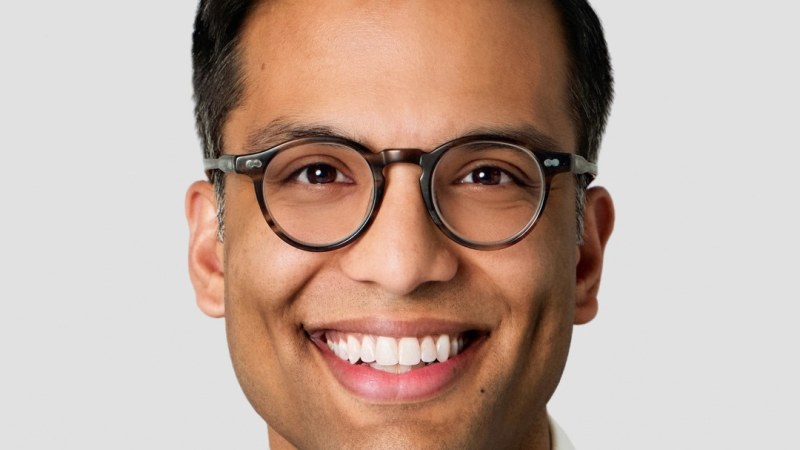
Vish Srivastava
Vish Srivastava is the co-founder and CEO of Century Health, a New York based AI company turning the messy, unstructured clinical notes buried inside electronic health records into structured, analyzable real-world evidence. Century's abstraction engine, CHARM, reads doctors' notes and pathology reports and pulls out clinical variables with 97% validated accuracy while keeping traceability back to the source document. The company focuses on therapeutic areas like gastroenterology, neurology, and rheumatology, and raised an oversubscribed $5M seed round in May 2026 led by Origin Ventures. Srivastava's pitch is simple and stubborn: the data needed to accelerate medical breakthroughs has already been collected during patient care; it just needs to be made accessible and actionable.
ConcertAI
ConcertAI is a Cambridge, Massachusetts company that combines real-world clinical, genomic, imaging, and claims data with applied AI to accelerate cancer research and clinical development. Through its CARA AI platform, large independent oncology data network, and Digital Trial Solutions, it helps biopharma companies, healthcare providers, and medical societies design smarter trials, match patients faster, and generate evidence on how treatments perform outside controlled studies.
HealthVerity
HealthVerity is a Philadelphia-based healthcare data technology company that runs what it calls the nation's largest privacy-protected healthcare and consumer data ecosystem. Through its Marketplace and a framework it brands IPGE (Identity, Privacy, Governance, Exchange), it lets pharmaceutical companies, payers, and government agencies discover, license, link, and synchronize de-identified data on more than 340 million U.S. individuals to build longitudinal patient journeys and generate real-world evidence - all in a HIPAA-compliant manner.
Layer Health
Layer Health is a Boston-based healthcare AI company, spun out of MIT, that uses large language models to automate medical chart review. Its platform reasons over longitudinal patient records to answer complex clinical questions with evidence-based justifications, powering clinical registry automation, quality measurement, clinical pathways and real-world data abstraction for hospitals and health systems. Founded in 2023 and backed by a $21M Series A led by Define Ventures, the company counts health systems such as Intermountain Health, MultiCare and Froedtert among its partners.
Andrew Kress
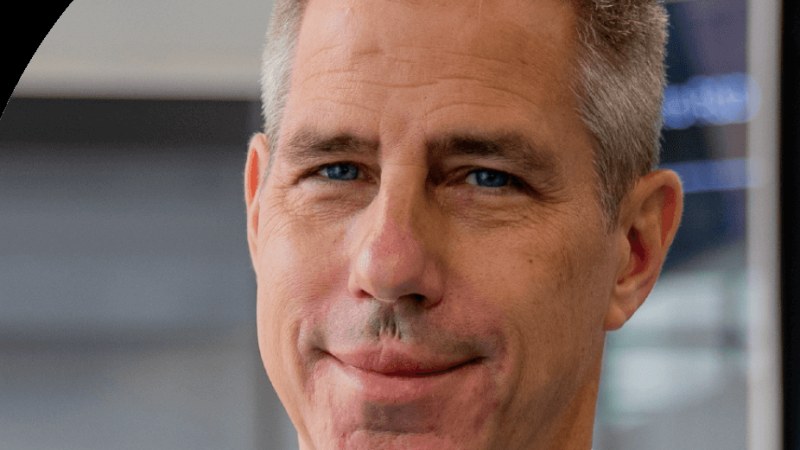
Andrew Kress is the co-founder and CEO of HealthVerity, the Philadelphia company that built one of the largest real-world healthcare data ecosystems and the technology to link, govern and exchange it without exposing patient identities. An English major from Yale who spent his career inside the plumbing of healthcare data - running SDI Health, then leading Healthcare Value Solutions at IMS Health - he started HealthVerity in 2014 to make fragmented, privacy-bound health data usable. The company raised $100M in Series D funding in 2021 led by Durable Capital Partners. Kress also serves on the boards of Philadelphia cultural institutions including the Pennsylvania Academy of the Fine Arts.

Novellia
Novellia is a New York-based digital health company that lets patients pull together their complete medical history from more than 50,000 U.S. healthcare systems into one free app, then choose whether to share de-identified versions of that data with drug companies and researchers. Using proprietary natural language processing, Novellia turns messy, unstructured clinical text - physician notes, lab narratives, diagnostic reports - into clean, research-ready longitudinal datasets. The result is a two-sided model: patients regain control of their records at no cost, while life sciences organizations get higher-quality, patient-consented real-world data than the fragmented claims-based datasets they buy today.

Jeff Elton
Jeff Elton, Ph.D., is the founding CEO and now Vice Chairman of ConcertAI, a Cambridge-based company building generative and predictive AI on the world's largest multi-modal oncology dataset. He grew the company from a 2017 startup into a roughly $1.9 billion business with about 1,300 employees, acquiring TeraRecon's imaging technology and ASCO's CancerLinQ network along the way. A former Accenture managing director, Novartis research COO, and McKinsey partner, he co-authored the widely cited book Healthcare Disrupted and chairs the MassBio board.
xCures Inc.
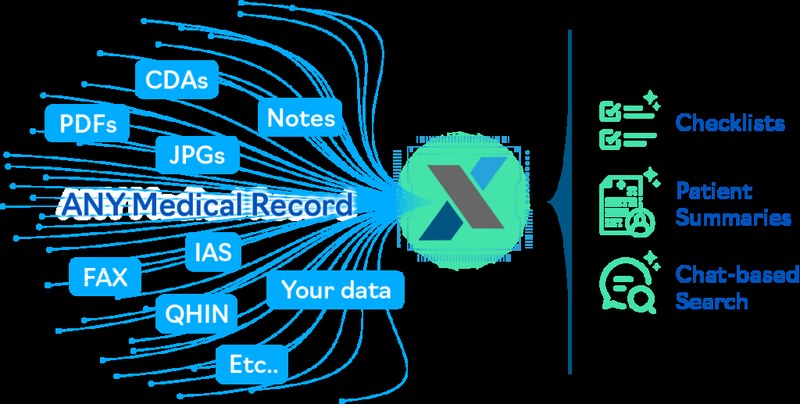
xCures is an AI-powered health-data platform that automatically retrieves medical records from any care site in the United States, then structures, normalizes, and validates that messy, unstructured data into searchable, source-traceable clinical insights. Born in oncology, it generates regulatory-grade real-world evidence, AI-built clinical checklists, and natural-language patient summaries that help researchers, biopharma, advocacy groups, and clinicians understand each patient's full medical journey - and run continuously learning 'virtual trials' across all patients, all treatments, all the time.
Michael Choukas
Michael Choukas is the co-founder and CEO of Autem Therapeutics, a Hanover, New Hampshire biotech building AutEMsys, a bioelectric platform that delivers personalized, amplitude-modulated electromagnetic frequencies to treat solid tumor cancers. A Dartmouth and Harvard Business School graduate, he spent two decades running clinical-development, real-world-data, and oncology-analytics businesses at firms like ConcertAI, Vector Oncology, United BioSource, SCIREX and Bain & Company, work he credits with more than $2.5 billion in market value creation. He raised a $10 million Series A-1 in 2022 and is steering Autem toward FDA-cleared trials in liver cancer and glioblastoma.

Dyania Health
Dyania Health builds Synapsis AI, a medically trained large language model that reads unstructured electronic medical records - physician notes, pathology reports, imaging notes - and answers complex clinical questions with roughly 95% accuracy in under a second per record. Deployed inside health systems' own firewalls, the platform automates clinical trial pre-screening, chart abstraction, observational studies, and registry reporting, turning weeks of manual nurse and physician chart review into minutes. Founded in 2020 by former Morgan Stanley dealmaker Eirini Schlosser and headquartered in Jersey City with a team in Athens, the company raised a $10M Series A in 2024 and counts Cleveland Clinic among its earliest enterprise partners.

Manifold
Manifold is a Boston-area applied-AI company building a vertical agent platform for life sciences. Its software helps pharma companies, molecular diagnostics firms, biobanks and academic medical centers turn messy multimodal biomedical data into governed, analysis-ready insight - compressing workflows that used to take months into minutes, while keeping the data governance that regulated research demands. Founded in 2016 and led by CEO Vinay Seth Mohta, the company raised an $18M Series B in December 2025, bringing total funding to roughly $40M.