real-world-evidence
(52)
The AI That Found More Patients, But Not More Minutes
Mendel.ai made oncology trial screening more accurate in a randomized study. The surprise: the human-plus-AI team took about as long as the humans alone.

Venky Soundararajan and the Case of the Missing Medical Signal
A biological engineer trained to read proteins now builds machines that read the unruly archive of medicine. His wager is simple to state and difficult to execute: the next useful discovery may already be hiding in the record.

Rich Gliklich Has Spent a Career Asking What Happened Next
A surgeon's question became a registry company, then a second act in artificial intelligence. Across three decades, Rich Gliklich has kept returning to the evidence medicine leaves behind.
The Company Selling Confidence Before a Medicine Can Be Sold
A drug can work perfectly and still fail to reach patients. OPEN Health built a global consultancy around the awkward middle - the evidence, access, education, and human judgment that turn a scientific result into a confident decision.
Sensyne Health’s £60 Million Bet on NHS Data
Sensyne offered hospitals a share of the proceeds from AI research. A cash crisis forced a rescue, a new name and a smaller business - while its pregnancy-diabetes app found a life of its own.
Komodo Health Bet Tens of Millions on a Map. Then It Had to Teach Customers How to Read It.
The healthcare-data unicorn spent a decade stitching together patient journeys. Its harder problem was turning that expensive map into answers that scientists, sales teams and regulators could actually use.

Verily Bet Billions on Health Moonshots. Then It Learned to Clean the Data.
The Alphabet spinout tried smart contact lenses, surgical robots and a watch built for research. After layoffs and a strategic reset, its real product looks less cinematic - and potentially more useful: turning health care’s unruly data into evidence, decisions and care.

Healthcasts Spent 25 Years Turning the Doctors’ Hallway Conversation Into a Search Engine
The company started by streaming medical seminars at a fraction of the cost. Now it is betting that the most useful answer in medicine is often the one a verified peer has already learned the hard way.

Nikhil Tiwari Is Turning Medicine's Long Wait for Answers Into a Software Problem
The Frekil co-founder began with medical scans and followed the bottleneck upstream. Now he is building a faster, inspectable path from a clinical question to evidence a scientist can defend.

Matt Wilson Put Clinical Research on Autopilot
A 14-hour emergency shift and a six-week military camp exposed the same problem: clinicians had no spare time for research. Matt Wilson built uMed to make the machinery run in the background.
THREAD Moved the Clinical Trial to the Patient's Kitchen Table
For decades a clinical trial meant a patient driving to a site. THREAD bet the visit could come to them instead - and then bought four companies to prove it.
The Doctor Who Built a Research Machine Because He Never Had Time to Do Research
Dr Matt Wilson spent 14-hour shifts in emergency medicine with no time to eat, let alone run a study. So he built a platform that makes the research happen without the clinician lifting a finger - and pharma is paying to plug in.

The AI that reads every medical paper so pharma's scientists don't have to
Medical teams at drug companies read maybe 10% of the evidence that matters. Sorcero built AI agents to read the other 90% - and about a third of the top 30 global pharma companies are now paying for it.
The $16.3 Billion Company Quietly Running Modern Medicine’s Back Office
IQVIA sits in the machinery between a molecule and a medicine cabinet - running trials, organizing health data and helping drugmakers decide what happens next. Now it is turning that unusually broad view of healthcare into an agentic AI platform.
Frekil
Frekil is an AI-powered real-world evidence (RWE) platform for life sciences that turns raw clinical data - EHR, claims, and registries - into regulatory-grade evidence in minutes instead of months. Its agentic pipeline runs the full study lifecycle, from literature review and cohort building through statistical analysis plan generation and final reports, while keeping clinical data isolated from AI models. Founded in 2025 by IIT Bombay alumni Nikhil Tiwari and Shivesh Gupta, Frekil is a Y Combinator (X25/P25) company serving pharma, biotech, CROs, and academic researchers.
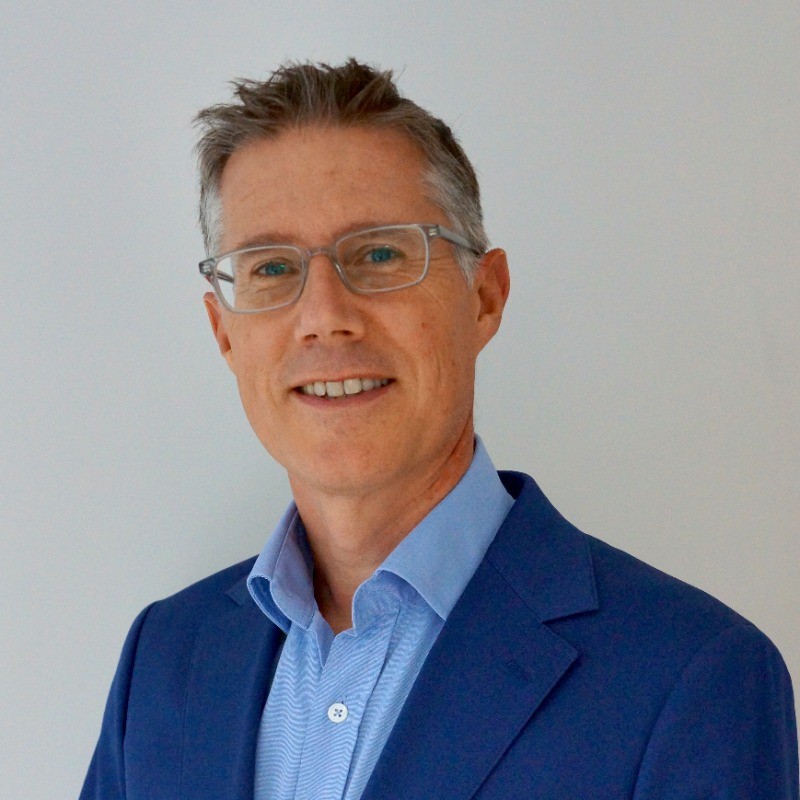
Bruno Lempernesse
Bruno Lempernesse is the CEO of MDClone, an Israeli-founded healthcare data platform that lets organizations explore and share sensitive patient data using synthetic data that preserves privacy. A 25-year veteran of healthcare technology, data science, and life sciences, he joined MDClone as President of North America in September 2024 and stepped up to Chief Executive Officer in 2025. Before MDClone he was CEO of Carevive, a cancer-care and real-world-studies company acquired by Health Catalyst in 2024, and earlier spent two decades at Cegedim building its data and research business, plus leadership roles at SHYFT Analytics and Acorn AI (a Medidata company). He is an early pioneer of longitudinal patient data drawn from electronic medical records across Europe and the United States.
Briya
Briya is a healthcare data company that connects hospitals, health systems, and researchers to life sciences organizations through a secure, privacy-preserving data exchange network. Its blockchain-secured infrastructure standardizes electronic health records and keeps data at its source, while its flagship product, Briya AIRE, is a clinical-grade conversational AI research platform that lets scientists query and analyze real-world medical data in plain language. Founded in 2020 by David Lazerson and Guy Tish, Briya spans a global network of more than 120 million patient records and aims to accelerate medical and epidemiological research without the friction of traditional data integration.
Castor
Castor is a health-technology company that builds a cloud-based eClinical platform for running clinical trials - from electronic data capture (EDC) and eConsent to eCOA/ePRO and real-world evidence. Founded in 2012 in Amsterdam by physician-researcher Dr. Derk Arts, Castor set out to replace clunky, expensive trial software with a self-service, researcher-friendly system. Today it supports more than 15,000 studies across 90+ countries and is used by leading CROs and biopharma companies, while pushing decentralized trials and practical AI (Castor Catalyst, built with Google Cloud) into mainstream research.
Dandelion Health
Dandelion Health is a New York-based clinical AI and real-world data company that turns de-identified patient records from a network of U.S. hospitals into research-ready datasets and software for drug developers and AI teams. Its multimodal platform combines structured records, clinical notes, medical images, and raw biological signals such as ECG waveforms across roughly 15 million patients, helping pharmaceutical companies design smarter trials, discover biomarkers, generate real-world evidence, and validate healthcare algorithms against diverse populations.
Embleema
Embleema is a New York- and France-based healthcare technology company that builds a unified real-world data and evidence platform for clinical research. It aggregates clinical, genomic, and patient-reported data from electronic medical records, wearables, biospecimens, and patient apps into regulatory-grade datasets, and uses no-code protocol tools plus dynamic consent to help pharmaceutical sponsors, research sites, and patient groups run non-interventional and Phase IV studies faster and at lower cost. Founded in 2017 by Robert Chu, the company started with a patient-driven health blockchain and its analytics stack has been used by the FDA for genomic regulatory review.
H1
H1 is a New York-based healthcare data and technology company that maps the world's healthcare professionals, clinical trials and provider networks into a single platform. Founded in 2017 by Ariel Katz and Ian Sax, H1 aggregates billions of data points - peer-reviewed publications, clinical trial records, medical claims and provider directories - so pharmaceutical, biotech, medtech, health-plan and digital-health customers can find the right doctors, run better clinical trials, engage key opinion leaders and keep provider information accurate. Its stated mission is to create a healthier future by making healthcare information and evidence-based medicine accessible globally.
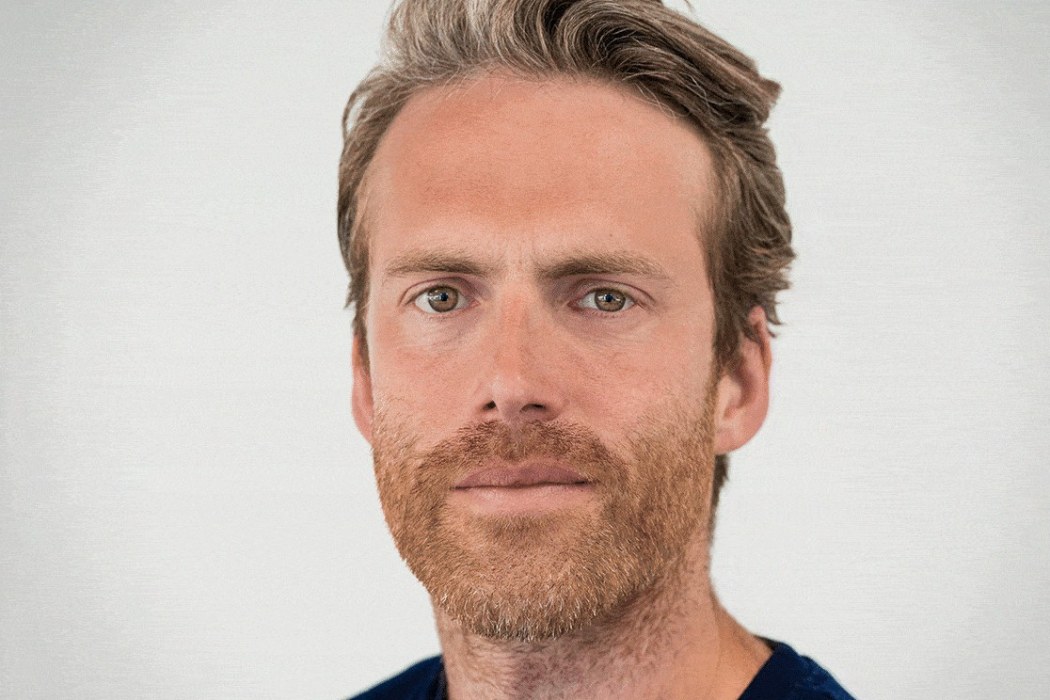
Derk Arts
Derk Arts is a Dutch physician-turned-entrepreneur and the founder and CEO of Castor, a clinical-trial software company he started in 2012 after coding the first version of its Electronic Data Capture platform himself. Trained as a medical doctor and epidemiologist with a PhD, he built Castor to make clinical research more inclusive, patient-centric, and data-driven. The platform now supports thousands of trials across roughly 90 countries and was used by the World Health Organization for its Solidarity Trial. Castor has raised more than $60 million, including a $45 million Series B in 2021, and Arts is a recognized voice on decentralized trials, eConsent, and the responsible use of AI in research.

Lyfegen
Lyfegen is a Swiss health-tech company that builds software to manage value-based drug pricing and rebate agreements. Its platform helps health insurers, governments, hospital payers, pharmaceutical firms and medical device makers automate complex rebate contracts, run pricing simulations and tap the world's largest library of value-based agreements - reducing administrative burden while helping patients access innovative therapies.

MDClone
MDClone is a healthcare data company that lets clinicians, researchers, and analysts explore patient data without touching real patient records. Its ADAMS platform ingests structured and unstructured health-system data into a longitudinal database, then generates statistically faithful synthetic data that carries no risk to patient privacy. That combination turns months-long, IRB-heavy data requests into self-service exploration, letting front-line staff ask their own questions, run analyses, and share results across organizations. Founded in Israel in 2016 and used across the U.S., Canada, and 100% of the Israeli healthcare market, MDClone has raised roughly $112M to expand data-driven discovery in health systems, government, payers, and life sciences.
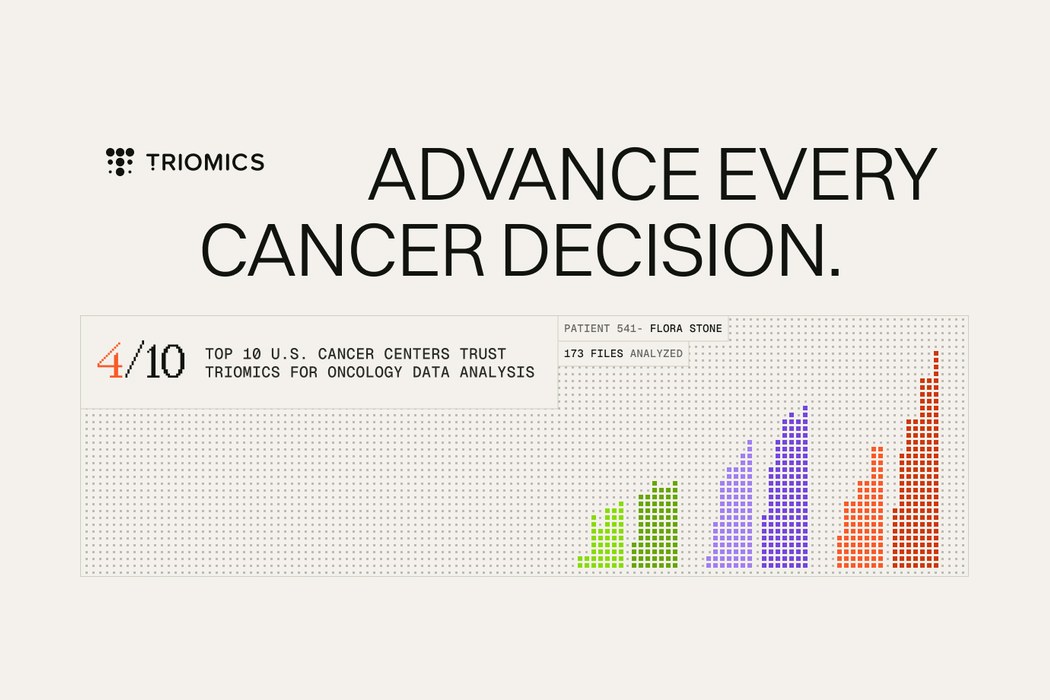
Triomics
Triomics builds oncology-specific AI infrastructure that turns messy, unstructured cancer patient records into structured, cited, actionable data. Its OncoLLM engine and workflow agents automate clinical trial matching, visit preparation, and cancer registry reporting for leading cancer centers, cutting manual chart review time while increasing trial enrollment. Founded in 2021 and headquartered in New York, the company is used by 4 of the top 10 U.S. cancer hospitals and raised a $22M Series B led by Battery Ventures in May 2026.

Robert Chu
Robert Chu is the co-founder and CEO of Embleema, a New York-based clinical research platform that collects and generates regulatory-grade evidence to accelerate precision medicine. He founded the company in 2017 after nearly three decades in enterprise technology and life sciences data, including roles as Senior Vice President of Global Technology Solutions at IQVIA (formerly QuintilesIMS), where he ran a 1,400-person, $800M SaaS business, and prior leadership positions at IMS Health in France, China, and Asia Pacific, following 15+ years at IBM. Trained as an engineer at Ecole Polytechnique in Paris, he now works at the intersection of patient consent, blockchain, and clinical data collection, with Embleema partnering with pharma sponsors and the FDA on real-world evidence workflows.
Century Health
Century Health is a New York-based health technology company that turns fragmented, messy electronic health record data into clean, structured, analysis-ready real-world evidence. Its AI-powered platform, CHARM (Century Health Abstraction & Retrieval Model), automates the curation, abstraction, and de-identification of clinical data to build disease-specific patient registries for pharmaceutical and life sciences research. Founded in 2023 by Vish Srivastava and Sanjay Hariharan, the company reports 97% accuracy against clinical expert judgment and raised a $5M seed round in 2026 led by Origin Ventures.
Constant Therapy
Constant Therapy is a Boston-area digital health company that turns speech, language, and cognitive rehabilitation into an AI-personalized app. Spun out of Boston University's Aphasia Research Laboratory in 2012, its platform delivers more than 100,000 evidence-based exercises across 80-plus task categories to people recovering from stroke, traumatic brain injury, aphasia, dementia, and other neurological conditions - and to the clinicians who treat them. A patented NeuroPerformance Engine adapts each session to the individual, extending therapy beyond the clinic and into daily home practice.

People Science
People Science is a Los Angeles clinical research organization that turns rigorous clinical trials into software. Its platform, Chloe, lets wellness and health brands design, launch, and run decentralized, IRB-approved studies entirely from participants' homes - integrating wearables, lab partners, and remote data collection so that supplements, nutraceuticals, cannabinoids, psychedelics, and food-as-medicine products can earn real clinical evidence at a fraction of the cost and time of a traditional CRO. Founded by MD-PhD co-CEOs Belinda Tan and Noah Craft, who previously built Science 37 into a billion-dollar clinical trials company, People Science aims to bring evidence to an industry long defined by claims.
Medeloop
Medeloop is an AI-powered clinical research platform building an operating system for medical evidence - from grant discovery to real-world evidence generation to point-of-care intelligence. Founded by former surgeon Dr. Rene Caissie, the San Francisco company uses agentic AI to automate biostatistics, study monitoring, and protocol compliance for academic medical centers, health systems, and pharma.