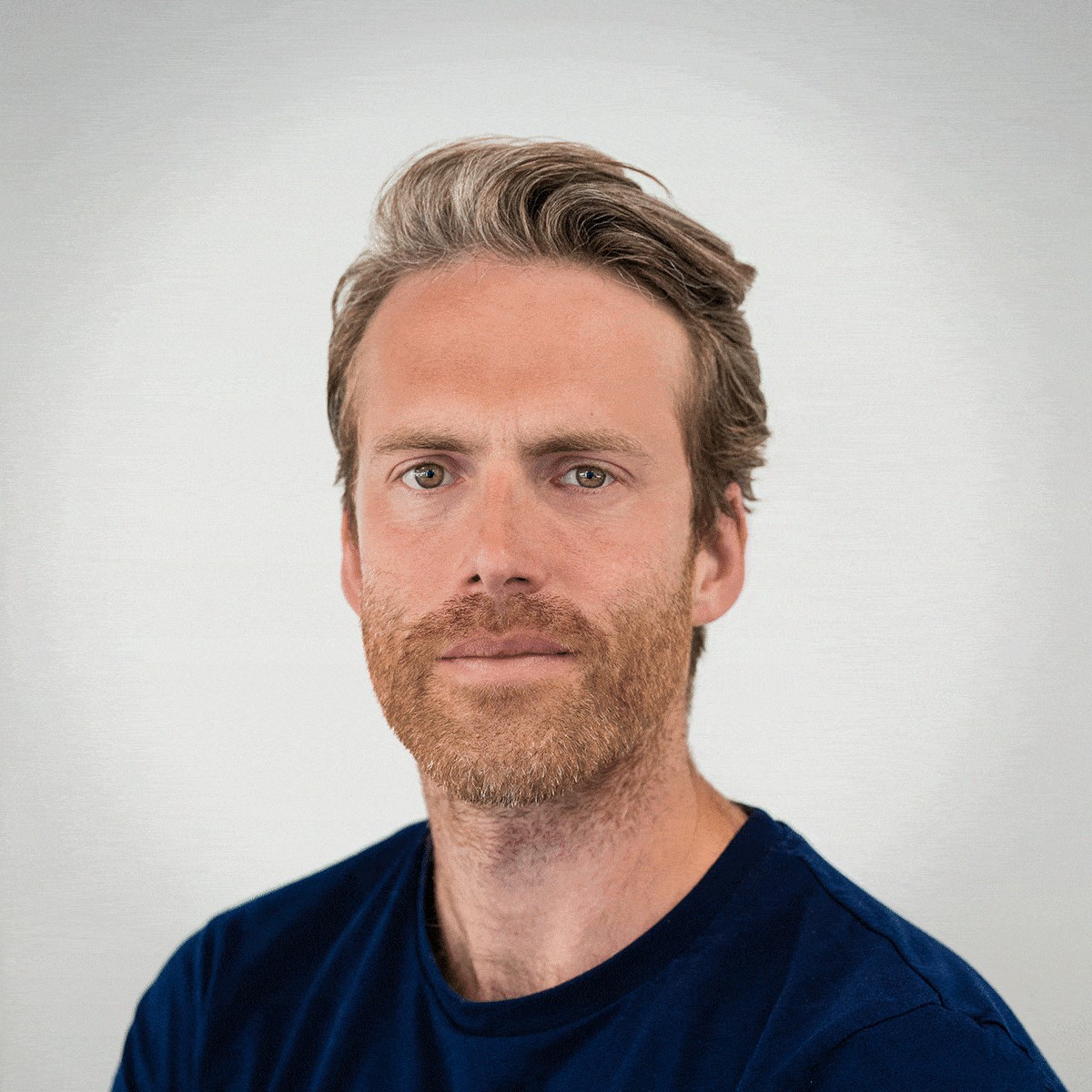
Derk Arts spends his days on a problem that sounds narrow but touches almost everyone: how the world collects the data that decides whether a treatment works. As founder and CEO of Castor, he runs a platform that lets researchers capture, standardize, and integrate clinical-trial data from clinicians, patients, devices, and wearables. It is now used for research in roughly 90 countries, and it was the system the World Health Organization reached for during its COVID-19 Solidarity Trial.
That reach did not start with a grand plan. It started with frustration. Trained as a medical doctor and epidemiologist in the Netherlands, Arts came from a long line of doctors and expected to spend his career at the bedside. But he had a second skill that most physicians do not: he could write software. He paid his way through medical school working as a freelance developer.
Near the end of his medical training, he got involved in research and went looking for a simple, affordable way to manage study data. He could not find one. The tools were either too expensive for academic groups or too clumsy to use. So he did the obvious thing for someone with both a medical background and a developer's toolkit - he built the first version of Castor's Electronic Data Capture platform himself, in 2012.
The company grew out of that itch. Specialized engineers eventually took over the code, and Castor expanded from a one-person project in Amsterdam into an international health-tech company with a New York address on Varick Street. But the founding conviction stayed the same: clinical research suffered from a lack of inclusivity, a lack of patient focus, and too little impact from the data it collected. Castor was Arts's attempt to fix all three.
His approach to technology is more restrained than the industry norm. In an era where every trial vendor promises to digitize everything, Arts argues for picking components that actually help. "Being mindful of what actually improves that patient experience, what actually improves patient retention, and clinical trial timelines, and pick and choose components that make sense," he has said. The logic is patient-first: complexity for its own sake tends to make trials harder, not easier, and drives away the very participants they need.
That patient-centric framing runs through how he talks about decentralized clinical trials, the model Castor is built to support. The idea is that patients can enroll themselves, consent, and share data online or through a mobile app, instead of traveling repeatedly to a research site. For Arts, decentralization is not a buzzword but a route to inclusion - it opens trials to people who could never take part when participation meant living near a hospital.
The bet drew serious money. In July 2021, Castor raised a $45 million Series B co-led by Eight Roads Ventures and F-Prime Capital, with earlier backers Two Sigma Ventures and INKEF Capital joining in. The round brought total funding to roughly $65 million and was framed explicitly around taking decentralized trials mainstream. Around the same period, the company's platform was supporting thousands of studies, and its client roster had grown to include one of the most closely watched trials of the pandemic.
More recently, Arts has turned attention to one of the most human parts of a trial: informed consent. Castor has spent years building an eConsent platform, and he has publicly explored how generative AI can make consent forms clearer and more engaging, so patients actually understand what they are agreeing to. It is the same instinct that started the company - use technology to remove friction between research and the people it is supposed to serve.
 Amsterdam / New York