health-equity
(81)
Berkeley Media Studies Group asks who is missing from the story
A Berkeley research group counts the voices and ideas that health coverage leaves out. Then it helps advocates put them back into the public debate.

Before you change a mind, change the message
Young Communications Group helps public institutions speak to the communities they need to reach. Its work shows why the useful part of a campaign often happens before anyone writes the ad.
The Berkeley team that lets the reader rewrite the instructions
Health Research for Action turns public-health research into guides, tools, and messages people can use. Its most revealing work begins when the intended audience finds something the experts missed.
Change Craft puts the audience in the writing room
The Sacramento communications firm brings young people, community leaders, and public agencies into the same conversation. Its work reveals how much a campaign depends on who helps make it - and who controls the budget.
DC Design asks who your plan forgot
A college asked for a strategy. DC Design gave it a workbook. Inside the consulting firm that lets the people living a problem change the assignment.
Graham & Walker turned a support group into a $10 million fund
Leslie Feinzaig built a community for founders who struggled to get heard. Now Graham & Walker writes early checks, teaches the mechanics of fundraising, and asks whether every founder needs venture capital at all.

California Dental Association wants the next appointment to matter
CDA helps 27,000 members handle the business of dentistry. Its foundation’s shift from pop-up relief to ongoing care reveals the harder job: keeping patients connected after the volunteers go home.
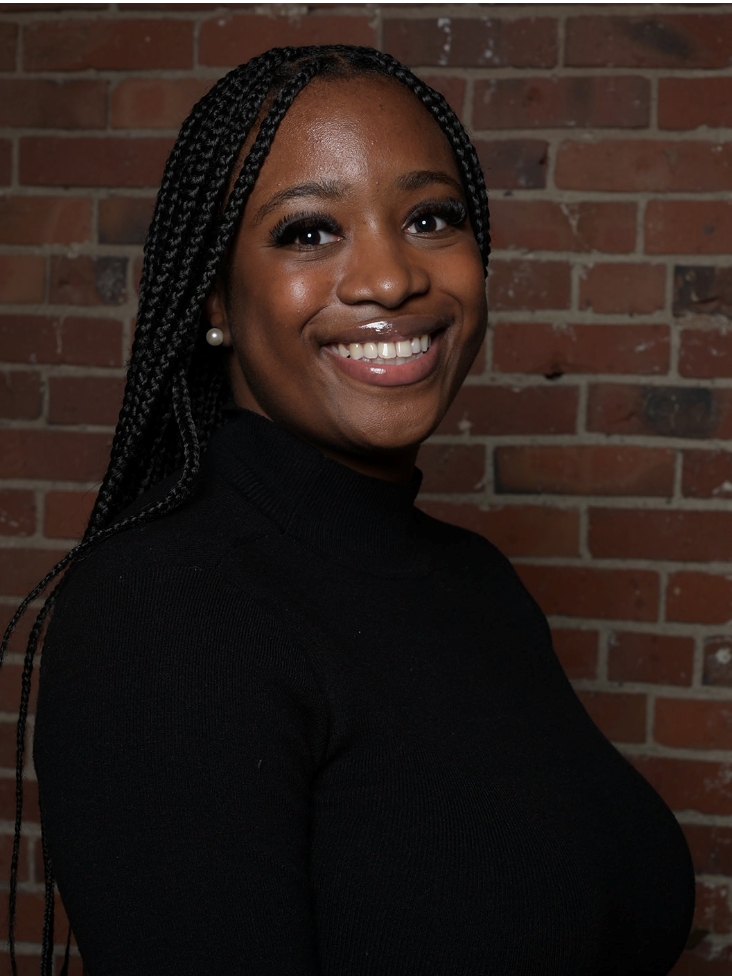
Kendra Canton Has Been Building a Seat at the Table Since College
Before the degree and the policy roundtables, there was a Spokane teenager doing homework first and everything else second. A decade later, Kendra Canton's work still follows the same practical rule: earn your place, then use it to bring more people into the room.
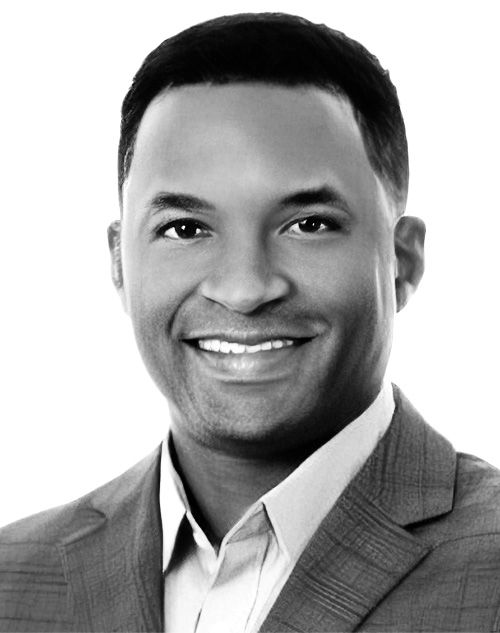
Del Smith Is Building the Missing Layer in Clinical Research: Trust
The former business-school dean turned a neglected business input - community trust - into Acclinate's operating system for more representative clinical research.
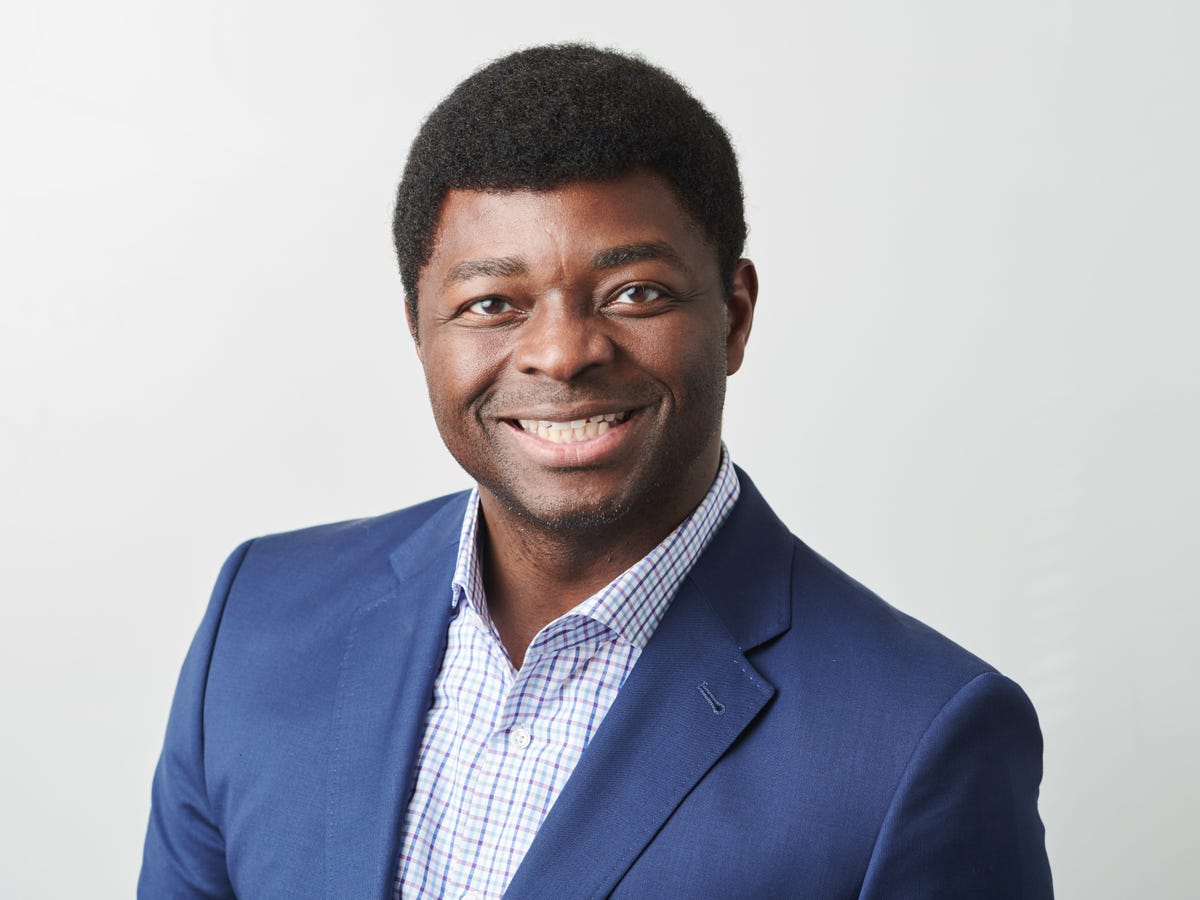
Ikenna Okezie Built the Care Company His Industry Was Missing
A physician with an economist’s eye left a billion-dollar operating role to redesign care before the crisis. Ten years later, the original thesis is still visible - only the scale has changed.
The 61,000-Square-Kilometre Health Network Betting That Rural Care Should Grow Its Own Talent
Interlake-Eastern RHA cannot shrink Manitoba's distances. So it is changing who gets trained, where specialists show up and how patients enter the system - a practical rural-health playbook with visible gains and stubborn limits.

Meridian Built a $2.5 Billion Medicaid Machine - Here’s the Local Playbook Health-Tech Founders Can Steal
A Detroit physician and his family turned a small Medicaid plan into a $2.5 billion acquisition. Inside Meridian’s enduring formula: win the public contract, build the provider plumbing, and treat food, housing and transportation as part of the product.

Neopenda Went to an Equipment Graveyard and Built the Baby Monitor Hospitals Would Actually Use
A student project became neoGuard only after Sona Shah and Teresa Cauvel saw why donated hospital equipment was collecting dust in Uganda. Their harder lesson was that a device clinicians want is not automatically a device health systems will buy.

Somatus Bet $465 Million That the Best Kidney Business Prevents Dialysis
The McLean healthcare company built a national care layer around a simple, expensive idea: find kidney and heart trouble earlier, bring clinicians into the home, and get paid when patients stay healthier. The promise is compelling. The execution depends on data, patient trust, and risk contracts all working at once.
Twentyeight Health Put Medicaid at the Center - Then Built the Women’s Clinic the Internet Was Missing
The company started with a five-minute birth-control intake. Its bigger bet is that accepting Medicaid, stitching care to insurance and staying useful after the first prescription can turn a commodity telehealth visit into a durable women’s-health platform.
The Pregnancy Test That Could Catch a Killer Before the Doctor Does
Preeclampsia kills tens of thousands of mothers a year, mostly because no one catches it in time. A team that started as classmates in Durham and Kampala wants to move that first warning from the hospital lab to the bathroom shelf.
The Birmingham startup that made pharma pay for trust it never earned
Del Smith and Tiffany Whitlow built a 200,000-member community first and an AI second - and got seven of the ten biggest drug makers to buy the trust they earned.

The Healthcare Fund Betting the Best Founders Are the Ones Venture Capital Missed
Seae Ventures was built by healthcare insiders who saw two blind spots at once: patients the system underserved and founders the funding system overlooked. Its answer is a portfolio designed around access, outcomes and the practical machinery of care.
Rock Health Built a Three-Lane Highway Through Digital Health
The San Francisco institution does not make a health app. It does something harder to package: it helps capital, evidence, and healthcare operators find one another before expensive ideas become expensive mistakes.
The Fund Betting That the Poorest ZIP Codes Are the Best Returns
Andy Slavitt ran Medicare. Now he runs a $1.4 billion fund arguing that the patients Wall Street ignores are where the money is - and the math, so far, agrees.
The Billionaire-Backed LLC That Refuses to Pick Just One Lever
Emerson Collective can write a grant, take an equity stake, convene a coalition, or back a story. That flexibility is its product - and its central bet on how difficult public problems get solved.

The Hospital Built Around a Small but Radical Idea: Kids Aren't Tiny Adults
For more than a century, Children's Minnesota has designed care around the biology, fears and families of young patients. Its scale is large, but its strategic advantage is unusually specific: everything is built for kids.
The Health Center That Put a Whole Community on the Care Team
On West Oʻahu, health care is not confined to an exam room. WCCHC built a community-owned system where emergency medicine, food access, job training and Native Hawaiian healing share the same address.
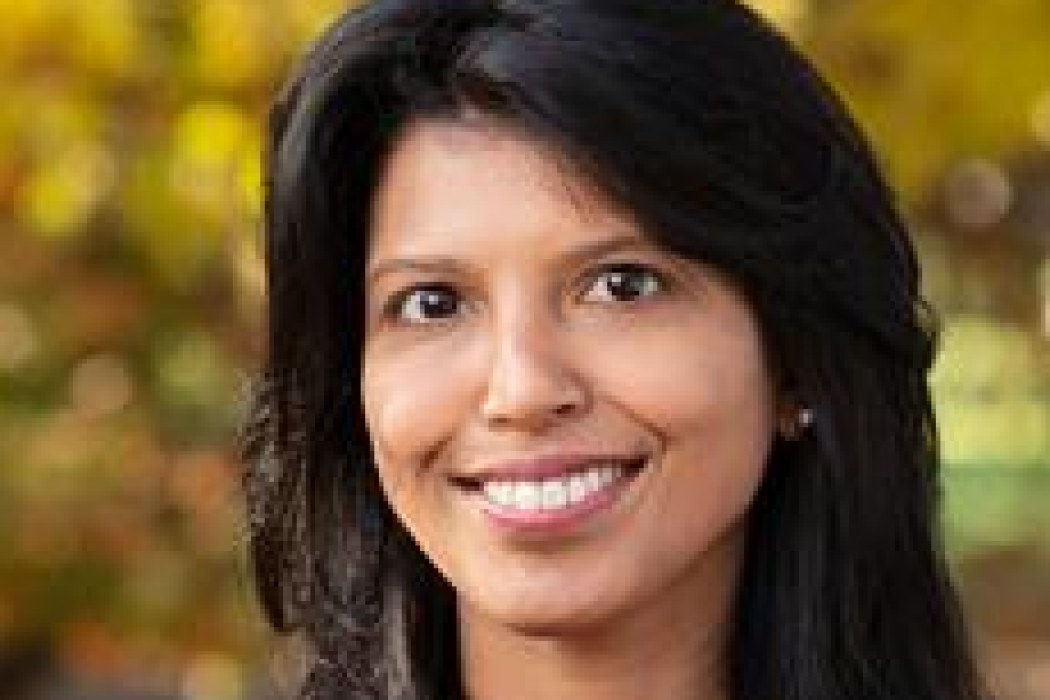
Sheena Menezes
Sheena Menezes is the co-founder and CEO of Simple HealthKit, a Milpitas, California digital health company delivering accurate, affordable at-home diagnostics, treatment, and follow-up care. A biochemist with a PhD from UC Santa Barbara, where she discovered a novel tRNA methylase, she built her career in in-vitro diagnostics before founding Simple HealthKit to close socioeconomic gaps in healthcare access. Born and raised in Kuwait with Indian-Portuguese roots, she has been recognized by Fierce Healthcare as one of its Most Influential Minority Executives in Healthcare and named to Inc.'s 2025 Female Founders 500.
VSP Vision
VSP Vision is the largest not-for-profit vision benefits and eye care company in the United States, founded in 1955 by a group of Northern California optometrists who pioneered the idea of prepaid vision insurance. Headquartered in Rancho Cordova, California, VSP now operates a vertically integrated portfolio spanning vision insurance, eyewear brands (Marchon, Altair, Marcolin), lens technology (VSP Optics), retail (Visionworks, Eyeconic), and practice-management software (Eyefinity). Backed by roughly 85 million members and a network of tens of thousands of independent eye doctors, the company frames its mission as empowering human potential through sight, and funds one of the industry's largest charitable arms, VSP Eyes of Hope.

Ash
Ash (poweredbyash.com) is a New York-based health technology company that gives healthcare organizations a customizable, white-label platform for at-home diagnostic testing. Founded in 2019 as a direct-to-consumer sexual health testing service for the LGBTQ+ community, Ash pivoted to a B2B model that lets health plans, digital health companies and public health agencies launch branded testing programs across 100+ biomarkers in all 50 states. The company handles kit design, a vetted lab network, multilingual patient engagement, logistics and real-time reporting through one API, and has shipped more than 500,000 kits while helping organizations close care gaps and improve HEDIS and Star Ratings measures.
Blooming Health
Blooming Health is a New York-based social care technology company using AI to automate access to social services for older adults and vulnerable populations. Its AI-assisted, multilingual platform engages people across text, voice, and email to detect needs, screen for benefits, and connect them to services like meals, transportation, housing assistance, and Medicaid or SNAP recertification. Sold to Area Agencies on Aging, government agencies, community-based organizations, and healthcare providers, the platform has connected over 1.5 million people across roughly two dozen states and raised $32.5 million to date, including a $26 million Series A led by Insight Partners in April 2025.
Healthy.io
Healthy.io turns the smartphone camera into a clinical-grade medical device for at-home diagnostics. Founded in Israel in 2013 by Yonatan Adiri, the company uses computer vision, AI and colorimetric analysis to let patients run lab-quality urine tests at home - for kidney disease, urinary tract infections and pregnancy - and gives clinicians AI-powered 3D wound measurement tools. Its flagship Minuteful Kidney test is the first smartphone-powered home test cleared by the FDA to measure the albumin-to-creatinine ratio, and its products are used across US health plans and UK NHS trusts to close gaps in preventative care.
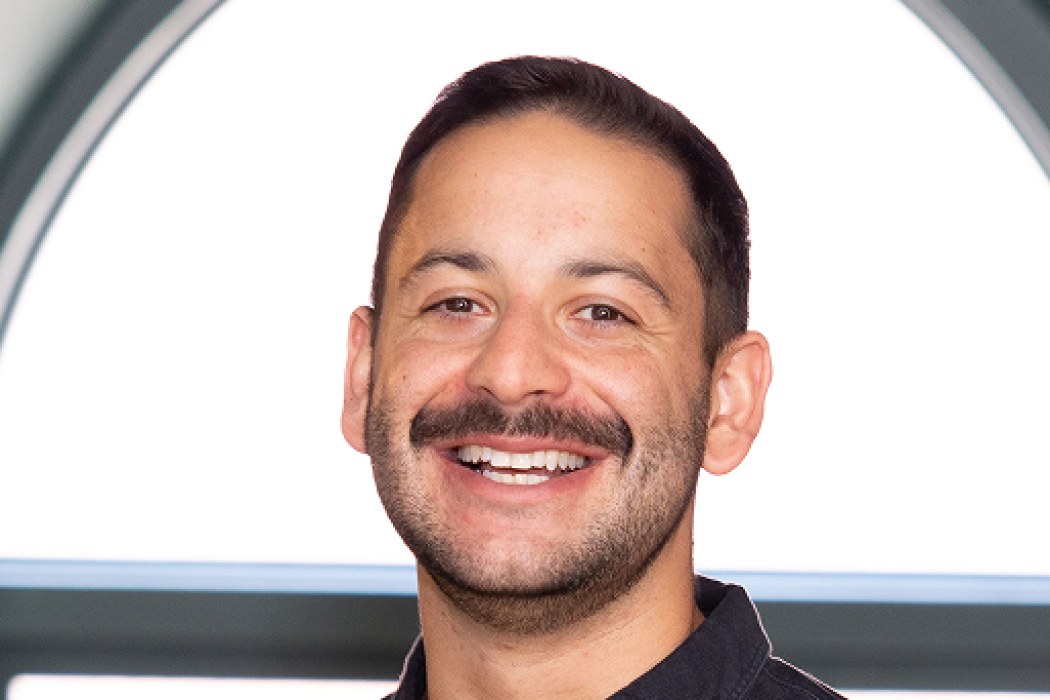
David Stein
David Stein is the co-founder and CEO of Ash (formerly Ash Wellness), a New York-based B2B platform that lets healthcare organizations run their own at-home testing programs. He launched the company out of Cornell Tech's MBA program in 2019 after a frustrating personal experience getting sexual health testing, first building a direct-to-consumer brand for the LGBTQ+ community and then pivoting to white-label infrastructure for providers and payers during COVID-19. Today Ash handles kit design, a CLIA/CAP-certified lab network, logistics, and patient-facing software across all 50 states, and has shipped more than a million test kits.
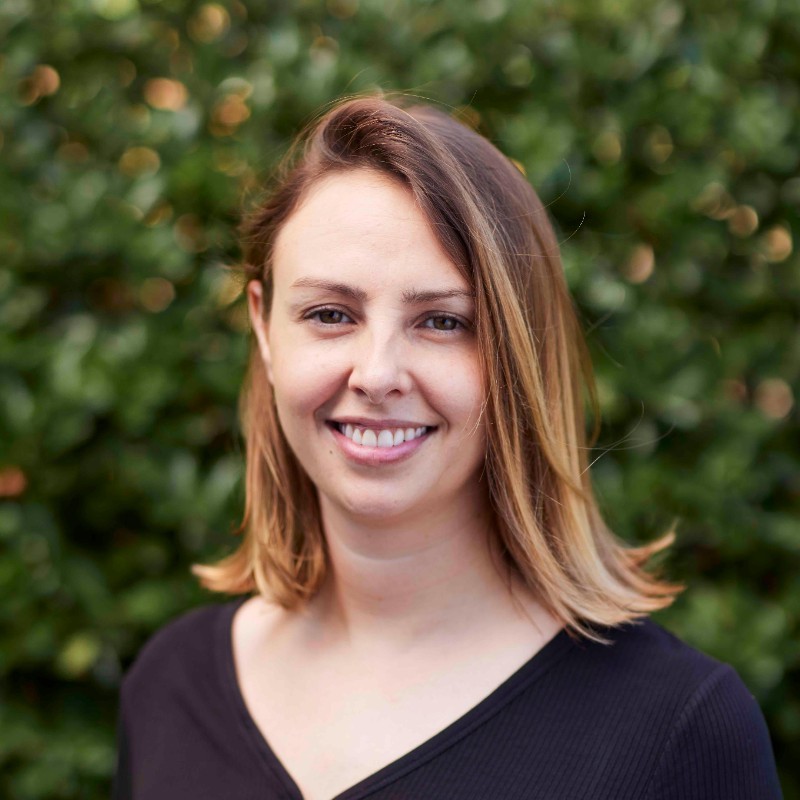
Adrianne Nickerson
Adrianne Nickerson is the co-founder and CEO of Oula, a New York maternity company that fuses midwives, OB-GYNs and technology into one hybrid clinic built to give pregnant patients a calmer, more personal, evidence-based birth experience. A Columbia biology grad with a Harvard master's in global health, she decided she could help patients more by not becoming a doctor - and instead builds the systems doctors and midwives work inside. She co-founded Oula in 2019, opened it while pregnant alongside two pregnant co-executives, and has raised tens of millions to expand care that reduces unnecessary C-sections and centers patient voices.