population-health
(80)
The Weight-Loss Company Betting the Answer Is Not Just a Drug
Ilant Health began with a surprisingly ordinary failure: a patient had to find her own obesity care. Now it is trying to turn treatment matching, human support and financial accountability into one coherent benefit.
The Thermometer That Learned to Read a City
Kinsa put a familiar household ritual on the network, then discovered that millions of small fevers could become an early warning system - and a planning tool for everyone from parents to pharmacy shelves.

Guy Mansueto Has Spent 30 Years Making Complicated Healthcare Technology Make Sense
Before he sold the promise of healthcare software, Guy Mansueto helped install it. That operator's education became the quiet advantage behind a career spanning Allscripts, Phytel, IBM Watson Health, Bamboo Health and PartsSource.

Andy Schuyler Spent a Career Turning Health Data Into Decisions
Long before healthcare software learned to say “AI,” the physician executive was arguing for a humbler achievement: weave scattered information together, put it where decisions happen, and make it useful.
Lightbeam Found Billions in Healthcare’s Messy Middle - Then Turned a Customer Into Its Operator
Hospitals do not need another dashboard. They need to know who to call before lunch. Lightbeam built a business around that unglamorous handoff from data to action - and says its customers have generated more than $5 billion in gross savings along the way.
Innovaccer Threw Away 70% of Its Revenue - Then Built Healthcare’s Missing Data Layer
The founders killed a working analytics business, lived inside an Iowa hospital and spent more than $100 million connecting healthcare’s stubborn software islands. Now their $3.45 billion bet is that the same plumbing can make AI useful - not merely impressive.

Arcadia’s 24-Year Bet: Fix the Data Before Asking AI to Fix Healthcare
Arcadia spent a decade learning why health data refuses to behave. Then it turned that scar tissue into software - and made a disciplined bet that useful AI begins with records clinicians can trust.
Medecision Survived a Rough IPO. Now It Wants Health Plans to Stop Admiring Dashboards and Start Acting.
A basement-born medical software company went public, endured what its founder called a terrible ride, and sold for $121 million. Nearly four decades after launch, Medecision is betting that healthcare’s next breakthrough is not another dashboard - it is turning messy data into the next useful action.
The Healthcare Dashboard Is Dead. MedeAnalytics Is Betting the Payoff Starts After the Chart
Health systems and insurers have no shortage of data. Their real problem is turning a warning light into an owned, measurable action - and this 33-year-old software company has rebuilt itself around that stubborn last mile.
Welldoc Spent 20 Years Turning a Diabetes App Into the Plumbing for AI-Powered Care
The Maryland company learned that FDA clearance was only the opening move. Its more durable play is connecting devices, care teams and everyday decisions - then selling that regulated intelligence through the institutions already paying for chronic care.

Ikenna Okezie Built the Care Company His Industry Was Missing
A physician with an economist’s eye left a billion-dollar operating role to redesign care before the crisis. Ten years later, the original thesis is still visible - only the scale has changed.
IntusCare Found a $27 Million Wedge in the Spreadsheet Chaos of Senior Care
PACE teams were managing high-stakes care with generic software, stray spreadsheets and manual workarounds. IntusCare turned that unglamorous mess into a focused healthcare software business serving more than 70 organizations nationwide.
Lifespark's $36 Million Bet: Fix Senior Care by Owning the Handoffs
Most senior-care failures happen between appointments, providers, and payment systems. Lifespark spent two decades assembling the pieces under one roof - and now it has to prove that integration can travel beyond Minnesota.
Aligned Marketplace's $31 Million Bet: Pay Doctors to Keep Workers Out of the Hospital
The New York startup bundles 3,000-plus independent clinics into one employer benefit. Its wager is simple, expensive and now measurable: better primary care can prevent the hospital bill before it arrives.

Meridian Built a $2.5 Billion Medicaid Machine - Here’s the Local Playbook Health-Tech Founders Can Steal
A Detroit physician and his family turned a small Medicaid plan into a $2.5 billion acquisition. Inside Meridian’s enduring formula: win the public contract, build the provider plumbing, and treat food, housing and transportation as part of the product.

Carenet Health Turned Healthcare’s Messiest Phone Calls Into a 500-Client Operating System
Carenet’s bet is that the most expensive gap in American healthcare is often a missed call, a confusing benefit or an appointment never booked. It sells the people, software and clinical workflows to close that gap - at a scale that now reaches one in three Americans.

InteropX Sold the Plumbing: How a Five-Person Health-Data Company Made Stale Records Useful
Health plans had APIs, repositories and a stubborn problem: the records still arrived stale, duplicated or trapped in documents. InteropX built the virtual pipe between payers and providers, priced retrieval as low as $1 a chart, and eventually sold the system to Onyx.

Somatus Bet $465 Million That the Best Kidney Business Prevents Dialysis
The McLean healthcare company built a national care layer around a simple, expensive idea: find kidney and heart trouble earlier, bring clinicians into the home, and get paid when patients stay healthier. The promise is compelling. The execution depends on data, patient trust, and risk contracts all working at once.
The 115-Page PDF Problem: How Milliman Pluritem Turns Medical Records Into a Patient Story
A clinician gets a 115-page PDF. CareFlowIQ wants to turn it into the few facts that matter - with the source still attached. The wager is that healthcare's next useful AI product starts with unglamorous data plumbing.
Syntax Health Put a $7.5 Million Bet on Healthcare's Ugliest Spreadsheet - and Made Payers Show Their Math
A failed contract meeting convinced Rachael Jones that value-based care did not need another slogan. It needed a shared calculator - one that could expose hidden risk, price incentives, and let both sides negotiate from the same page.
The Startup Teaching AI to Read a Doctor's Bad Handwriting
Most healthcare data is a mess of faxes and scanned charts nobody can read at scale. Keebler Health built AI to read all of it - and to prove exactly where it found each diagnosis.

ConnectedLife Wants Your Wearable to Notice Trouble Before You Do
The Dubai-headquartered health platform is trying to turn the daily exhaust of modern life - sleep, steps, stress, blood pressure and more - into an early-warning system people and clinicians can actually use.

Shareh Ghani Turned Behavioral Health Into a Data Problem Worth Solving
From the ACT teams of Maricopa County to the C-suite of a national managed care company, Shareh Ghani built a career on a stubborn idea: that good care and good data are the same project.

The Back Office Behind One in Five American Doctor Visits
athenahealth doesn't see patients. It runs the billing, charts, and reminders for the clinicians who do - and it's betting the whole network on AI.
The Quiet Machine Behind One in Three American Adults
Quest Diagnostics is easy to mistake for a chain of blood-draw centers. Its real product is a national system that moves specimens, data and decisions through American healthcare at unusual scale.
Magellan Health
It started as a chain of psychiatric hospitals in Georgia. Fifty-plus years later, Magellan Health decides how millions of Americans get their mental health care approved - and after a $2.2 billion round trip through Centene, it is about to be on its own again.
Evolent
The company betting that the most expensive corner of American medicine - cancer, cardiology, and back surgery - can be run better when the people paying for care and the doctors delivering it are finally pulling in the same direction.
Aktivo Labs
Aktivo Labs is a Singapore-based digital health-science company that turns everyday smartphone and wearable data into a proprietary digital biomarker, the Aktivo Score, a 1-99 measure of an individual's risk for chronic disease. It sells its platform to life and health insurers, reinsurers and employers, helping them run evidence-based wellness programs and understand population health risk. Founded in 2017, the company raised a US$10M Series A led by Mitsui & Co. in 2022 and operates across Asia-Pacific with expansion into the US, Europe and Japan.
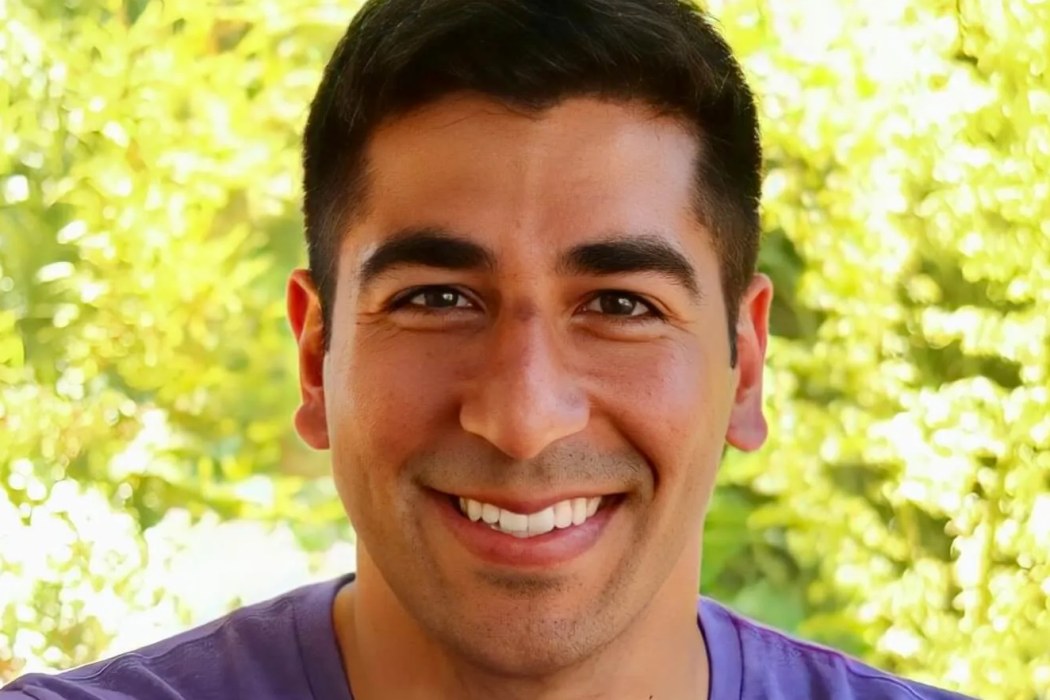
Senan Ebrahim
Senan Ebrahim is the founder and CEO of Delfina, a San Francisco digital health company using AI and data science to improve pregnancy care and close gaps in maternal health. A physician-scientist with an MD and a PhD in computational neuroscience from Harvard, he founded Delfina after witnessing a preventable stillbirth during medical training. He earlier founded Hikma Health, a nonprofit building free health-data tools for refugee and low-income patients. Delfina raised a $17M Series A in early 2025 led by U.S. Venture Partners.
Mesh Bio
Mesh Bio is a Singapore-based health deep-tech company that uses digital twin technology and predictive analytics to help clinicians detect and manage chronic diseases earlier. Its DARA platform automates health-screening report generation and risk stratification, while HealthVector Diabetes - approved as a Software as a Medical Device by Singapore's Health Sciences Authority - forecasts diabetes complications years before onset. Founded in 2018 by Andrew Wu and Arsen Batagov, the company serves more than 40 healthcare groups across Asia and has assessed over 300,000 patients.