Founder Profile
Victor
Sadauskas
The ER Doctor Who Decided to Stop Waiting for Patients to Come Back

Emergency physician. Y Combinator founder. CEO of Kivo Health - the startup bringing clinical-grade pulmonary rehabilitation home to the millions who never got it in the first place.

Digital Health Y Combinator W23 Stanford MD Telehealth AI Platform
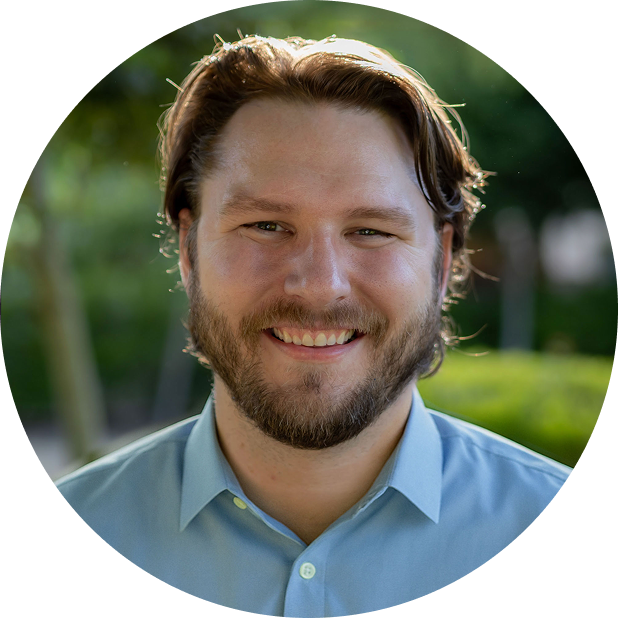
Victor Sadauskas, Co-founder and CEO of Kivo Health
Co-Founder + CEO
97%
COPD Patients Without Access to Pulmonary Rehab
83%
Median Program Attendance Rate
56%
Reduction in Hospital Readmissions
3.1x
Return on Investment for Healthcare Partners

Every ER doctor knows the rotation. A patient with COPD comes in struggling to breathe, spends three days admitted, gets stabilized, and leaves. Six weeks later, they're back. Same patient, same room, same outcome. Victor Sadauskas saw this cycle enough times at Kaiser Permanente to know the system wasn't broken - it was just aimed at the wrong point in time.

The clinical evidence was clear: pulmonary rehabilitation - structured exercise, breathing training, and education - dramatically reduces hospital readmissions, improves functional capacity, and changes the disease trajectory. The American Thoracic Society had been recommending it for decades. And yet, fewer than 3% of eligible patients were actually getting it.

The problem wasn't awareness. It was access. Pulmonary rehab programs typically require patients to drive to a clinic two or three times a week for eight weeks. For elderly patients with limited lung capacity, that's not a recommendation - it's a barrier. For patients in rural areas, it's often impossible. So they don't go. And six weeks later, they're back in the ER.

Sadauskas founded Kivo Health in 2021 with co-founder and CTO Vaughn Koch to build the version of pulmonary rehab that the 97% could actually access. The premise was simple: bring the rehab to the patient, not the other way around.

Kivo ships a home kit directly to each patient - a tablet, oxygen monitor, wristband, and exercise bands. Then delivers an eight-to-nine-week Medicare-covered program of twice-weekly small group video sessions with licensed respiratory therapists, one-on-one assessments, health coach check-ins, guided breathing exercises, and real-time oxygen and heart rate monitoring. The clinics didn't follow the patient home. Kivo replaced the need for them to.
"This collaboration reflects a bold commitment to evidence-based innovation, health equity, and value-based care."
- Victor Sadauskas, on Kivo Health's partnership with Stanford Health Care
A 97% Access Gap Hiding in Plain Sight
Pulmonary rehabilitation is evidence-based, insurance-covered, and transformative. And virtually no one receives it.
Kivo Program Attendance 83%
Traditional In-Person Attendance ~30%
Eligible Patients Currently Receiving PR 3%
24%
Symptom Improvement
34%
Physical Capacity Gain
25%
Mood Improvement
$0
Out-of-Pocket for Many Patients
01 - The Problem
The ER as Revolving Door
COPD patients cycle through emergency rooms because the preventive care that could help them - pulmonary rehab - requires getting to a clinic multiple times per week. For patients who struggle to breathe, that's often impossible.
02 - The Insight
3%. That's It.
Only 3% of eligible COPD patients receive pulmonary rehabilitation. Not because it doesn't work - it clearly does. Because access is broken. Victor Sadauskas decided the solution wasn't better clinics. It was no clinics at all.
03 - The Build
Ship a Kit. Change a Life.
Kivo ships an oxygen monitor, wristband, tablet, and exercise bands to the patient's home. Then delivers clinical-grade rehab digitally - covered by Medicare, guided by respiratory therapists, supported by AI.

Physician, Analyst, Founder

Before Kivo, Victor Sadauskas was doing things that don't obviously go together. He was practicing emergency medicine at Kaiser Permanente while simultaneously working as a digital health investment analyst at Life Science Angels and consulting at Longitude Capital, a healthcare-focused venture capital firm.

The clinical work gave him the problem. The investment work gave him the frame. He understood what good clinical evidence looks like, and he understood what investors need to see. When he started Kivo, he wasn't guessing at product-market fit - he had spent years watching from both sides of the table.

Medical school at the University of Illinois College of Medicine, followed by an emergency medicine residency at Stanford, provided the clinical credibility that most digital health founders can't claim. His published research - 83+ citations - focused on areas like trauma wound management and pain control. He thought in evidence, not anecdote.

The UCSF Rosenman Institute for Health Innovation selected Sadauskas as an affiliate, a program that backs physician-founders commercializing healthcare innovations. It was an early signal that the medical establishment saw something legitimate in what he was building, not just another wellness app looking for a clinical veneer.

Y Combinator's Winter 2023 batch was the inflection point. Kivo went through YC with a co-founder who brought the engineering foundation: Vaughn Koch, CTO, who built the platform that delivers the program at scale. The physician-engineer pairing is a classic startup archetype, but in Kivo's case it meant the product was built around clinical workflows, not despite them.

Career Milestones

2013-2017
MD at University of Illinois College of Medicine
2017-2021
Emergency Medicine Residency at Stanford University
2021
Emergency Medicine Physician at Kaiser Permanente
2021
Investment Analyst at Life Science Angels; Consultant at Longitude Capital
2021
Co-founded Kivo Health with Vaughn Koch
2023
Y Combinator W23 batch; seed funding raised
2023
Joined UCSF Rosenman Institute as affiliate
2024
Kivo Health reaches $2.1M annual revenue with 14-person team
2025
Partnership with Stanford Health Care for AI-powered virtual pulmonary rehab
2026
Kivo + Optum Arcadia launch AI-powered virtual lung rehab in California

What Kivo Built

🏥

Clinical Grade at Scale

Kivo delivers ATS guideline-compliant pulmonary rehabilitation via telehealth, with outcomes matching or exceeding in-person programs - 24% symptom improvement, 34% gain in functional capacity.

📦

The Home Kit

Every patient receives a tablet, oxygen monitor, wristband, and exercise bands. The equipment removes the most common barrier: patients who can't get to a clinic can still get the program.

🤝

Stanford Health Care

Announced in June 2025, the Stanford collaboration brings Kivo's AI platform into one of the most respected healthcare systems in the country, with access to thousands of new patients.

💡

Optum Arcadia Partnership

April 2026: Kivo launched AI-powered virtual lung rehab and care in California in partnership with Optum Arcadia, combining clinician-led care coordination with Kivo's AI monitoring platform.

📊

Revenue Milestone

$2.1M in annual revenue with a 14-person team - a lean, focused operation demonstrating that clinical credibility and unit economics can coexist in digital health.

🎓

YC W23 Cohort

Selected by Y Combinator in Winter 2023, Kivo joined a global cohort of companies reshaping their industries. For Sadauskas, Demo Day was just the beginning of a much longer build.

Building the Infrastructure for Breathing

June 2025
Stanford Health Care
Collaboration to advance AI-powered virtual pulmonary rehabilitation for COPD under value-based care frameworks.
April 2026
Optum Arcadia
Launched AI-powered virtual lung rehab in California, combining clinician-led care coordination with Kivo's remote monitoring platform.
Ongoing
COPD Foundation
Partnership to expand access to pulmonary rehab for the chronic lung disease community nationwide.
2023
Y Combinator + UCSF Rosenman
Dual validation from Silicon Valley's most competitive accelerator and one of the top health innovation programs in academic medicine.

Details Worth Noting

🫁
Only 3% of eligible COPD patients receive pulmonary rehab. Kivo was built for the other 97%.
📱
Patients receive a home kit - tablet, oxygen monitor, wristband, exercise bands - before their first session.
🔬
Victor's published research has 83+ academic citations. The science came before the startup.
💰
Many Kivo patients pay $0 out of pocket - the program is Medicare and Medicaid covered.
Kivo hit $2.1M revenue with just 14 people - a 3.1x ROI for healthcare organization partners.
🏛️
Stanford ER residency followed by Kaiser clinical work - Sadauskas has seen both academic medicine and large-scale managed care from the inside.
"Our goal is to ensure that geography and access barriers no longer determine who gets better."
- Victor Sadauskas, Kivo Health

A Physician-Founded Platform in a Field Full of Apps

Digital health is cluttered with products that wear clinical language without clinical substance. Kivo is unusual because the clinical framework came first. Sadauskas understood pulmonary rehabilitation from the provider side before he understood it as a product to be built.

The result is a program that adheres to American Thoracic Society guidelines, delivers real-time physiological monitoring, employs licensed respiratory therapists, and generates outcomes data that healthcare systems actually trust. The 83% attendance rate - versus roughly 30% for traditional in-person programs - isn't a marketing number. It's evidence that removing the commute removes the biggest dropout driver.

The AI layer isn't cosmetic. Kivo's platform integrates cellular-enabled devices, real-time data analytics, and remote patient monitoring that flags changes before they become crises. The technology stack - built on React Native, Node.js, Docker, and IoT-connected devices - was designed to meet clinical standards, not around them.

The 56% reduction in hospital readmissions is the number that turns healthcare administrator conversations from "interesting" to "when can we start." In a value-based care environment where systems are accountable for readmissions, Kivo's ROI is measurable before the first program completes.

None of this happened by accident. It happened because the person who built the company had personally admitted the patients it was designed to prevent from coming back.