multicultural-marketing
(80)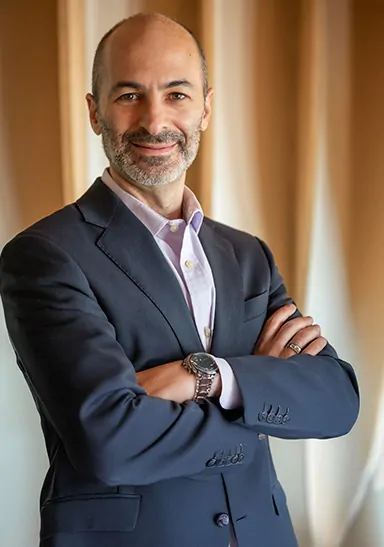
Diego Prusky and the question behind the website
A music label asked for a website. Diego Prusky found a larger problem: how to reach people when the rules keep changing. From Uruguay to Miami, the InPulse founder has kept asking before answering.

Nita Song and the advantage of knowing people
She left IW Group, hired it twice, and came back to help change its business. Nita Song’s career makes a case for cultural knowledge that survives every change of platform.

Yvonne Garcia and the business of being heard
Before she founded MarketVision, Yvonne “Bonnie” Garcia learned to hold an audience on the radio and to make a case inside Coca-Cola. Her next act was to build the company, and the network, she had wanted along the way.

Ozzie Godinez and the Trouble with Being Understood
Born in Mexico and raised on Chicago’s South Side, Ozzie Godinez built PACO Collective around a frustration: advertising kept flattening the people it hoped to reach. His answer began with a friend, a kitchen table, and a willingness to listen more closely.

The Best Message in the Room May Not Come From the Agency
DH built a communications business by giving away the most flattering role in advertising: the person with all the answers. Its campaigns begin with a quieter proposition - the people living with a problem usually know where the message should go.
The Day Newlink Fired the Target Audience
A former television journalist built a consultancy around one unfashionable idea: people are not targets waiting to be hit. They are moving, talking, skeptical actors - and the brands that treat them that way can turn attention into action.

The Miami Agency That Stopped Translating America
Republica Havas built a business around a simple correction: people do not become generic consumers when they see an ad. Its journey from two founders over coffee to Havas's cross-cultural flagship shows what happens when culture moves from the footnote to the brief.

The Agency That Starts Before the Ad
MarketVision built a business by noticing the moment before a campaign begins: when a frozen biscuit feels like guilt, insurance feels like homework, or public-health advice feels impossible to ask. Its answer is to listen first - and let culture change the brief.
PACO Collective and the Borrowed Projector That Changed the Brief
Two ad men, a cocktail napkin and a borrowed projector became a Chicago agency built to replace cultural shorthand with cultural intelligence. The clever part was knowing when their own original idea had to change.

The Empty Office That Taught Sanders\Wingo How to Think Bigger
A risky Austin expansion lost its launch clients almost immediately. The El Paso agency answered by learning to pitch harder, research deeper, and turn cultural fluency into national work.

Etienne Hernandez-Medina Built an Agency Around Who Gets Seen
He did not set out to own an agency. Two decades later, his work shows what happens when culture moves from the footnote to the brief.

Eight Tickets, One Circle, and the Business of Being Remembered
Circle of One Marketing helped turn a nearly empty Miami Gardens concert into a 60,000-person ritual. Its method is less mysterious than it sounds: know the room, fix the message, and do the unglamorous work until people show up.

The Parents Were the Audience All Along
TMNcorp built a communications business around a useful humiliation: the first audience, phrase, or format you choose may be wrong. Research finds the mistake before the media budget makes it expensive.
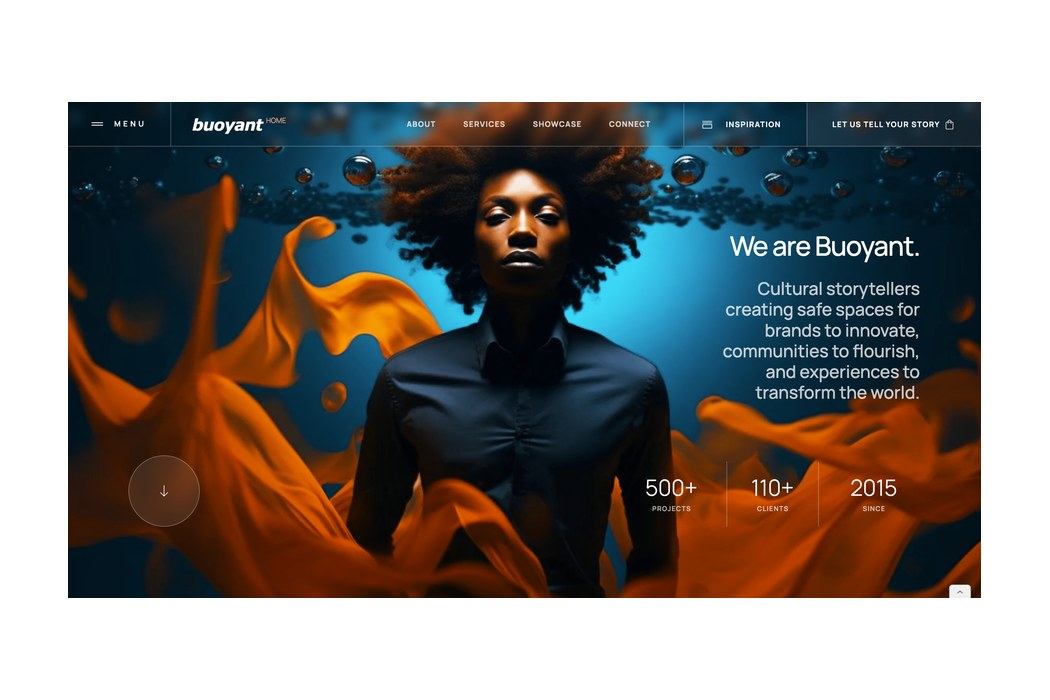
The Agency That Learned to Own the Room
BUOYANT began as a safe place for cultural storytellers. Its sharpest work starts when somebody else's platform stops serving the audience.

The Agency That Translates Before It Writes
Most agencies begin with a message and search for an audience. NewPublica begins with the audience - then lets six languages, 88 rules and a few thousand tacos decide what the message should become.

The Agency That Survived Its Own First Idea
Identika started with RFID, failed fast, kept the name, and found its real business in messages that have to work across languages, platforms and public skepticism.

The Small Agency That Learned to Make the Invisible Visible
Impact Consulting Enterprises has spent more than three decades translating institutions into language people can use. Its edge is not volume. It is knowing which details an audience will trust.

The Agency That Bet the American Mainstream Was Already Multicultural
fluent360 began with one client, five employees and a heretical idea for 2008: multicultural America was not a side brief. Seventeen years later, that idea looks less like a specialty and more like the center of the market.

A Layoff Built the Agency in the Room
Stacey Wade started NIMBUS after losing an agency job. Two decades later, the Louisville shop makes national campaigns by insisting that culture belongs at the first meeting - not in the final round of edits.
The Agency That Stopped Asking People to Pick One Box
EGAMI built its reputation by seeing what big brands missed. Now the multicultural agency is betting that the next useful demographic is not a box at all, but a whole person.

The Red Carpet Is Only Ten Percent of the Job
Priscilla Clarke built an agency where nonprofit purpose meets entertainment machinery. The visible payoff may be a headline, a gala or a red carpet - but the real product is the preparation nobody sees.
The Travel Agency That Sells No Trips
CIIC PR began in a spare room with one referral. Thirty years later, its real product is still the same scarce commodity: knowing which detail makes a stranger care.

The Advertising Agency That Learned to Answer a Different Question
For three decades, Proterra has kept the same useful obsession while the media changed around it: find the precise audience, speak in a human voice, and measure what happens next.
Novle’s First Media Buy Is a Conversation
The Phoenix agency treats multicultural marketing as relationship infrastructure: learn the community, convene its leaders, then earn the right to ask for attention.
The Agency That Learned to Turn Up the Right Kind of Noise
NOISE began with a six-second lesson about attention. It grew by turning that lesson into a full-service agency, a venture studio, and a culturally specific bet on the many meanings of Latin America.

When the Cell Towers Went Quiet, SalterMitchell PR Reached for Paper
A Tallahassee consultancy built its edge by knowing one state unusually well. Its best lesson arrived after a Category 5 hurricane, when the smartest communications technology turned out to be a flyer taped beside a portable restroom.

The Printer Who Couldn't See Color - and the Agency That Learned to Read a Room
IPCOMM began with one press, one employee, and a color-blind founder. Four decades later, the family company sells something bigger than print: fewer handoffs between the idea, the audience, and the thing that arrives in their hands.
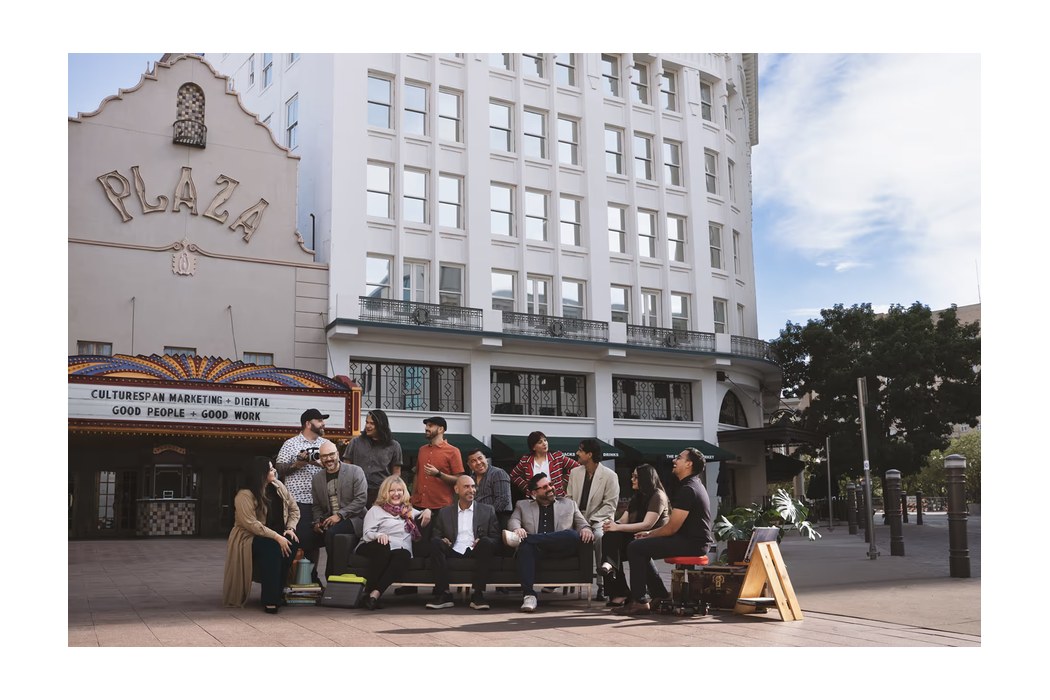
The Little Purple Spot That Changed Their Minds
An El Paso agency spent decades learning that Spanish is rarely the hard part. The hard part is finding the idea a community will trust - and being willing to discard the one that looked sensible in the conference room.

The Vida Agency Put the Audience in the Art Department
When a public message has to cross a border of language, history, or trust, Vida does something unusual: it gives the people on the other side a seat at the first meeting.

The People Between the Bulldozer and the Neighborhood
K Strategies built a business around the awkward space where big civic projects meet actual human beings. The work looks like PR from a distance; up close, it is translation, trust and a very detailed meeting plan.