The most revealing number in fluent360’s history is not 360. It is five. Five people reported to work at Team Ignition LLC in 2008, alongside one client and one unusually stubborn premise. The premise was that African American, Hispanic, Asian American and LGBTQ consumers did not live in little marketing annexes. Their music, language, humor, habits and ambitions were already furnishing the main house.
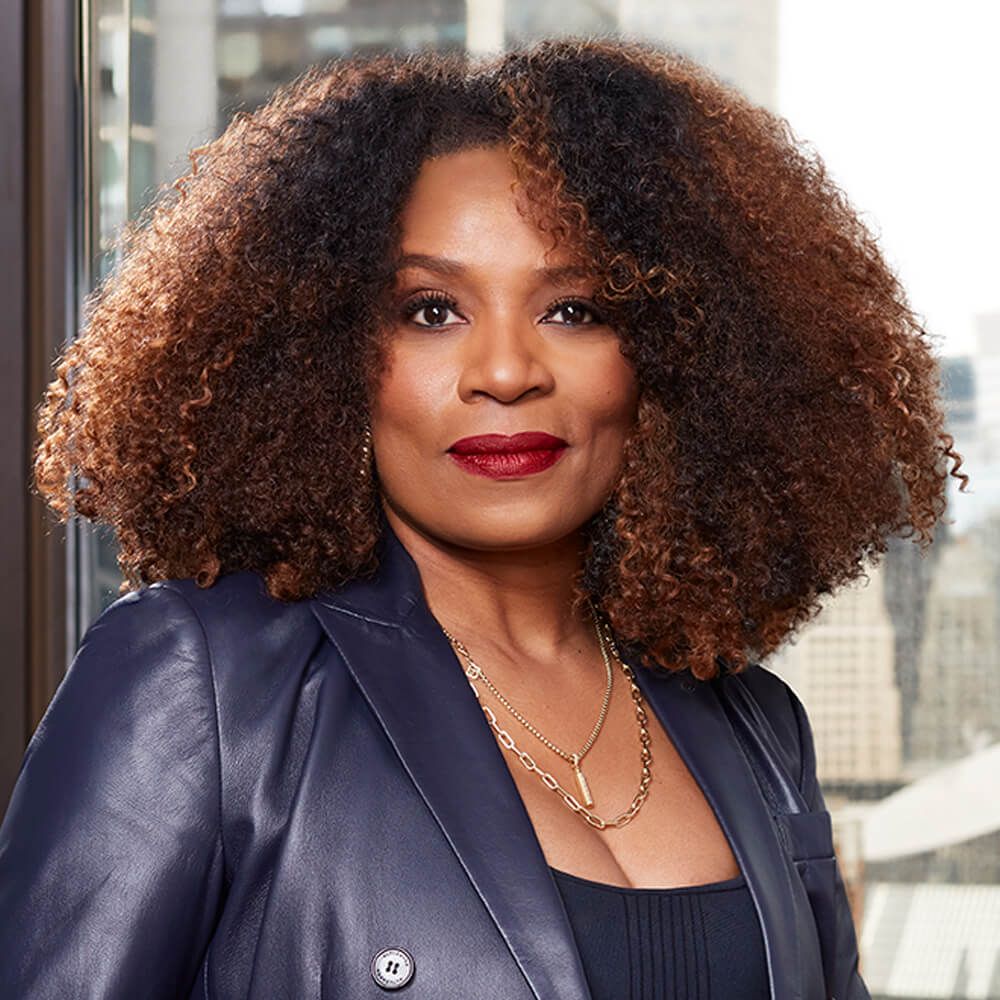
Danielle Austen had arrived at that view through a career spent inside large companies. She led marketing work for Nordstrom, Jaguar North America and Sony, sometimes as the only woman of color in the room. Her answer was practical: build a different room. Team Ignition would become a cultural marketing hub, then a full-service agency, then fluent360. Austen remains its managing partner, chief executive and majority owner.
The room Austen kept walking into
Advertising has long used “general market” as if it were a neutral geographic fact. In practice, it often meant a particular default audience, with everyone else handled by a specialty shop after the central idea was approved. The handoff produced familiar symptoms: language that was correct but emotionally vacant, casting used as a substitute for insight, and culture added late enough to function as garnish.
fluent360 moved the cultural question upstream. Its public service list reads like that of a conventional integrated agency - research, strategic planning, creative, content, media, social, experiential, public relations, direct marketing, corporate communications, production and reporting. The difference sits in the first step. Its planning model says it looks past demographics and toward identity. A census box can tell you who may be in the audience. It cannot tell you what homeownership means inside a family, why a dance format feels communal, or which piece of civic folklore can make a donation request feel like a dare.
The work before the work
“Our strategic planning model looks past demographics and embraces identity.”fluent360
A city that knows how to beat things
Consider hunger, an issue so large that its scale can numb the people a campaign needs to move. In June 2024, the Greater Chicago Food Depository and fluent360 launched “We Can Beat This.” The idea did not begin with an empty plate. It began with Chicago’s private mythology: this is the city that reversed its river, rebuilt after fire and treats hostile weather as material for conversation.
Temporary installations invited Chicagoans to talk about hunger. Outdoor, digital, social, print and three spots carried the challenge. Spanish-language messages widened the invitation. One line did nearly all the strategic work: “The city that reversed a river can reverse hunger.” It turned a grim, distant problem into a local test of character. fluent360 says the effort helped raise more than $25 million.
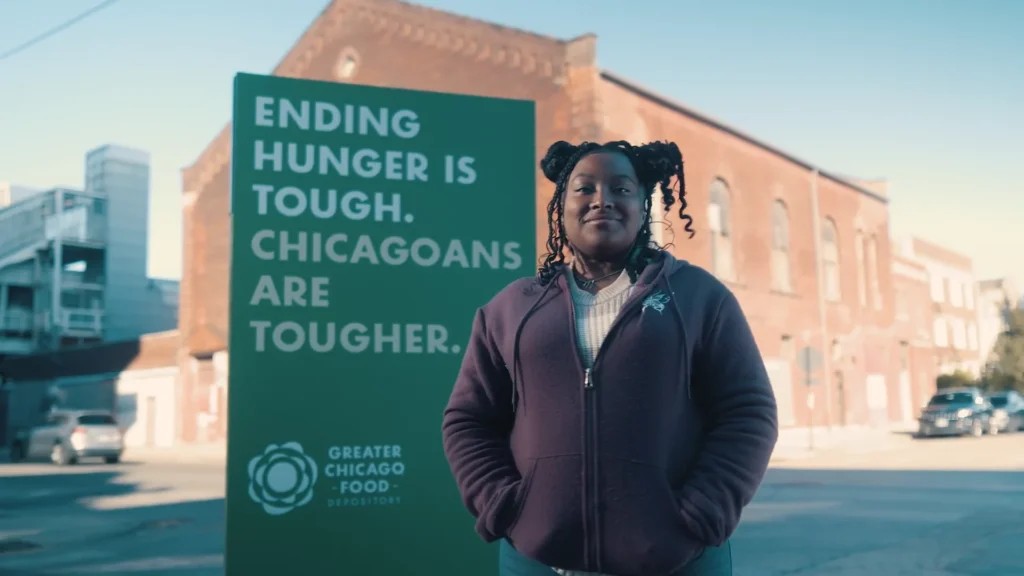
raised for the Greater Chicago Food Depository with help from the “We Can Beat This” campaign, according to fluent360. The striking part is not only the total. It is the route: civic pride became fundraising infrastructure.
The line is only the surface
The same method appears in less civic settings. For Wells Fargo’s Homebuyer Access Grant, research pointed to an important distinction: in many African American and Hispanic families, buying a home could represent more than a personal investment. It could hold family memory, stability and the beginnings of generational wealth. fluent360’s “Legacy Living” campaign put that meaning ahead of the financial product. The agency handled strategy, ideation, creative development, production and performance reporting.
For the Army National Guard, the problem was not simply recruitment. It was explaining a strange dual life to Gen Z. “Uncommon Is Calling” used real soldiers on real missions, pairing service with the recognizable civilian identities of students, baristas, coders and creatives. The black-and-white films made the Guard’s promise legible: purpose and flexibility, ordinary life and emergency response, existing at once.
These are not products in the software sense. fluent360 sells judgment, execution and access to an integrated team. A brand or public organization pays for the work between the audience question and the measured campaign: research, planning, ideas, content, media, activation and analysis. Its partnership with The DAS Group of Companies, part of Omnicom, adds the reach of a large agency network while fluent360 maintains the identity and leadership of a minority-owned specialist.
The fifteen-year client
Every agency origin story needs an anchor account. For fluent360, Nissan and Infiniti filled that role from the beginning. When Team Ignition became fluent360 in 2015, the company was agency of record for the brands’ multicultural advertising. The relationship lasted fifteen years, an eternity measured in chief marketing officers.
It ended in 2024 when Nissan moved the assignment to Third Ear, another Omnicom-affiliated agency. fluent360’s last Nissan commercial, “Fun Chasers,” is a cheerful coda rather than a funeral. SUVs carry a group Zumba session into the outdoors. Beto Perez, the creator of Zumba, helped promote it. The cultural device was not random decoration: Zumba fused Latin music, fitness and collective play into a global format. The car joined an existing ritual.
The lost account matters because it removes the neat version of the company story. Agencies are exposed businesses. Relationships end, large networks rearrange assignments, and no amount of cultural fluency cancels procurement. fluent360’s newer portfolio - hunger relief, homeownership and the National Guard - shows an agency working beyond the client that helped make it.
What another team can actually steal
The useful lesson is not “be multicultural.” That is too broad to operate. The reproducible move is to find the culturally specific meaning beneath a generic category. A house becomes legacy. Part-time service becomes a double life. A donation becomes proof that Chicago can still beat an impossible thing. Each reframing gives the creative team something sharper than representation alone.
A compact identity-first brief
- Ask what the category means inside the audience’s real life, not just how it is purchased.
- Find a tension, ritual or ambition that the product can credibly enter.
- Give cultural expertise authority before the central idea is fixed.
- Carry one insight through creative, media and measurement instead of scattering it across vendors.
- Test whether the idea remains specific when the logo disappears. If it could belong to anyone, it probably understands no one.
This approach has limits. It depends on access to firsthand knowledge, enough research to separate a pattern from a stereotype, and a client willing to let insight change the brief. It weakens when culture is reduced to wardrobe, language or a late-stage casting choice. It also fails when a brand borrows community meaning without making a believable contribution to that community. Authenticity is not a tone of voice; it is a fit between the promise and the behavior.
fluent360’s market is crowded with legacy multicultural agencies, newer culture shops and general agencies building their own specialist teams. Its case is that the full-service model and the cultural model no longer need to be separate. The company can research an audience, make the work, place it and report what happened. That combination matters most for national organizations whose customers do not experience identity in departmental silos.
Seventeen years after Austen opened the first room, the provocative part of her premise has mostly disappeared. America’s diversity is not a forecast. The sharper question is whether an organization has learned to see the influence moving through it. fluent360’s answer is tucked inside its name: fluency is not knowing the vocabulary. It is knowing what people mean.