minority-owned-business
(26)
The Bank Said No. Social Driver Built the Agency Anyway.
Two founders arrived in Washington without capital or connections. Fifteen years later, their agency's sharpest trick is still the same: finding the human route through a digital problem.

The Agency That Had to Hide Its Founder Learned How to Make Brands Seen
O2ideas began with a handshake between two men who understood that Birmingham could buy their work before it could accept their partnership. Nearly six decades later, the agency's best trick is still the same: see the audience others miss, then make one good idea work much harder.
The Infrastructure Firm That Brings Jenga to a Street Fight
Zan Associates works in the awkward space between a transportation plan and the people expected to live with it. Its trick is disarmingly practical: leave the hearing room, make participation tangible, and show residents where their fingerprints landed.
The Agency That Needed a Bigger Park
Spears Group found its most persuasive case study by inventing a festival, watching 40,000 people arrive, and realizing the venue was the first thing its marketing had broken.
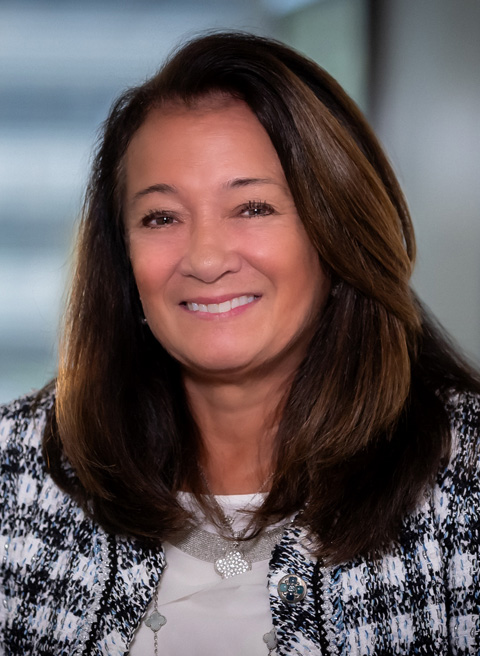
Ileana Quintas Built a 30-Year Business Out of Making Complexity Clear
She began with one employee and an unfashionable conviction: difficult information should still be useful. Three decades later, that idea remains the operating system of IQ Solutions.

The Translation Trap d expósito & Partners Refused to Enter
The New York agency spent two decades arguing that culture is not a decorative layer. Its best work shows what happens when language, media and human behavior are treated as one problem.
The Bid Before the Bid
ECU Communications built a national agency around an unglamorous advantage: seeing a government campaign long before the brief arrives. The creative work comes later. First comes the patient art of knowing where the money, rules and partners are moving.

The Small Agency That Learned to Make the Invisible Visible
Impact Consulting Enterprises has spent more than three decades translating institutions into language people can use. Its edge is not volume. It is knowing which details an audience will trust.
The Message Before the Microphone
Rise Strategy Group sells something harder to photograph than an ad: the moment when an institution earns the right to be heard. Its advantage is a team trained where messages face consequences - newsrooms, campaigns, city hall and crisis rooms.

The Agency That Bet the American Mainstream Was Already Multicultural
fluent360 began with one client, five employees and a heretical idea for 2008: multicultural America was not a side brief. Seventeen years later, that idea looks less like a specialty and more like the center of the market.
Lara Media and the People Who Never Come to the Meeting
For 25 years, the Portland firm has treated listening as fieldwork - finding the people public meetings miss, then turning what they say into decisions institutions can use.

The $400 Million Conversation
Garth Solutions found a business in the awkward space between a billion-dollar plan and the people expected to live with it. Its real product is not a brochure or a meeting - it is participation that survives contact with reality.

The Firm That Knows Which Door to Knock On
Bellevue Strategies built a business around a deceptively simple political skill: knowing who needs to hear a case, when they need to hear it, and what must happen next.
BETAH Associates and the Last Mile of Public Trust
Federal programs do not fail only in Washington. They fail in the last mile - where a message must be understood, a meeting must work, and a community must decide whether to trust the people asking questions.

The Gemini Group knows who needs to be in the room
A Stanley Cup tour, a Wrigley Field campaign, a city’s press desk. The Chicago communications firm turns public relations into the practical business of showing up.

Rick Cantu Built Redapt by Treating Every Tech Boom Like a Customer Problem
He started with refurbished UNIX machines and kept changing the company before the market could change it. Thirty years later, Rick Cantu's durable advantage still sounds almost unfashionably simple: listen closely, own the outcome, and earn the next call.
Christopher Fevry Put Cannabis Delivery on a Clock - Then Built the Software Behind It
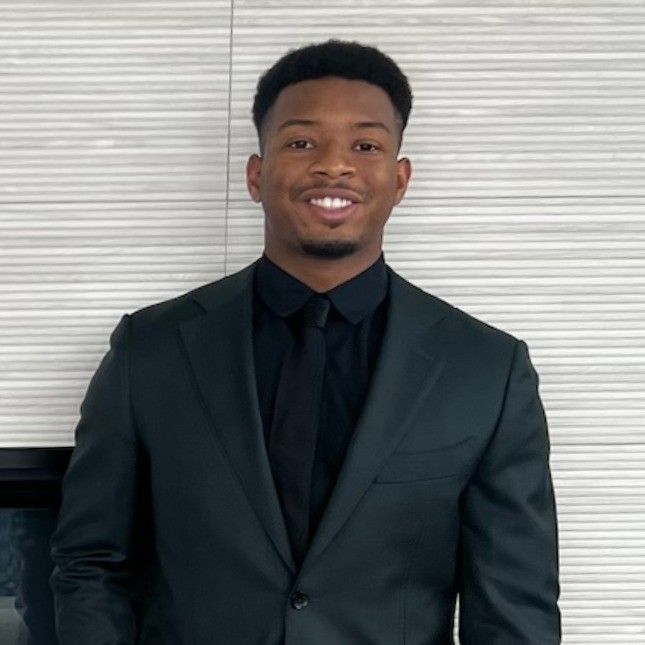
A laid-off founder, a regulatory maze, seven outfitted vehicles and a habit of calling on the day a license lands: how Christopher Fevry turned Massachusetts cannabis delivery into an operating system.

The Couple Who Turned a California Vacation Into Massachusetts' Only Social-Equity Weed Fleet
Chris Fevry and Dharry Pauyo built the state's only social-equity-owned cannabis transporter - then helped kill the rule that put two drivers in every van.
The Tribe That Plans 150 Years Ahead Just Became Milwaukee's Third-Biggest Minority-Owned Business
Potawatomi Ventures turns casino and enterprise profits into data centers, federal contracts and fresh-food gas stations - and measures every bet against the next 150 years, not the next quarter.
BayOne Solutions
BayOne built a sizable business by selling two things enterprises usually buy separately: the technology work and the people who make it run. Now its bet on AI, managed delivery and diverse talent is turning a staffing heritage into a broader transformation play.

E2 Consulting Engineers, Inc.
E2 Consulting Engineers is a multidisciplinary engineering and technical consulting firm founded in 1988 and headquartered in Emeryville, California. It delivers project management, engineering and design, construction management and inspection, environmental permitting and remediation, and federal support services to investor-owned utilities, government agencies, and infrastructure operators across North America. With more than 800 professionals in 11 U.S. offices, E2 supports grid modernization, wildfire mitigation, pipeline safety, and water infrastructure programs. In June 2026 it was acquired by EIP-backed Guardian Infrastructure Services.

InterSources Inc
InterSources Inc is a Fremont, California-based technology consultancy and Managed Security Services Provider (MSSP) founded in 2007. It pairs cybersecurity and compliance services with data analytics, AI, cloud operations, custom software development and IT staffing, serving regulated industries such as healthcare, banking, pharmaceuticals and the public sector. A certified minority- and women-owned small business, it holds ISO/IEC 27001 and SOC 2 Type II certifications and positions itself as 'built like a tech company, trusted like a partner.'
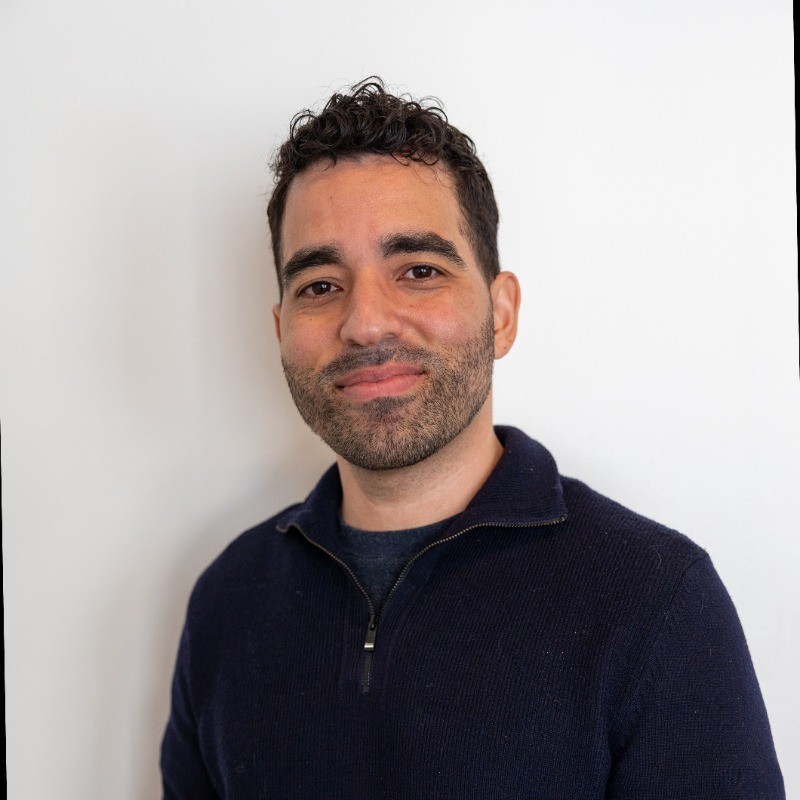
Julio Casado
Julio Casado is the CEO of ANJA Life, the first adult-use cannabis dispensary in Highland Park, New Jersey, and the founder and managing partner of Full Funnel Growth, a NYC-based growth marketing agency. A Cornell-educated, Bronx-raised operator with a decade-plus background spanning Deloitte, AXA, Success Academy and Bridge Philanthropic Consulting, he now sits at the unlikely intersection of management consulting, e-commerce growth funnels, and a Sanskrit-rooted cannabis brand named for the act of manifesting.
Trilyon, Inc.
Trilyon, Inc. is a Cupertino-based, women-owned global workforce and consulting firm that has spent more than 15 years matching skilled technology talent to Fortune 500 and enterprise clients. Built on an 'outcome over output' philosophy, Trilyon delivers SOW-based consulting, contingent and direct-hire staffing, RPO, and managed services across AI/ML, cloud, Salesforce, healthcare IT, life sciences, and technical writing, with delivery teams spanning the US, Canada, LATAM, India, and Europe.
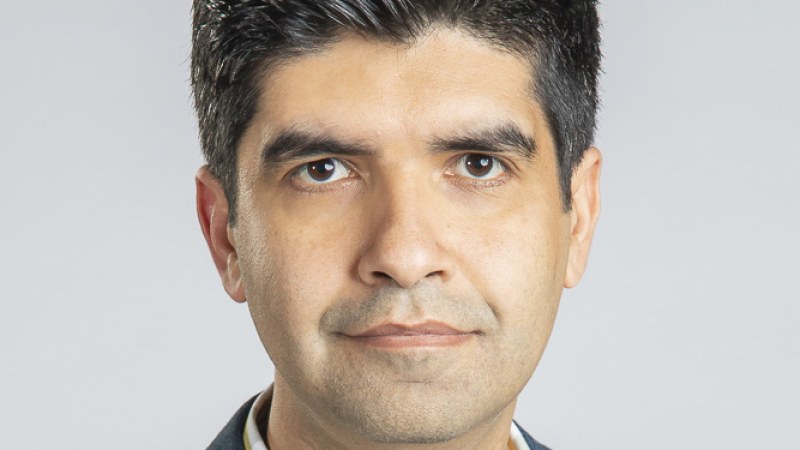
Yaser Masoudnia
Yaser Masoudnia is the co-founder and CEO of BlueTape, a fintech company that gives the construction industry's suppliers, contractors and distributors the payment tools and working capital they have long been denied. A serial entrepreneur and a licensed general contractor with over a decade swinging a hammer, he previously built and exited the cybersecurity startup NoPassword (acquired by LogMeIn), then ran the LastPass product team. He started coding games on a Commodore 64 at 13 in Iran and now splits his identity between two worlds most people keep apart: software and construction sites.

Carolyn Joshua
Carolyn Joshua is the President and CEO of Trilyon, Inc., a Silicon Valley-based IT staffing and workforce solutions firm she has led since 2009. Under her leadership, Trilyon has grown into a globally recognized, women-owned and minority-certified enterprise serving Fortune 500 companies including Google, Cisco, Samsung, Hitachi, and Oracle across North America, LATAM, EMEA, and APAC. A champion of diversity, inclusion, and women's empowerment, she serves as Co-Chair of USPAACC WISE and has been recognized with the J.P. Morgan Unity in Action Award (2025), the SheLeads Impact Award (2024), and named a Top 50 Women Leader of San Francisco (2023).