In September 2016, Lafayette Square acquired a capacity problem. Spears Group had invited New Orleans to a one-day celebration built around an argument so sturdy that it barely qualified as strategy: everybody loves fried chicken. More than 40,000 people arrived during the nine-hour inaugural event. For a marketing agency, this is the pleasant version of a systems failure. The message worked. The park did not.
The next move was revealing. Spears Group did not polish a case study and return to ordinary client work. It moved the festival to Woldenberg Park, described at the time as five times larger, stretched the program across two days and kept building. The National Fried Chicken Festival became an owned product: conceived, branded, advertised, publicized and produced by the same firm. A decade later, the agency says the event has welcomed more than 500,000 attendees.
“The goal is always to find ways to bring people together.”Cleveland Spears III, founder and CEO
The festival is the portfolio
Agencies usually sell integration with a diagram. Research points to strategy; strategy points to creative; creative points to media; everybody points to a results box. Spears Group can point to a crowd. Fried Chicken Festival requires the whole diagram to survive contact with weather, vendors, sponsors, local government, performers, hungry families and a person who wants to know where the nearest bathroom is.
That makes the festival both a business and an unusually legible demo. Spears Group leads the brand, design, advertising, public relations, social media and influencer work, coordinating with production partners for months. The reported result includes 7,500 media placements, $6 million in publicity value and a social following of 54,000. Those are company figures, but the strategic point does not depend on decimal-place precision. An agency that owns the outcome cannot blame a vague brief.
The price of more room
Public lakefront records disclose one concrete slice of the festival's cost: ground rent rose under a three-year location agreement.
What sits behind the crowd
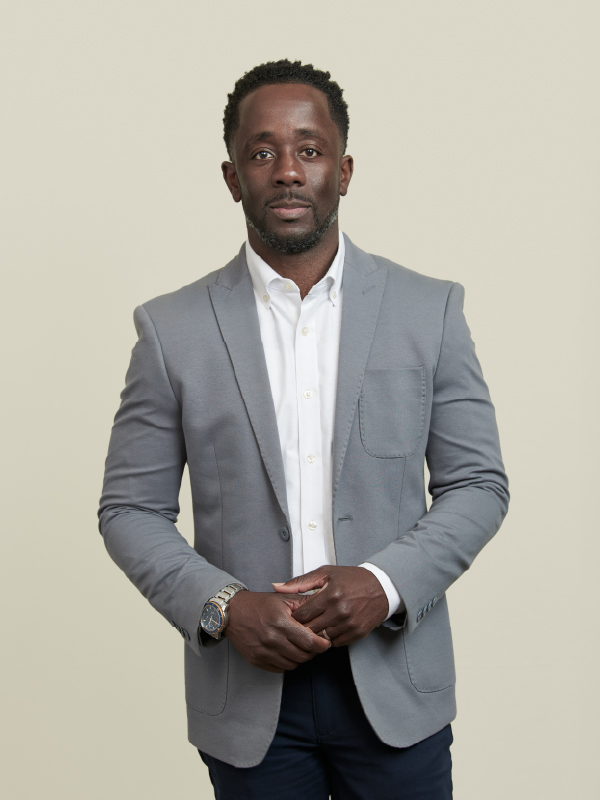
Cleveland Spears III founded Spears Consulting Group in 2008. The legal name remains Spears Consulting Group, LLC; the public brand became Spears Group. The firm now works from New Orleans and Houston, selling research and analytics, integrated strategy, branding, public relations, paid media, social and influencer campaigns, experiential marketing and product development. In plain English: it helps an organization decide what to say, make the thing, place it in front of people and measure what those people do next.
The customer list crosses categories that normally live in separate agency decks: the NBA, Ochsner Health, Entergy, the CDC, W.K. Kellogg Foundation, New Orleans RTA, Delgado Community College, Xavier University of Louisiana, Louis Armstrong New Orleans International Airport and Houston Housing Authority. The company says it has supported more than 300 clients and collected more than 160 industry awards.
Its business model is mostly familiar - retained agency-of-record assignments and project fees from public, nonprofit and corporate organizations. Owned event intellectual property adds a second engine through tickets, sponsorship, vendors and merchandise, though Spears Group does not publish the revenue mix. That combination matters. Client service teaches the agency many industries; ownership teaches it what happens when the invoice, the queue and the reputation all belong to you.
Integration becomes interesting when behavior moves
The agency's Regional Transit Authority assignment is a cleaner test than an awards shelf. Since 2022, Spears Group has connected paid search, digital ads, outdoor placements, influencers, creative advice and live analytics to promote fare modernization and Le Pass. It reports $4.7 million in annual generated revenue, 31,000 app downloads a year and 36,600 digital conversions during 2025. For the first time, half of riders used cashless payment.
Three campaigns, three kinds of proof
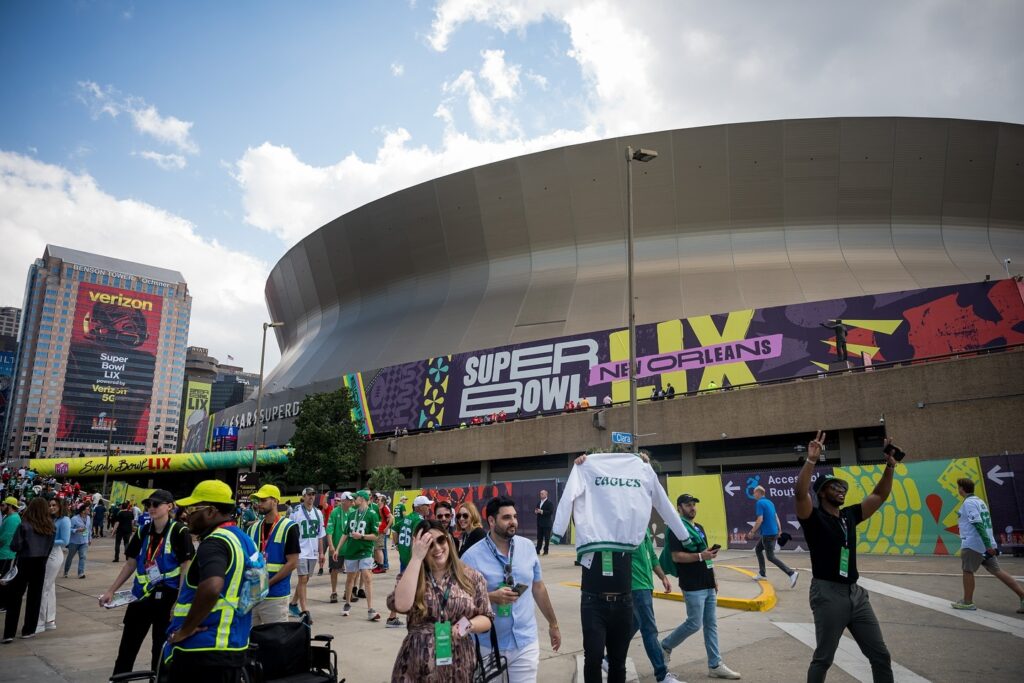
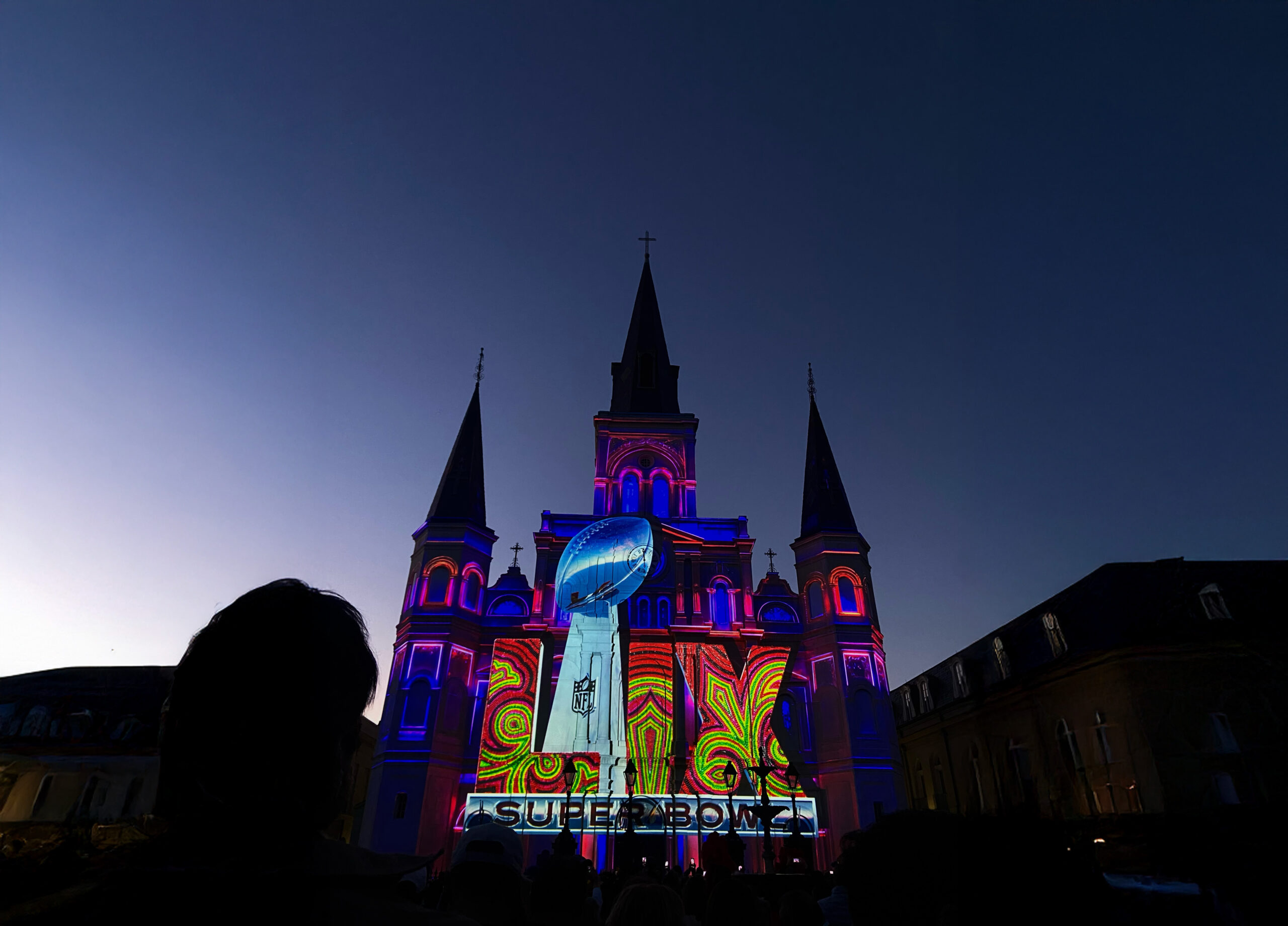
Elsewhere, the proof changes with the problem. Delgado Community College needed to look like a first choice rather than a fallback. Its campaign logged 5.6 million billboard impressions in four months and 2.6 million digital impressions in six. The Xavier Ochsner College of Medicine needed a brand and a national introduction; the launch generated more than 320 media mentions and an estimated reach above 808 million. Super Bowl LIX demanded two intense weeks of regional and multicultural storytelling plus on-site press work. Spears Group reports 1.5 billion in earned-media reach.
The local knowledge travels
Spears Group occupies a useful middle of the market. It is broader than a PR boutique and closer to the ground than a national network. The team calls this cultural fluency. The phrase can become mush in careless hands, but here it has an operational meaning: knowing which community voices belong in the room, which story feels imported and which local detail can carry a national narrative.
That was the assignment behind the 20th anniversary of Hurricane Katrina. W.K. Kellogg Foundation, New Schools for New Orleans and Sankofa Community Development Corporation retained the agency to move coverage from a familiar devastation frame toward two decades of investment, organizing and progress. The campaign represented more than $100 million in combined investment and produced, by the agency's count, 150-plus media placements and 300,000 digital impressions. Peacock participated as a national streaming partner.
The same instinct shaped work on the new MSY identity. Spears Group joined the airport and aviation design firm Gresham Smith for the last phase of a rebrand attached to a $1.3 billion terminal, then built the launch and media campaign in six months. The task was not to make New Orleans look generically modern. It was to make a modern global gateway still feel unmistakably like New Orleans.
A playbook worth borrowing
The copyable part is not “start a food festival.” That advice would create a great many tents and very little advantage. The transferable idea is to build a proving ground where several capabilities must work together and the audience can vote with its feet.
Begin with shared behavior. “Everybody loves fried chicken” is not sophisticated segmentation. It is a broad human observation with enough room for chefs, families, sponsors, music and travel.
Own a measurable outcome. Attendance, app adoption and cashless payment are harder to decorate than impressions alone. They make strategy answerable to reality.
Let the first constraint teach you. The inaugural festival's problem was not awareness. It was space. Spears Group changed the venue and format because the crowd supplied the brief.
Keep context in the room. The model depends on real community trust, operational experience and partners who can execute. A borrowed cultural signal without those conditions is merely costume.
This approach also has limits. Owned experiences require capital, permits, insurance, safety planning and years of repetition. Public-sector campaigns bring procurement rules and scrutiny. Results tied to one city's dense culture cannot be dropped into another market unchanged. The method travels; the details should not.
Still, the Spears Group story contains a tidy lesson for any service company. A capabilities list asks a buyer to imagine how the pieces fit. A product lets the buyer watch. On that first September day, 40,000 people made the diagram unnecessary.