branding
(163)Designer Web Agency Looks Beyond the Website
The Atlanta agency pairs web design with search, advertising, and marketing follow-up. Its service mix offers a useful way to think about what happens before a click - and after it.

Les Kollegian and the business of remembering your name
A clothing store in Grand Central gave the Jacob Tyler founder an idea about service. Building an agency taught him how difficult that idea could be to keep.

Azhar Saleem and the work behind the famous face
In Lahore, the founder of Digital Visions Tech moves between campaign graphics, video editing and the business of running a design team. His portfolio offers a view of the people doing the visual work around recognizable names.

Art Mandalas and the afterlife of a club flyer
Before Community Agency made campaigns for an NBA team, Art Mandalas was making flyers for Toronto nightlife. His work has grown into new rooms, new disciplines and new technologies, with the city still close at hand.

Donny Deutsch and the business of being Donny
He took over his father’s advertising agency, put his surname on the door, and eventually put himself on television. Donny Deutsch’s career is a running experiment in how much a personality can sell.
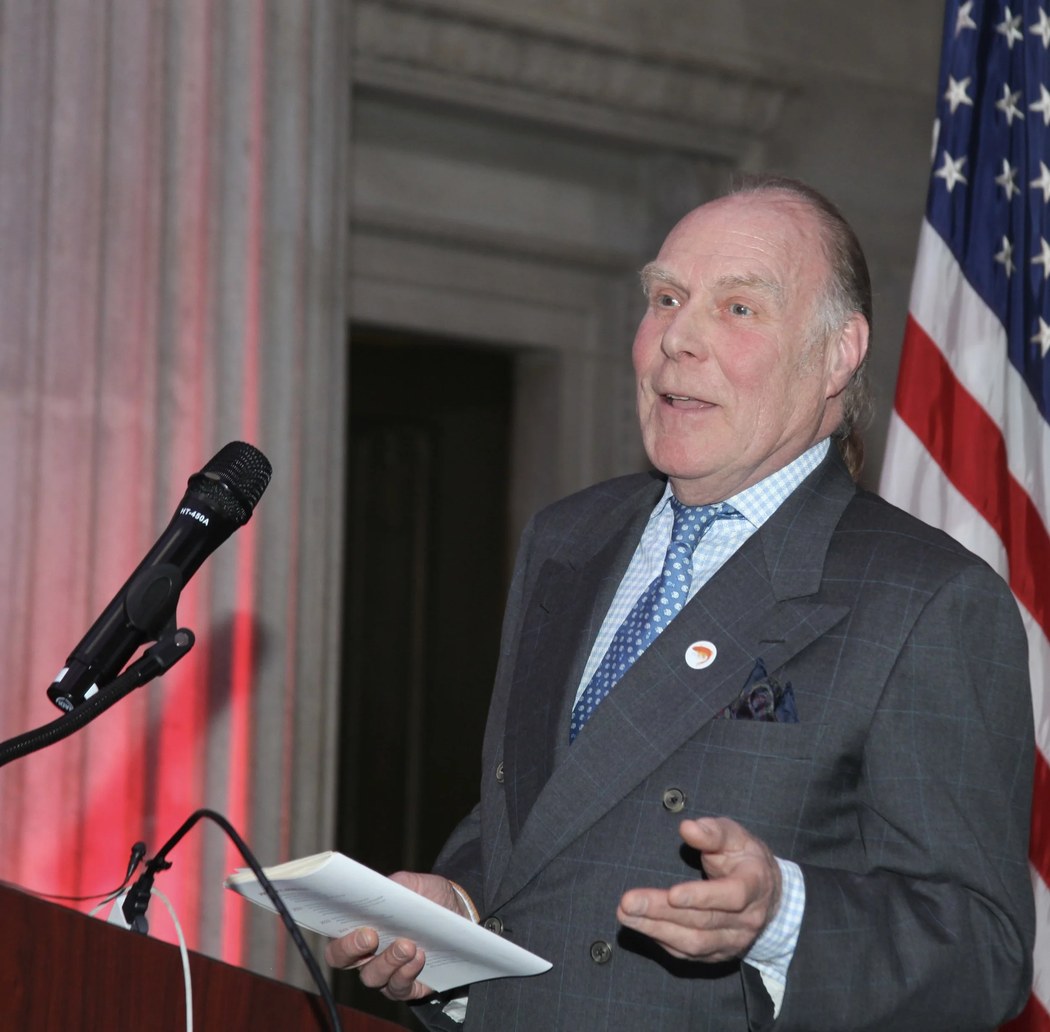
Roger Byrom and the art of leaving things standing
He led Addison through a change of ownership and spent years questioning changes to Lower Manhattan. On a historic New Jersey farm, Roger Byrom’s preservation work now comes with sheep.
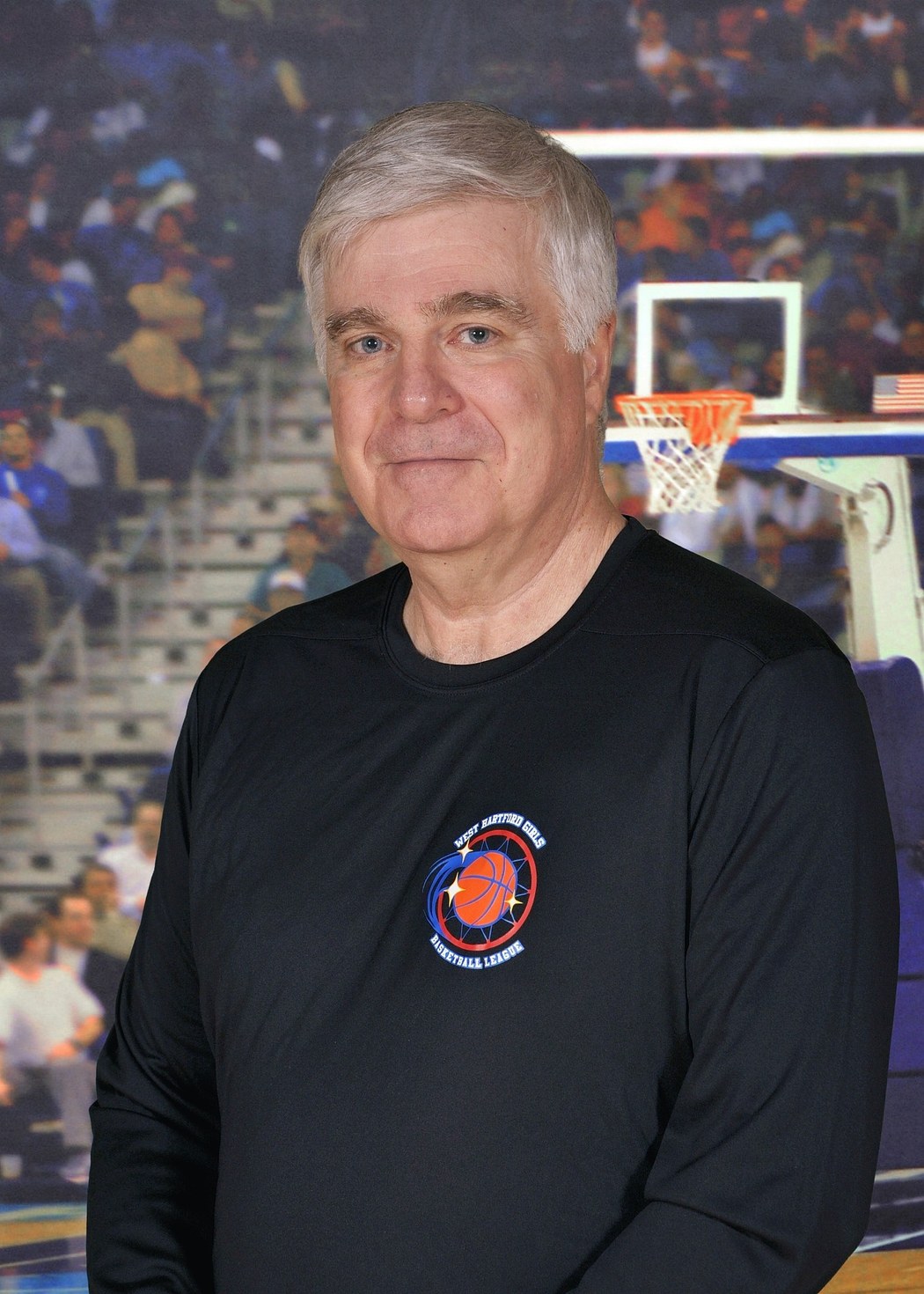
James Bargon and the work before the whistle
An agency president with a long record in youth basketball, James Bargon has helped build brands, coached young players and taken on the paperwork that gets them onto the court.

Janet Chihocky and the Art of Making a Room Speak
Before Janet Chihocky helped military buildings tell their stories, she had to keep her own business from ending. The JANSON founder’s career runs through aerospace marketing, a financial reckoning, and a belief that listening is work.
PENSA and the art of removing the awkward bit
A hospital curtain, a razor, an inflatable dog kennel. The Brooklyn design firm finds its opportunities where everyday objects make people work too hard.
Big Drop Inc makes the complicated look simple
A course catalog, a cybersecurity business, a hair-care academy: Big Drop Inc turns tangled information into websites people can use. The interesting work begins before anyone chooses a color.
The Sign Shop That Learned to Tell a Whole Valley's Story
David Boring turned a joke about his surname into a homegrown agency that sold everything from signs to strategy. Its most revealing campaign may have been the way it closed.
The One-Stop Shop That Learned to Ask Bigger Questions
Rivers Agency began as one woman promising good work at a fair price. Thirty-three years later, its most revealing advantage is not a slogan or a specialty - it is the ability to keep strategy, copy, code and media in the same conversation.
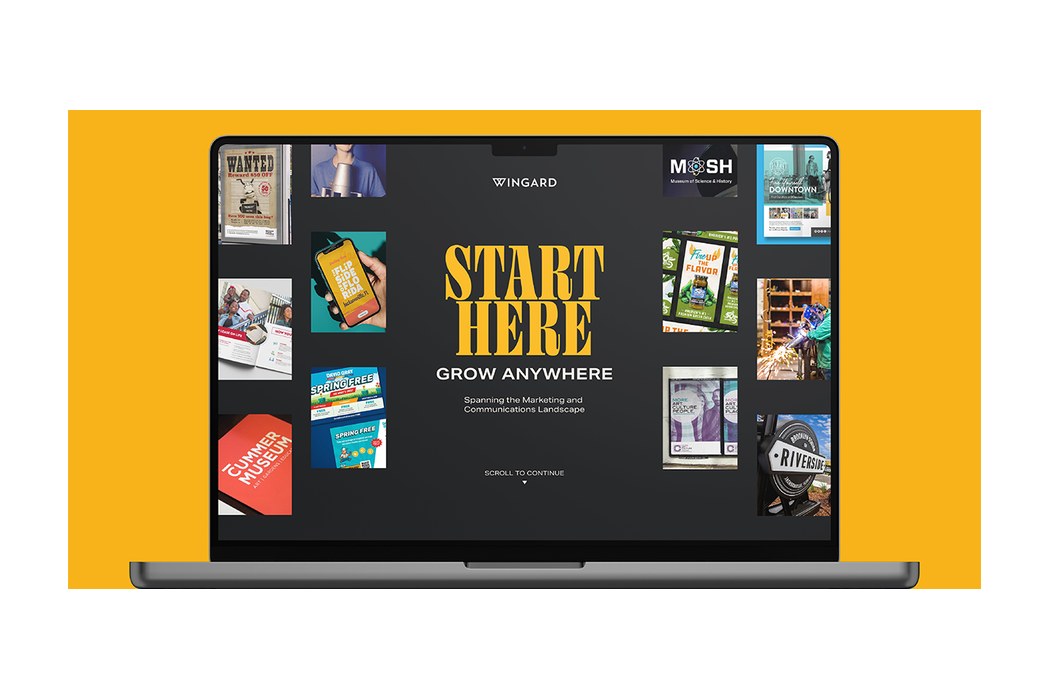
The Agency That Made Jacksonville Its Operating System
Wingard began as one designer answering calls in a recession. Its durable advantage turned out to be less glamorous and more useful: knowing one city well enough to make the city see itself differently.

The Bank Said No. Social Driver Built the Agency Anyway.
Two founders arrived in Washington without capital or connections. Fifteen years later, their agency's sharpest trick is still the same: finding the human route through a digital problem.
The $1,000 Bet That Taught a Small Agency How to Stay Small
Kate Austin began with seven clients, an old laptop and $1,000 she could afford to lose. Fifteen years later, the lesson was not how to become a giant agency - it was how to make useful marketing fit the people usually priced out of it.
The Agency That Needed a Bigger Park
Spears Group found its most persuasive case study by inventing a festival, watching 40,000 people arrive, and realizing the venue was the first thing its marketing had broken.

David Gorodetski Learned to Make Complexity Behave
He meant to paint. Instead, the Haifa-born founder built a communications career by stripping hard ideas to their essential line - and learned that a well-reasoned no can be more valuable than an easy yes.

The Agency That Outlived the VHS Tape
A Virginia agency founded when television spots and print ruled the brief is still here - now buying clicks, building sites and flying drones. Its best lesson is not nostalgia. It is knowing which parts of the old craft to keep.
The Agency That Wants You to Forget the Word Agency
DNA Marketing sells Belgian SMEs something more useful than another campaign: a marketing department they can rent, question and redirect - without putting the whole department on payroll.

The Savannah Agency That Put the Internet in the Same Room
RobMark started with two founders, a phone, a fax and a typewriter. Thirty-five years later, its most useful idea is still disarmingly simple: when the message, the medium and the people making both sit together, fewer things get lost in translation.

ArachnidWorks Found Its Advantage in the Space Between the Plan and the Work
The Frederick agency does not sell a clever trick. It sells coordination - the unglamorous discipline of making research, creative, code, media, and measurement behave like one system.

The Honolulu Agency That Refused to Pick a Lane
For nearly three decades, Team Vision has sold Hawaii by combining the instincts of an ad shop with the wiring of a software studio. Its best lesson is not about chasing every new platform. It is about making the brochure, booking engine and billboard behave like one idea.

The Agency That Put the Audience Inside the Advertisement
Mighty Engine discovered that the people usually called an audience can be the sharpest strategists in the room. Twenty-five years of campaigns show what happens when a creative agency listens before it speaks.
The Ninjas Behind the Grocery Aisle
A St. Louis agency built a business by doing the unglamorous work behind memorable brands - then turned pizza, beer, and cheese scraps into unusually useful evidence.
He Mistook Realtor.com for a Furniture Company. Then He Built an Agency Around It.
Rahul Alim found digital advertising by applying to the wrong kind of company. The useful accident became a lesson in niches, speed and selling small businesses one connected system instead of a sack of marketing parts.
Big Hype Marketing Built a Small Agency for the Jobs Brands Usually Split Five Ways
Its name promises noise. Its case studies reveal something quieter: a 13-person shop stitching strategy, design, content, code and distribution into one operating system for growing brands.

The Creative Agency That Learned the Website Was the Work
JUVE spent 25 years discovering that the hardest communication problem is often a broken workflow. Its answer is an unusual mix of branding, software and patient institutional memory.

SCHIED Put the Foodservice Sales Binder on a Leash
The Westlake Village agency spent decades learning where food sales stall. Its answer is part marketing shop, part digital toolmaker - built to replace the rep's least satisfying sentence: "I'll get back to you."

Celtis puts an orca on the bus. The destination is a new habit.
The agency behind Santa Cruz’s wildlife-wrapped buses sells public transportation through the things people already care about: their coast, their language, their next semester.
Lee Andrews Group takes public relations to the train platform
The Los Angeles firm sells communications, but its Metro work runs on neighborhood knowledge. A $24.9 million contract shows how far the job can extend beyond getting the message out.