The unglamorous work that makes public work possible
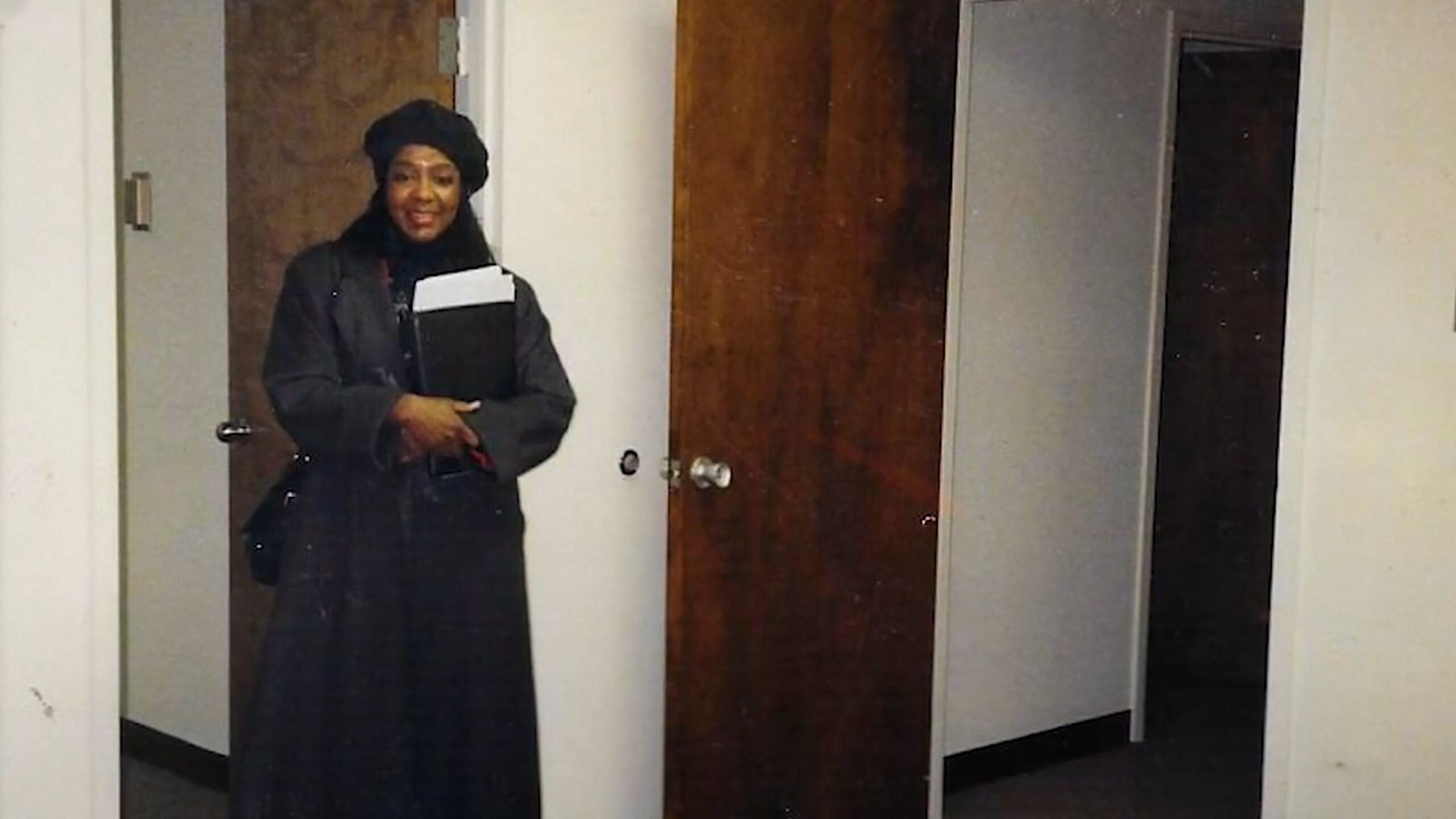
In the photograph from the early years, Wilhelmina Bell-Taylor is standing in a plain corridor, holding a binder against her coat. There is no glass office, no launch party, no glowing slogan on the wall. BETAH Associates began in her basement in 1988, a one-woman company with the sort of name that sounds less like a brand than a promise. BETAH, the company says, means trust and confidence.
That promise was unusually practical. Government has no shortage of important information. It has research about disease, rules for public benefits, grants for safer communities, programs for older adults and people with disabilities. What it often lacks is a reliable way to move all of that from the institution to a human being. Someone must find the audience, learn its language, book the room, make the website accessible, recruit the reviewer, check the conflict form, and answer the telephone when the public calls.
BETAH built a business in those verbs.
The message is only half the assignment
Calling BETAH an advertising agency is accurate in the narrow language of a procurement code and misleading in ordinary English. Its communications work includes audience research, campaign planning, branding, writing, graphic and web design, video, social media, and outreach. But the same company also plans conferences, administers grant peer reviews, provides training and technical assistance, and supplies project and administrative support.
The common element is not media. It is coordination. Consider a public-health campaign aimed at a community that has good reasons to distrust institutions. A clever line will not rescue a message delivered by the wrong person in the wrong setting. BETAH’s stated method is to use community leaders people already respect, contexts they recognize, and channels they already use. Research comes before the poster.
“We help clients produce messages, programs, and events that matter.”
For a national insurance provider studying barriers to health in Montgomery County, the company used focus groups, listening sessions, and surveys to surface what residents and local leaders considered urgent. The output was not just a report. BETAH says the work helped create a prototype for identifying health needs, ranking them, and building community-based responses. Listening became an operating system: collect voices, sort the evidence, choose priorities, then design.
The machinery behind a fair decision
Peer review is where BETAH’s odd combination of communication and administration becomes easiest to see. A federal grant competition may draw hundreds of applications. Subject experts must be recruited, screened for conflicts, matched to subject matter, briefed, scheduled, supported, and documented. Applicants must receive consistent notices. Agency staff need a record that can survive scrutiny. The drama is deliberately removed from the process.
- 01Recruit and vet reviewers
- 02Match expertise and screen conflicts
- 03Run panels and quality controls
- 04Document and notify
That work explains BETAH’s long customer list better than a slogan can. It has served offices across Health and Human Services, the National Institutes of Health, the Department of Justice, Treasury, Agriculture, Housing and Urban Development, the Environmental Protection Agency, the National Science Foundation, and the Navy. It also works with local health agencies, nonprofits, and larger contractors. These buyers are not purchasing inspiration by the pound. They are buying fewer dropped handoffs.
A ceiling is not a check
Government contracting generates numbers that are easy to misunderstand. In 2024, BETAH was one of 33 organizations selected for an Administration for Community Living contract vehicle with a $75 million ceiling. That figure described the maximum available across the vehicle, not revenue deposited into BETAH’s account. At one public-data snapshot, roughly $2.8 million had been obligated to the company under its award.
Permission to compete vs. work ordered
Illustrative scale. The ceiling covers a multiple-award vehicle; obligations change as agencies place and modify orders.BETAH’s own published commercial schedule offers a more tactile sense of cost: $76.50 an hour for administrative assistance, $147.90 for an account supervisor, $331.50 for a senior advisor, and $250 per application for a non-scientific peer review. Actual public work is bought through fixed-price orders, labor hours, blanket agreements, and task orders. The business model is less mysterious than the acronyms suggest: qualify for the vehicle, compete for the assignment, staff it, deliver it, and earn the next order.
Its advantage is the range of work it can keep under one roof. A large consultancy can offer comparable breadth, and a boutique may offer deeper specialization in one craft. BETAH occupies the space between them: small-business access and attention, combined with enough disciplines to carry a program from audience research through the live event and into the administrative aftermath.
The second founder decision
Michelle Taylor joined BETAH in 1999 as communications director. She had worked across art direction, audio and video production, public-service announcements, multilingual materials, and health outreach. Then, in 2008, Wilhelmina died. Michelle had to decide whether the company was an inheritance to close or an institution to continue. She chose to keep the doors open and became president and CEO.
That was the company’s second founding. Under Michelle, BETAH went virtual in 2014, made the Inc. 5000 again in 2017 and 2023, expanded its justice and health contract portfolio, and was selected by HHS as its 2024 Small Business Prime Contractor of the Year. The transition also preserved something less measurable: a family company whose idea of professional excellence includes community service, paid volunteer time, and the phrase “do well and do good.”
The butterfly is BETAH’s cultural symbol. Corporate symbols can be unbearable, but this one contains a useful admission: transformation is awkward in the middle. Agencies often arrive with a sound objective and a difficult gap between intention and experience. BETAH makes its living in that gap.
The part worth borrowing
- Treat logistics as part of the strategy, because a badly run experience changes the meaning of the message.
- Use trusted messengers before adding more message volume.
- Turn listening into choices: collect, compare, prioritize, build.
- Reduce handoffs when compliance, creativity, and operations depend on one another.
- Read contract ceilings as capacity, not cash.
Where the model fits
BETAH works best when the assignment carries consequences beyond impressions and clicks: a scientific meeting that must run cleanly, a grant review that must be impartial, a health message that must reach people who are usually missed, or a community process that must produce decisions instead of photographs of folding chairs.
It is less useful for a company shopping for self-serve software, a purely consumer campaign, or a fast piece of speculative brand theater. Research, accessibility, stakeholder recruitment, documentation, and federal compliance cost time and money. Nor do woman-owned and small-business certifications confer the same advantage outside procurement systems built to recognize them.
But in the market BETAH chose, execution is not the boring part that follows the idea. Execution is where the public encounters the idea. A meeting registration page, a reviewer assignment, a translated sentence, a returned call - each one is a small referendum on whether an institution deserves confidence. Thirty-eight years after Wilhelmina carried that binder down the corridor, her company is still in the referendum business.