There is a small trap hidden inside the phrase public meeting. It sounds as though the public will be there. Often, the people in the folding chairs are the people who already know how to find the folding chairs: homeowners with flexible evenings, professional advocates, familiar faces. The missing residents remain invisible, and their absence is easily mistaken for consent.
Lara Media has made a business out of noticing that mistake. The 15-person Portland firm works where government, healthcare, infrastructure, and community life rub against one another. Its staff run interviews, surveys, focus groups, roundtables, outreach campaigns, multilingual content, videos, training, and facilitation. The deliverable might be a report or a campaign. The actual product is a more accurate picture of who is affected and what will make a decision usable.
The envelope that did not answer back
The best explanation of Lara Media's method begins with something going wrong. In 2019, an Oregon Health Authority alcohol-prevention study sent a baseline survey with a Spanish cover letter. Response among Spanish speakers was low. This is where institutions often diagnose the audience: hard to reach, difficult to engage, perhaps simply uninterested.
The research team changed the channel instead. PRR worked with Lara Media and Dynata to recruit Spanish-speaking adults online. Lara Media also drew on intercept surveys, community events, social media, and its Spanish-speaking network. The baseline Spanish sample ultimately included 81 people. The message-evaluation survey reached 363. What changed their mind was not a philosophical revelation. It was the evidence of the empty mailbox.
That episode is amusing only because the lesson is so obvious after the fact. Language access is not a sentence translated at the top of the same old process. It is an invitation, a messenger, a place, a time, a reason to trust, and a way for the answer to travel back. Lara Media calls some of this work “transcreation.” The word is inelegant; the idea is precise. Preserve the intended action, not the original syntax.
If the room is wrong, move the room
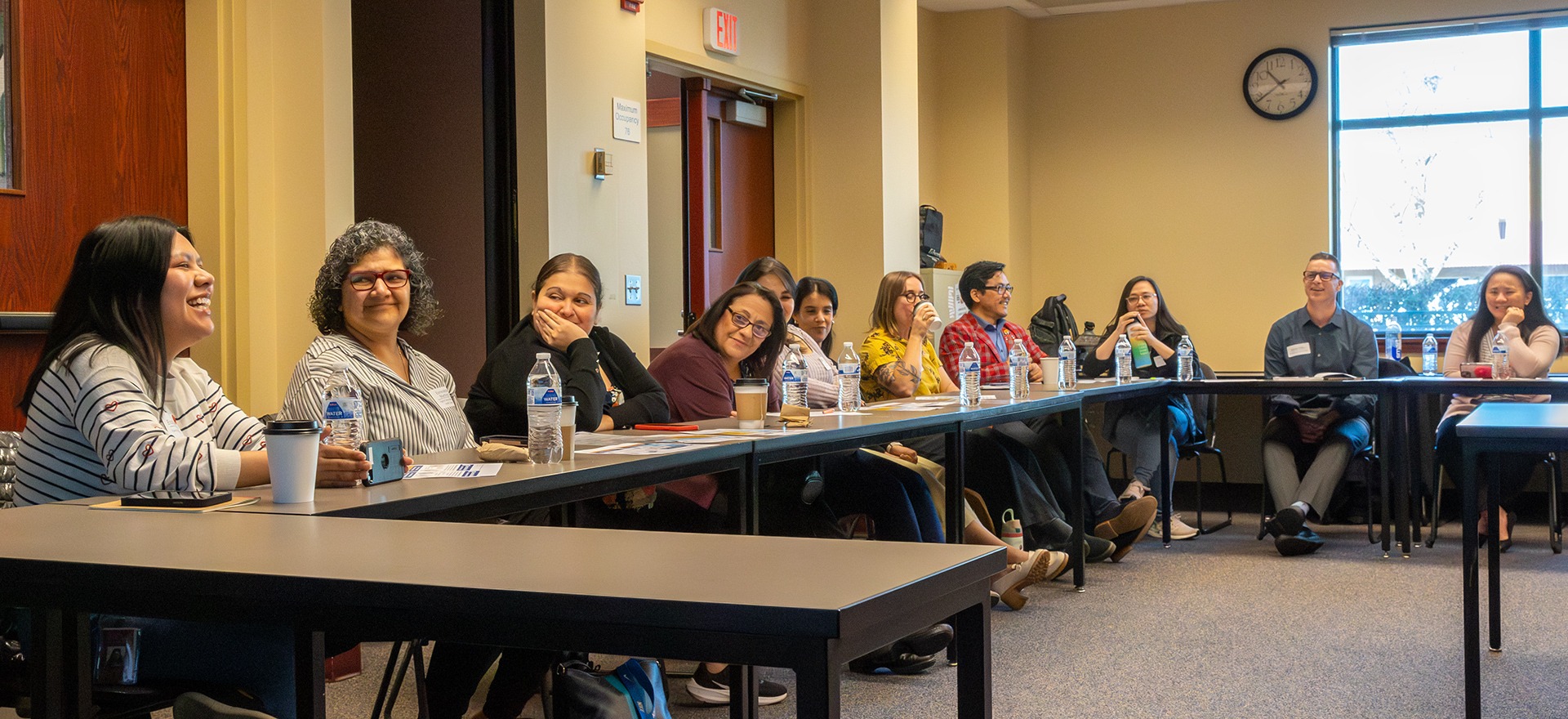
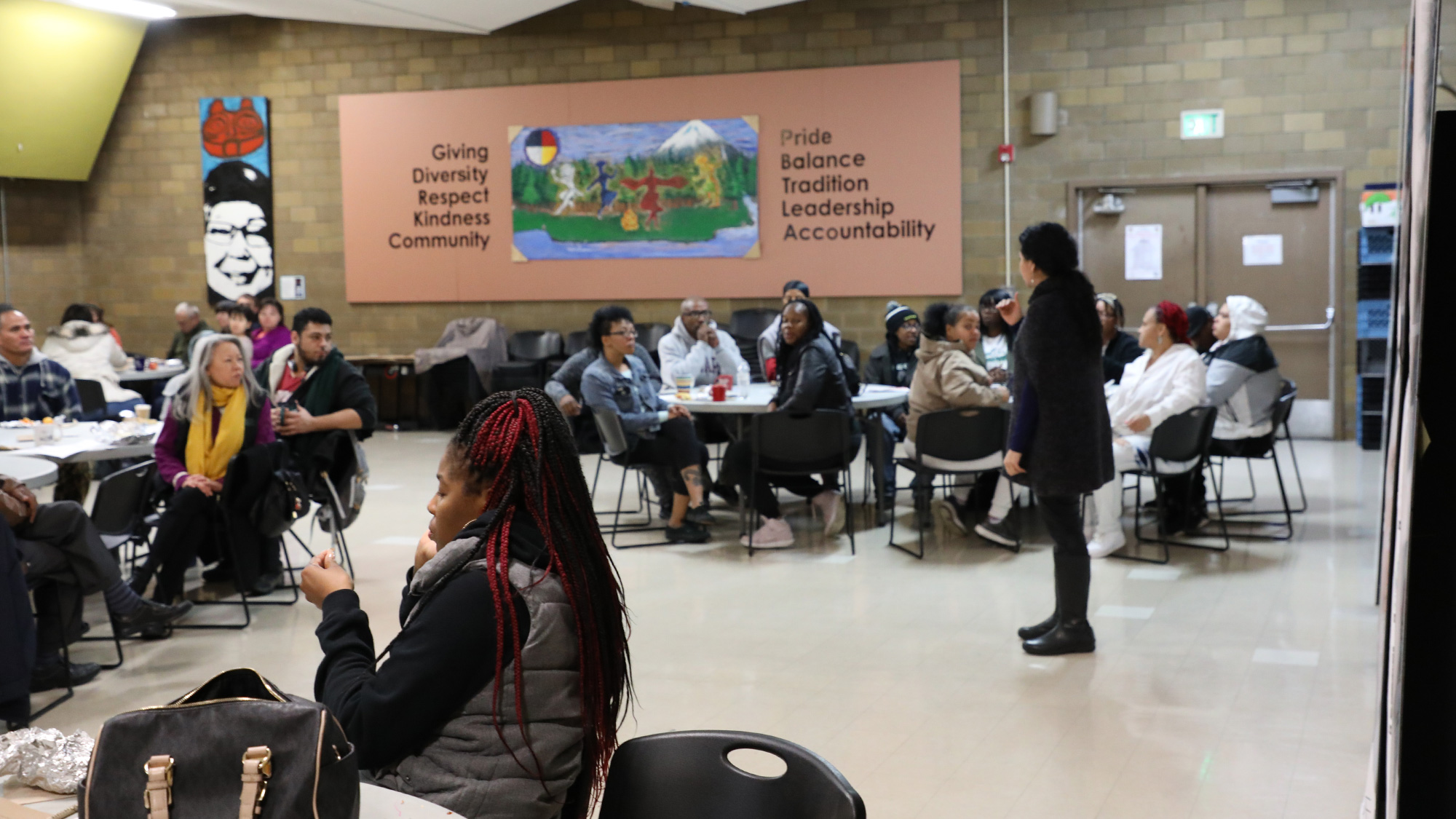
Consider Portland's Broadway Corridor, the redevelopment of the former downtown postal site. Prosper Portland needed input from residents who do not usually attend planning meetings and who did not expect large development projects to benefit them. Lara Media ran three focus groups and two roundtables. A communities-of-color session used seven tables and four languages: Russian, Chinese, Spanish, and English.
Then the work left the conference room. Pop-up surveys appeared at Union Station, the Rose Quarter, and Hollywood Library. The team surveyed 119 people. It also placed information boards at culturally specific organizations around the city. This is outreach in the literal sense: not asking the public to cross an institutional threshold, but stretching the institution into places where ordinary life is already happening.
The same practical choices show up in Portland's Police Accountability Commission work. Lara Media and Spears & Spears helped organize eleven discussion groups with 124 participants. The groups included young adults, Spanish speakers, people with disabilities, people who had experienced alleged police misconduct, people living without housing, and others with reasons to distrust the usual process. Participants were compensated. That detail matters. Institutions routinely call lived experience “input” at the moment they want it for free.
Five verbs instead of one campaign
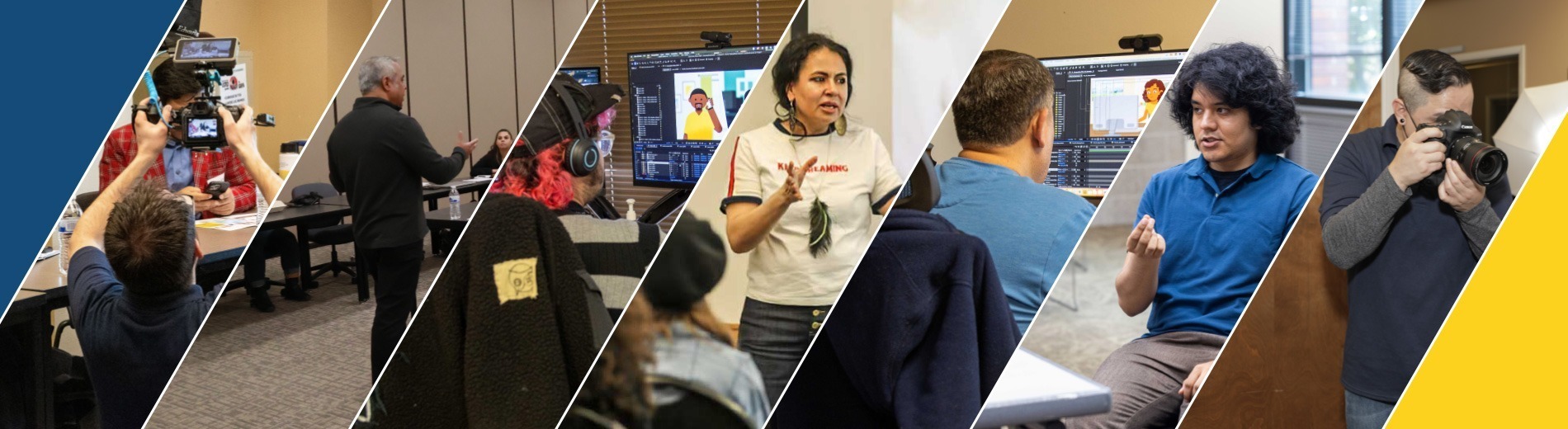
Lara Media began in 2000, when Victoria Lara saw both the growth of Oregon's Latino community and the poverty of culturally responsive engagement around it. The company still offers the recognizable furniture of an agency - messaging, paid media, social campaigns, graphic and web design, video, and sound. But its current service model is better captured by five verbs.
Research people, context, barriers, and the consequences of a decision before announcing it.
Recruit through trusted relationships, relevant places, useful channels, and more than one language.
Turn findings into plain-language campaigns, video, digital tools, print, and multilingual content.
Train teams in culturally responsive communications, facilitation, and practices that support belonging.
Leave behind repeatable tools the client can operate after the consultants have gone home.
That sequence explains the firm's customers. Oregon Health Authority, Multnomah County, TriMet, Metro, Port of Portland, Providence, utilities, foundations, and professional sports organizations all appear in its public client list. These are not buyers looking for one clever slogan. They operate programs with compliance requirements, political exposure, multiple constituencies, and real costs when people misunderstand or mistrust the offer.
What trust costs on a purchase order
Lara Media is privately held, so its revenue and project margins are not public. A few government records put useful edges around the business. In 2021, the Port of Portland listed a $50,000 contract for Lara Media equity consulting. In 2023, the City of Portland named the firm to an on-call community engagement, outreach, and facilitation agreement listed at $350,000. That larger number is an agreement amount, not evidence that every dollar was spent.
The numbers make the business model less mysterious. Clients pay project fees or draw against public contracts for research, engagement, strategy, creative production, training, and implementation support. Lara Media competes with public-involvement firms such as EnviroIssues, JLA, PRR, Metropolitan Group, and independent culturally specific consultants. Its distinction is the bundle: community relationships and multilingual fieldwork connected directly to the people who can design the campaign and help an organization use the findings.
Creative shops can polish the message.
MEDIA
links both
A method worth stealing, with conditions
The Lara Media playbook is easy to describe and inconvenient to practice. That is why it has value. A reader can copy the mechanics without pretending to copy 25 years of relationships.
- Define who is absent before choosing the channel. “General public” is not an audience segment.
- Treat low response as a design signal. Change the messenger, venue, timing, incentive, or medium before blaming apathy.
- Pay people when their experience is doing work for the project, especially when institutions are being paid too.
- Translate the desired outcome, not merely the words. Test whether the message makes sense in context.
- Close the loop. Show how input changed a decision and leave staff with a system they can keep using.
It will not work as theater. If the important decision has already been made, if compensation is impossible but demands are high, if the timeline allows no trust-building, or if leaders refuse to change the plan after hearing unwelcome evidence, better outreach merely produces a more diverse group of disappointed people. The method also does not scale by substituting a demographic database for local relationships. Lara Media can bring access, design, and facilitation. The client still has to surrender a little certainty.
The agency at the hinge
Victoria Lara's civic record helps explain the firm's position. She has served with business groups, schools, conservation organizations, Latino nonprofits, and public committees. In 2024 the Portland Metro Chamber gave Lara Media its small-company A Place With No Ceiling award. In 2025, Lara was named a Portland Business Journal Woman of Influence and received Mexico's Ohtli Award, an honor for people who have opened paths for Mexican communities abroad.
Awards are pleasant; the hinge is more interesting. Lara Media sits between the executive room and the folding-chair circle, between Spanish and English, between a research finding and a video someone will watch, between consultation and implementation. That position can look like marketing, public relations, facilitation, or policy support depending on which side is looking. The firm calls it strategic communications and community engagement. A plainer description might be this: it notices who is not in the room, finds them, and makes their answer difficult to ignore.