The first thing to fail was the obvious thing. In early 2020, The Vida Agency had a public-health assignment from the City of Seattle: persuade young people, especially Black, Latino, Indigenous, and low-income young people, to drink more water and fewer sugary drinks. The city had selected Vida's full $547,347 proposal. The plan depended on the familiar machinery of local outreach - schools, gatherings, hand-to-hand material, people talking to people. Then gatherings disappeared.
A conventional campaign might have preserved the creative and swapped the media. Vida preserved the relationships and let those relationships remake the campaign. Its team worked with youth, community organizations, local artists, and what it called Creative Change Makers. More than 500 survey responses helped shape the bilingual identity: Be Ready. Be Hydrated. / Prepárate. Hidrátate. When COVID closed the obvious doors, the campaign moved largely online, while its partners found the doors that remained.
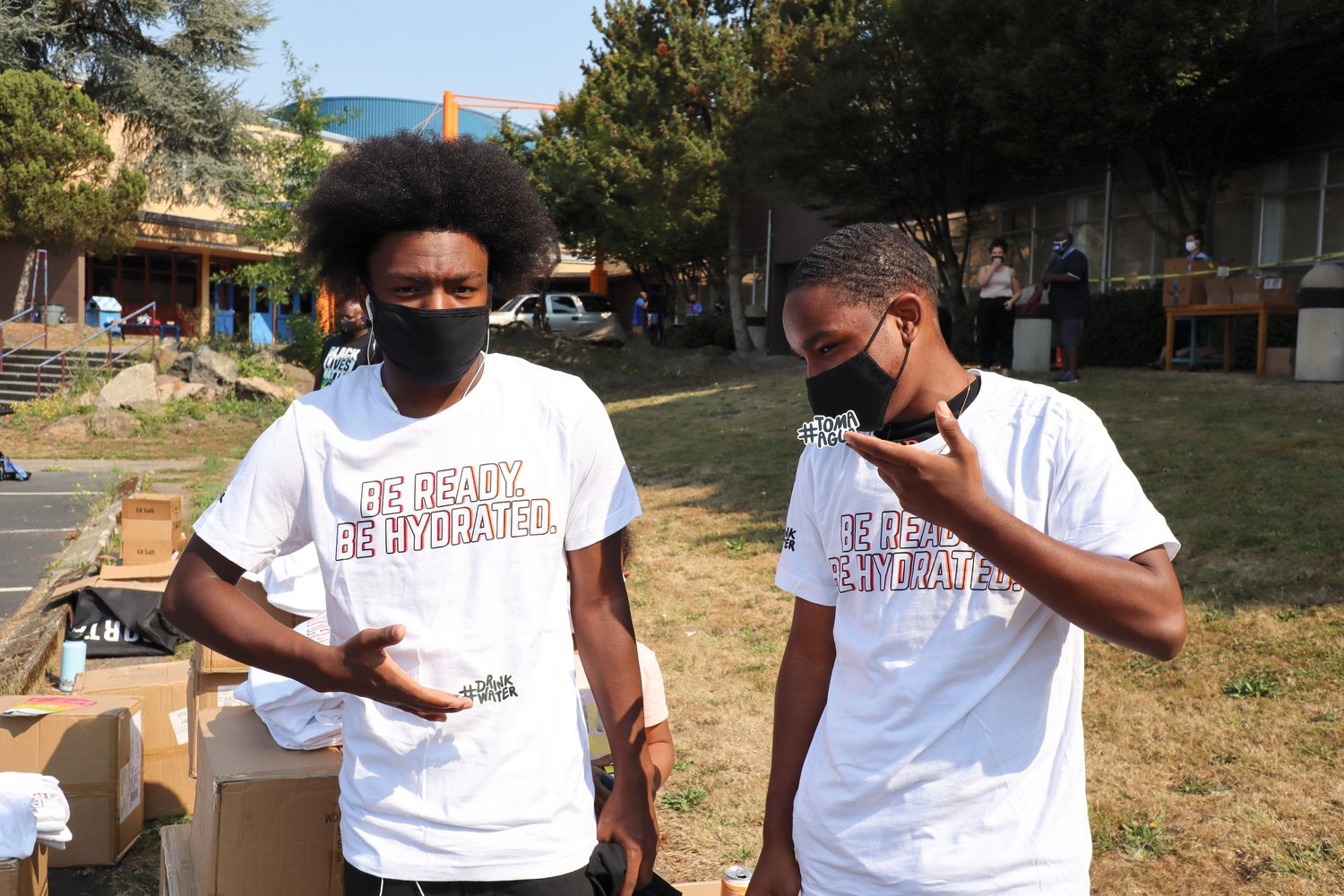
Black Stax handed out gear to protesters and bike brigades. Hip Hop Is Green included materials in plant-based food boxes. The Latino Community Fund folded hydration education into a youth program. Campaign pieces reached food banks, socially distanced school orientations, organizers, a farmers market, SNAP recipients, and Seattle's first virtual Big Day of Play. A media plan had become a map of trusted relationships.
The numbers are useful, with one caution. A later Seattle report noted an approximately 18 percent decrease in sugar-sweetened beverage sales among the populations studied, alongside broader changes in health awareness. Vida's work was part of that environment; it would be too neat to claim one campaign caused the whole shift. The cleaner result is operational: a campaign designed with the community kept moving when its original delivery system broke.
The research department has neighbors
The Vida Agency is a 25-person Seattle communications firm founded in 2017 by Amalia Martino, a longtime public-relations practitioner who grew up in the city. On paper, the offer resembles a compact full-service agency: research, messaging, branding, design, websites, video, public relations, translation, media buying, events, and measurement. In practice, the interesting part is the order of operations.
“Most agencies consult communities. We co-create with them.”The Vida Agency
Consultation often arrives late. The logo exists. The slogan exists. The media budget certainly exists. A focus group is asked to respond to a nearly finished object. Co-creation is messier: community participants can alter the brief before sunk costs turn every suggestion into an inconvenience. Vida embeds trusted messengers, artists, young people, and community leaders in research and ideation, then carries those people into testing and distribution.
The distinction matters most where information is technically available and practically inert. A health benefit can exist without feeling safe to claim. An energy rebate can save money without being understood. A transportation agency can hold a public meeting that the relevant public cannot attend. Vida sells help across that gap. Its buyers include governments, utilities, healthcare systems, nonprofits, community organizations, and some private companies. The work is business-to-government and business-to-business, but the final user is often a resident deciding whether an institution deserves attention.
From eligibility to action
Consider Washington Health Benefit Exchange. When the state expanded access regardless of immigration status, eligibility alone did not produce enrollment. Awareness was uneven, the system felt complicated, and trust was low. Vida paired digital advertising with in-language work across Spanish, Chinese, Vietnamese, and Russian media; arranged ten interviews in four languages; and brought the message into neighborhoods through community-made murals.
The resulting enrollment period produced 309,000 qualified-health-plan enrollments, including 49,000 first-time enrollments - statewide results to which many organizations and policy changes contributed. Vida's attributable media figures are more revealing about the mechanism: 8.4 million digital impressions, 5.6 million multicultural-media impressions, and 85,171 visits to in-language landing pages. Those pages accounted for 61 percent of campaign traffic.
The same model appears in less expected places. For Puget Sound Energy, Vida and Gumball Dynasty convened BIPOC young adults to shape a clean-energy campaign's tone, palette, visuals, and language. In a separate five-year partnership between PSE and Seattle Sounders FC, Vida turned household energy advice into the bilingual soccer platform Smart Plays. Big Wins. A Spanish-speaking advisory group helped guide it; Seattle muralist Angelina Villalobos Soto supplied the visual center; player Pedro de la Vega became an ambassador. A quiz tied learning to match tickets. The first 1,000 tickets were claimed in under 12 hours.
This is where Vida differs from a translation vendor or a generalist ad agency. Translation changes words. Transcreation protects intent across cultural contexts. Community engagement changes who has agency. Vida bundles all three with the craft required to ship the thing - research, design, media, video, events, websites, and reporting. A client does not have to pass a delicate idea through five disconnected suppliers.
The economics of listening
Vida is a privately held services business, not a venture-backed software company. It earns project and contract fees. Public records show the range: $100,000 for a Snohomish County health-department community assessment; $547,347 for Seattle's sugary-drink counter-marketing campaign; larger public-agency rosters and on-call awards whose ceilings are not the same thing as guaranteed revenue. The company-provided revenue estimate is approximately $1.5 million, though no audited figure is public.
The firm has grown visibly. Its vice president says its client base passed 40 organizations while the team tripled over five years. Inc. ranked Vida No. 2,684 on the 2025 Inc. 5000, then No. 104 among Pacific regional companies in 2026, reporting 46 percent two-year growth. Martino joined the 2026 Female Founders 500; Inc. singled out both the community-campaign work and $169,000 invested in employee development. For an agency selling the proposition that the right participants improve the work, spending on its own participants is at least philosophically consistent.
There are constraints hidden inside that advice. Co-creation needs time, decision rights, compensation, and a client willing to be contradicted. It performs poorly when leaders want community approval but not community influence, when procurement has already frozen every deliverable, or when a deadline turns listening into theater. It also does not erase the need for broad quantitative research. A handful of trusted voices can reveal what a dashboard misses; they cannot automatically represent everyone.
Vida's market sits between conventional creative agencies, public-relations firms, research consultancies, and public-involvement specialists. Its advantage is not that competitors never do culturally fluent work. Many do. The advantage is integration: Vida can move from a focus group to a mural, from an in-language interview to a media buy, and from a youth workshop to an evaluation report without losing the original conversation in a handoff.
The useful rearrangement
There is a wonderfully mundane assumption buried in Vida's work: people are more likely to notice a message that sounds as though someone noticed them first. Public agencies often treat trust as a communications outcome. Vida treats it as production infrastructure. That means the community partner is not decorative, language is not an export setting, and outreach is not what happens after the real work.
The hydration campaign makes the point because its first plan became impossible. The firm did not discover a magical channel. It discovered that the community itself was the channel - teenagers, musicians, food programs, teachers, activists, local outlets, and organizers, all moving a message they had helped shape. Anyone can copy the sequence on a whiteboard. The hard part is surrendering enough authorship for it to become real.