The easiest way to misunderstand public relations is to look at the photograph. There is the famous person, the sponsor wall, the flattering light and the small forest of microphones. Everything appears spontaneous. Everyone appears delighted. The whole thing lasts perhaps thirty seconds. Priscilla Clarke has spent more than two decades working on the other side of that image, where spontaneity is scheduled, delight is negotiated and thirty seconds can require weeks of calls.
Clarke PR Global LLC is the current name attached to that work. Its lineage begins in 2003, when Clarke launched Clarke & Associates in Washington, D.C. The firm grew into a public relations, marketing and entertainment shop with a stated presence in Washington, Los Angeles and National Harbor. Its menu is broad: media relations, crisis management, integrated brand marketing, multicultural outreach, talent booking and event production. Its real specialty is narrower and more interesting. It knows how to move between rooms that rarely share a guest list.
One room belongs to entertainment. Public materials name work involving BET, Netflix, TV One, Paramount Pictures, Shaquille O'Neal, Chris Tucker and other artists and athletes. Another belongs to institutions and causes: the National Medical Association, the Congressional Black Caucus Foundation, U.S. Dream Academy and civic organizations. Clarke once described the mix with useful bluntness: nonprofit plus entertainment. That is less a list of sectors than a theory of attention. A cause needs an audience. A performer often needs a cause. A company wants the credibility of both.
camera · carpet · clip
prep · calls · approvals
A second act found backstage
Clarke did not arrive through the customary agency pipeline. For thirteen years she owned and managed a health-food store in Gaithersburg, Maryland. After selling it in 2001, she trained in television production. While trying to get into the business, she met people connected to Def Comedy Jam and began handling merchandising around the comedy shows. Publicity caught her attention. She returned to school for communications and business, then built a firm of her own.
The change was not a breezy reinvention. Clarke has spoken publicly about a period when several personal tragedies landed together, her material security disappeared and depression followed. Her compact phrase for what happened next is “Pain to Passion.” It is easy to polish that into an entrepreneurial slogan. The more useful reading is practical: when the old plan vanished, she followed the part of the new work that gave her energy. First television production, then merchandising, then publicity. The career emerged by proximity and attention, not revelation.
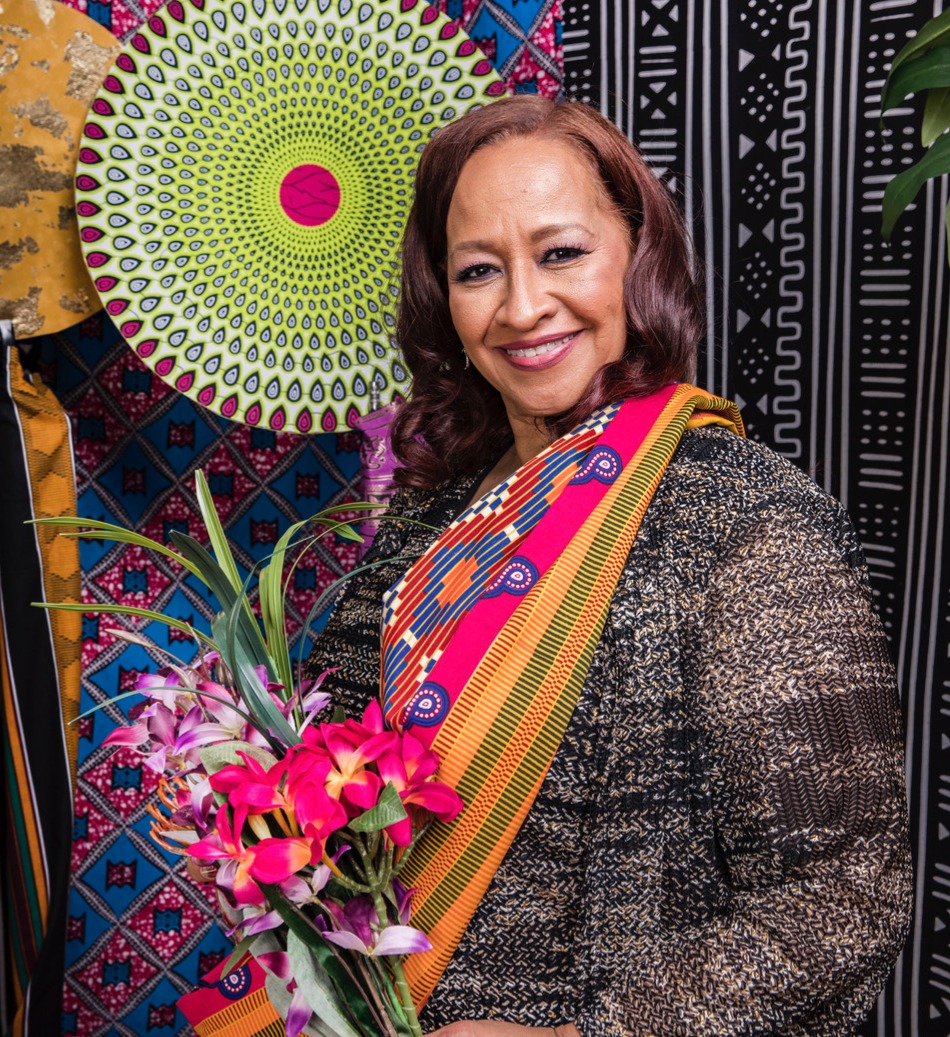
“Pain to Passion.”Priscilla Clarke's name for the career reset that led her to public relations
The product is an arranged relationship
A press release can be purchased almost anywhere. Clarke PR's differentiator is the relationship around it: knowing which reporter, producer, sponsor, talent representative or community leader should care, and giving that person a reason to answer. In agency language this becomes “media relations” or “multicultural engagement.” In ordinary language, it is arranging trust between people who do not yet have it.
That explains the sprawling client wall. A health association and a recording artist look unrelated from the outside. From a publicist's desk, both need a clear story, a credible messenger, a prepared spokesperson and a channel that reaches the right audience. The machinery is reusable even when the message is not. Clarke PR sells that machinery as projects and ongoing counsel. It is a service business, not a software platform or media owner, and its value is therefore tied closely to judgment, availability and network depth.
The firm also operates where publicity meets production. A gala is not merely a room rental. It can involve sponsors, talent, press, stage cues, guest management and a narrative that survives after the tables are cleared. Recent work has included Steve Harvey's MELT events in Abu Dhabi. A 2025 Washington project description credited a Clarke PR Global team with helping deliver a 500-person private gala on less than thirty days' lead time and coordinating more than thirty sponsors. That is not just “getting coverage.” It is building the event that gives coverage something to cover.
What fails before the camera turns on
At a 2014 session for public-relations students, Clarke and fellow agency founder Nicole Garner drew a sharp line between publicity and promotion. They also offered warnings that sound almost comically basic: do not assume a client knows how to behave on camera. Do not secure an opportunity before confirming the client wants it. The fact that such advice needs repeating tells you where campaigns fracture. The first failure is often not a hostile reporter. It is an internal assumption.
A small-agency operating card worth copying
- Get the client's approval before making the booking.
- Rehearse the spokesperson, even when they insist they are “good on camera.”
- Separate earned publicity from paid promotion and decide which job you need done.
- Build the media and community relationship before the urgent request arrives.
- Keep a response plan close enough to use outside office hours.
Crisis work changes the tempo. Clarke has described herself as always on the clock because a reputation problem will not wait for Monday morning. This is the human cost behind the model - long hours, social obligations and a schedule shaped by clients' public moments. Her antidote is notably quiet: time at home, reflection, the ocean. It sounds less like lifestyle branding than maintenance for a job built on constant contact.
A boutique at the intersection
More offices and specialized departments; often more process between principal and client.
Founder-led access with cross-sector fluency in culture, causes, institutions and events.
Direct attention and flexibility; typically less production depth and crisis bench strength.
This middle position is where Clarke PR fits. It offers more disciplines than a single publicist while remaining closer to its founder's personal network than a multinational agency would be. That can work especially well for organizations that need cultural fluency, talent access and event execution in one assignment. It asks something from the client, too: responsiveness, realistic timelines, message discipline and trust in counsel. An organization seeking self-serve distribution, guaranteed virality or the lowest transactional price is shopping for a different product.
There is no public rate card, and there need not be one to understand the economics. The agency sells experienced time and coordinated access. Crisis complexity costs more attention than a routine announcement. An international event demands more moving parts than a local media pitch. The visible deliverable may be a clip, a room or an introduction; the billable substance is the work that makes it useful and keeps it from going wrong.
Clarke runs a Maryland health-food business, her first long entrepreneurial chapter.
She launches Clarke & Associates in Washington, D.C.
The HistoryMakers records her oral history; she receives a Black Press publicist award.
U.S. Black Chambers names Clarke to its Power 50 Women of Influence class.
She joins an American Black Film Festival discussion on Washington as a creative capital.
The photograph is the receipt
The company's long client list can look like the point: Beyoncé and BET, Coca-Cola and the National Medical Association, sports figures and civic foundations. But a list is evidence, not strategy. The more revealing achievement is that one founder-led firm has remained legible across these categories for more than twenty years. Its promise is not that every client becomes famous. It is that the agency understands how public attention is assembled - who must be in the room, what must be decided before they arrive and what should happen after they leave.
That is why the red-carpet image is so misleading. It shows the outcome while cropping out the mechanism. Clarke PR Global's business lives in the crop: the call returned, the message rehearsed, the sponsor aligned, the guest confirmed, the risk anticipated. Anyone can copy the first lesson immediately. Before chasing the photograph, design the conditions that make the photograph matter.