The first client came through someone Carolyn Izzo knew. This is either an unremarkable way to begin a public-relations firm or the perfect one. PR likes to dress itself in dashboards, databases and impressive nouns. But its raw material is much older: one person trusts another person with a story. In 1996, with encouragement and a spare room in her mother's home, Izzo turned that exchange into CIIC PR.
Izzo had learned the trade inside large PR firms, then decided she wanted something more personal and relationship-driven. The initials stood for Carolyn Izzo Integrated Communications. The business now has full-service offices in New York, Miami and Los Angeles, an employee count that LinkedIn places in the 11-to-50 range, and clients spread across hotels, tourism boards, restaurants, wine, beauty, design and real estate. It is a certified woman-owned business. The founder is still the CEO. The spare room has multiplied; the founding idea has not.

The souvenir is not the story
CIIC works in industries that are easy to photograph and hard to distinguish. Every resort has a blue pool. Every restaurant has a plate photographed from three inches above the table. Every luxury launch promises an experience. The problem CIIC solves is not a shortage of beauty. It is a surplus of sameness.
The agency's services sound familiar on a proposal: positioning, media relations, influencer outreach, social strategy, content, events, crisis counsel and measurement. What makes the work legible is how those pieces are assembled. For Hotel El Ganzo in Los Cabos, CIIC did not merely say “art hotel.” It pitched the underground recording studio, resident artists and barefoot cultural mood; hosted reporters; arranged executive meetings; and paired the property with swimsuit retailer Everything But Water. That partnership appeared in 75 stores and helped the campaign report 159 million media impressions.
“There is a difference between knowing the story and having lived it.”Adriana Daves, CIIC PR account executive
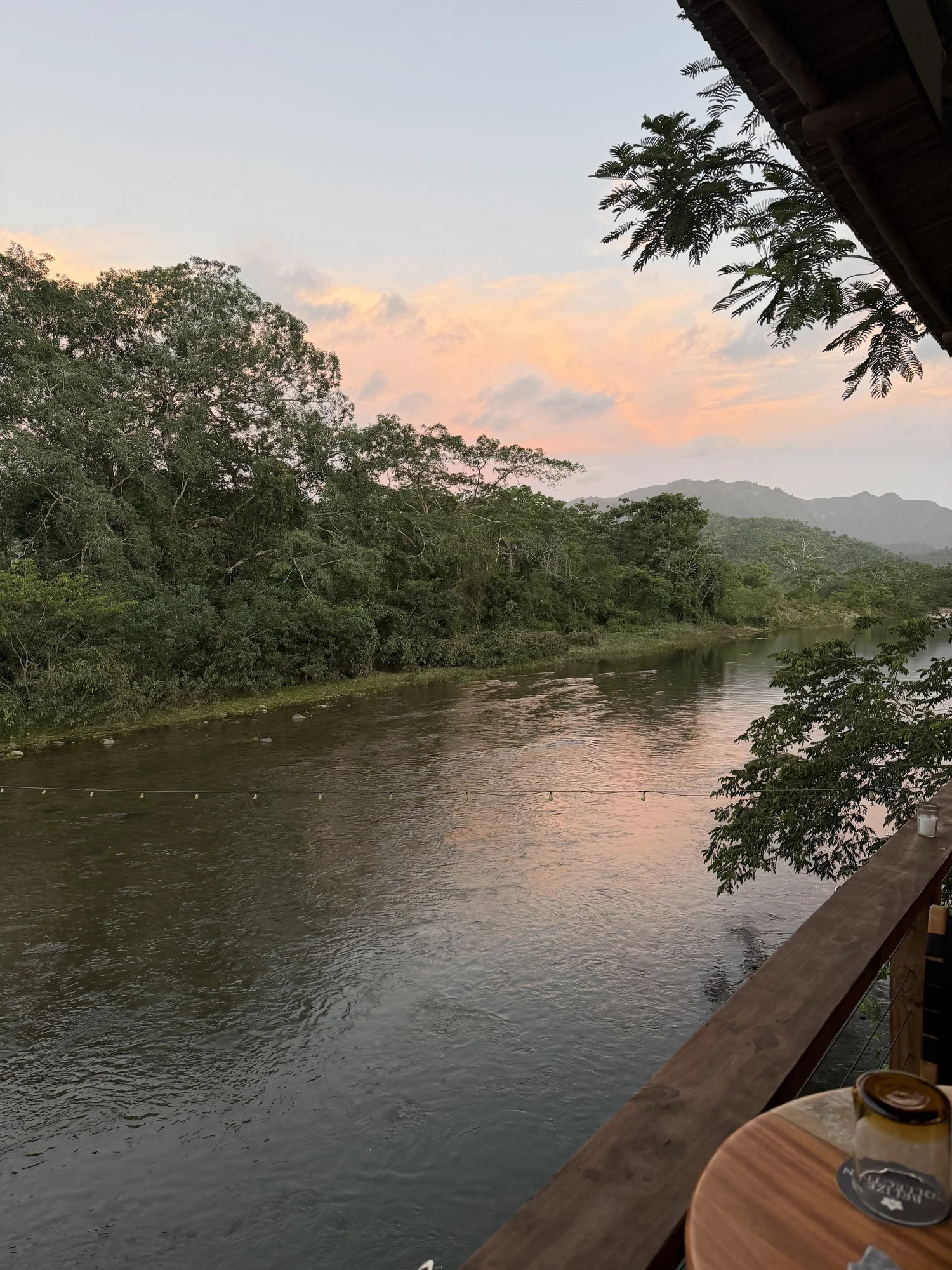
That line came after Daves spent four days moving through four properties in The Belize Collection. She returned talking about a horse-and-buggy ride, guides who stopped to explain plants, and horses crossing a river. None was the headline fact on a hotel sheet. All were details a traveler might repeat at dinner. The useful lesson is almost comically simple: before adding another adjective, go and look.
A machine for making specificity travel
The customer is usually an organization with a vivid physical product and a fuzzy public identity: a newly renovated marina, an independent hotel entering New York, a Caribbean island opening an air route, a food brand asking people to notice an apple. CIIC sells the translation. It identifies the feature that can carry a story, gives it a public form, finds the people most likely to care and engineers a reason for them to encounter it.
Find the specific thing that cannot be said about every competitor.
Turn it into a visit, opening, partnership, pop-up or useful expert conversation.
Choose media, creators and markets by audience fit, not raw list size.
Build follow-up coverage, social material and local relationships after launch day.
Consider Opal Apples. The product had one unusually crisp fact: it was naturally non-browning. CIIC helped turn National Apple Month into an orchard pop-up in New York, secured calendar listings and interviews, sent product to food and parenting outlets, and brought in an influencer partner. More than 2,000 people registered; 1,840 tickets were reserved through Eventbrite. The agency reported 187 million-plus media impressions and five million social engagements. An apple became an appointment.
When the opening refuses to open
The first thing to fail in the Time Hotel campaign was the calendar. The opening date slipped several times, a familiar hotel-development headache and a nasty one for publicists who have already begun inviting attention. CIIC kept moving. It framed the property as a local “good neighbor,” staged a ribbon cutting with officials and press, managed an opening celebration of roughly 2,000 guests, and continued hosting media and local VIPs after the doors finally opened.
The reported result was more than 50 stories, $470,000-plus in estimated editorial value, 39,125-plus likes and 546-plus comments. The transferable move is not to pretend a delay is good news. It is to change what the campaign can accomplish while the fixed milestone remains unfixed. Community introductions, contact-building and story development do not require a ceremonial ribbon to be cut on schedule.
Boutique attention, borrowed scale
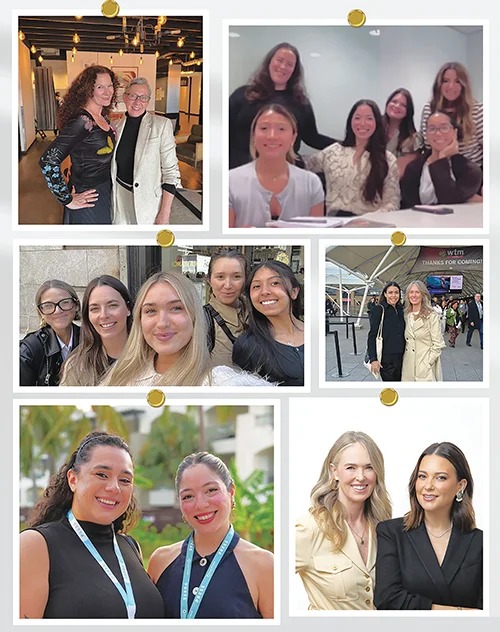
CIIC's competitive set includes specialist firms such as J/PR, Quinn, bread & Butter, Zapwater and Magrino, along with the hospitality practices of larger agencies. Its answer is a particular combination: principals near the account, bilingual and sector-fluent staff, three offices in major U.S. media markets, and partner agencies where local nuance matters.
The Miami office, launched by vice president and partner Amy Sedeño, strengthened coverage across Florida, the Caribbean, Mexico and Latin America. Sedeño is a former journalist and a certified sommelier, which is exactly the sort of improbable overlap that becomes useful when a wine client needs more than a translated release. CIIC is also the exclusive U.S. partner of LatamPR, a network spanning 10 Latin American markets. In 2025 it joined Tribe Global, an independent-agency network covering more than 25 countries.
This is how a small firm offers international work without pretending a New York media list is a global strategy. For Barbados Tourism Marketing, CIIC used a new Panama-to-Barbados flight as the hinge for a campaign across Panama, Argentina, Colombia, Brazil and Chile. The audience was not “Latin America.” It was separate groups of higher-income travelers, families and cultural tourists, approached through their own markets.
The business underneath the bylines
CIIC is privately held and sells a mix of ongoing agency-of-record relationships and discrete campaigns. Fees are not posted. The work is labor-intensive: senior counsel, account management, research, writing, pitching, reporting, creator coordination and events. That makes trust more than a cultural nicety. It lowers the cost of explaining the client again and again.
The model is strongest when a client has a genuinely differentiated product, access for press, leaders willing to speak and enough time for relationships to compound. It is weaker when the offer is interchangeable, approvals flatten every sentence, the opening date moves without warning, or executives expect earned attention to behave like an ad purchase. PR can amplify a real distinction. It cannot manufacture one indefinitely.
What can another company copy? Send the person who writes the pitch to experience the thing. Replace demographic continents with actual markets. Pair brands when each lends the other a believable context. When a launch slips, spend the waiting period building a constituency. And measure reach, certainly, but keep one eye on the action that matters - registrations, inquiries, visits, bookings or sales.
Thirty years after the spare room, CIIC's most persuasive asset is not a billion-impression figure. It is the persistence of that first lesson: a good story usually travels through a good relationship. The technology around it changes. The suitcase gets lighter. The media list gets longer. Someone still has to notice the horse crossing the river.